Agate: Nature’s Captivating Canvas of Banded Silica
Mineral Profile
Chemical Formula: SiO₂ (Silicon Dioxide)
Mohs Hardness: 7
Transparency: Translucent
Specific Gravity: 2.61-2.65 g/cm³
Refractive Index: 1.54-1.55
Fracture: Conchoidal
Structure: Cryptocrystalline
Formation: Concentric banded patterns
Agate is one of nature’s most artistic geological creations—a form of microcrystalline quartz where silica-rich solutions slowly deposit within rock cavities over millennia, creating mesmerizing banded patterns. Each layer’s unique mineral impurities produce distinctive colors and intricate designs, transforming simple silicon dioxide into a canvas of infinite variation.
Formation Process
Agates originate through a remarkable geological process:
- Solution Infiltration: Silica-rich fluids permeate volcanic rock cavities and gas bubbles.
- Layer Deposition: Minerals precipitate in concentric layers over thousands of years.
- Color Variation: Iron, manganese, chromium, and other trace elements create diverse hues.
- Solidification: Gradual dehydration transforms gel-like material into solid crystalline quartz.
This slow, rhythmic deposition creates the characteristic banding that makes each agate specimen uniquely beautiful.
Historical and Cultural Significance
Throughout history, agate has served both practical and symbolic purposes. Ancient civilizations believed agate possessed protective properties, while Renaissance artisans transformed agate slices into exquisite cameos and intaglios. In Chinese culture, agate (玛瑙, Mǎnǎo) has been treasured for centuries, particularly banded varieties that resemble landscape paintings or natural scenes. Today, you can explore a curated selection of natural jadeite jewelry and Chinese antiques at VirtuCasa.
Rainflower Stones
Chinese collectors particularly prize “Rainflower Stones”—agate pebbles polished smooth by river transport that reveal intricate patterns when wet. These naturally tumbled specimens from the Yangtze River basin display miniature landscapes, abstract designs, and sometimes resemble traditional Chinese paintings, making them highly sought-after collector’s items. For those interested in similar natural treasures, browse our jadeite collection.
Artistic Applications
Master carvers value agate for its workability and visual potential. When skillfully carved, high-quality agate transforms into:
- Figurative Sculptures: Utilizing natural color variations to enhance artistic expression.
- Functional Objects: Bowls, cups, and decorative items highlighting the stone’s translucency.
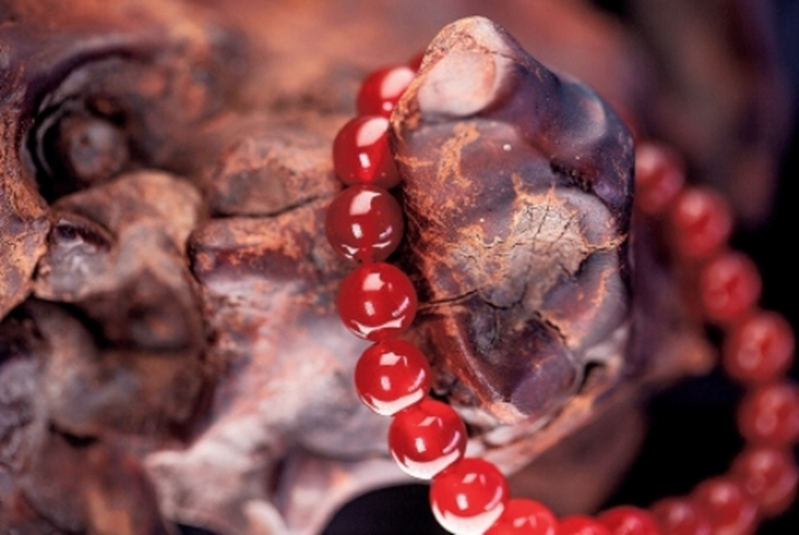
- Contemporary Jewelry: Cabochons and beads showcasing distinctive patterns.
- Architectural Elements: Inlaid panels and decorative pieces.
The most exceptional carvings—those where artists harmonize their vision with the stone’s natural patterns—can achieve museum-quality status and significant value.
Collector Considerations
When selecting agate specimens, enthusiasts should evaluate:
- Pattern Clarity: Well-defined, contrasting banding increases desirability.
- Color Intensity: Vivid, saturated colors generally command higher values.
- Translucency: Superior specimens allow light transmission through multiple layers.
- Natural Integrity: Unaltered, naturally polished surfaces often surpass heavily processed stones.
- Artistic Potential: Stones with suggestive patterns inspire superior carvings.
From geological wonder to artistic medium, agate’s enduring appeal lies in its perfect balance of scientific fascination and aesthetic beauty—a stone that simultaneously showcases Earth’s creative processes and human artistic interpretation. Explore more natural gemstones in our online store.
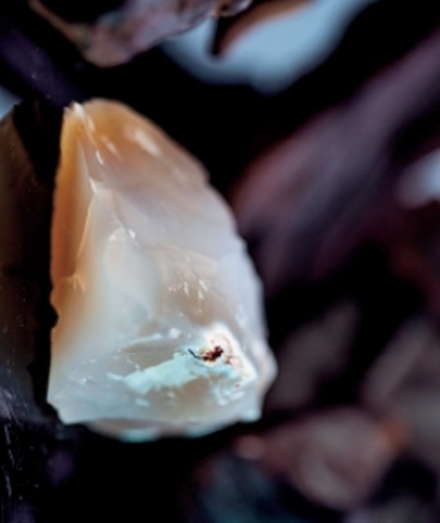
瑪瑙:大自然迷人的條紋二氧化矽畫布
礦物檔案
化學式:SiO₂(二氧化矽)
莫氏硬度:7
透明度:半透明
比重:2.61-2.65 g/cm³
折射率:1.54-1.55
斷口:貝殼狀
結構:隱晶質
構造:同心環狀結構
瑪瑙代表了大自然最具藝術性的地質創造之一——一種微晶質石英形式,富矽溶液在數千年間緩慢沉積在岩石空腔內,創造出迷人的條紋圖案。每層獨特的礦物雜質產生獨特的顏色和複雜的設計,將原本簡單的二氧化矽轉變為大自然無限變化的畫布。
形成過程
瑪瑙通過顯著的地質過程起源:
- 溶液滲透:富矽流體滲入火山岩空腔和氣泡。
- 層沉積:礦物在數千年間以同心層沉澱。
- 顏色變化:鐵、錳、鉻和其他微量元素創造多樣色調。
- 固化:逐漸脫水將凝膠狀材料轉變為固體結晶石英。
這種緩慢、有節奏的沉積創造了特徵性的條紋,使每個瑪瑙標本獨特美麗。
歷史和文化意義
縱觀歷史,瑪瑙既服務於實用目的,也服務於象徵目的。古代文明相信瑪瑙具有保護特性,而文藝復興時期的工匠將瑪瑙切片轉變為精緻的浮雕和凹雕。在中國文化中,瑪瑙幾個世紀以來一直被珍視,特別是類似風景畫或自然場景的條紋品種。
雨花石
中國收藏家特別珍視「雨花石」——經過河流運輸打磨光滑的瑪瑙卵石,濕潤時顯示複雜圖案。這些來自長江流域的自然翻滾標本顯示微型景觀、抽象設計,有時類似傳統中國繪畫,使其成為高度追捧的收藏品。
藝術應用
大師雕刻師重視瑪瑙的可加工性和視覺潛力。當熟練雕刻時,高品質瑪瑙轉變為:
- 具象雕塑:利用自然顏色變化增強藝術表現。
- 功能性物品:碗、杯和裝飾物品,突出石頭的半透明度。
- 當代珠寶:凸圓形和珠子,展示獨特圖案。
- 建築元素:鑲嵌板和裝飾件。
最卓越的雕刻——藝術家將他們的視野與石頭自然圖案和諧結合的作品——可以達到博物館級別地位和顯著價值。
收藏家考慮因素
選擇瑪瑙標本時,愛好者應評估:
- 圖案清晰度:明確、對比鮮明的條紋增加吸引力。
- 顏色強度:鮮豔、飽和的顏色通常要求更高的價值。
- 半透明度:優越的標本允許光透過多層。
- 自然完整性:未改變、自然拋光的表面通常超過深度處理的石頭。
- 藝術潛力:具有暗示性圖案的石頭激發卓越雕刻。
從地質奇觀到藝術媒介,瑪瑙的持久吸引力在於其科學迷戀和美學美麗的完美平衡——一種同時展示地球創造過程和人類藝術詮釋的石頭。
Read More
Explore more about natural gemstones and Chinese antiques in our blog.
FAQ
What is the difference between agate and jadeite?
Agate is a form of microcrystalline quartz with banded patterns, while jadeite is a pyroxene mineral valued for its intense green color and toughness. Both are used in jewelry and carvings, but jadeite is rarer and generally more valuable.
How can I tell if an agate is natural or treated?
Natural agate often shows subtle color transitions and may have tiny imperfections. Treated agates are frequently dyed to enhance color; a magnifying glass may reveal dye concentrations in cracks or bands. When in doubt, consult a gemologist.
Is agate suitable for everyday wear?
Yes, with a Mohs hardness of 7, agate is durable for most jewelry, but avoid harsh impacts or chemicals. Clean with mild soap and water to maintain its luster.