Pearl: Nature’s Organic Gemstone of Legend and Lore
I. Physical and Chemical Properties
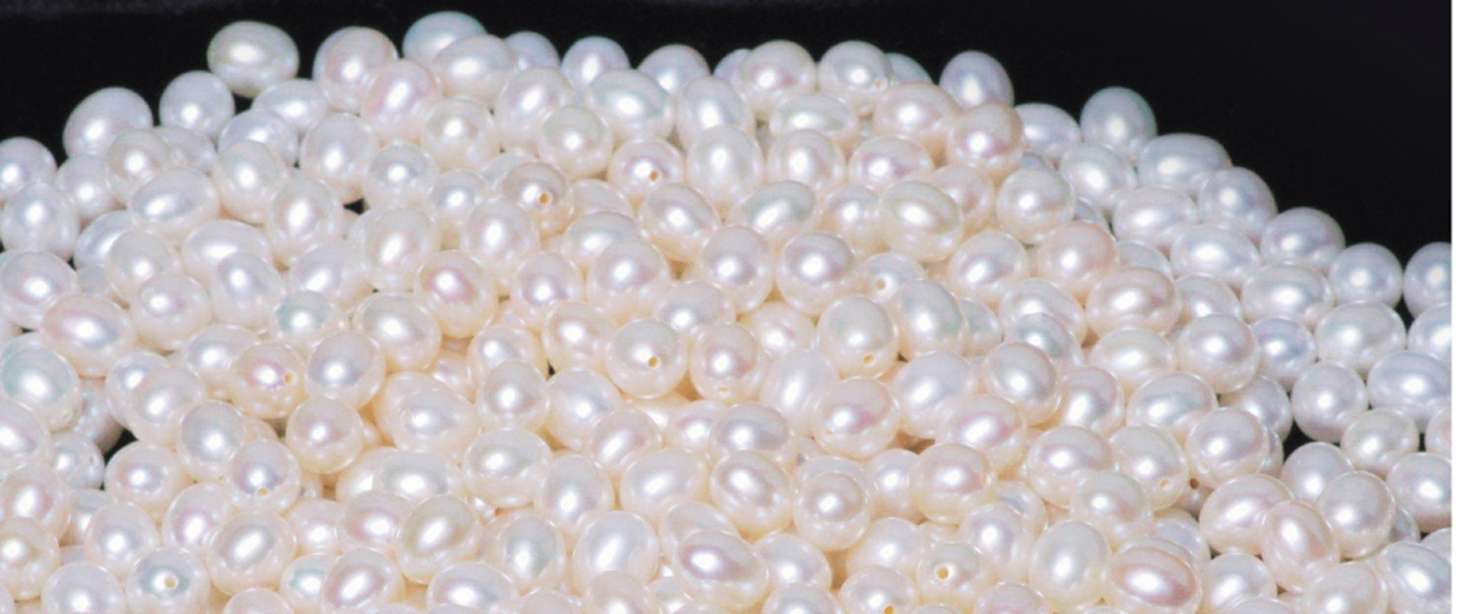
Pearls are among nature’s most exquisite organic gemstones, created through a remarkable biological process. Their composition reveals a sophisticated balance of inorganic minerals and organic proteins:
Chemical Composition:
- Inorganic components (91-96%): Primarily calcium carbonate (CaCO₃) as aragonite crystals
- Organic matrix (2.5-7%): Conchiolin protein containing aspartic acid, threonine, serine, and other essential amino acids
- Water content (0.25-2%): Bound within the crystalline structure
Physical Characteristics:
- Mohs Hardness: 2.5-4.5 (softer than most gemstones)
- Specific Gravity:
- Natural seawater pearls: 2.68-2.74
- Cultured seawater pearls: 2.65-2.76
- Freshwater pearls: 2.65-2.78
- Refractive Index: 1.532-1.685
- Transparency: Translucent to opaque
Pearls display characteristic concentric growth layers visible under magnification, with their iridescence (orient) resulting from light diffraction through overlapping aragonite platelets.
Chemical Sensitivity:
Pearls require careful maintenance as they:
- Dissolve in acids (releasing CO₂)
- Deteriorate in alkaline environments
- Lose luster when exposed to cosmetics or perspiration
- Experience structural damage from heat and acetone exposure
II. Legendary Pearls in History
The Sui Marquis Pearl (隋侯之珠)
Recorded in the Huainanzi, this legend tells of a nobleman who healed an injured snake and later received a luminous pearl as gratitude—a pearl that glowed with moonlight brilliance, illuminating entire rooms. This story established pearls as symbols of compassion’s rewards in Chinese culture.
The Thigh-Concealed Pearl (割股藏珠)
From Hepu’s pearl-diving communities comes a Ming Dynasty tale of a magical luminous pearl that repeatedly returned to its coastal home despite imperial attempts to transport it inland. The desperate “thigh-concealment” method and the pearl’s eventual escape reinforced beliefs about pearls’ mystical connections to their marine origins.
III. Historical Health Associations
From Qin Shi Huang’s quest for immortality pearls to Empress Dowager Cixi’s documented use of pearl powder for skincare, Chinese history reveals enduring beliefs in pearls’ health benefits. Tang Dynasty records describe precious pearl-infused elixirs, while Ming texts detail cosmetic applications for skin rejuvenation.
IV. World-Famous Pearl Specimens
The Pearl of Allah (老子珠)
Discovered in 1934 in the Philippines, this 6.35 kg pearl remains the largest known natural specimen. Formed in a giant clam that tragically drowned a diver, its baroque shape and mammoth size (241×139 mm) make it a geological wonder currently valued at over $40 million.
The Pearl of Asia (亚洲之珠)
This 121 g pearl traveled from 17th-century Persian royalty to Qianlong Emperor’s collection, was buried as grave goods, stolen during the Boxer Rebellion, and mysteriously reappeared in 20th-century Hong Kong—its current whereabouts unknown since 1993.
The Hope Pearl (希望之珠)
Weighing 117.10 g, this pear-shaped pearl’s journey from London banking families to possible WWII disappearance exemplifies how legendary pearls acquire value through both physical properties and historical narratives.
V. Practical Authentication Methods
1. Tactile Examination
Natural pearls feel cool to the touch; imitations often feel warm or plastic-like.
2. Tooth Test
Genuine pearls feel slightly gritty when rubbed against teeth; smooth surfaces indicate imitation.
3. Visual Inspection
Natural pearls show subtle color variations and slight imperfections; perfect uniformity suggests artificial origin.
4. Magnification
40x magnification reveals characteristic “thumbprint” patterns of overlapping aragonite layers in natural pearls.
5. Thermal Conductivity
Natural pearls maintain temperature longer than glass or plastic imitations.
6. Ultraviolet Response
Many natural pearls exhibit faint blue fluorescence under UV light.
VI. Common Misconceptions Clarified
1. “Only White Pearls Have Value”
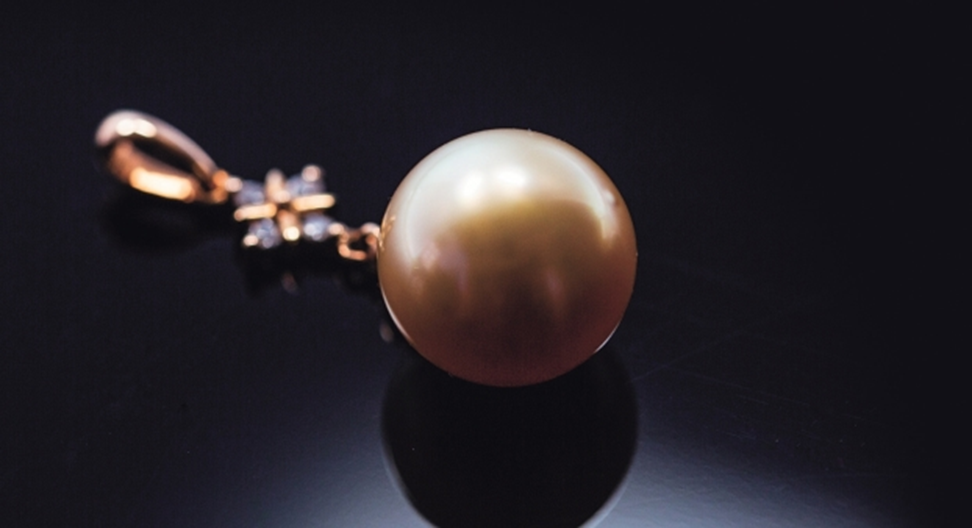
Natural pearls occur in silver, cream, gold, pink, green, and black hues—with rare natural colors often commanding premiums.
2. “Saltwater Pearls Always Outvalue Freshwater”
Quality determines value: premium freshwater pearls regularly surpass mediocre saltwater specimens.
3. “Cultured Pearls Are Fake”
Cultured pearls form through identical biological processes as natural pearls, differing only in nucleation initiation.
4. “Larger Always Means Better”
While size influences value, luster, surface quality, shape, and color contribute equally to overall worth.
5. “Pearls Never Wear Down”
With hardness below 5, pearls require careful wear and storage to prevent scratching and degradation.
6. “Roundness Indicates Saltwater Origin”
Both freshwater and saltwater pearls produce spherical specimens; shape alone cannot determine origin.
From biological wonder to cultural icon, pearls embody nature’s ability to transform irritation into iridescence—a process that continues captivating collectors through its perfect synthesis of natural science, human history, and timeless beauty. For those interested in exploring other natural treasures, check out our jadeite jewelry collection or our Chinese antiques for more unique pieces.
珍珠:傳說與傳奇的天然有機寶石
一、物理和化學特性
珍珠代表了大自然最精緻的有機寶石,通過非凡的生物過程形成。它們的成分揭示了無機礦物和有機蛋白質的複雜平衡:
化學成分:
- 無機成分(91-96%):主要是碳酸鈣(CaCO₃)作為文石晶體
- 有機基質(2.5-7%):貝殼素蛋白,含有天冬氨酸、蘇氨酸、絲氨酸和其他必需氨基酸
- 水分含量(0.25-2%):結合在晶體結構內
物理特徵:
- 莫氏硬度:2.5-4.5(比大多數寶石軟)
- 比重:
- 天然海水珍珠:2.68-2.74
- 養殖海水珍珠:2.65-2.76
- 淡水珍珠:2.65-2.78
- 折射率:1.532-1.685
- 透明度:半透明至不透明
珍珠在放大下顯示特徵性的同心生長層,其彩虹光澤(珍珠光澤)由光通過重疊的文石片晶衍射產生。
化學敏感性:
珍珠需要小心維護,因為它們:
- 在酸中溶解(釋放CO₂)
- 在鹼性環境中劣化
- 暴露於化妝品或汗液時失去光澤
- 經歷來自熱和丙酮暴露的結構損壞
二、歷史上的傳奇珍珠
隋侯之珠
記錄在《淮南子》中,這個傳說講述了一位貴族治癒了一條受傷的蛇,後來收到一顆發光的珍珠作為感激——一顆發出月光般光芒、照亮整個房間的珍珠。這個故事確立了珍珠作為中國文化中同情回報的象徵。
割股藏珠
來自合浦珍珠潛水社區的明代傳說,講述了一顆神奇的發光珍珠,儘管皇室嘗試將其運輸到內陸,但仍重複返回其海岸家園。絕望的「大腿隱藏」方法和珍珠最終的逃脫強化了關於珍珠與其海洋起源神秘聯繫的信念。
三、歷史健康關聯
從秦始皇對長生不老珍珠的追求到慈禧太后記錄的使用珍珠粉進行皮膚護理,中國歷史揭示了對珍珠健康益處的持久信念。唐代記錄描述了珍貴的珍珠注入長生不老藥,而明代文獻詳細說明了用於皮膚再生的化妝品應用。
四、世界著名珍珠標本
老子珠(真主之珠)
1934年在菲律賓發現,這顆6.35公斤的珍珠仍然是已知最大的天然樣本。在一隻悲劇性地淹死潛水員的巨型蛤中形成,其巴洛克形狀和巨大尺寸(241×139毫米)使其成為地質奇觀,目前價值超過4000萬美元。
亚洲之珠
這顆121克珍珠從17世紀波斯皇室流傳到乾隆皇帝的收藏,被埋葬為陪葬品,在義和團運動期間被盜,並神秘地在20世紀香港重新出現——自1993年以來其當前下落不明。
希望之珠
重117.10克,這顆梨形珍珠從倫敦銀行家族到可能的二戰消失的旅程例證了傳奇珍珠如何通過物理特性和歷史敘事獲得價值。
五、實用鑑定方法
1. 觸覺檢查
天然珍珠觸感涼爽;仿製品通常感覺溫暖或像塑料。
2. 牙齒測試
真正的珍珠在牙齒上摩擦時感覺略有砂礫感;光滑表面表示仿製。
3. 視覺檢查
天然珍珠顯示微妙的顏色變化和輕微瑕疵;完美均勻性暗示人工來源。
4. 放大
40倍放大顯示天然珍珠中重疊文石層的特徵「指紋」圖案。
5. 導熱性
天然珍珠保持溫度的時間比玻璃或塑料仿製品長。
6. 紫外線響應
許多天然珍珠在紫外線下顯示微弱的藍色熒光。
六、常見誤解澄清
1.「只有白色珍珠有價值」
天然珍珠出現在銀色、奶油色、金色、粉色、綠色和黑色色調中——稀有天然顏色通常要求溢價。
2.「海水珍珠總是超越淡水價值」
質量決定價值:優質淡水珍珠定期超越平庸的海水樣本。
3.「養殖珍珠是假的」
養殖珍珠通過與天然珍珠相同的生物過程形成,僅在成核起始上不同。
4.「更大總是意味著更好」
雖然尺寸影響價值,但光澤、表面質量、形狀和顏色同等貢獻於整體價值。
5.「珍珠從不磨損」
硬度低於5,珍珠需要小心佩戴和存放以防止劃傷和退化。
6.「圓度表示海水來源」
淡水和海水珍珠都產生球形樣本;形狀單獨不能確定來源。
從生物奇觀到文化標誌,珍珠體現了大自然將刺激轉變為彩虹光澤的能力——一個通過其自然科學、人類歷史和永恆美麗的完美合成繼續迷醉收藏家的過程。若您對其他天然珍寶感興趣,歡迎瀏覽我們的翡翠首飾系列或中國古董。
FAQ
How can I tell if a pearl is natural or cultured?
Natural pearls form without human intervention, while cultured pearls are initiated by inserting a nucleus. Both are genuine pearls, but natural ones are rarer and more valuable. Authentication often requires X-ray examination by a gemologist to determine the internal structure.
Are freshwater pearls as valuable as saltwater pearls?
Value depends on quality factors like luster, surface, shape, and color, not just origin. High-quality freshwater pearls can rival or exceed mediocre saltwater ones. However, large, round, lustrous saltwater pearls like Akoya or South Sea are typically more prized due to their rarity.
How should I care for my pearl jewelry?
Wear pearls regularly to keep them hydrated, but avoid contact with cosmetics, perfume, and sweat. After wearing, wipe with a soft cloth and store separately in a soft pouch or lined box. Never use ultrasonic cleaners or harsh chemicals, and have them re-strung annually if worn often.