An Artful Vessel: The Evolution of the Chinese Incense Burner
The art of appreciating and collecting incense is a profoundly refined pursuit. The act of burning incense offers a moment of complete relaxation and mindfulness. Yet, this experience depends not only on the quality of the incense materials but also on the vessel that holds them. A perfect incense burner is an essential counterpart, elevating the ritual from mere scent to a multisensory aesthetic journey.
品香與藏香,是一門極為風雅的學問。焚香之舉,能帶來全然的放鬆與靜心。然而,此番體驗不僅取決於香材的優劣,亦在於承載香料的器具。一件完美的香爐是必不可少的搭檔,能將這項儀式從單純的嗅覺感受,提升為一場多感官的美學之旅。
Speaking of incense burners, one must first understand the diverse materials used in their creation: bronze, gold, silver, bamboo, wood, cloisonné (琺瑯), jade, and porcelain, among others. Master craftsmen dedicated immense care not only to selecting these raw materials but also to the vessels’ aesthetic design, making many burners extraordinary works of art in their own right.
談及香爐,首先須了解其製作所用的多樣材料:青銅、金、銀、竹、木、琺瑯、玉、瓷等等。能工巧匠們不僅在選材上煞費苦心,更傾注心血於其外觀設計,使得許多香爐本身便是非凡的藝術作品。
The culture of the incense burner in China is ancient and rich with profound cultural significance. Over millennia of development and innovation, it has continuously integrated the aesthetic demands of successive eras, reflecting the spirit of its time.
香爐文化在中國源遠流長,蘊含深厚的文化底蘊。歷經千年的發展與創新,它不斷融合各個時代的審美需求,映照出時代精神。
Origins: A Mist-Shrouded Beginning
When exactly did the incense burner originate? Historical records offer no clear account, and theories abound. However, once adopted, those who used them became captivated.
起源:迷霧中的開端
香爐究竟起源於何時?史料並無明確記載,眾說紛紜。然而,一經採用,使用者無不為之傾心。
Zhao Xihao, in his Dongtian Qinglu Ji, notes: “In antiquity, people communicated with deities using mugwort (xiao’ai) without burning incense, hence there were no incense burners. What we now call incense burners are all adapted from ancient ancestral temple sacrificial vessels.” He suggests the form truly began with the Boshan (博山) burner of the Han Dynasty.
趙希鵠在《洞天清祿集》中寫道:「古以蕭艾達神明而不焚香,故無香爐。今所謂香爐,皆以古人宗廟祭器為之。」他認為其形制實則始於漢代的博山爐。
The evolution of incense burner culture was inevitably influenced by dynastic changes. Each era developed its own distinctive forms, features, and functions. Let us journey through the characteristics of burners from seven pivotal dynasties: Han, Jin, Tang, Song, Yuan, Ming, and Qing.
香爐文化的演變無可避免地受到朝代更迭的影響。每個時代都發展出其獨特的器型、特點與功能。讓我們一同走覽漢、晉、唐、宋、元、明、清七個關鍵朝代的香爐特色。
01 Han Dynasty – The Boshan (博山) Burner
Prior to the Han Dynasty, most incense burners lacked lids, leading to issues with excessive, uncontrollable smoke. The Boshan burner was created to address this need. Its design significantly improved the user’s comfort by better managing the smoke, and it quickly gained popularity among both the aristocracy and common people.
01 漢代 – 博山爐
漢代以前,多數香爐無蓋,導致煙霧過大、難以控制的問題。博山爐應此需求而生。其設計通過更好地控制煙霧,顯著改善了使用者的舒適度,迅速在貴族與民間風行。
Image: Chen Qiaosheng, Gilt Bronze Inlaid Boshan Burner.
圖片:陳巧生 錯金博山爐
Typically made of bronze or ceramic, the Han Boshan burner’s body resembles a dou (豆, stemmed vessel). Its defining feature is a heavily layered lid depicting towering, mythical mountains (the legendary Isles of the Blest, including Boshan) populated with birds and beasts. This intricate design gave the burner its name. The craftsmanship was exquisite, with historical texts praising artisans who carved fantastic creatures amidst the mountainous landscapes.
漢代博山爐通常為青銅或陶瓷製,爐體形似豆。其標誌性特徵是多層的山形蓋,描繪層巒疊嶂、棲息著珍禽異獸的神山(傳說中的海上仙山,包括博山)。這精巧的設計賦予了其名稱。其工藝極為精湛,史料稱讚匠人能在重巒疊嶂間雕刻奇珍異獸。
The Boshan burner was more complex than three- or five-legged censers and incorporated a specific functional principle: a lower basin held water to humidify and carry the fragrance,象征 (xiangzheng, symbolizing) the sea surrounding the immortal mountains. Scholars and literati adored it not only for the ethereal smoke it produced but also for its rich and unique form.
博山爐比三足或五足熏爐更為複雜,並包含特定的功能原理:下部的承盤盛水以潤澤並攜帶香氣,象徵環繞仙山的海洋。文人雅士珍愛它,不僅因其產生的縹緲煙霧,也因其豐富獨特的造型。
02 Tang Dynasty – Metal Incense Burners
By the Tang Dynasty, forms had evolved noticeably from those of the Han. The Boshan lid, for instance, often transformed into a domed, round top, contributing to an overall impression of opulent grandeur.
02 唐代 – 金屬香爐
至唐代,器型已明顯有別於漢代。例如,博山爐蓋常變為穹窿式圓頂,整體呈現雍容華貴的氣象。
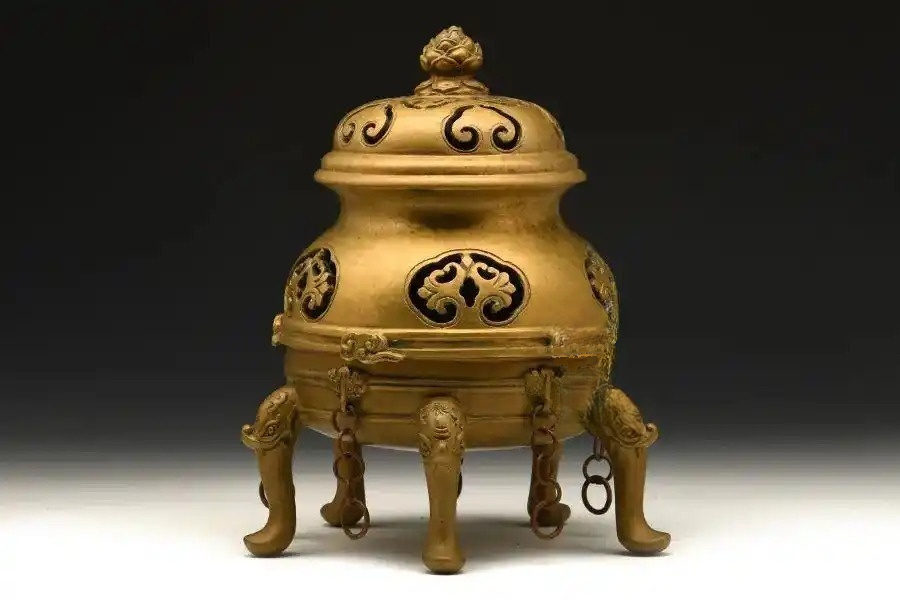
Lid decorations became more varied, featuring openwork carvings of floral motifs and auspicious beasts. The base also changed, often resting on multiple feet or three legs, with fewer retaining the lower basin. These comprehensive changes were closely tied to Tang culture.
爐蓋裝飾更為多變,出現鏤空雕刻的花草紋飾與瑞獸。爐底亦生變化,常為多足或三足,少數保留承盤。這些全面的改變與唐代文化密不可分。
The prosperous Tang era favored sumptuous, status-reflecting forms. A key characteristic was the prevalent use of金属 (jinshu, metals)—primarily silver, gold-plated silver, bronze, and gilt bronze, with silver or gilt-silver being most common. This development was closely linked to the flourishing of Buddhism; metal burners were frequently used in Buddhist rituals and worship.
繁盛的唐代崇尚華麗、彰顯地位的器型。一個關鍵特點是金屬的廣泛使用——主要是銀、鎏金銀、銅與鎏金銅,其中銀或鎏金銀最為常見。此發展與佛教的興盛密切相關;金屬香爐常用於佛事與禮拜。
03 Song Dynasty – Animal-Form Burners
Following the Tang’s extravagance, the Song Dynasty saw incense burners become common objects of appreciation and contemplation for scholars and officials, their sacred aura somewhat diminished.
03 宋代 – 動物造型香爐
繼唐代的奢華之風後,宋代香爐成為士大夫文人雅士欣賞把玩的常器,其神聖莊嚴的氣息有所減弱。
Song creators emphasized lived experience, favoring素雅 (suya, subdued elegance)、内敛 (neilian, restraint), and playful charm. Animal-form burners became beloved, featuring auspicious creatures like qilin, ducks, suanni (mythical lions), and most memorably, lions.
宋代的創作者強調生活體驗,偏愛素雅、內斂與生活情趣。動物造型香爐廣受喜愛,以麒麟、鳧鴨、狻猊等瑞獸為形,其中最令人印象深刻的是獅子造型。
*Image: Li Song Tang, *Suanni* Beast Censer.*
圖片:儷松堂 瑞獸狻猊熏爐
The term “金猊” (jinni), mentioned in poetry, refers to gilded lion-shaped burners. The renowned poetess Li Qingzhao also expressed her fondness for these “golden beast” burners in her verse.
詩詞中提及的「金猊」,便指鎏金的獅形香爐。著名詞人李清照亦在其詞作中表達了對這類「金獸」爐的喜愛。
04 Ming Dynasty – The Xuande (宣德) Censer
Among Ming Dynasty burners, the Xuande censer stands supreme, revered by later generations.
04 明代 – 宣德爐
明代眾多香爐中,宣德爐堪稱魁首,為後世所仰慕。
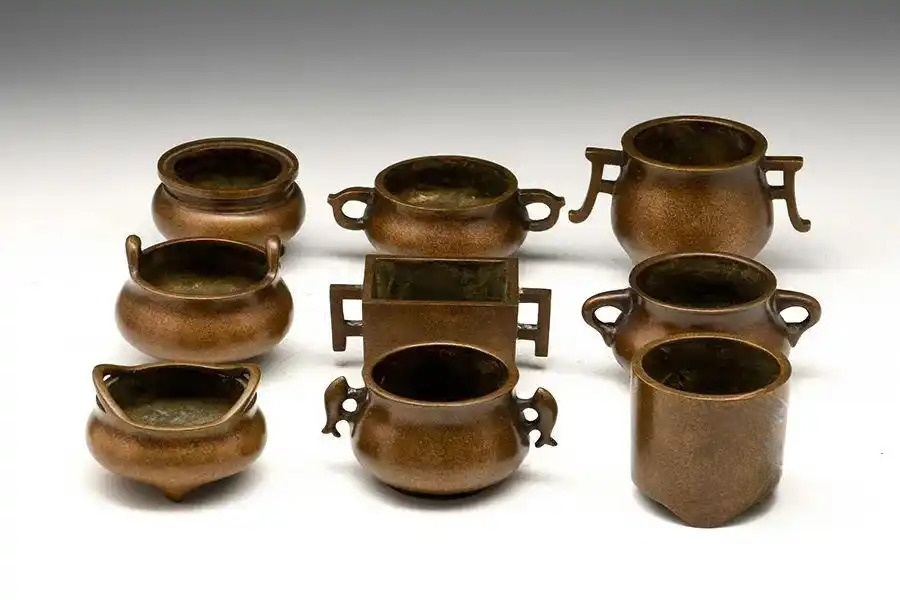
The Xuande censer was commissioned by the Xuande Emperor (Zhu Zhanji) in 1428. A connoisseur influenced by bronze culture, he found contemporary censers lacking and resolved to create a masterpiece.
宣德爐由明宣宗朱瞻基於宣德三年(1428年)下旨鑄造。這位受銅器文化影響的鑑賞家,認為當世銅爐無可玩賞之經典,遂決心創造傑作。
He selected high-grade “風磨銅” (fengmo tong) as the base material, infused with gold and silver. Extraordinarily, the copper was refined an unprecedented twelve times,接近純銅 (jiejie chuntong, approaching pure copper). The shapes were meticulously researched, drawing from classical catalogs and Song/Yuan porcelain forms.
他選用優質「風磨銅」為基料,摻入金銀。極不尋常的是,銅料被精煉達十二次之多,幾近純銅。器型經過精心考究,參考古典圖錄與宋元名窯瓷器形制。
The result was a censer of radiant beauty,其色内融 (qi se nei rong, its color glowing from within). Historical records note over forty forms with rich patinas and varied shapes. As the Ming connoisseur Xiang Yuanbian remarked, “The marvel of the Xuande censer lies in its jewel-like color, glowing within, presenting an air of serene profundity.”
成品爐光華內蘊,其色內融。史料記載其有四十餘種器型,皮色豐富,造型多變。正如明代鑑賞家項元汴所言:「宣爐之妙,在寶色內涵珠光,外現澹澹穆穆。」
05 Qing Dynasty – Porcelain Incense Burners
Building upon the legacy of the Xuande censer, the Qing Dynasty forged a new path with porcelain. Emphasizing filial piety, rituals and ancestral worship flourished, especially under the Qianlong Emperor.
05 清代 – 瓷器香爐
承襲宣德爐的輝煌,清代另闢蹊徑,以瓷器開創新局。強調孝道,祭祀之風盛行,尤其在乾隆朝達到頂峰。
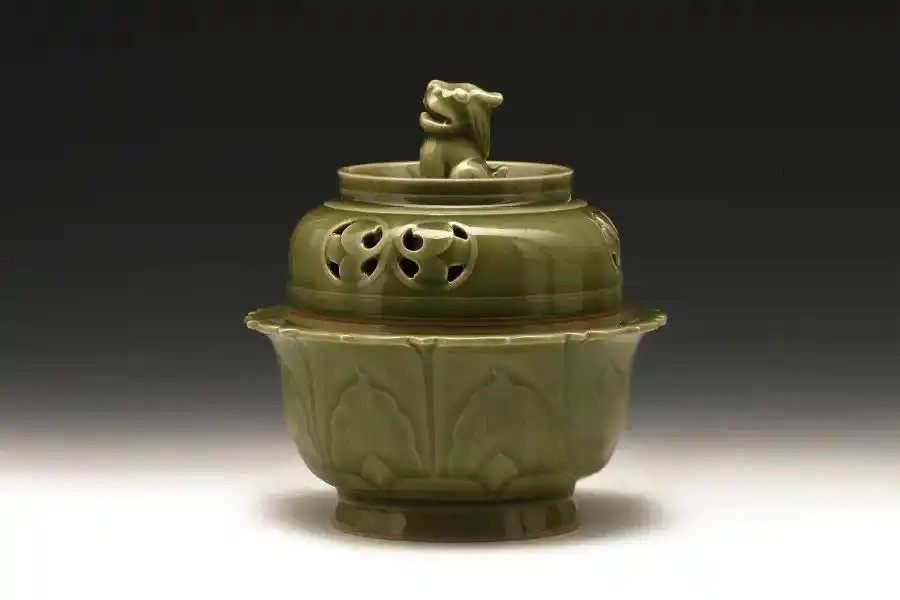
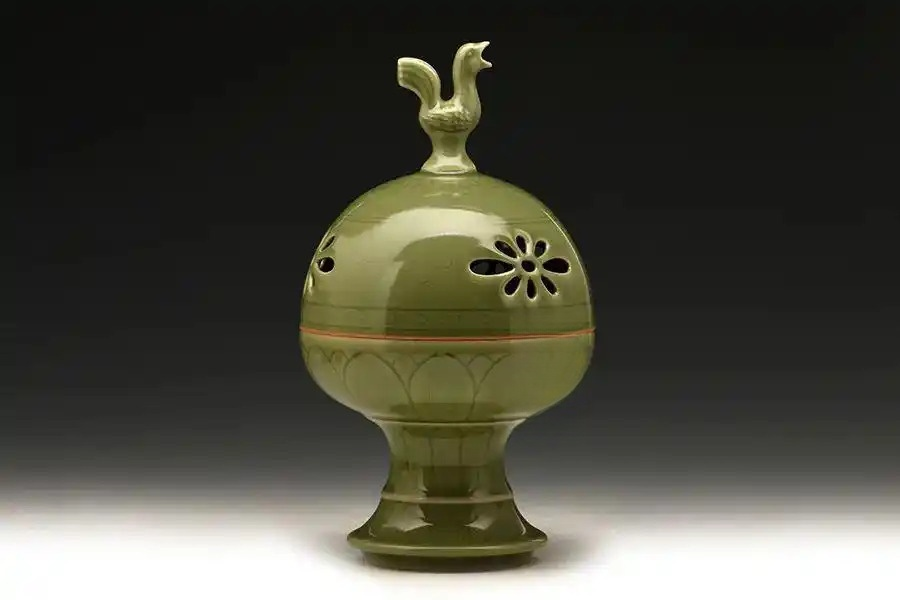
The Qing aesthetic for porcelain burners was distinct. A Qianlong period bean-green glazed tripod censer, for instance, exhibits fine texture, moist glaze, and elegant, noble proportions. Imperial pieces bore reign marks like “大清乾隆年製”. Jade burners, though rare, were also produced, some so thin as to be translucent.
清代對瓷香爐的審美獨具一格。例如,一件乾隆時期的豆青釉三足爐,質地細密,釉色瑩潤肥膩,器型俊秀高雅。宮廷器物常署「大清乾隆年製」等年款。亦有玉製香爐,雖罕見,其質薄者可透光。
The prevalence of each incense burner style reflects specific historical and cultural values, offering a glimpse into its era. Understanding and using these vessels thus becomes a means of cultivating one’s cultural refinement, finding tranquility, and nourishing virtue.
每一種香爐風格的盛行,都折射出特定的歷史文化價值,為我們提供一窺其時代的窗口。因此,了解並使用這些器物,便成為一種修身養性、靜心培德的方式。
Read More
- Buying Guides (111)
- Collectors' Academy (192)
- Care Academy (8)
- Investment Academy (25)
- Jade Crafting Techniques (29)
- Michelle Au: The Gemstone Luminary (11)
- The Precious Metals & Jewels Compendium (54)