Introduction
Jadeite rings are not just beautiful accessories; they are investments and often carry deep cultural and sentimental value. Unlike diamonds or sapphires, jadeite is a relatively soft gemstone (6.5–7 on the Mohs scale) and can be chipped, scratched, or cracked if worn carelessly. Many owners unknowingly damage their rings through simple daily habits—like wearing them while washing dishes or knocking them against hard surfaces. In this guide, you’ll learn how to wear jadeite rings safely, how to choose protective settings, and how to maintain your ring so it remains a lasting heirloom.
Whether you’re new to jadeite or a seasoned collector, understanding the physical properties of jadeite and the best practices for daily wear will help you avoid costly repairs. We’ll cover everything from proper sizing to the importance of removing your ring during certain activities. By the end, you’ll know exactly how to keep your jadeite ring safe and beautiful for years to come.
Background / Key Concepts
What Makes Jadeite Delicate?
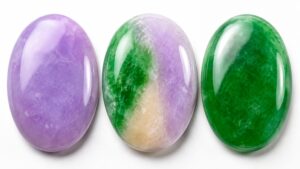
Jadeite is a natural stone that scores between 6.5 and 7 on the Mohs hardness scale, which is softer than quartz (7) and much softer than corundum (9) or diamond (10). This means that while jadeite is durable enough for everyday jewelry, it can be scratched by harder materials like metal, sand, or even some dust particles. Additionally, jadeite has a fibrous, interlocking crystal structure that gives it toughness, but it can still crack if struck sharply. According to jade care experts, natural Grade A jadeite is untreated and retains its original structure, making it especially valuable—and worth protecting.
Types of Jadeite Rings
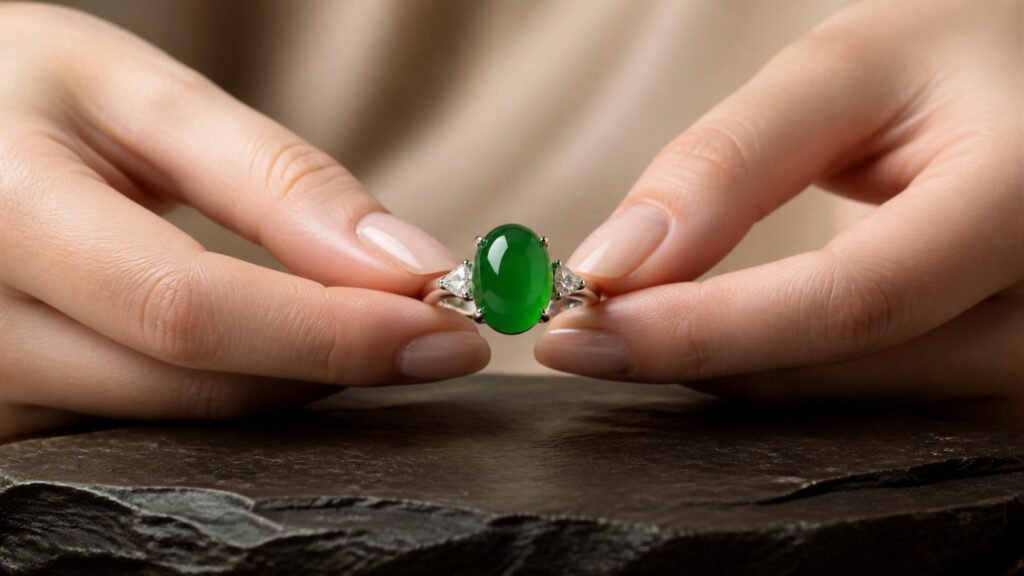
Jadeite rings come in two main styles: those with a jadeite cabochon set into a metal mounting, and those carved entirely from a single piece of jadeite, such as saddle rings or bangle-style rings. The way you wear and protect each type differs. For example, a cabochon ring often has a protective metal bezel that can shield the stone, while a carved jadeite band may be more exposed. Jewelry guides note that the setting plays a key role in protecting the stone, so choose a setting that suits your lifestyle.
The Main Body
Proper Fit: The First Line of Defense
A ring that is too loose can spin on your finger, causing the stone to knock against objects. A ring that is too tight can put pressure on the setting and even cause the metal to bend, which may loosen the jadeite. The ideal fit is snug enough to stay in place but comfortable enough to slide over your knuckle without force. If you’re unsure about your size, consult a jadeite ring size chart to measure accurately. Remember that your finger size can change with temperature and time of day, so measure at the end of the day when your fingers are slightly larger.
Choose a Protective Setting
When buying a jadeite ring, consider the setting’s ability to shield the stone. A bezel setting—where the metal wraps around the entire gemstone—offers the most protection because it covers the edges and reduces the risk of chips. Prong settings are beautiful but expose the stone’s corners, making them more vulnerable. For daily wear, a bezel or a half-bezel is a safer choice. As daily wear guides explain, a hand-carved jadeite band is worn differently from a gemstone set into a metal mounting, so understand the specific care needs of your ring style.
When to Remove Your Ring
The most common cause of damage to jadeite rings is impact during everyday activities. Remove your ring before doing any manual work, such as gardening, exercising, lifting weights, or cleaning. Even simple tasks like washing dishes can expose your ring to harsh chemicals and accidental knocks against pots and pans. Also, remove your ring before swimming or showering, as soaps and chlorine can dull the stone’s luster and weaken the metal setting over time.
Protect from Chemicals and Extreme Temperatures
Jadeite is porous to some degree, and exposure to chemicals like perfumes, lotions, and household cleaners can cause discoloration or damage to the stone’s surface. Always apply cosmetics and fragrances before putting on your ring, and avoid wearing it when using bleach or ammonia-based products. Extreme temperature changes can also cause thermal shock, leading to cracks. Avoid wearing your jadeite ring in saunas, hot tubs, or while cooking over high heat.
Proper Storage When Not Wearing
When you’re not wearing your jadeite ring, store it separately from other jewelry to prevent scratches. Use a soft cloth pouch or a lined jewelry box with individual compartments. Never pile jadeite rings together with metal jewelry, as the metal can scratch the stone. If you have multiple jadeite pieces, store them apart to avoid them knocking against each other.
Practical Tips
- Have your ring professionally inspected every 6–12 months to check for loose prongs or a worn bezel.
- Clean your jadeite ring gently with lukewarm water and a soft cloth. Avoid ultrasonic cleaners, which can damage the stone.
- Apply hand lotion and perfume before putting on your ring, and wait for them to dry.
- Remove your ring before sleeping to prevent accidental knocks or catching it on bedding.
- If you notice any chips or cracks, stop wearing the ring immediately and consult a professional jeweler for repair.
Common Mistakes to Avoid
- Wearing your jadeite ring while swimming or doing dishes—chlorine and soap can damage the stone.
- Using harsh chemical cleaners or ultrasonic jewelry cleaners on your jadeite.
- Storing your ring loosely in a drawer or purse where it can rub against other items.
- Ignoring a wobbly setting—a loose stone is more likely to chip or fall out.
- Exposing your ring to extreme heat or cold, such as leaving it in a hot car or wearing it in a sauna.
Conclusion / Key Takeaways
Wearing a jadeite ring is a joy, but it comes with responsibility. By choosing a protective setting, ensuring a proper fit, and being mindful of when you wear it, you can prevent most damage. Remember to remove your ring during physical activities and chemical exposure, and store it safely when not in use. With these practices, your jadeite ring will remain a beautiful, treasured piece for generations.
For more guidance on jadeite care, explore our daily jadeite care tips and learn about the value of different jadeite qualities. If you’re in the market for a new ring, browse our collection of jadeite rings to find a piece that suits your style and lifestyle.
FAQ
Can I wear my jadeite ring every day?
Yes, you can wear a jadeite ring daily if you choose a protective setting and follow safety habits, such as removing it during physical work, cleaning, or swimming. A bezel setting offers more protection than prongs.
How do I clean my jadeite ring safely?
Clean your jadeite ring with lukewarm water and a soft, lint-free cloth. Avoid ultrasonic cleaners and harsh chemicals like bleach or ammonia, which can damage the stone.
What should I do if my jadeite ring gets chipped?
If your jadeite ring chips, stop wearing it immediately to prevent further damage. Take it to a professional jeweler who specializes in jadeite to assess if it can be repaired or re-polished.
Is it okay to sleep with my jadeite ring on?
It’s not recommended to sleep with your jadeite ring. During sleep, you may accidentally knock it against the bed frame or nightstand, which can cause chips or cracks.