Beyond the Stone: Story-Driven Marketing and Sales Insights for Jadeite
超越寶石:從故事中學習翡翠的行銷與銷售真知
Marketing Jadeite, or Feicui, transcends mere transactions. It involves guiding customers through a landscape rich with cultural significance, personal belief, and emotional value. Success requires acting as a knowledgeable consultant, understanding deep-seated traditions, and navigating the complexities of perceived value in a sometimes opaque market.
翡翠的行銷超越單純的買賣。它涉及引導顧客穿越一個充滿文化意義、個人信念和情感價值的豐富領域。成功需要扮演知識淵博的顧問角色,理解根深蒂固的傳統,並在一個有時不透明的市場中,駕馭複雜的感知價值。
Understanding the Customer’s Worldview
When advising customers, acknowledging cultural contexts is key. A common saying, “Men wear Guanyin, women wear Buddha” (男戴观音女戴佛), guides many choices. Furthermore, some buyers, particularly those with Buddhist beliefs, may wish to have their jade blessed in a temple (开光) or seek other rituals to imbue it with spiritual protection. While skeptics may view this as superstition, for the customer, it represents a meaningful spiritual practice and a connection to tradition. Respecting this as a form of emotional sustenance is a crucial aspect of consultation.
Many invest in high-quality jade not for immediate adornment but as a legacy—a tangible heirloom to pass down through generations. Each natural jadeite piece is geologically unique, making it an irreplaceable witness to time and a store of commemorative value. Given the current market’s price variability and issues with misrepresentation, guiding customers toward reputable, established dealers is an essential part of building trust. Ultimately, a core principle in jade sales is that true appreciation breeds desire, and profound desire often unlocks willingness to invest.
理解顧客的世界觀
為顧客提供建議時,理解文化背景至關重要。「男戴觀音女戴佛」的俗諺引導著許多人的選擇。此外,一些買家,特別是有佛教信仰的人,可能希望為他們的翡翠在寺廟「開光」或尋求其他儀式,以賦予其靈性保護。儘管懷疑論者可能視此為迷信,但對顧客而言,這代表一種有意義的精神實踐與傳統的連結。尊重這種情感寄託,是諮詢中關鍵的一環。
許多人投資高品質翡翠並非為了立即佩戴,而是作為傳家寶——一件可以代代相傳的有形資產。每件天然翡翠在地質上都是獨一無二的,這使其成為時間無可替代的見證,並蘊藏紀念價值。鑒於當前市場價格多變及可能存在以次充好的問題,引導顧客選擇信譽良好的正規商家,是建立信任的重要部分。最終,翡翠銷售的一個核心原則是:真正的欣賞會催生渴望,而深刻的渴望往往會帶來投資的意願。
The Art of Jade Appreciation and Its Universal Appeal
Appreciating jade is considered a refined pursuit. Selling it requires adaptable skill. Jade is steeped in folklore, and in Chinese culture, a deep appreciation for it is often associated with the connoisseur: a person of broad knowledge, worldly experience, and artistic sensibility. It is believed that such an individual can discern the subtle charm (情趣) within the stone, reflecting virtues like integrity, generosity, wisdom, humility, and intelligence—embodying the depth of Eastern philosophy.
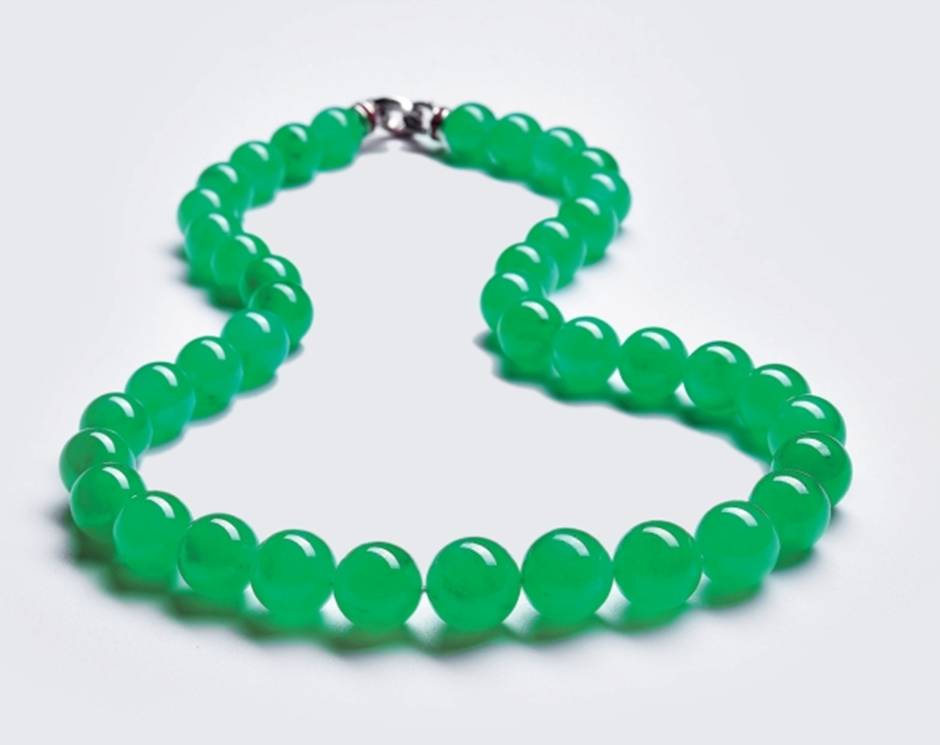
Jade’s appeal is remarkably universal. A fine piece complements anyone, regardless of ethnicity, attire, or complexion, often becoming an object of admiration. Its value can be astounding, as seen in auction records from Hong Kong, where elite pieces command prices in the millions. This underscores its status as both wearable art and a significant store of value.
玉器鑑賞的藝術及其普世吸引力
欣賞玉器被視為一種高雅的追求。銷售玉器需要靈活的技巧。玉器蘊含豐富的民間傳說,在中國文化中,對玉的深刻欣賞常與鑑賞家聯繫在一起:他們學識淵博、閱歷豐富、具有藝術品味。人們相信,這樣的人能夠辨識玉石內在的微妙韻味(情趣),反映出正直、寬厚、智慧、謙遜等美德——體現了東方哲學的深度。
翡翠的吸引力具有顯著的普世性。一件優美的玉飾能襯托任何人,不論種族、衣著或膚色,常成為讚嘆的對象。其價值可能令人震驚,從香港的拍賣紀錄可見,頂級作品的價格高達數百萬。這鞏固了其作為可佩戴藝術品和重要價值儲存手段的地位。
A Note on Origins and Quality Assessment
A common misconception is that Yunnan province is a primary source of jadeite. This stems from history: the important jade trade area of Tengchong was once under Yunnan’s administration. Lore tells of a 13th-century Yunnan trader who accidentally discovered a colorful stone used as counterweight, which turned out to be jade. However, virtually all high-quality jadeite today is mined in Myanmar.
In the trade, a crucial adage is “Experts look at the zhong (texture/clarity), amateurs look at the color” (内行看种,外行看色). Zhong refers to the fineness of the crystalline structure and transparency—the foundational markers of quality that seasoned buyers prioritize over vivid color alone. Effective sales communication should educate customers on appreciating zhong first.
關於產地與品質評估的註記
一個常見的誤解是雲南省是翡翠的主要產地。這源於歷史:重要的翡翠貿易區騰衝曾屬雲南管轄。傳說講述一位13世紀的雲南商人意外發現了一塊用作配重、色彩鮮豔的石頭,結果竟是翡翠。然而,如今幾乎所有高品質翡翠都開採於緬甸。
業內有一句關鍵的俗語:「內行看種,外行看色」。這裡的「種」指的是晶體結構的細膩度和透明度——這是資深買家優先於單純鮮豔顏色的品質基礎標誌。有效的銷售溝通應首先教育顧客學會欣賞「種」。
Market Dynamics: Quality Dictates Value
Recent market trends show a clear divergence. Lower-quality jade, abundant in nature, has seen stagnant or decreasing prices. Meanwhile, demand for fine-quality jade has surged with rising prosperity, but supply is constrained by geological scarcity and mining challenges. This has led to exponential price increases for top-tier pieces. For instance, a high-grade jade bangle that sold for a few thousand RMB in the 1980s could fetch millions in Hong Kong auctions by the 1990s, highlighting the tremendous appreciation potential of quality jade.
市場動態:品質決定價值
近期市場趨勢顯示出明顯的分化。自然界中儲量豐富的低品質翡翠,價格停滯或下跌。與此同時,隨著繁榮度提升,對優質翡翠的需求激增,但供給受到地質稀缺性和開採難度的限制。這導致頂級翡翠的價格呈指數級增長。例如,一隻在1980年代售價數千元人民幣的高檔翡翠手鐲,到1990年代在香港拍賣會上可能價值數百萬,突顯了優質翡翠巨大的增值潛力。
Case Studies from the Front Lines of Jade Sales
The following real-world anecdotes offer invaluable lessons in customer psychology, service, and operational pitfalls.
來自翡翠銷售一線的案例研究
以下真實世界的軼事,提供了關於顧客心理、服務和營運陷阱的寶貴教訓。
Case 1: Never Judge a Customer by Appearance
An unassuming couple, dressed in work clothes covered in dust, entered a jewelry store. Dismissed by staff who assumed they weren’t serious buyers, they asked to see the most expensive jade bangle. After skepticism and negotiation, they purchased it at a significant price. Lesson: Assumptions based on appearance can cost a sale and offend a valuable customer. Respect and attentiveness should be universal.
案例一:切勿以貌取人
一對衣著樸素、滿身塵土、看似工人的夫婦走進一家珠寶店。店員以為他們不是認真買家而態度輕慢,他們卻要求看最貴的翡翠手鐲。經過一番懷疑與議價,他們以可觀的價格買下了它。教訓: 以貌取人的假設可能讓你損失一筆交易,並得罪一位有價值的顧客。尊重與專注應適用於所有人。
Case 2: The Protective Bangle – Belief Drives Purchase
A young graduate student decided to buy an expensive jade bangle after a harrowing event. A close friend’s jade bangle broke on the morning of a planned trip, leading the friend to cancel. The student stayed back with her. The others who went on the trip were tragically killed in an accident. Attributing her survival to the broken bangle’s “warning,” she sought her own piece for protection and planned to have it blessed. Lesson: Personal narratives and beliefs about jade’s protective or auspicious properties are powerful motivators that transcend logical valuation.
案例二:具有保護作用的手鐲——信念驅動購買
一位年輕研究生在一次可怕事件後決定購買一隻昂貴的翡翠手鐲。一位密友的翡翠手鐲在計畫出遊的早晨斷裂,導致朋友取消了行程。該學生留下陪伴她。其他出行者不幸在事故中喪生。她將自己的倖存歸因於斷裂手鐲的「警告」,於是尋求自己的翡翠作為保護,並計劃為其開光。教訓: 關於翡翠保護性或吉祥屬性的個人敘事與信念,是超越邏輯估值的強大購買動機。
Case 3 & 5: The “Ailing” Customer – Placebo or Pattern?
These cases involve customers experiencing unexplained ailments (persistent diarrhea, headaches) after a jade bangle was removed or broken. Seeking relief, they purchased new bangles. While sellers offered rational explanations (psychological attachment, acupressure on the “手三里”穴 point), the customers’ belief in a tangible connection between the jade and their well-being was the driving force. Lesson: In the realm of personal adornment, perceived benefits—whether cultural, spiritual, or even “medically” anecdotal—are real value propositions for the customer. A seller’s role is to listen, not necessarily to debunk.
案例三與五:身體不適的顧客——安慰劑效應還是某種關聯?
這些案例涉及顧客在翡翠手鐲被取下或斷裂後,出現無法解釋的不適(持續腹瀉、頭痛)。為了尋求解脫,他們購買了新的手鐲。雖然賣家提供了理性的解釋(心理依賴、對「手三里」穴位的按摩作用),但顧客相信翡翠與其健康之間存在有形連結的信念,才是驅動力。教訓: 在個人飾品領域,感知到的好處——無論是文化上的、精神上的,甚至是「醫學上」的軼事——對顧客而言都是真實的價值主張。賣家的角色是傾聽,而不一定是去揭穿。
Case 4: A String of Misfortunes
A customer attributed a series of recent accidents and mishaps to the loss of his jade “Guanyin” pendant. To restore balance and safety, he urgently sought to replace it, also buying a Buddha pendant for his wife. Lesson: Jade is often seen as a personal talisman. Its loss or damage can create genuine anxiety. Responding with empathy and helping the customer find a suitable replacement fulfills a deep psychological and cultural need for security and auspiciousness.
案例四:一連串的不幸
一位顧客將最近發生的一連串事故和不幸歸因於丟失了他的翡翠「觀音」掛件。為了恢復平衡與安全,他急切地尋求替換,並為妻子購買了一件佛公掛件。教訓: 翡翠常被視為個人護身符。它的丟失或損壞可能造成真實的焦慮。以同理心回應,並幫助顧客找到合適的替代品,能滿足其對安全和吉祥深層的心理與文化需求。
Case 6, 9 & 10: The Perils of Pricing and Communication
- Case 6: A friend expected a steep “friends and family” discount. When the owner gave the same fair, transparent price the staff had quoted, the friend felt betrayed, assuming hidden margins existed. The deal failed. Lesson: Transparent, consistent pricing builds long-term trust, but the market norm of high initial quotes with large discounts can create expectations that are hard to manage. Sales staff need clear guidelines on pricing authority and discount ranges.
- Case 9: A salesman quoted a price higher than the tagged price, causing immediate anger and distrust. Lesson: Inattention to detail and poor product knowledge erode credibility instantly. Accurate information is fundamental.
- Case 10: A clerical error (missing a zero on a tag) led to a high-value ring being sold for a tenth of its price. Recovery attempts failed. Lesson: Robust price verification processes are critical, especially for high-value items. Staff must have sufficient training to recognize significant value discrepancies.
案例六、九與十:定價與溝通的風險
- 案例六: 一位朋友期望獲得大幅的「親友」折扣。當老闆給出與員工報價相同、公平透明的價格時,朋友感覺被背叛了,認為存在隱藏利潤空間。交易失敗。教訓: 透明、一致的定價能建立長期信任,但市場上先高報價再大幅折扣的慣例,可能造成難以管理的預期。銷售人員需要關於定價權限和折扣範圍的清晰指引。
- 案例九: 一名銷售員報出的價格高於標籤價,導致顧客立即憤怒和不信任。教訓: 對細節的疏忽和糟糕的產品知識會立即侵蝕信譽。準確的信息是基礎。
- 案例十: 文書錯誤(標籤上少寫一個零)導致一件高價值戒指以十分之一的價格售出,且無法追回。教訓: 嚴格的價格核對流程至關重要,尤其是對高價值物品。員工必須接受充分培訓,能夠識別重大的價值差異。
Case 7: The Cost of “Helpful” Service
An employee, trying to help a customer attach a new clasp to her own jade pendant, accidentally damaged it. The small service fee of $5 turned into a $1800 compensation claim. Lesson: Know the limits of service. If a task carries high risk (like handling a customer’s fragile personal item), it is often wiser to politely decline or recommend a specialized professional. “No” can be a risk-management tool.
案例七:「幫忙」服務的代價
一名員工試圖幫助顧客為她自己的翡翠掛件安裝新扣頭時,意外損壞了它。5美元的微薄服務費變成了1800美元的賠償要求。教訓: 了解服務的界限。如果一項任務風險很高(例如處理顧客易碎的個人物品),禮貌地拒絕或推薦專業人士通常是更明智的選擇。「不」可以是一種風險管理工具。
Case 8: The Ultimate Price of Disrespect
An impatient salesperson doubted a customer’s ability to afford a $13,000 bangle, saying, “Can you even afford it?” Publicly humiliated and enraged, the customer proved his purchasing power by buying the bangle on the spot—and then smashing it to pieces in front of everyone to make a point about disrespect. Lesson: Arrogance and judgment have no place in sales. The immediate loss of a high-value item is a tangible cost, but the long-term damage to brand reputation from such an incident is incalculable. Basic respect is non-negotiable.
案例八:不尊重的終極代價
一名不耐煩的銷售員質疑顧客負擔13,000美元手鐲的能力,說道:「你買得起嗎?」感到當眾羞辱和暴怒的顧客,當場買下手鐲以證明其購買力——然後在眾人面前將其摔得粉碎,以此回應受到的輕蔑。教訓: 傲慢與偏見在銷售中沒有立足之地。高價值物品的即時損失是有形成本,但此類事件對品牌聲譽的長期損害是無法估量的。基本的尊重不容妥協。
Conclusion: Marketing Jade is About Marketing Trust
These cases underscore that selling jade is as much about managing intangible perceptions as it is about the physical stone. Success hinges on:
- Cultural & Emotional Intelligence: Understanding the symbolic and personal significance jade holds.
- Unwavering Integrity: Providing honest assessments, transparent pricing, and ethical sourcing.
- Operational Excellence: Meticulous attention to detail in pricing, labeling, and inventory.
- Profound Respect: Treating every customer with dignity, regardless of appearance or initial impression.
- Strategic Communication: Educating customers on quality (zhong over mere color) while listening to their personal stories and beliefs.
In the end, the most effective marketing for jade is the trust built between a knowledgeable, respectful seller and a customer seeking beauty, meaning, and a connection to tradition.
結論:行銷翡翠就是行銷信任
這些案例強調,銷售翡翠既關乎管理無形的感知,也關乎實體的寶石。成功取決於:
- 文化與情感智慧: 理解翡翠所承載的象徵意義和個人意義。
- 堅定不移的誠信: 提供誠實的評估、透明的定價和道德的來源。
- 卓越的營運: 在定價、標籤和庫存上對細節一絲不苟。
- 深刻的尊重: 尊重對待每一位顧客,不論其外表或最初印象。
- 策略性溝通: 教育顧客認識品質(「種」重於單純的「色」),同時傾聽他們的個人故事和信念。
歸根結底,對翡翠最有效的行銷,是建立在知識淵博、尊重他人的賣家與尋求美感、意義和傳統連結的顧客之間的信任。