Gilded Glory: A Journey into the Gold and Silver Jewelry of the Tang Dynasty
金縷盛世:探尋唐代金銀首飾的華美之旅
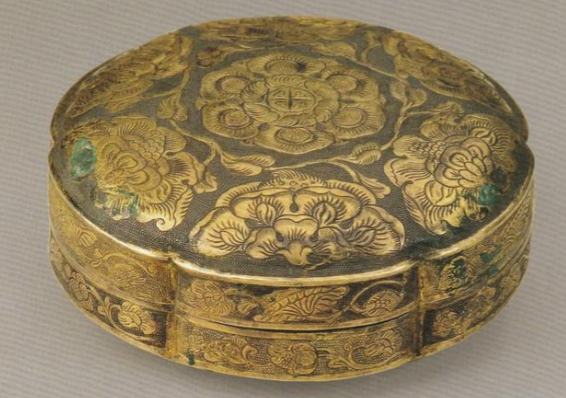
The gold and silver jewelry of the Tang Dynasty (618-907 AD) possesses a unique and opulent气质 (qizhi, aura). Its intricate beauty is not merely decorative; it is a tangible reflection of the era’s historical, cultural, and spatial dynamics, mirroring the flourishing and cosmopolitan social ethos of its time. The artistic language of Tang jewelry shares both commonalities and distinct differences with contemporary design. Yet, what is undeniable is the profound, often subtle, influence this millennium-old tradition has exerted on modern jewelry design—in its techniques, materials, forms, and the very philosophy of creation.
唐代金銀首飾呈現出的華麗繁複的氣質,其背後所包含的歷史、文化、空間與時間價值,與唐朝繁華開放的社會風氣相互映襯。唐代金銀首飾藝術與當代首飾設計之間,既有共性,亦有個性。但不可否認的是,唐代金銀首飾藝術風格的千年傳承與發展,在工藝、材料、造型、創作思想等方面,對當代首飾設計產生了潛移默化的深遠影響。
Part I: Deconstructing the Aesthetic of Tang Gold and Silver Jewelry
一、唐代金銀首飾藝術風格解析
1. Forms and Structures: A Vocabulary of Opulence
1. 樣式結構:華麗的造型語彙
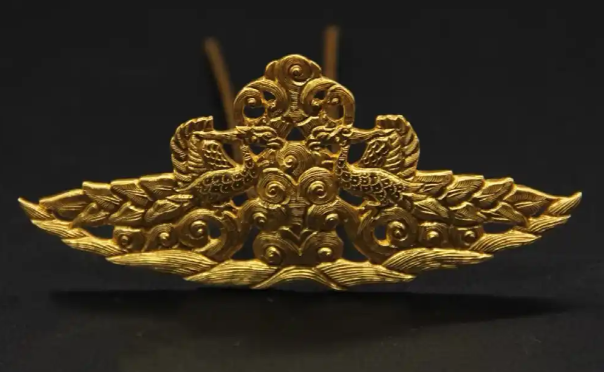
The Tang Dynasty was a golden age for the art of gold and silver jewelry. Archaeological finds reveal a remarkable diversity in the types and styles of adornments worn during this period. The Tang people had a profound appreciation for elaborate hairstyles, favoring high chignons that demanded a rich array of decorative implements. These gold and silver ornaments served both a practical function (securing the hair) and a decorative one, collectively contributing to an aesthetic of resplendent grandeur.
唐代是金銀首飾藝術繁盛發展的時期。從出土文物的樣式來看,唐代金銀首飾的種類和樣式極為豐富。唐人注重美髮,喜梳高髻,因此髮式造型及其裝飾品繁多。金銀首飾既具有實用功能,也具備裝飾功能,總體上表現出富麗堂皇的風格。
The literary giant Bai Juyi, in his immortal poem “The Song of Everlasting Sorrow” (Changhen Ge), vividly captures this opulence: “Flower-shaped hairpins fell to the ground, no one gathered them up / Turquoise-and-gold hairpins, jade hairpins.” In this single line, he references two types of gold and silver ornaments—the huadian (花钿, a floral hairpiece) and the jinque (金雀, a gold sparrow-shaped hairpin). Such poetic depictions of lavish jewelry are countless in Tang literature. The primary categories of Tang gold and silver jewelry include:
白居易在《長恨歌》中寫道:「花鈿委地無人收,翠翹金雀玉搔頭。」僅這一句中寫到的金銀首飾就有花鈿、金雀釵兩種。這樣描繪金銀首飾華貴風格的詩句,在唐代數不勝數。唐代金銀首飾主要的樣式分類有:
- Hairpins (簪 Zan / 钗 Chai): The zan was typically a single-pronged pin, while the chai was a two-pronged forked hairpin, often more decorative.
- Floral Hairpieces (花钿 Huadian): Ornaments, often made of thin gold or silver, that were affixed to the hair or forehead.
- Dangling Hairpins (步摇 Buyao): Hairpins with dangling ornaments that would sway with the wearer’s步摇步摇 (buyao, steps), hence the name “step-sway.”
- Combs (梳篦 Shubi): Ornate combs, often made with a precious material for the teeth and a decorated back, worn in the hair.
- Crowns (冠 Guan): Elaborate headpieces for women of the highest status.
簪、釵: 簪通常為單股的髮針,釵則為雙股的髮叉,後者通常更具裝飾性。
- 花鈿: 多用薄金或銀片製成,貼綴於鬢髮或額間作為裝飾。
- 步搖: 帶有懸墜裝飾的髮簪,行步則搖動,故名「步搖」。
- 梳篦: 裝飾華麗的梳子,常以珍貴材料製成梳齒,並有裝飾精美的梳背,插於髮間。
- 冠: 最高等級女性所佩戴的華麗頭冠。
2. Motifs and Patterns: A Reflection of a Changing World
2. 紋樣特徵:世風變遷的鏡像
The decorative repertoire of Tang gold and silver jewelry is exceptionally rich. Alongside traditional themes of animals, birds, mythical beasts, human figures, and geometric patterns, a new dominant force emerged: floral and avian motifs. Flowers, birds, and intertwined vines became the主流 (zhuliu, mainstream) of Tang decorative arts. This shift in ornamentation was not merely an aesthetic choice; it reflected a deeper transformation in contemporary social concepts and the very审美 (shenmei, aesthetic ideals) of the Tang people.
唐代金銀首飾的裝飾題材極為豐富。除了傳統的動物鳥獸、人物、幾何等題材之外,花鳥植物紋樣形成了唐代裝飾紋樣的主流。紋樣的變化不僅反映了裝飾意義的改變,同時也折射出當時社會觀念與唐人審美思想的深刻變遷。
The exquisite craftsmanship and the精美 (jingmei, refined beauty) of the motifs are both manifestations of a flourishing society. They are the共同作用 (gongtong zuoyong, combined result) of the Tang people’s dynamic spirit and their material wealth. The overall aesthetic was one of inclusion and openness, reflecting the cosmopolitan Tang culture. Notably, the animal and plant motifs trended towards realism, but在此基础上 (zai ci jichu shang, on this basis), artisans often engaged in abstract reinterpretation, imbuing the patterns with rich symbolic meanings.
精良的工藝和精美的紋飾特徵,都是唐朝社會繁盛之下的風格體現,是唐人精神風貌與物質財富的共同作用,展現了包容開放的唐代文化。總體來說,唐代金銀首飾藝術中的動植物紋樣寫實居多,並在此基礎上對紋樣進行抽象化的再創作,賦予其象徵意義。
3. Craftsmanship: The Art of Shaping Metal
3. 工藝特點:塑造金屬的技藝
The history of metalworking in China is long and distinguished, characterized by exquisite skill and a vast array of techniques. According to the Tang Liu Dian (唐六典, The Six Statutes of the Tang Dynasty), as cited in the Ming dynasty, there were fourteen distinct methods for working with gold in the Tang era. These included销金 (xiao jin), 拍金 (pai jin), 镀金 (du jin – gilding), 织金 (zhi jin – weaving with gold thread), 镂金 (lou jin – openwork carving), 嵌金 (qian jin – inlaying), and 裹金 (guo jin – wrapping), among others. Unfortunately, the precise details of many of these techniques have been lost to time, and some of the terms are no longer used today.
中國古代金銀器加工的歷史悠久,技藝精湛,工藝種類繁多。根據明代引用《唐六典》中的記載,唐代金銀工藝有十四種,即銷金、拍金、鍍金、織金、訝金、披金、泥金、鏤金、捻金、俄金、圈金、貼金、嵌金、裹金。但許多工藝未有詳細記載,到如今其細節已不可考,有些名稱沿革至今也不再使用。
These diverse techniques served different purposes in the artistic expression of Tang jewelry. Some methods enhanced the volumetric presence of the piece, others intensified its color contrast, and yet others helped to刻画 (kehua, delineate) a sense of dynamic, lively form. The overarching aesthetic of Tang metalwork leaned towards emphasizing立体感 (litigan, three-dimensionality) and层次感 (cengcigan, layering). Consequently, a wide variety of techniques were developed specifically for塑造 (suzhao, sculpting) this sense of depth, and the mastery displayed in these methods is truly extraordinary.
多樣的工藝對唐代金銀首飾藝術的表現手法所起的作用是不同的:有的提升器物的體積感,有的增強其色彩對比,有的則能夠幫助刻畫出靈動的形態。總體來說,唐代金銀器物審美偏向於突出器物的立體感和層次感,因此在金銀的加工工藝中,塑造立體感的工藝種類繁多,技藝也極其精湛。
Part II: The Cultural Value of Tang Gold and Silver Jewelry
二、唐代金銀首飾的文化價值
1. The Spirit of Inclusivity: A Cosmopolitan Crucible
1. 海納百川的包容精神
The immense power and prosperity of the Tang Empire attracted a continuous flow of merchants, envoys, and students from all over Asia and beyond, all eager to partake in its glory. They brought with them not only exotic goods but also different dietary habits, styles of dress, and religious beliefs. The Tang rulers, for the most part, adopted an attitude of包容 (baorong, tolerance and inclusion) towards these foreign influences. This environment of intermingling between Han Chinese and various foreign cultures (胡 Hu) had a particularly pronounced impact on clothing and adornment. Adopting Hu-style clothing and using Hu-style utensils became an increasingly popular trend. Within this pervasive cosmopolitan atmosphere, the culture of women’s adornment flourished and evolved further.
唐王朝的強盛吸引著各國的商人、使臣和留學生前赴後繼地來到這裡,帶來了與中原地區迥異的飲食習慣、服飾穿搭、宗教信仰等。對此,唐代統治者們基本採取包容的態度。胡漢雜居的環境對服飾方面的影響尤為顯著,著胡服、用胡器日益成為潮流。在這瀰漫的胡風之中,女子的妝飾文化得到了進一步的發展。
As detailed in Edward Schafer’s The Golden Peaches of Samarkand, the slave trade during the Tang dynasty saw young women from Turkic tribes, Silla (Korea), and other regions transported to China. This trade also facilitated the importation of precious materials like gemstones and ivory. The influence of foreign cultures is unmistakable, both in the加工工艺 (jiagong gongyi, processing techniques) of gold and silver jewelry and in the stylistic表现 (biaoxian, expression) of surviving pieces. Many of the inlaid materials themselves originated from异域 (yiyu, foreign lands).
《撒馬爾罕的金桃》一書中論及唐代的奴隸買賣貿易,將突厥、高麗、新羅的女奴販賣到中原地區,也使得一些珍貴的寶石、象牙等物資流入。從金銀首飾的加工工藝和現存首飾的圖案表現風格中,不難看出外來文化的影響,鑲嵌所用的材料很多也產自異域。
A stunning example is the异形伽陵频伽纹金银钗 (yixing Jialingpinjia wen jin yin chai, a uniquely-shaped gold and silver hairpin with a Kalaviṅka motif), housed in the Shaanxi History Museum. The base pattern of the hairpin features scrolling foliage. At its center is a Kalaviṅka—a mythical creature from Buddhist lore with a human head and a bird’s body—depicted with both hands holding a flower basket, its wings spread wide as if in flight. On the other side are flower leaves and branches. The entire hairpin features流畅 (liuchang, smooth and fluid) lines, and its surface has been crafted with chasing and openwork techniques to create a striking three-dimensional effect.
陝西歷史博物館館藏的一件異形伽陵頻伽紋金銀釵,便是絕佳例證。釵的底紋是卷草紋,人頭鳥身的伽陵頻伽雙手捧著一個花籃,雙翅張開作飛翔狀;另一側是花葉與花枝。整個釵的線條流暢,表面運用鏨刻和鏤空工藝製作出立體效果。
The Kalaviṅka (伽陵频伽 Jialingpinjia) is a divine bird in Buddhism, renowned for its beautiful, melodious voice. As Buddhism spread into China, the Kalaviṅka gradually became a unique religious symbol. Its appearance on women’s gold and silver jewelry in the Tang Dynasty serves as tangible evidence of the profound盛行 (shengxing, prevalence) of Buddhist culture during that era.
伽陵頻伽是佛教中的一種神鳥,因為擁有美妙動聽的聲音,又被稱為「妙音娘子」。在佛教傳入中原的過程中,它逐漸成為一種獨特的宗教符號,其在唐代女子金銀首飾中的出現,印證了當時佛教文化的盛行。
2. The Awakening of Female Self-Awareness
2. 女性自我意識的覺醒
The allure of jewelry has always been a tangible expression of women’s pursuit of external beauty and emotional fulfillment across the ages. Its intimate relationship with the body has led to it being regarded as a deeply personal possession. The wearing of jewelry can enhance a woman’s魅力 (meili, charm) in multiple dimensions, not only adorning her outward appearance but also granting her spiritual joy.
首飾的魅力,是歷代女子追求自身外在美麗與情感滿足的具體表現。它與身體的關係密切,一向被視為私人物品。首飾的佩戴能從多方面展現女性的魅力,在裝飾女性外表的同時,也使她們獲得精神愉悅。
Even though women’s beauty in a patriarchal society was, to some extent, defined by contemporary social and cultural norms, the开放 (kaifang, open) social mores of the Tang Dynasty also contributed to a certain elevation of women’s social status. The Tang Dynasty had a system of female officials (nüguan), which was far more完备 (wanbei, complete and sophisticated) than in previous dynasties. This allowed women to carve out a space for themselves on the political stage, particularly during the reign of Empress Wu Zetian. Furthermore, social regulations concerning women were relatively松弛 (songchi, relaxed), granting普通 (putong, ordinary) women greater freedom in their attire and their activities outside the home.
即使男權社會下,女性的美暗含著當時社會文化的規範,但唐代開放的社會風尚也使女性社會地位得到了一定的提高。唐代有女官制度,且比前朝完備許多,因此女性在政治舞台上能夠佔據一席之地,特別是在武則天時期。此外,社會對女性各方面的規範較為鬆弛,普通女子在穿著打扮和外出活動上更為自由。
Moreover, Tang women imbued their gold and silver jewelry with profound emotion, connecting the art of adornment with their spiritual aspirations. Many of the motifs found on these pieces reflect the hopes and wishes of the people. A beautiful example is the silver-gilt hairpin featuring a lion and a magpie, housed in the Guimet National Museum of Asian Arts in Paris. On it, a雄狮 (xiongshi, male lion) stands proudly opposite a喜鹊 (xique, magpie). The lion, its mouth slightly open and tail curled upwards, steps confidently on a flowering branch. The magpie,活泼灵动 (huopo lingdong, lively and agile), appears ready to take flight. The contrast between the powerful lion and the delicate magpie creates a charmingly dynamic scene.
此外,唐代女性在金銀首飾中寄託了深厚的情感,將金銀首飾藝術與精神追求聯繫起來。許多金銀首飾的紋樣都反映了人們的美好願望。例如,法國吉美國立亞洲藝術博物館館藏的一件銀鎏金獅子花釵,一隻雄獅與一隻喜鵲相對而立。雄獅腳踏花枝,昂首闊步,口微張,尾巴向上翹起,一副意氣風發的樣子;喜鵲則展翅欲飛,活潑靈動。這一雄獅、一喜鵲,一大一小,威武與小巧相互映襯,畫面十分有趣。
The lion, originating from the Western Regions, was deeply loved by the Tang people as an auspicious beast (ruishou). The magpie, with its name xique containing the character for “joy” (xi), symbolizes happiness and good news (xi shang mei shao). This single hairpin not only demonstrates the importance Tang women placed on the decorative quality of their gold and silver jewelry but also embodies their heartfelt wishes for auspiciousness and joy.
獅子由西域傳入中原,是一種深受唐人喜愛的瑞獸;喜鵲又有「喜上眉梢」之意。這一支花釵,既表現出唐代女性對金銀首飾裝飾性的重視,也寄託了她們追求吉祥喜悅的美好願望。
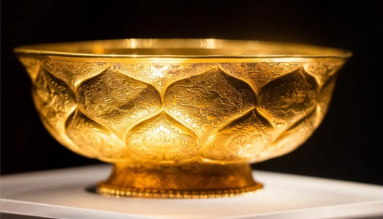
Conclusion: A Brilliant Chapter in History
結語:歷史上的輝煌篇章
The Tang Dynasty, with its vast territories, unprecedented economic prosperity, and开放 (kaifang, open) society, achieved remarkable accomplishments in the realms of economy, politics, and culture. The gold and silver jewelry of this era, with its exquisite craftsmanship and inclusive aesthetic, stands as a brilliant and resplendent chapter in the long and illustrious history of Chinese jewelry. It is more than mere ornamentation; it is a tangible legacy of a golden age, whispering to us across the centuries of a world of gilded glory.
唐代疆域遼闊,經濟社會空前繁榮與開放,在經濟、政治、文化方面取得了空前的成就。唐代金銀首飾,在此時期以其精湛的技藝和開放的審美姿態存在,是中國悠久的金銀首飾發展史上燦爛輝煌的一個章節。它超越了單純的裝飾,是一個黃金時代的具象遺產,穿越千年的時光,向我們低語著那個金縷盛世的傳奇。