Is Your Treasure an “Antique” or “Cultural Relic”? Can You Really Tell the Difference?
In collecting circles, the terms “cultural relic,” “antique,” and “ancient curio” are frequently mentioned, but do you truly understand their distinctions? Today we’ll explore the origins and differences between these three categories.
1. Cultural Relics: Historical Imprints of Civilization
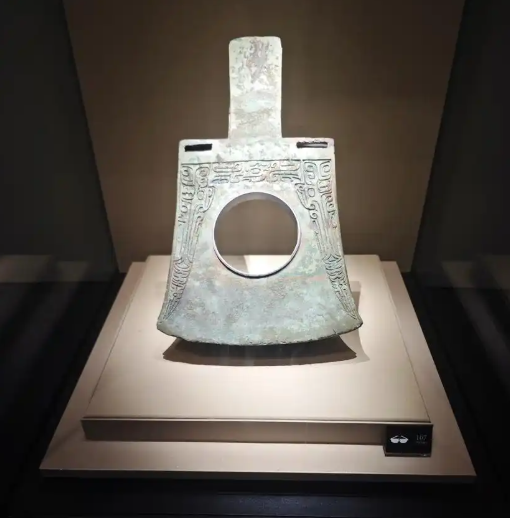
Cultural relics represent encoded cultural messages left by our ancestors – objects that have survived through history bearing significant value. These may include ancient buildings and sites connected to major historical events, artifacts containing artistic significance, or documents that reveal past lifestyles. Examples include:
- Account books and publications documenting revolutionary periods
- Monuments and historical residences engraved with historical narratives
- Ancient tombs, stone carvings, and grottoes preserving ancient wisdom
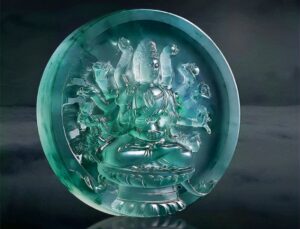
- Exquisite porcelain and jade pieces from various dynasties
- Agricultural tools and furniture reflecting traditional lifestyles
2. Antiques: The Essence of Time-Honored Objects
The term “antique” (gǔdǒng) carries fascinating symbolism – “gǔ” (bone) represents durability through time’s考验, while “dǒng” signifies the expertise required to appreciate its value. Essentially, these are aged objects worthy of appreciation and study. However, it’s crucial to understand that antiques don’t necessarily equal cultural relics – the former represents a broader classification of historical items.
3. Ancient Curios: The Art of Imperial Appreciation
The term “ancient curios” (gǔwán) gained popularity during Emperor Qianlong’s reign, reflecting the emperor’s passion for collecting historical objects. Today, this category encompasses not only classic porcelain and jade but also bronze ware, calligraphy, paintings, classical furniture, bamboo carvings, ivory works, and scholar’s objects – totaling ten major classifications.
Key Differences Between the Three Categories
- Legal Distinctions: Cultural relics enjoy state protection under law – while collectible, their trade faces restrictions. “Antique” serves as a general term covering all historical collectibles with broader scope.
- Timeline Variations: Cultural relics aren’t limited to ancient objects – modern items with cultural significance may qualify. Antiques and ancient curios must originate from earlier historical periods.
- Conceptual Differences: Cultural relics represent “top-tier” objects with historical and cultural importance. Antiques and ancient curios appeal more to private collectors and popular appreciation.
Evolving Collecting Landscape
Recent years have witnessed growing interest in private collecting, with revised Cultural Relics Protection Law relaxing certain restrictions. Items obtained through legitimate channels (family inheritance, authorized dealers, formal auctions) now enjoy legal trading status. The proliferation of antique markets nationwide demonstrates collecting’s evolution into popular hobby.
Essential Knowledge for Collectors
Wondering if your possession qualifies as cultural relic? Remember: unless proven pre-1949 inheritance or purchased from state-approved cultural relics shops, items face trading limitations. If authorities decline your offering for state collection, it likely qualifies as “ancient curio.” Cultural relics resemble historical specimens, while ancient curios represent living treasures circulating among enthusiasts – their very ambiguity captivating collectors, artisans, and appraisers.
Ultimately, collecting ancient curios shouldn’t become obsessive – focus on the “playful” aspect. While expert opinions merit consideration, final judgment rests with you. Consider these objects as “unregistered children” – why insist on “cultural relic” status? Ancient curios know no absolute authenticity, only varying craftsmanship levels. True collecting satisfaction comes from appreciating their inherent charm and stories.
你手中的寶貝究竟是「古董」還是「文物」?你真能分得清嗎?
在收藏圈中,「文物」、「古董」、「古玩」這些術語經常被提及,但您真正了解它們之間的區別嗎?今天我們就來深入探討這三個類別的淵源與差異。
一、文物:文明的歷史印記
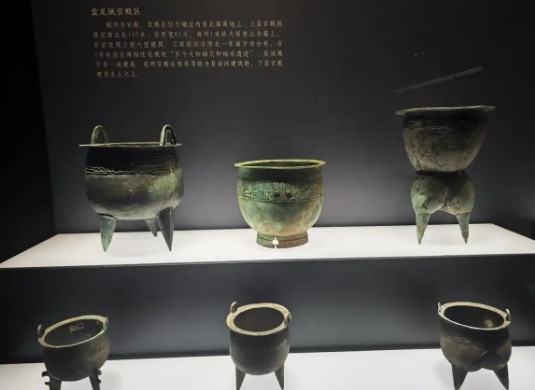
文物代表祖先留下的文化密碼——那些在歷史長河中沉澱下來、具有重要價值的物件。這些可能包括與重大歷史事件相關的古建築遺址、蘊含藝術價值的器物,或能揭示過去生活方式的文獻。例如:
- 記錄革命時期的賬簿與出版物
- 刻畫歷史敘事的紀念碑與古宅
- 保存古人智慧的陵墓、石刻與石窟
- 各朝代精緻的瓷器與玉器
- 反映傳統生活的農具與家具
二、古董:經時間淬煉的物件精髓
「古董」一詞蘊含著深刻象徵意義——「骨」代表經受時間考驗的耐久性,而「董」則意指欣賞其價值所需的專業知識。本質上,這些是值得欣賞與研究的古老物件。然而關鍵在於,古董不一定等同於文物——前者涵蓋更廣泛的歷史物品類別。
三、古玩:帝王鑑賞的藝術
「古玩」一詞在乾隆時期流行起來,反映了皇帝對收藏歷史物件的熱情。如今這個類別不僅包含經典陶瓷與玉器,還涵蓋青銅器、書畫、古典家具、竹雕、牙雕及文房四寶——總計十大分類。
三大類別的關鍵差異
- 法律區別: 文物受國家法律保護——雖然可以收藏,但其交易受到限制。「古董」作為通用術語,涵蓋範圍更廣泛的歷史收藏品。
- 時間範圍: 文物不限於古代物件——具有文化意義的現代物品也可能符合資格。古董與古玩必須源自早期歷史時期。
- 概念差異: 文物代表具有歷史文化重要性的「頂級」物件。古董與古玩更吸引私人收藏家與大眾欣賞。
收藏環境的演變
近年來私人收藏興趣日益增長,修訂後的《文物保護法》放寬了某些限制。通過合法渠道(家族傳承、授權經銷商、正式拍賣)獲得的物品現在享有合法交易地位。全國古玩市場的蓬勃發展證明收藏已演變為大眾愛好。
收藏家必備知識
不確定您的藏品是否屬於文物?請記住:除非能證明是1949年前傳承或從國家認可文物商店購買,否則物品交易將受限。若相關部門拒絕您上交國家的請求,則很可能屬於「古玩」。文物好比歷史標本,而古玩則是在愛好者間流通的活寶藏——正是這種模糊性令收藏家、工匠與鑑定師為之著迷。
最終,收藏古玩不應變得偏執——重點在於「玩賞」的本質。專家意見值得參考,但最終判斷取決於您。不妨將這些物件視為「未登記的孩子」——何必堅持「文物」身份?古玩不存在絕對真偽,只有工藝水平之差異。真正的收藏樂趣來自欣賞其內在魅力與故事。