Obsidian: The Volcanic Glass of Ancient Mysticism and Modern Craftsmanship
Mineral Profile:
Chemical Formula: SiO₂ (Silicon Dioxide)
Crystalline Structure: Non-crystalline (amorphous volcanic glass)
Mohs Hardness: 5
Specific Gravity: 2.35 g/cm³
Transparency: Translucent to opaque
Refractive Index: 1.48-1.51
Luster: Vitreous
Fracture: Conchoidal
I. Geological Formation and Characteristics
Obsidian, often called “volcanic glass,” forms when silica-rich lava flows cool rapidly upon contacting air or water, preventing crystal growth and creating a unique amorphous structure. This rapid quenching—sometimes occurring within hours—produces several distinctive varieties:
Snowflake Obsidian
Contains cristobalite crystal inclusions creating delicate white “snowflake” patterns against the black glass matrix.
Rainbow Obsidian
Displays iridescent sheens caused by microscopic gas bubbles or mineral inclusions that refract light.
Sheen Obsidian
Features golden or silvery reflections from aligned mineral crystals within the glass.
Apache Tears
Small, rounded obsidian nodules that form when volcanic droplets cool in mid-air before landing.
The finest obsidian typically forms at lava flow margins where cooling occurs most rapidly, creating the sharpest conchoidal fractures ideal for tool-making and carving.
II. Historical and Cultural Significance
Ancient Toolmaking
For millennia, obsidian’s conchoidal fracture allowed creation of razor-sharp tools, weapons, and surgical instruments. Ancient civilizations from Mesoamerica to the Mediterranean valued obsidian blades that could achieve edges merely nanometers thick.
Spiritual Traditions
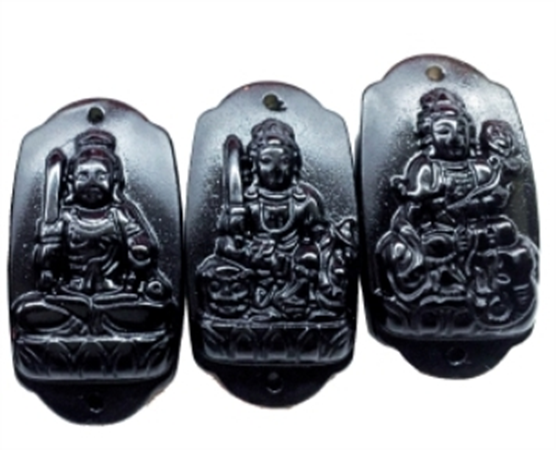
In Buddhist practice, obsidian’s deep black hue symbolizes protection and grounding. Carved into deity figures and ritual objects, it’s believed to absorb negative energies while promoting emotional balance. Traditional Chinese medicine historically used obsidian for its purported cooling properties.
Mexican Mysticism
Aztec and Maya civilizations crafted obsidian into sacred mirrors for divination, ceremonial knives for sacrifices, and deity eyes for temple statues. The legendary “Tezcatlipoca’s Smoking Mirror” was reportedly made of polished obsidian.
III. Authentication Methods
Thermal Conductivity Test
Genuine obsidian feels noticeably cooler than ambient temperature when touched to sensitive skin areas like the upper lip, due to its low thermal conductivity.
Optical Examination
Under strong backlighting, true obsidian reveals:
- Deep brown or amber undertones rather than pure black
- Microscopic gas bubbles and flow patterns
- Possible rainbow sheens or snowflake inclusions
Visual Characteristics
- Conchoidal fracture patterns with sharp edges
- Glass-like transparency in thin sections
- Absence of crystalline structure under magnification
IV. Modern Applications and Collectibility
Contemporary Carving
Modern artisans value obsidian for its:
- Exceptional polishability achieving mirror-like surfaces
- Carving precision allowing intricate details
- Dramatic visual contrast in mixed-media artworks
Metaphysical Market
While scientific evidence remains limited, many appreciate obsidian for its:
- Historical spiritual associations
- Grounding aesthetic qualities
- Symbolic value in meditation practices
Scientific Significance
Geologists study obsidian for insights into:
- Volcanic eruption dynamics
- Ancient trade routes through chemical fingerprinting
- Archaeological dating through hydration layer analysis
From Paleolithic tool to contemporary art medium, obsidian’s journey through human history demonstrates how geological processes create materials that shape both practical technologies and cultural expressions. Its combination of scientific fascination, historical depth, and artistic potential continues to captivate collectors seeking connections to both Earth’s volcanic power and humanity’s creative spirit.
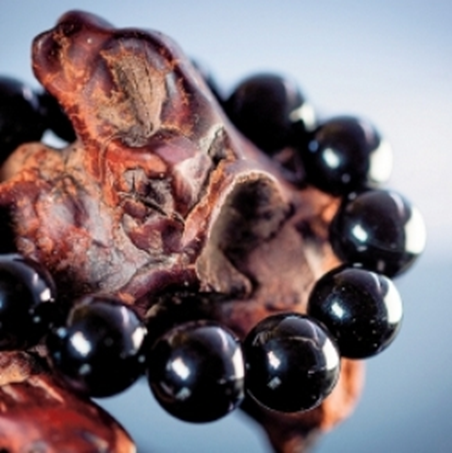
黑曜石:古代神秘主義與現代工藝的火山玻璃
礦物檔案:
化學式:SiO₂(二氧化矽)
結晶結構:非結晶(非晶質火山玻璃)
莫氏硬度:5
比重:2.35 g/cm³
透明度:半透明至不透明
折射率:1.48-1.51
光澤:玻璃光澤
斷口:貝殼狀
一、地質形成與特徵
黑曜石,通常稱為「火山玻璃」,當富矽岩漿流接觸空氣或水時迅速冷卻形成,防止晶體生長並創造獨特的非晶質結構。這種快速淬火——有時在幾小時內發生——產生幾種獨特的品種:
雪花黑曜石
包含方石英晶體內含物,在黑色玻璃基質中創造精緻的白色「雪花」圖案。
彩虹黑曜石
顯示虹彩光澤,由顯微氣泡或礦物內含物折射光引起。
閃光黑曜石
特點是玻璃內對齊的礦物晶體產生金色或銀色反射。
阿帕契之淚
小型圓形黑曜石結核,當火山液滴在落地前在半空中冷卻時形成。
最優質的黑曜石通常在岩漿流邊緣形成,那裡冷卻最快,創造最銳利的貝殼狀斷口,適合工具製作和雕刻。
二、歷史與文化意義
古代工具製作
幾千年來,黑曜石的貝殼狀斷口允許創造鋒利的工具、武器和外科器械。從中美洲到地中海,古代文明珍視黑曜石刀片,可以達到僅納米厚的邊緣。
精神傳統
在佛教實踐中,黑曜石的深黑色調象徵保護和接地。雕刻成神像和儀式物品,被認為可以吸收負能量同時促進情緒平衡。傳統中醫歷史上使用黑曜石因其聲稱的冷卻特性。
墨西哥神秘主義
阿茲特克和瑪雅文明將黑曜石製作成用於占卜的神聖鏡子、用於祭祀的儀式刀和用於寺廟雕像的神像眼睛。傳奇的「特斯卡特利波卡的煙鏡」據說由拋光黑曜石製成。
三、鑑定方法
導熱性測試
真正的黑曜石觸及敏感皮膚區域(如上唇)時感覺明顯比環境溫度涼,因其低導熱性。
光学檢查
在強背光下,真正的黑曜石顯示:
- 深棕色或琥珀底色而非純黑色
- 顯微氣泡和流動圖案
- 可能的彩虹光澤或雪花內含物
視覺特徵
- 帶銳利邊緣的貝殼狀斷口圖案
- 薄片中的玻璃狀透明度
- 放大下無結晶結構
四、現代應用與可收藏性
當代雕刻
現代工匠重視黑曜石因其:
- 卓越的可拋光性達到鏡面表面
- 雕刻精度允許複雜細節
- 混合媒體藝術品中的戲劇性視覺對比
形而上學市場
雖然科學證據仍然有限,許多人欣賞黑曜石因其:
- 歷史精神關聯
- 接地美學品質
- 冥想實踐中的象徵價值
科學意義
地質學家研究黑曜石以洞察:
- 火山噴發動力學
- 通過化學指紋的古代貿易路線
- 通過水合層分析的考古定年
從舊石器時代工具到當代藝術媒介,黑曜石穿越人類歷史的旅程展示了地質過程如何創造塑造實用技術和文化表達的材料。其科學迷戀、歷史深度和藝術潛力的結合繼續迷醉尋求與地球火山力量和人類創造精神連接的收藏家。
Read More
- The Refined Gentleman: Balancing Nature and Nurture in Hetian Jade Appreciation
- The Million-Dollar Carving: When Hetian Jade Craftsmanship Surpasses the Material Itself
- The Eternal Craft: A Journey Through 7,000 Years of Chinese Ivory Carving
- Auspicious Adornments: The Complete Guide to Lunar New Year Jewelry
- Auspicious Adornments: The Best Jadeite Jewelry to Wear for Lunar New Year