Platinum Jewelry: The Complete Guide to the World’s Rarest Precious Metal
Understanding Platinum’s Unique Identity
Platinum (element symbol: Pt) demands clear distinction from general “white gold” terminology. While “white gold” describes any white-colored alloy including K-white gold, platinum represents a specific elemental metal with extraordinary properties that justify its premium status among collectors.
Elemental Profile:
Chemical Symbol: Pt | Color: Grayish-white to silver-white | Density: 21.4-21.5 g/cm³
Atomic Weight: 195.09 | Atomic Number: 78 | Luster: Metallic
Mohs Hardness: 4.3 | Melting Point: 1769°C | Boiling Point: 3827°C
Electrical Conductivity: 9.83×10⁴ | Thermal Conductivity: 69.5 W/(m·K)
Electrical Resistivity: 10.58 μΩ·cm
Platinum’s scarcity exceeds gold’s—earth’s crust contains significantly less platinum, making it the rarest precious metal commercially used since its 1735 identification.
I. Physical Properties
Platinum demonstrates exceptional chemical stability in air, resisting corrosion at room temperature while maintaining natural luster indefinitely. Its silver-gray to white appearance, high density (21.45 g/cm³), and elevated melting point (1773°C) combined with greater hardness than gold make it ideal for gemstone settings.
II. Chemical Characteristics
At room temperature, platinum resists most acids and alkalis but slowly dissolves in aqua regia. Hydrochloric acid with oxidizers, hydrobromic acid, halogen elements at high temperatures, cyanide solutions, boiling aqua regia, and sulfuric acid can all dissolve platinum. Its overall chemical stability remains exceptional with minimal discoloration.
III. Market Value Dynamics
Internationally, platinum typically trades 30-50% above gold prices. Historical uses included Russian currency (1828-1846 3/6/12 ruble coins), discontinued due to limited quantities. Chinese markets show significant price volatility influenced by industrial demand fluctuations.
IV. Platinum vs. White Gold: Critical Differences
- Composition: Platinum is elemental Pt; white gold combines gold with rare earth elements
- Availability: Annual platinum production represents only 4% of gold output
- Hallmarks: Platinum jewelry bears “Pt” markings (Pt900=90%, Pt950=95%, Pt990=99%)
- Weight: Platinum’s higher density makes it noticeably heavier than equivalent white gold pieces
- Hardness: Platinum is softer than white gold but harder than substitutes
- Acid Testing: Aqua regia dissolves white gold faster than platinum
- Heat Testing: Heating leaves platinum unchanged while white gold darkens from copper/silver oxidation
V. Premium Pricing Explained
Platinum’s higher processing costs stem from greater refinement challenges and material losses. Its superior hardness increases manufacturing complexity compared to more malleable gold, justifying elevated retail pricing.
VI. Platinum Authentication Challenges
2003 testing revealed some Chinese manufacturers adding 6-10% iridium to platinum jewelry. Iridium’s similar fluorescence spectrum complicates detection, creating profit opportunities given significant price differences (Ir=25元/g vs. Pt=175元/g historically).
VII. Platinum Group Metal Comparisons
- Palladium (Pd): Silver-white, hardness 4-4.5, density 12, melting point 1555°C
- Rhodium (Rh): Silver-white, hardness 4-4.5, density 12.5, melting point 1955°C
- Iridium (Ir): Silver-white, hardness 7, density 22.40, melting point 2454°C
- Platinum (Pt): Silver-white, hardness 4-4.5, density 21.45, melting point 1773°C
VIII. Platinum Alloy Categories
- Pure Platinum: Highest grade for symbolic jewelry, though often alloyed for better gemstone security
- Iridium-Platinum Alloys: 5-15% iridium enhances hardness while maintaining properties
- K-White Gold: Gold-based white alloys (not true platinum) with gold content determining K-value
IX. Historical Significance
Human platinum use spans only ~2000 years versus gold’s ancient history. Egyptian and pre-Columbian civilizations created platinum artifacts, though European recognition began only in the 16th century. French royalty popularized platinum jewelry in the 1780s, establishing its elite status. Current global reserves (approx. 14,000 tons) concentrate in South Africa (85%) and Russia (13%), with annual production around 85 tons.
X. Authentication Methods
Silver Differentiation: Silver’s lower density (10.53), softness, and nitric acid reactivity distinguish it from platinum
Lead/Aluminum Differentiation: Significantly lower density and hardness, plus platinum’s catalytic effect on hydrogen peroxide (causing immediate bubbling) provides reliable identification
XI. Trade-in Considerations
- Pt950 Bracelets: Hollow designs may contain hidden fillers—cut open for verification
- Pt950 Bamboo Chains: Check hollow segments for fillers; multiple solder points reduce purity
- Pt950 Hollow Chains: Estimate weight expectations and inspect cavities; extensive soldering lowers overall purity
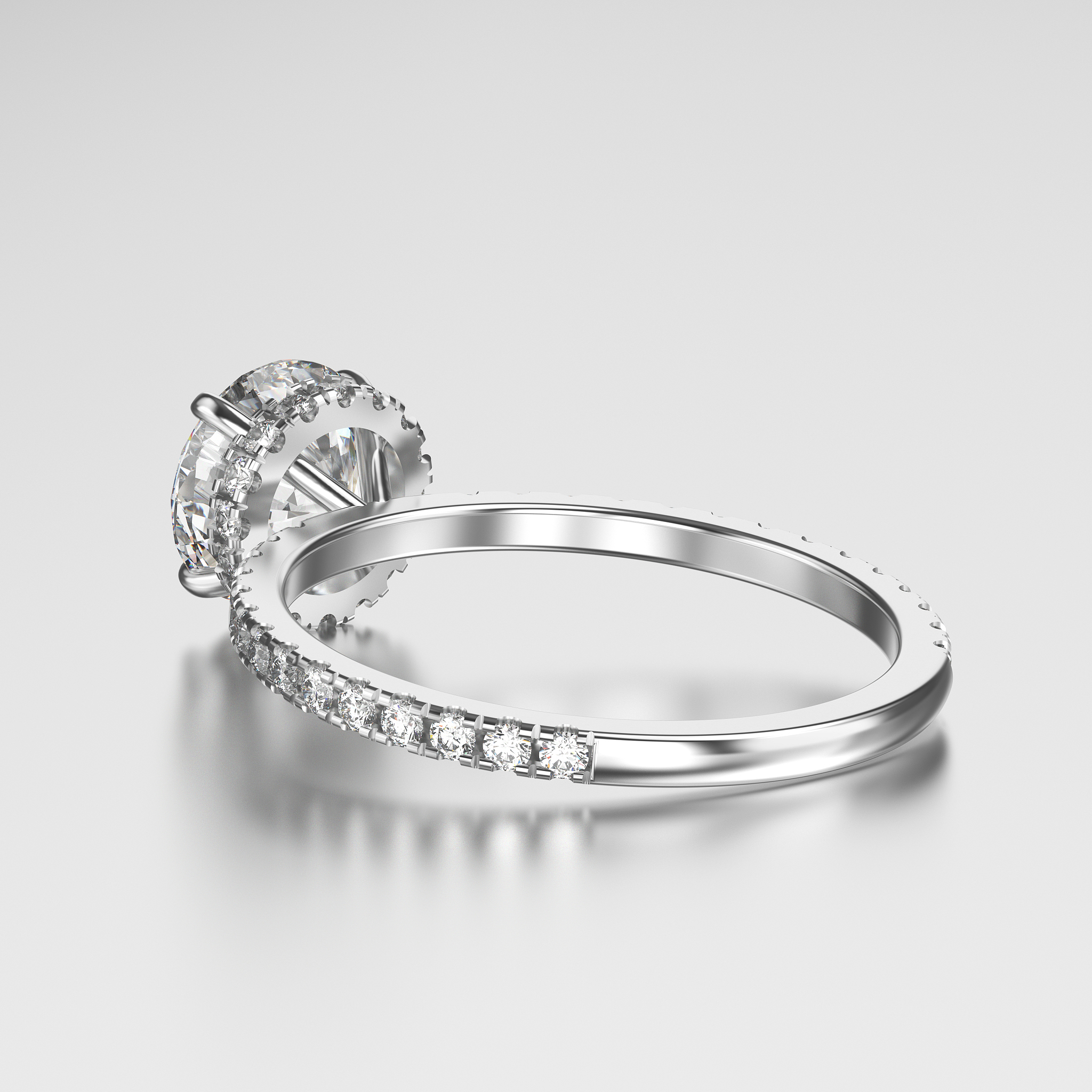
Platinum’s understated elegance and exceptional durability continue to symbolize purity and endurance, making it particularly valued for engagement jewelry where its neutral whiteness enhances diamond brilliance without color interference.
鉑金首飾:全球最稀有貴金屬完整指南
理解鉑金的獨特身份
鉑金(元素符號:Pt)需要與一般「白色金屬」術語明確區分。雖然「白色金屬」描述任何白色合金包括K白金,但鉑金代表一種特殊的元素金屬,具有非凡特性,使其在收藏家中享有優質地位。
元素檔案:
化學符號:Pt | 顏色:灰白色至銀白色 | 密度:21.4-21.5 g/cm³
原子量:195.09 | 原子序數:78 | 光澤:金屬光澤
莫氏硬度:4.3 | 熔點:1769°C | 沸點:3827°C
導電性:9.83×10⁴ | 導熱性:69.5 W/(m·K)
電阻率:10.58 μΩ·cm
鉑金的稀缺性超過黃金——地殼中鉑金含量顯著較少,使其成為自1735年被確認以來商業使用中最稀有的貴金屬。
一、物理特性
鉑金在空氣中表現出卓越的化學穩定性,在室溫下耐腐蝕同時永久保持自然光澤。其銀灰色至白色外觀、高密度(21.45 g/cm³)和高熔點(1773°C)結合比黃金更高的硬度,使其成為寶石鑲嵌的理想選擇。
二、化學特性
在室溫下,鉑金抵抗大多數酸和鹼,但緩慢溶於王水。加入氧化劑的鹽酸、氫溴酸、高溫下的鹵族元素、氰化物溶液、沸騰王水和硫酸都能溶解鉑金。其整體化學穩定性仍然卓越,幾乎不變色。
三、市場價值動態
國際上,鉑金通常比黃金價格高30-50%。歷史用途包括俄羅斯貨幣(1828-1846 3/6/12盧布硬幣),因數量有限而停止發行。中國市場顯示受工業需求波動影響的顯著價格波動。
四、鉑金 vs K白金:關鍵差異
- 成分:鉑金是元素Pt;K白金是黃金與稀土元素的組合
- 可用性:鉑金年產量僅佔黃金產出的4%
- 印記:鉑金首飾帶有「Pt」標記(Pt900=90%,Pt950=95%,Pt990=99%)
- 重量:鉑金更高密度使其明顯重於同等K白金首飾
- 硬度:鉑金比K白金軟但比替代品硬
- 酸測試:王水溶解K白金比鉑金更快
- 火試法:加熱後鉑金保持不變而K白金因銅/銀氧化變暗
五、溢價定價解釋
鉑金較高的加工成本源自更大的精煉挑戰和材料損失。其優越的硬度相比更具延展性的黃金增加了製造複雜性,證明了較高零售定價的合理性。
六、鉑金鑑定挑戰
2003年檢測發現一些中國製造商在鉑金首飾中添加6-10%銥。銥的相似熒光光譜使檢測複雜化,考慮到顯著的價格差異(歷史上Ir=25元/克 vs Pt=175元/克)創造了利潤機會。
七、鉑族金屬比較
- 鈀金 (Pd):銀白色,硬度4-4.5,密度12,熔點1555°C
- 銠金 (Rh):銀白色,硬度4-4.5,密度12.5,熔點1955°C
- 銥金 (Ir):銀白色,硬度7,密度22.40,熔點2454°C
- 鉑金 (Pt):銀白色,硬度4-4.5,密度21.45,熔點1773°C
八、鉑金合金類別
- 純鉑金:最高等級用於象徵性珠寶,但常合金化以獲得更好的寶石安全性
- 銥鉑合金:5-15%銥增強硬度同時保持特性
- K白金:基於黃金的白色合金(非真鉑金),黃金含量決定K值
九、歷史意義
人類鉑金使用歷史僅約2000年,而黃金歷史更古老。埃及和前哥倫布時期文明創造了鉑金工藝品,儘管歐洲認識始於16世紀。法國皇室在1780年代推廣鉑金首飾,確立其精英地位。當前全球儲量(約14,000噸)集中在南非(85%)和俄羅斯(13%),年產量約85噸。
十、鑑定方法
白銀區分:白銀的較低密度(10.53)、軟度和硝酸反應性將其與鉑金區分開
鉛/鋁區分:顯著較低的密度和硬度,加上鉑金對過氧化氫的催化作用(導致立即起泡)提供可靠識別
十一、以舊換新注意事項
- Pt950手鐲:空心設計可能包含隱藏填充物——切開驗證
- Pt950竹節鏈:檢查空心段是否有填充物;多個焊點降低純度
- Pt950空心鏈:估算重量期望值並檢查空腔;大量焊接降低整體純度
鉑金的低調優雅和卓越耐久性繼續象徵純潔與持久,使其在訂婚珠寶中特別受重視,其中中性白色在不產生顏色干擾的情況下增強鑽石火彩。