Seeds of Fortune: The Symbolism of Fruits in Chinese Jade Carvings
In the poetic language of Chinese jade carving, fruits are never merely sustenance; they are condensed blessings, promises of abundance, and metaphors for life’s most cherished aspirations. From the longevity-promising peach to the prosperity-bringing pomegranate, each fruit motif carries a specific, resonant meaning rooted in homophonic puns, cultural legends, and visual attributes. This final installment in our symbolism series decodes the “Fruitful Blessings” carved in jade, revealing how everyday harvests are transformed into timeless tokens of good fortune.
在中國玉雕充滿詩意的語言中,果實從來不僅僅是食物;它們是 濃縮的祝福、豐饒的承諾,以及對生命最珍貴期許的隱喻 。從 象徵長壽的壽桃 到 寓意多子多福的石榴 ,每一種水果主題都承載著根植於 諧音雙關、文化傳說和視覺特性 的特定而深刻的含義。本系列關於象徵意義的最後一篇,將解讀玉雕中的 「碩果祝福」 ,揭示日常的豐收如何轉化為永恆的吉祥信物。
The Quintessential Blessings: Longevity, Progeny, and Prosperity
1. Peach (桃子) – The Fruit of Immortality
The supreme symbol of longevity and divine blessing. Its association stems from the myth of the “Peach of Immortality” in the orchard of the Queen Mother of the West (西王母), which ripened every 3,000 years. Gods who ate it were granted eternal life. Thus, the “寿桃” is an indispensable motif in birthday celebrations and carvings wishing for a long, healthy life. It is also a potent talisman against evil, as peach wood was believed to ward off malicious spirits.
長壽與神賜福祉 的最高象徵。其關聯源於 西王母 「蟠桃園」的神話,仙桃每三千年一熟,食之可獲長生。因此, 「壽桃」 是壽慶和祈願 健康長壽 雕刻中不可或缺的主題。它也是強大的 辟邪之物 ,因為桃木被認為能驅逐惡靈。
2. Pomegranate (石榴) – The Promise of Progeny
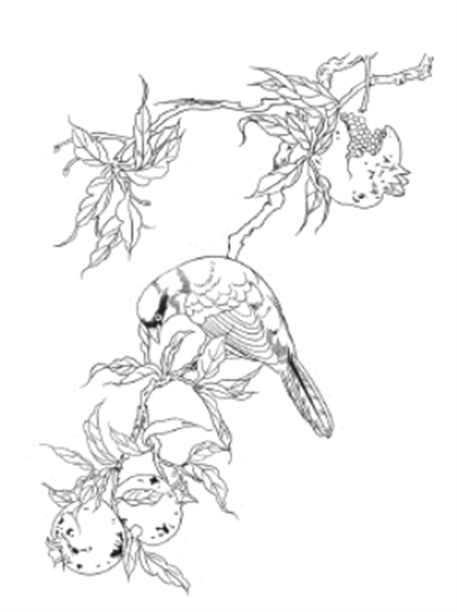
When carved bursting open to reveal its countless seeds, the pomegranate is the most direct and joyful symbol for wishing for numerous offspring, a thriving family, and abundant blessings (“榴开百子” – pomegranate bursting reveals a hundred seeds). Its vibrant red color also adds a layer of joy and celebration. It is a classic gift for newlyweds.
當雕刻成 裂開露出 無數籽實時,石榴是 祈願子嗣綿延、家族興旺、福氣滿堂 (「榴開百子」)最直接、最喜悅的象徵。其鮮豔的紅色也增添了一層 喜慶 的意味。它是贈予新婚夫婦的經典禮物。
3. Citrus Fruits: Orange, Tangerine, Kumquat (橘 / 金橘) – Auspicious Luck
This family of fruits, with names sounding like “吉” (jí – luck) and “金” (jīn – gold), are ubiquitous symbols for good fortune and prosperity. Kumquats (金橘) are especially popular during Lunar New Year, as their name suggests “golden luck”, wishing for wealth in the coming year. Their bright color and round shape signify fullness and completeness.
這類水果的名稱諧音 「吉」 和 「金」 ,是 好運與繁榮 無處不在的象徵。 金橘 在農曆新年期間尤其受歡迎,其名寓意 「金玉滿堂」 ,祝願來年財富豐盈。其鮮亮的色澤和圓潤的形狀象徵著 圓滿和完整 。
4. Persimmon (柿子) – Success in Affairs
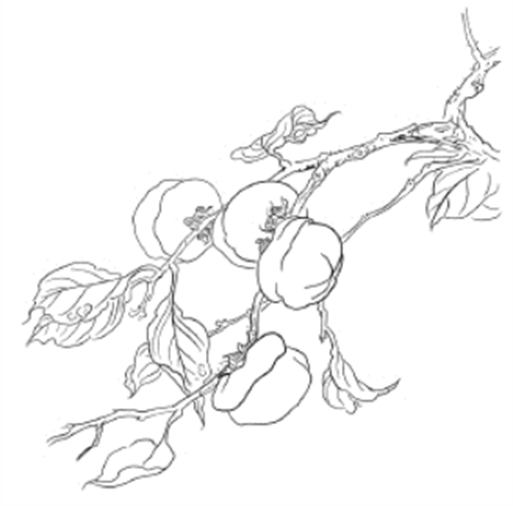
The persimmon’s name (柿 shì) is a perfect homophone for “事” (shì – matters, affairs). Therefore, it symbolizes the successful handling of all matters and endeavors. Two persimmons with a Ruyi scepter (如意) mean “事事如意” (may all affairs go as you wish). A persimmon with an orange means “万事大吉” (all matters are greatly auspicious).
柿子之名( 柿 )與 「事」 完美諧音。因此,它象徵著 諸事順利、心想事成 。兩個柿子配以 如意 寓意 「事事如意」 。柿子與橘子搭配則表示 「萬事大吉」 。
5. Apple (蘋果) – Peace and Safety
With its name (苹 píng) sounding like “平” (píng – peace, safety), the apple is a modern and beloved symbol for “平安” (píng’ān – peace and safety). A jade apple is a talisman wishing for a safe, stable, and tranquil life, free from harm or disturbance.
因其名稱( 苹 )諧音 「平」 ,蘋果是現代且受人喜愛的 「平安」 象徵。玉雕蘋果是祈求 生活平安、穩定、寧靜 ,遠離傷害與紛擾的護身符。
Fruits of Scholarly Success and Sweet Life
6. Litchi / Lychee (荔枝) – Establishment and Intelligence
The name “荔枝” (lìzhī) sounds like “立子” (lì zǐ – to establish a son) and “利市” (lì shì – profitable market), making it a symbol for bearing sons (in historical context) and thriving in business. Its homophone “俐” (lì – clever) also links it to intelligence and cleverness.
「荔枝」 諧音 「立子」 和 「利市」 ,使其成為 (歷史語境中)誕生子嗣與生意興隆 的象徵。其諧音 「俐」 也與 聰明、伶俐 相關聯。
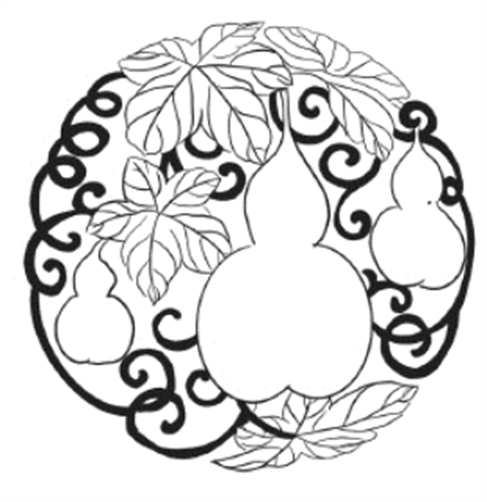
7. Gourd (葫蘆) – Health, Mystery, and Continuity
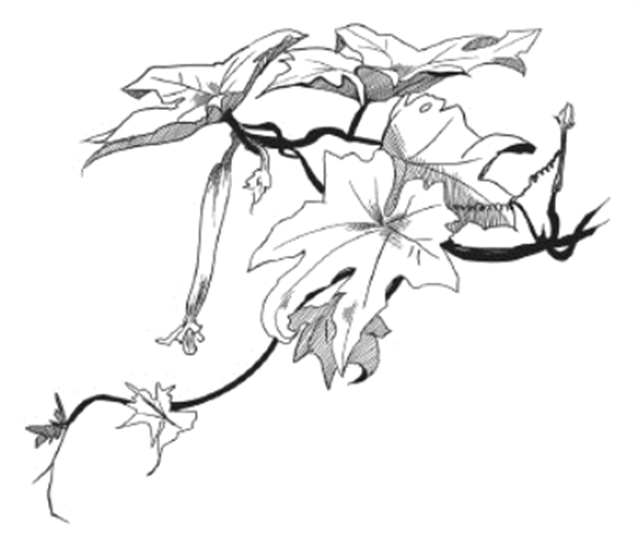
While often grouped with plants, the gourd is a significant fruit motif. Its shape resembles the cosmic egg and a medicine bottle, linking it to health, longevity, and mystical power. As a vine that produces many seeds and fruits, it symbolizes continuous lineage and endless blessings. Its name (葫芦 húlu) sounds like “福禄” (fú lù – fortune and prosperity).
葫蘆雖常歸於植物類,但它也是一個重要的 果實主題 。其形狀類似 宇宙之卵和藥葫 ,與 健康、長壽和神秘力量 相連。作為一種能結 多籽多果 的藤蔓植物,它象徵著 血脈延續與福澤綿長 。其名稱 「葫蘆」 諧音 「福祿」 。
8. Buddha’s Hand Citron (佛手) – Fortune and Longevity
This unusual citrus fruit, resembling a hand in a mudra (gesture), is a visual and phonetic pun. Its name “佛手” (fóshǒu – Buddha’s hand) sounds like “福寿” (fú shòu – fortune and longevity), making it a direct and powerful symbol for happiness and a long life. Its intricate, finger-like sections also symbolize the Buddha’s many methods of granting blessings.
這種形似 手印(手勢) 的特殊柑橘類果實,是一個視覺與聽覺的雙關。其名稱 「佛手」 諧音 「福壽」 ,使之成為 幸福與長壽 直接而有力的象徵。其複雜如手指的結構也象徵 佛陀賜福的諸多法門 。
9. Grapes (葡萄) – Abundance and Continuity
A vine laden with clusters of numerous grapes is a clear symbol of abundance, fertility, and the joy of a large family. The interconnected clusters also represent continuity and lasting success across generations.
成串累累的葡萄 藤蔓,是 豐饒、多產和子孫滿堂之樂 的清晰象徵。相互連接的葡萄串也代表著 代代相承、永續成功 。
The “Three Abundances” and Auspicious Combinations
A classic grouping in jade art is the “Three Abundances” or “Three Fruits”:
玉雕藝術中一個經典的組合是 「三多」或「三果」 :
- Peach (桃): Represents Longevity (寿).
- 桃: 代表 長壽 。
- Pomegranate (石榴): Represents Progeny / Numerous Offspring (多子).
- 石榴: 代表 多子 。
- Buddha’s Hand (佛手) or Citron (柑橘): Represents Fortune / Happiness (多福).
- 佛手或柑橘: 代表 多福 。
Carved together, they form the ultimate wish for a complete and blessed life.
三者同雕,構成了對 圓滿吉祥人生 的終極願景。
Quick-Reference Table of Fruit Symbolism
| 果實 Fruit | 核心寓意 Core Symbolism | 諧音/文化關聯 Pun/Cultural Link |
|---|---|---|
| 壽桃 Peach | 長壽、仙緣、辟邪 Longevity, Divine Favor, Warding Off Evil | 西王母蟠桃神話。 Myth of the Immortal Peach. |
| 石榴 Pomegranate | 多子多福、家族興旺 Numerous Offspring, Family Prosperity | 榴開百子 (形象)。 “Bursting with seeds” (visual). |
| 橘子/金橘 Citrus | 吉祥、好運、財富 Good Luck, Auspiciousness, Wealth | 橘 (吉) – luck; 金橘 – golden luck. |
| 柿子 Persimmon | 事事如意、萬事順利 Success in All Affairs | 柿 (事) – matters/affairs. |
| 蘋果 Apple | 平安、安康 Peace, Safety | 苹 (平) – peace. |
| 荔枝 Lychee | 立子、利市、聰穎 Bearing Sons, Business Prosperity, Cleverness | 荔 (立/利/俐). |
| 葫蘆 Gourd | 福祿、健康、子嗣綿長 Fortune, Health, Continuous Lineage | 葫芦 (福祿); 多籽形態。 Many seeds (visual). |
| 佛手 Buddha’s Hand | 福壽 Fortune & Longevity | 佛手 (福寿). |
| 棗 Date | 早生貴子、早日高升 Early Birth of Noble Son, Rapid Promotion | 枣 (早) – early. |
| 葡萄 Grapes | 豐饒、多子、連綿不斷 Abundance, Fertility, Continuity | 成串累累的形態。 Clustered form (visual). |
Conclusion: A Harvest of Meanings
When appreciating a jade fruit carving, consider:
欣賞一件水果題材的玉雕時,可以思考:
- Is it a single, powerful statement? (A large peach for a milestone birthday).
- 它是一個單一而有力的表述嗎? (例如為重要壽辰雕刻的大壽桃)。
- Is it part of a clever pun? (Persimmons for “事事如意”).
- 它是一個巧妙雙關的一部分嗎? (柿子寓意「事事如意」)。
- Is it woven into a narrative cluster? (The “Three Abundances” or grapes on a vine).
- 它是否被編織進一個敘事組合中? (例如「三多」或藤蔓葡萄)。
These motifs remind us that in Chinese culture, blessings are tangible, harvestable, and meant to be held close. A jade fruit is not just a representation of nature’s bounty; it is an invitation to gather good fortune, to savor life’s sweetness, and to plant seeds of hope for generations to come.
這些主題提醒我們,在中國文化中,祝福是具體的、可收穫的,並應被珍藏在身邊。一件玉雕果實不僅僅是自然饋贈的再現;它是一份 邀請,邀請您匯聚好運,品味生活之甘甜,並為子孫後代播下希望的種子 。