Tanzanite: The Modern Gemstone Born from Lightning
Mineral Profile:
Mineral Name: Calcium Aluminum Silicate (Zoisite)
Chemical Formula: Ca₂Al₃(SiO₄)(Si₂O₇)O(OH)
Refractive Index: 1.69-1.70 (±0.005)
Birefringence: 0.008-0.013
Mohs Hardness: 6.5
Cleavage: One direction of perfect cleavage
Luster: Vitreous
Optical Character: Anisotropic, biaxial positive
Specific Gravity: 3.35 (+0.10, -0.25) g/cm³
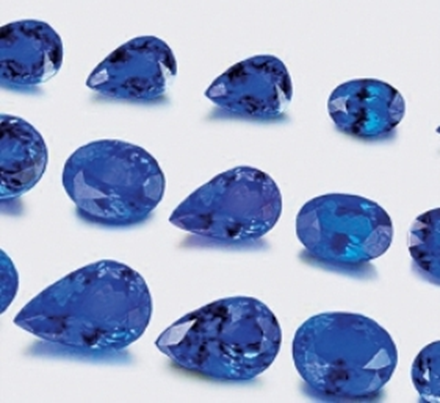
Common Colors: Blue, violet-blue to bluish-violet; also brown, yellow-green, pinkish-violet
Crystal System: Orthorhombic, prismatic or tabular
UV Fluorescence: None
Absorption Spectrum: 595, 528, 455 nm absorption lines
I. The Naming of Tanzanite
Originally classified as a variety of zoisite, this gemstone earned its popular name from its discoverer, a Slovenian nobleman, with “Tanzanite” becoming the accepted trade name. The name simultaneously honors Tanzania, the nation where this extraordinary gem was first discovered.
II. Color Chemistry
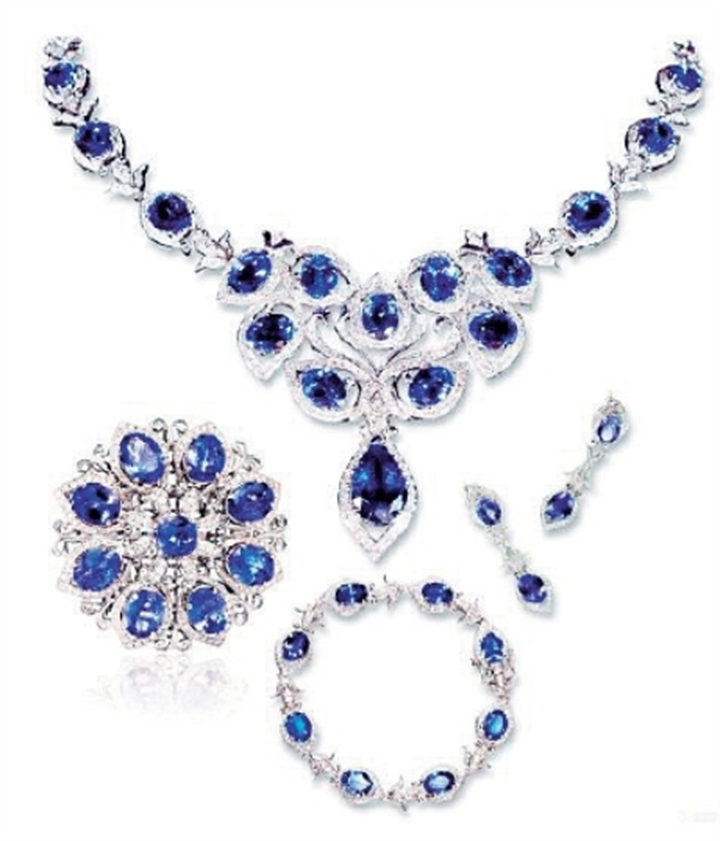
Tanzanite’s captivating hues originate from vanadium (V), chromium (Cr), and manganese (Mn) trace elements within its crystal structure. These impurities create a remarkable color range from blue and violet to reddish-brown. Most commercial tanzanite undergoes controlled heat treatment to transform brownish material into the prized blue-violet shades reminiscent of fine sapphire.
III. Geological Rarity
Discovered in 1967 at the foothills of Mount Kilimanjaro near Arusha, Tanzania, this gem represents one of geology’s most remarkable modern discoveries. To date, this single mining area remains the world’s only source of gem-quality tanzanite, making it approximately 1,000 times rarer than diamond in terms of geographic occurrence.
IV. Inclusion Characteristics
Under 10x magnification, tanzanite typically reveals:
- Liquid and gas inclusions
- Actinolite needle formations
- Graphite flakes
- Staurolite crystals
These natural fingerprints help distinguish genuine tanzanite from imitations.
V. The Legendary Discovery
Local Maasai herders first noticed the transformed stones after lightning ignited grassland fires that altered brown zoisite crystals to vibrant blue. The discovery reached commercial attention when a Portuguese gem trader recognized their potential in 1967. Tiffany & Company subsequently introduced tanzanite to the global market in 1968, naming it after its country of origin and launching one of gemology’s most successful marketing campaigns.
VI. Market Position and Value
Tanzanite’s value spectrum reflects its color saturation:
- Top Grades: $500+/carat for intense blue-violet stones
- Medium Grades: Approximately $200/carat
- Commercial Grades: $60-100/carat
The most valuable stones display strong blue tones with minimal purple modifiers, sometimes described as “Ocean Stars” for their resemblance to deep tropical waters.
VII. Mining Challenges
1. Artisanal Mining Issues
Traditional mining methods and unauthorized digging have caused significant deposit damage, threatening long-term sustainability.
2. Processing Limitations
Limited local cutting expertise forces raw material export for value addition, reducing potential economic benefits for Tanzania.
3. Market Development
Despite being the exclusive source, Tanzania lacks established gem trading infrastructure, forcing local merchants to sell through international markets.
Recent government initiatives aim to address these challenges through mining regulation and value chain development.
VIII. Imitations and Synthetics
While no true synthetic tanzanite exists, several materials mimic its appearance:
- Forsterite Synthetics: Marketed as “synthetic tanzanite” despite different chemical composition
- Glass Imitations: Common in tourist markets
- Other Blue-Violet Gems: Sapphire, spinel, and iolite occasionally substitute for tanzanite
Though zoisite occurs elsewhere (Austria, Norway, Australia, USA), only Tanzanian material achieves the color, clarity, and size suitable for fine jewelry.
Tanzanite’s extraordinary story—from lightning-transformed crystals to Tiffany-showcased treasure—exemplifies how geological rarity, compelling narrative, and exceptional beauty combine to create a modern classic in the gemstone world.
坦桑石:誕生於閃電的現代寶石
礦物檔案:
礦物名稱:矽酸鈣鋁(黝簾石)
化學式:Ca₂Al₃(SiO₄)(Si₂O₇)O(OH)
折射率:1.69-1.70 (±0.005)
雙折射率:0.008-0.013
莫氏硬度:6.5
解理:一組完全解理
光澤:玻璃光澤
光性:非均質體,二軸晶正光性
比重:3.35 (+0.10, -0.25) g/cm³
常見顏色:藍色、紫藍色至藍紫色;也有棕色、黃綠色、粉紫色
晶系:斜方晶系,柱狀或板柱狀
紫外熒光:無
吸收光譜:595、528、455 nm吸收線
一、坦桑石的命名
最初分類為黝簾石的變種,這種寶石從其發現者——一位斯洛文尼亞貴族——獲得了流行名稱,「坦桑石」成為公認的貿易名稱。該名稱同時紀念坦桑尼亞,這個首次發現這種非凡寶石的國家。
二、顏色化學
坦桑石迷人的色調源自其晶體結構內的釩(V)、鉻(Cr)和錳(Mn)微量元素。這些雜質創造了從藍色和紫色到紅棕色的顯著顏色範圍。大多數商業坦桑石經過受控熱處理,將棕色材料轉變為令人想起優質藍寶石的珍貴藍紫色調。
三、地質稀有性
1967年在坦桑尼亞阿魯沙附近的乞力馬扎羅山腳下發現,這種寶石代表了地質學最卓越的現代發現之一。迄今,這個單一礦區仍然是世界上寶石級坦桑石的唯一來源,使其在地理出現方面比鑽石稀有約1,000倍。
四、內含物特徵
在10倍放大鏡下,坦桑石通常顯示:
- 液態和氣態內含物
- 陽起石針狀形成
- 石墨薄片
- 十字石晶體
這些自然指紋有助於區分真正的坦桑石與仿製品。
五、傳奇發現
當地馬賽族牧民在閃電引發草原火災將棕色黝簾石晶體改變為鮮豔藍色後首次注意到轉變的石頭。當一位葡萄牙寶石商人於1967年認識到它們的潛力時,這一發現引起了商業關注。蒂芙尼公司隨後於1968年將坦桑石引入全球市場,以其原產國命名,並發起了寶石學最成功的營銷活動之一。
六、市場地位和價值
坦桑石的價值光譜反映其顏色飽和度:
- 頂級:強烈藍紫色寶石每克拉500美元以上
- 中級:約每克拉200美元
- 商業級:每克拉60-100美元
最有價值的寶石顯示強烈的藍色調,紫色修飾色最少,有時因其類似深熱帶水域而被描述為「海洋之星」。
七、採礦挑戰
1. 手工採礦問題
傳統採礦方法和未經授權的挖掘已造成重大礦床損壞,威脅長期可持續性。
2. 加工限制
有限的當地切割專業知識迫使原材料出口以增加價值,減少了坦桑尼亞的潛在經濟效益。
3. 市場發展
儘管是獨家來源,坦桑尼亞缺乏建立的寶石交易基礎設施,迫使當地商人通過國際市場銷售。
最近的政府舉措旨在通過採礦監管和價值鏈發展應對這些挑戰。
八、仿製品和合成品
雖然不存在真正的合成坦桑石,但幾種材料模仿其外觀:
- 鎂橄欖石合成品:儘管化學成分不同,仍作為「合成坦桑石」銷售
- 玻璃仿製品:旅遊市場常見
- 其他藍紫色寶石:藍寶石、尖晶石和堇青石偶爾替代坦桑石
雖然黝簾石出現在其他地方(奧地利、挪威、澳洲、美國),但只有坦桑尼亞材料達到適合高級珠寶的顏色、淨度和尺寸。
坦桑石的非凡故事——從閃電轉變的晶體到蒂芙尼展示的寶藏——例證了地質稀有性、引人入勝的敘事和卓越美麗如何結合,在寶石世界中創造現代經典。