The Eternal Craft: A Journey Through 7,000 Years of Chinese Ivory Carving
永恆的技藝:中國牙雕七千年之旅
The art of ivory carving, known as one of the most exquisite traditional crafts of China, holds a mirror up to seven millennia of human civilization. It is a story of imperial grandeur, artistic innovation, and a delicate dance with modernity and conservation. As we stand at a pivotal moment in its history, let us delve into the profound legacy of this craft, from its Neolithic origins to its place in the world today.
牙雕藝術,作為中國最精美的傳統工藝之一,是人類七千年文明史的一面鏡子。它講述著帝國的輝煌、藝術的創新,以及與現代化和保育之間的微妙平衡。在我們站在其歷史關鍵時刻的當下,讓我們深入探討這項工藝的深厚底蘊,從新石器時代的起源追溯至它在當今世界的定位。
Recognized for its outstanding value, ivory carving was among the first crafts inscribed on China’s National Intangible Cultural Heritage list. Over centuries, it evolved into distinct regional schools. The “Northern School” (北派) , centered in Beijing, became an integral part of the imperial “Eight Wonders of Yanjing” (燕京八绝), serving the royal courts from the Liao to the Qing dynasties. In contrast, the “Southern School” (南派) flourished in the trading hubs of Guangzhou and the Jiangsu-Zhejiang region, while the “Suzhou School” (苏派) developed its own refined aesthetic. For centuries, ivory was presented as a royal tribute, a symbol of prestige and artistic excellence.
因其卓越的文化價值,牙雕是最早被列入中國國家級非物質文化遺產名錄的工藝之一。數個世紀以來,它發展出鮮明的地域流派。以北京為中心的「北派」,成為了皇家御製「燕京八絕」之一,自遼、金、元至明清,世代服務於宮廷。與之相對,「南派」 在貿易樞紐廣州及江浙地區興盛,而「蘇派」 則發展出其精緻的美學。數百年來,象牙作為皇家貢品,是權威與藝術成就的象徵。
After the founding of the People’s Republic of China in 1949, ivory carving entered a new golden age. Masterpieces of breathtaking intricacy were created, not only as treasures for the nation but also as state gifts. These gifts, such as the exquisite “Chang’e Flies to the Moon” presented to U.S. President Nixon in 1972 or the grand “Panorama of Beihai Park” gifted to the Soviet Union, served as cultural ambassadors. They fostered international goodwill, showcased the pinnacle of Chinese artistry, and, importantly, generated significant foreign exchange for the country’s early development.
1949年新中國成立後,牙雕藝術迎來了新的黃金時代。技師們創作出了無數令人驚嘆的精湛之作,它們不僅是國家的寶藏,更被選作「國禮」贈予世界。例如1972年贈予美國尼克遜總統的《嫦娥奔月》,以及贈予前蘇聯的《北海全景》,都成為了出色的文化使者。這些作品促進了國際間的友好交流,展現了中國工藝的巔峰水準,並在國家發展初期換回了大量外匯。
However, the tides of time and global consciousness are shifting. In response to international conservation efforts and a 2016 State Council notice, China enacted a full-scale commercial ban on ivory and its products, effective from December 31, 2017. This marked the end of an era.
然而,時代的浪潮與全球保育意識正在發生巨變。為響應國際公約及國務院辦公廳的通知要求,中國自2017年12月31日起,全面停止了象牙及其製品的商業性加工銷售活動。這標誌著一個時代的終結。
Just before this historic ban took effect, a poignant exhibition titled “The Eternal Craft, The Final Chapter: The National Intangible Cultural Heritage of Ivory Carving” was held at the Beijing Arts and Crafts Museum from November 22-29, 2017. It was a moment to reflect on the 7,000-year journey of this art form—to remember its glory, its masters, and its indelible mark on human culture. This article invites you on that journey.
就在這項歷史性禁令生效前夕,一場名為 「永恆的技藝 最後的合唱——國家非物質文化遺產之’牙雕’技藝展」 的展覽,於2017年11月22日至29日在北京工藝美術博物館舉行。這是一個反思的時刻,回顧這項藝術形式長達七千年的旅程——銘記其榮耀、其大師,及其在人類文化中不可磨滅的印記。本文將邀您一同踏上這段旅程。
The Historical Tapestry of Ivory Carving
牙雕歷史發展脈絡
The Dawn of Civilization: Neolithic Age to Shang and Zhou Dynasties
文明曙光:新石器時代與商周時期
China’s earliest known ivory artifacts were discovered at the Neolithic Hemudu site in Yuyao, Zhejiang Province. Among them are two bird-shaped ivory daggers and a butterfly-shaped vessel engraved with a motif of two birds worshipping the sun. These remarkable finds push the origins of Chinese ivory carving back to around 7000 years ago, at the very dawn of human civilization in the region.
中國年代最早的象牙器,出土於浙江余姚的新石器時代河姆渡遺址,包括兩件鳥形象牙匕和一件刻有雙鳥朝陽紋的蝶形器。這些驚人的發現將中國象牙雕刻的起源追溯至約7000年前,即該地區人類文明的晨曦之時。
The craftsmanship evolved significantly by the late Shang Dynasty, as exemplified by the two exquisite ivory cups (now at the National Museum of China) found in the tomb of Lady Fu Hao. Buried as paired treasures beside the royal consort, their value was immense. The carving style, featuring intricate reliefs of animal masks (taotie), closely mirrored the jade work of the period. By the Zhou Dynasty, ivory carving had become a specialized trade, shifting from simple grinding to sophisticated雕刻 techniques. The “Rites of Zhou” mentions “eight materials” used in handicrafts, with ivory ranking second in importance. Ivory tributes, such as the “tortoise shells and elephant tusks” from the Huaiyi tribes recorded in the poetry of the State of Lu, were used to create ritual vessels and implements for the royal court.
到了商代晚期,牙雕工藝有了顯著發展,以婦好墓出土的兩件精美象牙杯(現藏於中國國家博物館)為代表。它們成對隨葬於王后身邊,足見其珍貴。其雕刻風格,以複雜的浮雕獸面紋為主,與當時的玉雕工藝極為相似。至周朝,牙雕已成為專門的行業,工藝從簡單的磨製轉向精細的雕刻。《周禮》記載手工業所用「八材」,象牙位列第二。各諸侯國需向周天子進貢,如魯國詩歌中記載的「淮夷」貢「元龜象齒」,這些材料被用以製作祭祀之器和禮儀用具。
A Craft for the Elite: Spring & Autumn Period to Northern and Southern Dynasties
士人雅玩:春秋至魏晉南北朝時期
The tumultuous Spring and Autumn and Warring States periods saw the rise of a scholarly class. Ivory carving transitioned into an art form for the exclusive enjoyment of the elite. A famous story from Han Feizi tells of a man from the State of Song who spent three years carving an ivory mulberry leaf so perfect it was indistinguishable from a real one, earning him a noble rank. This tale highlights both the extraordinary skill attained and the high social status a master carver could achieve.
在百家爭鳴的春秋戰國時代,象牙雕刻逐漸發展為專供社會特殊階層「觀樂玩好」的藝術品。《韓非子》中記載了一個著名故事:一位宋國人耗時三年,為其君主雕刻出一片足以亂真的象牙楮葉,因而獲得高官厚祿。這個故事不僅說明了當時已達到極高的工藝水平,也反映出頂尖牙雕藝人能享有的崇高社會地位。
During the Qin and Han dynasties, ivory carvings, often decorated with fine incised lines and shallow reliefs, were considered precious jewelry. Their use was strictly regulated by social hierarchy. The “Shuowen Jiezi” dictionary notes that while common scholars could use bone hairpins, only high-ranking officials (daifu) were permitted to use ivory ones—a practice that continued for centuries. This exclusivity persisted through the Wei, Jin, and Northern and Southern Dynasties, with historical texts meticulously recording the specific number of ivory combs permitted for use by empresses and crown princes, underscoring their status as strictly controlled royal possessions.
秦漢時期,以線刻和淺浮雕裝飾的象牙製品被視為貴重珠寶,其佩戴使用有嚴格的等級之分。《說文解字》載:「笄,簪也。其端刻雞形。士以骨為之,大夫以象為之。」這種按等級佩戴象牙笄的禮制,為後世各朝沿用。這種專屬性在魏晉南北朝時期依然延續,史料中詳細記載了皇后、太子妃等使用象牙梳的具體數量,凸顯其作為嚴格管控的皇家用品的地位。
The Flourishing of Technique: Tang to Yuan Dynasties
技藝交融:唐、宋、元時期
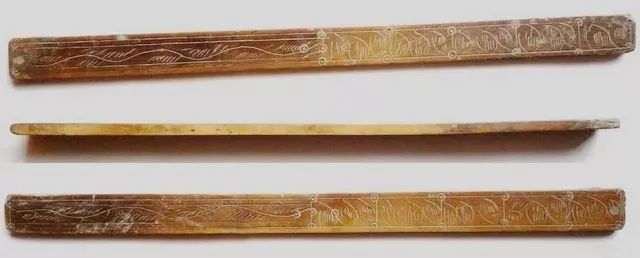
While few Tang Dynasty ivory carvings survive today, we know of intricately engraved ivory rulers (loya chi) and the popularity of the “diaotian” technique. This method combined ivory with lacquerware, using the lacquer as a background to highlight shallowly carved or incised ivory motifs, creating a rich, decorative effect. The Song Dynasty, known for its cultural sophistication, saw ivory carvings become indispensable scholarly objects in the palace. The imperial workshops even established a specific “Ivory Workshop” to meet this demand. The Yuan Dynasty continued this imperial patronage. A surviving openwork ivory ornament in the Liaoning Provincial Museum, intricately carved with wild geese, magnolias, and scrollwork, demonstrates the mastery of “thorn-flower openwork” (cihua loukong), a technique that remains a hallmark of Guangzhou ivory carving to this day.
唐代傳世的象牙器不多,除官員上朝用的象牙笏外,常見有精雕細刻的拔鏤牙尺。同時,盛行的「雕填」技法將象牙與漆藝結合,以漆為地,襯托出淺浮雕或線刻的象牙紋樣,裝飾性極強。文化鼎盛的宋代,牙雕成為宮中不可或缺的文玩清供,朝廷文思院下更設有「象牙作」專司其職。元代牙雕由官營,設御用監負責造辦御前用品。遼寧省博物館藏有一件元代鏤雕象牙飾件,鴻雁、玉蘭、卷草紋樣形象生動,工藝精巧,其所用的「剌花鏤空」技法,至今仍在廣州牙雕業中盛行。
The Grand Era and the Fall: Ming Dynasty to the Republic of China
盛世餘暉與民間傳承:明代至民國時期
The Ming Dynasty, particularly after the lifting of the maritime ban, witnessed an influx of precious materials from overseas, fueling a boom in decorative arts. The concurrent flourishing of furniture making, wood carving, and bamboo carving provided a fertile ground for ivory carving to develop new forms and aesthetics. This set the stage for the craft’s ultimate peak in the Qing Dynasty.
明代是我國裝飾雕刻藝術蓬勃發展的時代,尤其在海禁解除後,海外珍稀材料源源輸入。發達的家具製造、木雕、竹雕等工藝,為象牙雕刻的發展提供了豐沃土壤,也為清代牙雕的巔峰奠定了基礎。
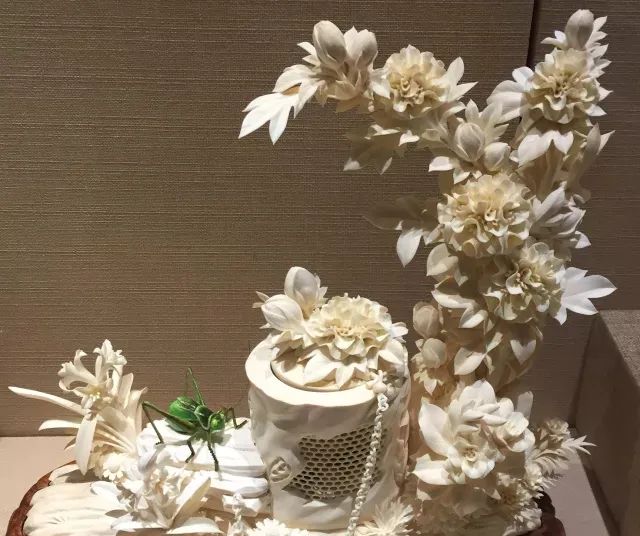
Qing Dynasty ivory carving is dominated by the imperial workshops. The level of craftsmanship in three-dimensional carving (yuandiao) was exceptionally high, leading to the creation of many large-scale摆件 (baijian, ornamental pieces). These elaborate works, often depicting pavilions, flowers, birds, and landscapes, were grand in scale and impeccable in execution. However, as the dynasty declined in its later years, the imperial workshops disbanded, and master carvers returned to the civilian sphere. This led to a flourishing of miniature carving (weidiao) and flat engraving (pingke) among folk artists. The Republic of China period saw a brief revival in the domestic arts market. With a changing clientele, practical ivory items decreased, while purely ornamental摆件 increased. This fragile prosperity was shattered by the War of Resistance against Japan, plunging the handicraft industry into deep depression.
清代北京牙雕以宮廷作為主,圓雕工藝水平極高,創作了許多大型擺件。這些作品以亭台樓閣、花鳥樹木為主題,氣勢恢宏,做工精湛。清代後期,國勢衰敗,宮廷牙作解散,藝人回歸民間,平刻、微雕名家輩出。民國時期,國內工藝品市場短暫復甦,北京牙雕品種較清代更加豐富,因消費對象轉變,實用性製品減少,純欣賞性擺件增多。直至抗日戰爭爆發,民族工商業日漸萎縮,手工藝行業陷入萬戶蕭條的境地。
A Modern Phoenix: The People’s Republic of China and Beyond
鳳凰涅槃:建國後與未來展望
The founding of the People’s Republic of China in 1949 breathed new life into the craft. Under the care of the government and cultural figures, many classic works were born. Factories like the Beijing Ivory Carving Factory became centers of excellence, pushing the imperial art of the north to new heights. They evolved from single pieces to large, complex sets, opening a new chapter for the craft. These works were not only artistic triumphs but also economic assets. Masterpieces like “Chengdu-Kunming Railway” (a gift commemorating China’s return to the UN), “The Flower Ball” (still displayed at the UN Headquarters), and “Woljeongdae” (gifted to North Korea) continued the tradition of cultural diplomacy, while domestic treasures like “The 87 Immortals” were preserved as national heirlooms.
新中國的成立為牙雕技藝注入了新的生命力。在黨和政府及各界文化人士的關懷下,諸多經典作品誕生。以北京象牙雕刻廠為代表的行業廠家和技藝大師,將北方宮廷牙雕藝術發展到極致,並由單件作品發展到大型組件,開創了嶄新局面。這些作品不僅是藝術上的成功,也是經濟上的助力。如《成昆鐵路》(贈聯合國禮物)、《花卉牙球》(陳列於聯合國大廈)、《萬景台》(贈朝鮮)等延續了文化外交的傳統,而《八十七神仙卷》等經典則被國家收藏,成為傳世珍寶。
However, by the 1980s, the narrative surrounding ivory began to shift globally, becoming inextricably linked with poaching and the illegal wildlife trade. It is crucial to distinguish this from China’s historical practice. For decades, China’s ivory imports were conducted legally under the framework of the UN’s CITES convention, sourcing ivory primarily from natural mortality stockpiles in African nations. The revenue from these legal sales was often channeled back into elephant conservation efforts. Every piece of legally imported ivory was meticulously documented, ensuring a traceable and legitimate chain of custody.
然而,進入上世紀80年代,全球範圍內圍繞象牙的敘事開始轉變,它與偷獵和非法野生動物貿易緊密相連。有必要將此與中國歷史上的合法實踐區分開來。數十年來,中國的象牙進口都是在聯合國《瀕危野生動植物種國際貿易公約》框架下進行的合法交易,原料主要來自非洲國家自然死亡大象形成的「象牙坑」。這些合法銷售所得的收益,往往會反哺於大象的生態保護。每一件合法進入中國的象牙原料及其製品,都有詳細的來源和資訊記錄可供追溯,確保了來源的合法性和正規性。
The 2017 commercial ban, while closing a significant chapter, does not spell the end for the craft itself. “The skill is innocent; the intangible heritage is eternal.” The art of ivory carving faces its greatest challenge, but within that challenge lies the seed of its rebirth. It now pivots towards legacy materials (antique ivory and existing legal stocks) and the exploration of alternative mediums like mammoth ivory, ox bone, and innovative synthetic resins. Under the protective wings of China’s intangible cultural heritage preservation system, this ancient art form, honed over 70 centuries, is being reimagined. It is a testament to human creativity, and its story, in new and evolving forms, is far from over.
2017年的商業禁令,雖然關閉了一個重要的歷史篇章,但並非這門技藝的終點。「技藝無罪,非遺永存。」牙雕技藝正面臨其最大的生存挑戰,但挑戰之中也蘊含著新生的契機。它正轉向使用合法留存的老料、古代象牙,並探索猛獁象牙、牛骨以及創新的合成樹脂等替代材料。在中國非物質文化遺產保護體系的雙翼之下,這門傳承了七十個世紀的古老藝術,正在被重新定義。它是人類創造力的見證,其故事,將以新的、不斷演變的形式,繼續書寫下去。