The Unexpected Origins of Bracelets and Necklaces
In humanity’s developmental journey, the transition from matriarchal to patriarchal societies brought forth organized raiding marriages between tribes. Men would capture women from neighboring tribes, restraining them with ropes or chains around wrists and necks to prevent escape. While this primitive custom has long been abandoned by civilized society, the symbolic “heart-locking chain” evolved into an enduring tradition. Rather than representing confinement, modern necklaces and bracelets transformed into expressions of deep affection – precious gold pieces given to beloved women as tokens of devotion, representing the giver’s hope for reciprocated love and lasting partnership.
Today, we celebrate these historical transformations by giving jewelry as symbols of eternal commitment. When circumstances permit, presenting a bracelet or necklace to one’s partner continues the beautiful tradition of expressing unwavering dedication, contributing to lasting marital happiness and family stability.
The Imperial Origins of Rings
Rings trace their origins to Chinese imperial courts over 2,000 years ago, where they served as recording devices and symbolic markers. In emperors’ vast harems, silver rings documented imperial consorts’ schedules – eunuchs inscribed dates on rings worn on the right hand to track service to the emperor. During pregnancy, gold rings marked conception periods when worn on the left hand, signaling the emperor to refrain from selection. Ancient texts like “Wang Jing An Yi” document: “When imperial consorts served the ruler, they presented silver rings; during pregnancy, gold rings were withdrawn. Presentation meant right hand, withdrawal meant left hand.”
By the late 14th century, rings gained popularity among ordinary women, gradually transforming into marriage symbols. Gold’s status as precious metal and universal currency established rings as emblems of wealth and status in collective consciousness.
Gold Jewelry in Daily Life
Many wonder if gold maintains value amid market fluctuations. Consider the Danish blacksmith’s story: Living in poverty, he constantly worried about supporting his family during illness or emergency. A compassionate doctor gave him a gold necklace with strict instructions to sell only in absolute necessity. Simply knowing he had this financial backup relieved the blacksmith’s anxiety for ten years until his children reached adulthood and financial stability improved. When he finally appraised the necklace, the jeweler revealed it was worthless brass – the true value had been the psychological security it provided.
In today’s uncertain economy, with employment challenges and limited investment options, gold jewelry represents both aesthetic appreciation and practical financial security – potentially providing crucial support during unexpected difficulties.
How Ancient China’s Four Legendary Beauties Used Jewelry
Xi Shi – The Earring Innovator
Despite her “fish-drowning” beauty, Xi Shi had disproportionately small, round ears. She commissioned heavy gold earrings that elongated her ears while accentuating her delicate facial structure, demonstrating how strategic jewelry use can enhance natural beauty.
Diao Chan – The Scented Necklace Pioneer
The “moon-hiding” beauty bore a neck scar from childhood and struggled with body odor. She designed a thick necklace with perfume-filled pendants that concealed the scar while emitting pleasant fragrances, overcoming two imperfections simultaneously.
Yang Guifei – The Functional Jade User
Despite her “hundred charms” beauty, the plump imperial consort suffered from toothache-induced bad breath and awkward walking posture. She solved both issues by holding small jade fish carvings in her mouth (eliminating odor) and attaching golden bells and jade pendants to her skirt (creating melodic sounds that disguised heavy footsteps).
Wang Zhaojun – The Master of Disguise
The “wild goose-falling” beauty had large feet considered unattractive even before foot-binding traditions. She designed floor-length skirts embedded with jade pieces that concealed her feet while producing elegant tinkling sounds with each movement.
These historical examples demonstrate jewelry’s transformative power – when selected according to individual characteristics, adornments can enhance beauty while compensating for perceived imperfections, creating complete harmonious presentation.
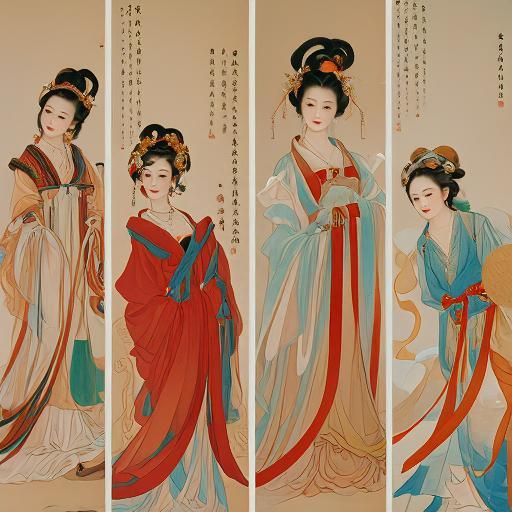
首飾的起源:穿越裝飾史的歷史旅程
手鍊與項鍊的意外起源
在人類發展歷程中,從母系社會到父系社會的轉變帶來了部落間有組織的搶婚制度。男性會從相鄰部落俘虜女性,並用繩索或鏈條束縛她們的手腕與頸部以防逃脫。雖然這種原始習俗早已被文明社會淘汰,但象徵性的「鎖心鏈」卻演變成持久的傳統。現代項鍊與手鍊已轉化為深厚情感的表述——珍貴的金飾作為摯愛信物贈予心儀女性,代表贈予者對相互愛意與持久伴侶關係的期盼。
如今,我們通過贈送珠寶作為永恆承諾的象徵來慶祝這些歷史轉變。當條件允許時,向伴侶贈送手鍊或項鍊延續了表達堅定奉獻的美好傳統,有助於婚姻幸福與家庭穩定。
戒指的宮廷起源
戒指的淵源可追溯至兩千多年前的中國皇室,當時它們作為記錄工具與象徵標記。在皇帝龐大的後宮中,銀戒指記錄了妃嬪侍寢的日程——太監在戴於右手的戒指上刻寫日期來標註服務皇帝的時間。懷孕期間,戴於左手的金戒指標記受孕時期,提示皇帝避免選召。如《王經安義》等古籍記載:「當後妃侍奉君王時,進呈銀環;有孕時,金環退之。進者戴於右手,退者戴於左手。」
至十四世紀晚期,戒指在普通女性間逐漸流行,慢慢轉變為婚姻象徵。黃金作為貴金屬與通用貨幣的地位,使戒指在集體意識中成為財富與地位的標誌。
黃金首飾在日常生活中的作用
許多人疑惑黃金在市場波動中是否仍保持保值功能。考慮丹麥鐵匠的故事:生活貧困的他始終擔心疾病或急難時如何養家。一位富有同情心的醫生贈予他金項鍊並嚴格囑咐僅在絕對必要時出售。僅知曉擁有此財務後盾就緩解了鐵匠十年的焦慮,直至子女成年且經濟狀況改善。當他最終鑑定項鍊時,珠寶商透露這只是無價值的黃銅製品——真正的價值在於它提供的心理安全感。
在當今充滿不確定性的經濟環境中,面對就業挑戰與有限投資選擇,黃金首飾既代表美學欣賞又具備實際財務保障功能——可能在意外困難時期提供關鍵支持。
中國古代四大美女如何運用珠寶
西施——耳環創新者
儘管擁有「沉魚」之美,西施卻有著不相稱的小巧圓耳。她訂製沉重的金耳環來拉長耳型,同時突出精緻面部結構,展示戰略性珠寶使用如何增強自然美。
貂蟬——香氛項鍊先驅
這位「閉月」美女頸部帶有童年傷痕,並受體味困擾。她設計了裝有香水的粗項鍊,既能掩蓋疤痕又散發宜人香氣,同時克服兩項缺陷。
楊貴妃——功能性玉器使用者
儘管擁有「回眸百媚」的容顏,這位豐腴的皇妃卻因牙痛導致口臭且步態笨拙。她通過口含小玉魚(消除異味)和在裙裝佩戴金鈴與玉珮(創造悅耳聲響掩蓋沉重腳步)同時解決兩個問題。
王昭君——偽裝藝術大師
這位「落雁」美人擁有在纏足傳統前即被視為不雅的大腳。她設計鑲嵌玉片的曳地長裙,既遮掩雙腳又能在移動時發出優雅叮咚聲。
這些歷史範例證明了珠寶的轉化力量——當根據個人特質選擇時,飾品能增強美麗同時補足感知缺陷,創造完整和諧的呈現。
Read More
- The Refined Gentleman: Balancing Nature and Nurture in Hetian Jade Appreciation
- The Million-Dollar Carving: When Hetian Jade Craftsmanship Surpasses the Material Itself
- The Eternal Craft: A Journey Through 7,000 Years of Chinese Ivory Carving
- Auspicious Adornments: The Complete Guide to Lunar New Year Jewelry
- Auspicious Adornments: The Best Jadeite Jewelry to Wear for Lunar New Year