The Scholar’s Treasure: A Journey Through Chinese Brush Washers 文房清玩珍賞——筆洗篇
At VirtuCasa, we invite you to explore these miniature masterpieces that embody China’s scholarly elegance. More than functional objects, brush washers represent the perfect marriage of artistic expression and literati culture.
Historical Evolution 歷史淵源
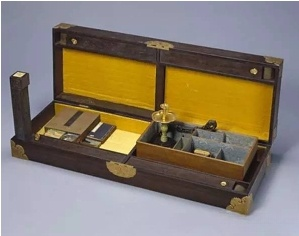
The tradition of brush washers dates back to the Song Dynasty (960-1279), when scholar-officials began cultivating refined studio environments. These objects gained imperial prestige during the Qing Dynasty through Emperor Qianlong’s patronage, as seen in his legendary traveling desk set – a rosewood case containing 65 exquisite implements including jade washers and inkstones.
Key development periods:
- Song Dynasty: Emergence of classic forms in Ru 汝窯, Guan 官窯, and Ge 哥窯 wares
- Ming Dynasty: Expansion of decorative motifs and technical innovation
- Qing Dynasty: Peak of craftsmanship with imperial workshops
Material Mastery 材質藝術
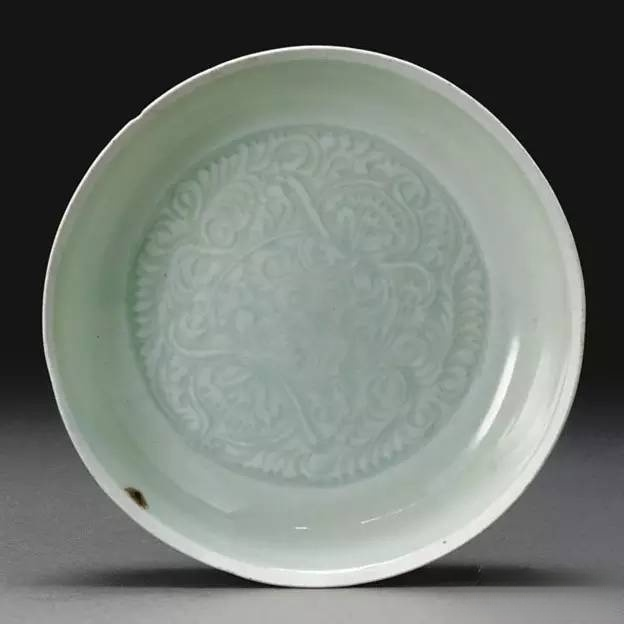
1. Porcelain Washers 瓷筆洗
The most common type, with exceptional examples from:
Ru Ware 汝窯
- Characteristic “sky-blue” glaze 天青釉
- Crab-claw crackles 蟹爪紋
- Sesame-spot supports 芝麻釘
Example: Northern Song Ru bluish-celadon round washer (淡天青釉圓洗)
Ge Ware 哥窯
- Golden iron cracks 金絲鐵線
- Muted grayish tones
Example: Southern Song Ge ware sunflower-shaped washer (哥窯葵花洗)
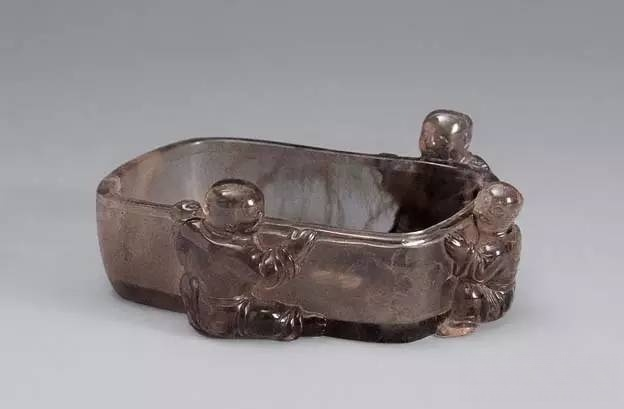
2. Jade Washers 玉筆洗
Imperial workshops produced breathtaking examples:
Qing Dynasty
- White jade peach-form washer (青白玉桃形筆洗)
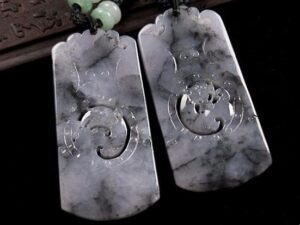
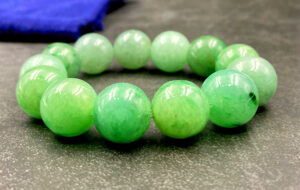
- Spinach-green jade lotus washer (碧玉荷葉洗)
- Black-spotted jade “Auspicious Clouds” washer (碧玉福壽雲紋洗)
3. Other Materials
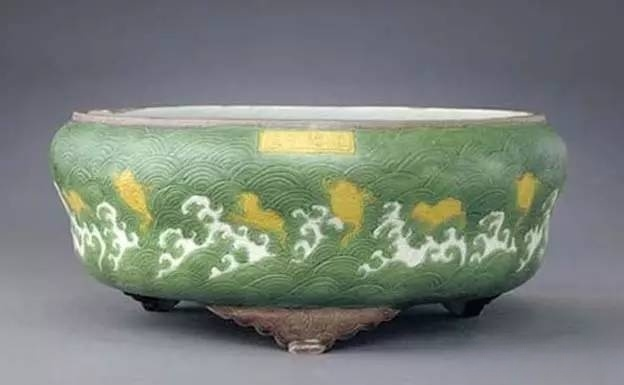
- Cloisonné enamel 琺瑯
- Zitan rosewood 紫檀
- Rock crystal 水晶
- Lacquer 漆器
Design Philosophy 設計哲學
Chinese brush washers embody three core aesthetic principles:
- Nature Inspired
- Peach forms 桃形
- Lotus designs 蓮花式
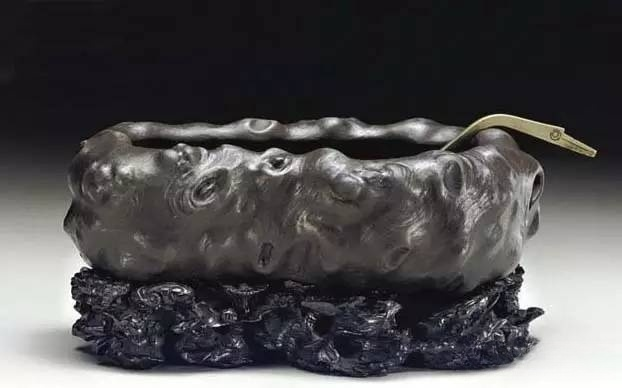
- Tree root carvings 樹榴形
- Symbolism Infused
- Bats = Fortune 蝠諧音福
- Lotus = Purity 蓮出淤泥不染
- Dragons = Imperial power 龍象徵皇權
- Technical Mastery
- Thin-bodied porcelain 薄胎
- Precision carving 精雕
- Flawless glazes 完美釉色
Collector’s Guide 鑑賞要點
When evaluating brush washers, consider:
Authenticity Markers
- Imperial reign marks (e.g. 大清乾隆年製)
- Natural material flaws
- Age-appropriate wear patterns
Quality Indicators
- Glaze consistency
- Carving precision
- Balanced proportions
Historical Value
- Provenance documentation
- Exhibition history
- Scholarly publications
Cultural Legacy 文化傳承
These objects represent more than art – they are vessels of Chinese intellectual history. As the contemporary art market rediscovers their value, VirtuCasa is proud to offer museum-quality pieces with:
- Scientific authentication
- Detailed provenance research
- Conservation-grade packaging
Explore our Collectors’ Academy to begin your journey with these cultural treasures.
View original:历代文房清玩珍赏之——笔洗篇
Read More
- The Refined Gentleman: Balancing Nature and Nurture in Hetian Jade AppreciationExplore the Confucian philosophy of “文质彬彬” (Wen Zhi Bin Bin) as a lens for Hetian jade appreciation. Discover how the balance of natural substance and carved decoration defines a masterpiece. A guide for collectors on virtucasa.com.
- The Million-Dollar Carving: When Hetian Jade Craftsmanship Surpasses the Material ItselfDiscover the pinnacle of Hetian jade carving:openwork,inked chains, and ultra-thin vessels. Explore why the craftsmanship can cost more than the jade itself. A guide for collectors on virtucasa.com.
- The Eternal Craft: A Journey Through 7,000 Years of Chinese Ivory CarvingDiscover the 7,000-year legacy of Chinese ivory carving, a UNESCO Intangible Cultural Heritage. Explore its imperial history, regional schools, masterpieces, and future under conservation. A guide for collectors on virtucasa.com.
- Auspicious Adornments: The Complete Guide to Lunar New Year JewelryDiscover the best jewelry for Lunar New Year: jadeite, gold, silver & gemstones. Learn auspicious meanings, wearing traditions & tips for choosing meaningful gifts on Virtucasa.com.
- Auspicious Adornments: The Best Jadeite Jewelry to Wear for Lunar New YearDiscover the best jadeite jewelry for Lunar New Year. Explore auspicious motifs like Ruyi & Pixiu, wearing traditions, and tips for choosing meaningful jadeite gifts on Virtucasa.com.