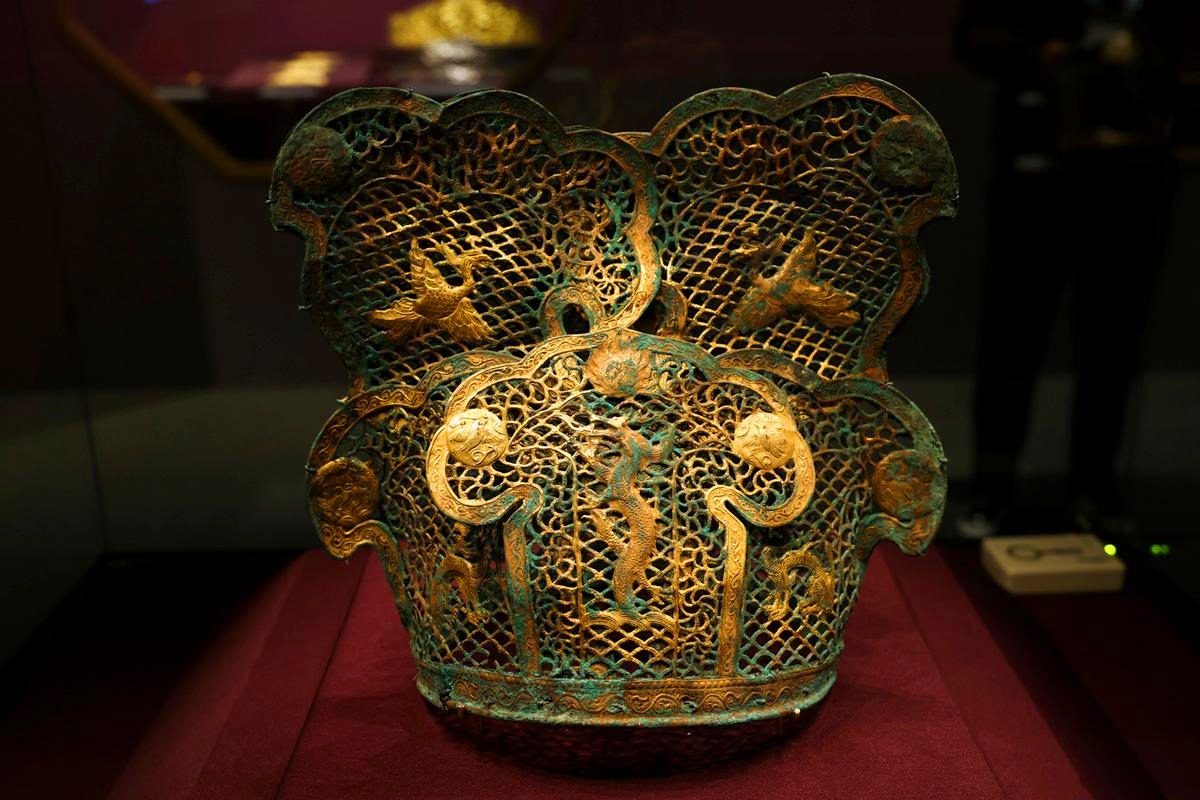
Why Premium Collectibles Become “Safe Haven” Assets Through Economic Cycles
In 2024, as global economies entered an adjustment period, stock markets declined by 20% and bond yields fell to 1.8%, leaving many investors with significantly diminished portfolios. Yet Mr. Chen, a Shanghai collector, remained remarkably calm. A Qing Dynasty Hetian jade carving in his study, initially valued at 8 million yuan at year’s start, had appreciated to 8.6 million by year’s end. Meanwhile, his 2 million yuan stock investment had dwindled to 1.6 million. This phenomenon of “cooling economy but heating collections” represents more than just an isolated case.
Data reveals that over the past two decades, premium collectibles (quality jade, master paintings, limited artworks) have achieved 12% average annual returns versus 6.5% for stocks and 3.2% for bonds. During economic downturns, premium collectibles showed only 15% price volatility compared to 40% for equities. What enables these exceptional assets to defy economic cycles and serve as wealth preservation vehicles? The answer lies in their unique scarcity, value independence, cultural significance, and inflation-resistant qualities.
Scarcity: The Foundation of Irreplaceable Value
The fundamental strength of premium collectibles lies in their extreme scarcity. Most are non-renewable, limited edition, or utterly unique. This supply-side rigidity prevents value depreciation during economic fluctuations, acting as an “anchor” during financial storms.
Quality jade exemplifies this scarcity principle. Hetian jade formation requires hundreds of millions of years of geological activity, with mining confined to Xinjiang’s Yurungkash River region. Industry data shows annual production of premium Hetian jade pieces exceeding 100 grams now amounts to less than 100 kilograms, with market availability becoming increasingly rare. This scarcity ensures supply won’t increase during downturns, while demand often grows as investors seek safe havens.
Limited edition artworks and commemorative coins follow similar patterns. Master paintings are inherently unique – no new works appear after the artist’s death. Time naturally reduces availability through attrition and collection. At a 2024 Sotheby’s auction, a modern master’s landscape painting starting at 5 million yuan ultimately sold for 8.8 million, representing 35% appreciation since its 2018 sale during economic prosperity. This demonstrates how scarcity creates value resilience – truly rare treasures maintain demand regardless of economic conditions.
Unlike mass-produced commodities or volatile financial assets, premium collectibles possess fixed supply, creating natural “moats” that maintain value stability through economic cycles.
Value Independence: Autonomous Pricing Beyond Economic Cycles
Premium collectibles operate on completely different value principles than financial assets. They don’t rely on economic growth dividends nor lose core value during downturns, enabling independent price movements detached from economic cycles.
Financial assets typically correlate strongly with economic conditions. Stock prices depend on corporate earnings, bonds on interest rate policies. Conversely, premium collectibles derive value from inherent quality, scarcity, and cultural significance, showing minimal correlation with economic cycles (just 0.1 correlation with equities in 2024 data).
One experienced investor maintains 20% allocation to premium collectibles. During the 2008 crisis, his equity portfolio lost 40% while gold and Hetian jade appreciated 10%. During 2020’s pandemic downturn, stocks fell 25% while his master paintings gained 12%. This inverse relationship demonstrates how premium collectibles maintain independent pricing power.
Global market recognition further reinforces this independence. Premium collectibles maintain cross-border value consensus – quality jade, master paintings find buyers worldwide regardless of regional economic conditions. In 2024, a European collector paid 12 million euros for a Qing Dynasty jade artwork, 8% above its 2022 boom-period valuation, demonstrating how global demand buffers against local economic fluctuations.
Cultural Significance: Timeless Value Consensus
Beyond material and craftsmanship, premium collectibles carry profound cultural meaning. This cultural endowment allows value to transcend temporary economic fluctuations, creating truly inheritable wealth.
Chinese jade embodies millennia of cultural tradition, with “gentlemen virtue likened to jade” deeply ingrained in cultural consciousness. Jade’s warmth and resilience symbolize Chinese character and aspirations. This cultural recognition, developed over thousands of years, remains unaffected by economic conditions. While ordinary consumers might purchase jade for adornment, serious collectors value cultural significance and heritage potential, creating diversified demand that sustains value during downturns.
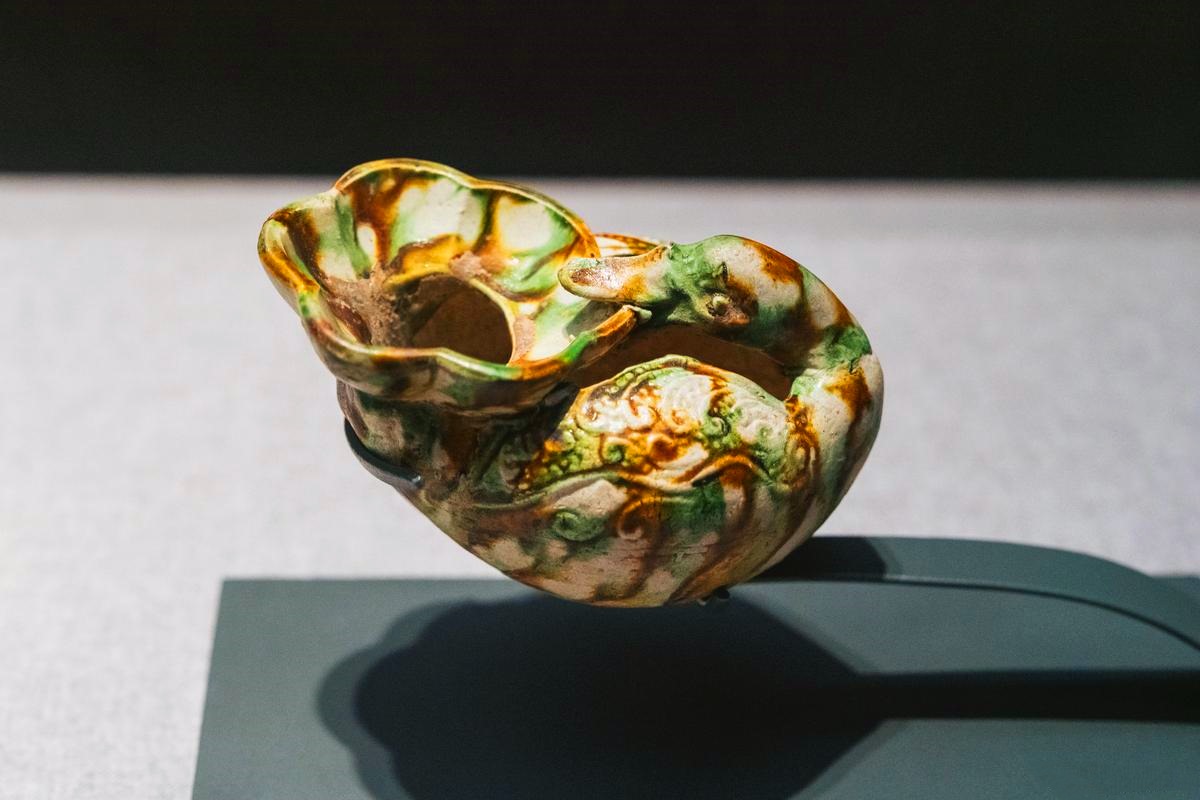
Ancient artworks carry even more irreplaceable cultural value. A Song Dynasty ceramic represents peak craftsmanship while reflecting historical aesthetics and social culture, serving as tangible history. In 2024, a Ru ware celadon piece sold for 280 million HKD at Christie’s, setting records during economic adjustment. Collectors pay premium prices specifically for the cultural and historical significance that economic cycles cannot erase.
One Suzhou collector maintains a Qing Dynasty zodiac jade set inherited from his grandfather. Despite multiple economic fluctuations, the collection has appreciated from thousands of silver dollars to tens of millions. “This isn’t just wealth,” he explains, “but family cultural heritage I wouldn’t sell regardless of economic conditions.” This emotional value elevates premium collectibles beyond ordinary assets into timeless “wealth vessels.”
Inflation Resistance: Natural Hedge Against Wealth Erosion
During economic cycles, inflation often acts as “silent wealth killer,” while premium collectibles naturally resist inflationary pressures, outperforming during loose monetary policies and preserving value during downturns.
Economic downturns typically prompt loose monetary policies and increased money supply, frequently triggering inflation. While 2024 global inflation reached 4-6% with bank interest rates at 1-2%, premium collectibles averaged 10% annual appreciation – nearly triple inflation rates over the past decade.
This inflation resistance again stems from scarcity. Loose monetary policies increase market liquidity while collectible supply remains fixed, naturally channeling funds into scarce assets. Following 2024 interest rate cuts, gold rose 12% and quality Hetian jade 8%, while food prices increased 5%. Families holding collectibles not only preserved wealth but achieved real growth.
Compared to financial assets, collectibles demonstrate more stable inflation resistance. Stocks may decline during inflation due to corporate performance and market sentiment, while collectibles often see demand increase from preservation needs, showing stronger price resilience. During 2022’s 8% global inflation, equities fell 15% while art markets gained 10%, clearly demonstrating this advantage.
Case Studies: Navigating Bull and Bear Markets
Concrete examples best illustrate the “safe haven” characteristics of premium collectibles through economic cycles.
The Qing Dynasty Hetian jade “Pine and Crane” carving sold for 6.8 million during 2015 prosperity, 7.5 million during 2018 downturn (+10%), 8.2 million during 2020 pandemic trough (+9%), reaching 9 million valuation in 2024 fluctuations. Its 3.1% annualized return over a decade exceeded the stock market’s 2.8%, demonstrating how quality materials, craftsmanship, and cultural significance support stable appreciation.
The modern master painting “Mountain Dwelling” sold for 2.2 million (2010 prosperity), 2.8 million (2012 adjustment), 3.5 million (2016 recovery), 4.1 million (2020 downturn), reaching 4.8 million in 2024. Its 7.5% 14-year annualized return significantly outperformed bonds and deposits. The collector noted increased purchase inquiries during downturns as investors sought risk hedging.
More comprehensively, a tracking study of 100 premium collectibles (jade, paintings, artworks) during 2020-2024’s complete economic cycle showed 45% average appreciation versus just 12% for 100 tracked stocks (30 of which declined). This data confirms premium collectibles not only survive market cycles but achieve substantial growth.
The Safe Haven Formula: Scarcity and Consensus
Economic cycles resemble tidal fluctuations, but premium collectibles stand as lighthouses preserving wealth through financial storms. Their cycle-defying journey relies on scarcity creating supply barriers, value independence from economic constraints, cultural endowment enabling intergenerational value transfer, and inflation resistance protecting wealth.
For ordinary investors, premium collectibles represent portfolio “ballast” rather than unattainable luxuries. Allocating to quality collectibles provides economic cycle hedging while preserving culture and emotion. However, only pieces possessing genuine scarcity, cultural depth, and superior quality truly qualify as “safe haven” assets.
In today’s complex economy, the protective qualities of premium collectibles become increasingly valuable. They remind us that true wealth preservation comes not from speculative trends but from time-tested, intrinsically valuable treasures. Understanding the core principles of scarcity and cultural consensus enables investors to maintain wealth foundation through economic fluctuations.
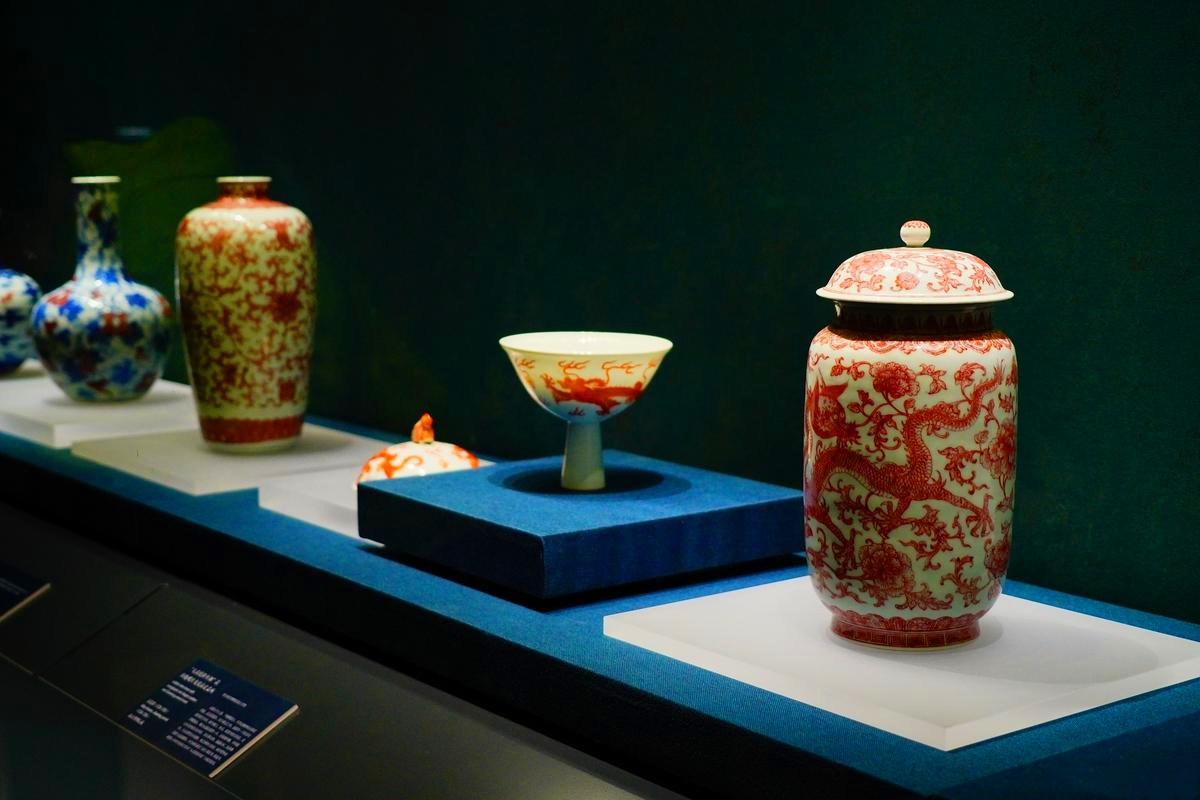
為何頂級收藏品能成為穿越經濟周期的「避風港」資產?
2024年全球經濟進入調整期,股市下跌20%,債券收益率降至1.8%,許多投資者資產大幅縮水。然而上海收藏家陳先生卻格外平靜——他書房的清代和田玉籽料雕件從年初800萬元估值升至860萬元,而投入股市的200萬元僅剩160萬元。這種「經濟冷、收藏熱」的現象絕非個案。
數據顯示,過去二十年頂級收藏品(優質玉石、名家書畫、限量藝術品)年均回報率達12%,遠超股票的6.5%和債券的3.2%。經濟下行期頂級收藏品價格波動率僅15%,大幅低於股市的40%。究竟什麼特質讓這些資產能夠逆勢突圍?
稀缺性:不可複製的價值根基
頂級收藏品抵禦經濟衝擊的根本在於極致稀缺性。它們大多不可再生、限量發行或獨一無二,這種供給剛性使其價值不隨經濟波動貶值,成為經濟浪潮中的「定海神針」。
優質玉石的稀缺性尤為典型。和田玉籽料需億萬年地質運動形成,且僅產自新疆玉龍喀什河。行業數據顯示,重量超100克的優質籽料年開採量不足100公斤。這種稀缺性決定供給不會因經濟下行增加,需求反而因避險情緒上升。
限量藝術品同樣如此。近現代名家畫作每幅皆獨一無二,藝術家逝世後不再有新作。2024年蘇富比拍賣會上,一幅近現代山水畫從500萬元起拍至880萬元成交,較2018年經濟繁榮期升值35%。真正稀缺的珍品永遠有人追捧。
與普通商品不同,頂級收藏品供給量固定不變,這種不可複製性讓它在經濟起伏中始終保持價值穩定。
價值獨立性:脫離經濟周期的自主定價
頂級收藏品的價值邏輯與金融資產完全不同,不依賴經濟增長紅利,也不會因經濟下行喪失核心價值,因此能走出獨立行情。
金融資產價值與經濟周期緊密綁定:股價取決於企業盈利,債券收益率受利率政策影響。而頂級收藏品價值主要由品質、稀缺性和文化內涵決定,與經濟周期相關性極低(2024年數據顯示與股市相關性僅0.1)。
一位資深投資人始終配置20%頂級收藏品。2008年金融危機時他的股票虧損40%,但黃金與和田玉反漲10%;2020年疫情期間股票虧損25%,名家書畫卻升值12%。這種「此消彼長」正是價值獨立性的體現。
全球市場認同進一步強化這種獨立性。無論哪個地區經濟波動,優質和田玉、翡翠、名家書畫都能找到買家。2024年歐洲經濟下行時,一件清代翡翠擺件仍以1200萬歐元成交,較2022年繁榮期高出8%。這種跨國界價值共識讓頂級收藏品不受單一地區經濟波動影響。
文化賦能:跨越時代的價值共識
頂級收藏品的價值不止於材質工藝,更在於承載的文化內涵。這種文化賦能讓價值跨越時代,不因短期經濟波動褪色,成為真正可傳承的財富。
中國和田玉承載數千年傳統文化,「君子比德於玉」理念深入人心。玉石的溫潤、堅韌象徵中國人的品格追求。這種文化認同經數千年沉澱形成,不因經濟好壞改變。普通消費者購買玉石可能為了佩戴祈福,資深藏家則看重文化價值與傳承意義,這種多元需求支撐讓頂級玉石在经济下行時保持穩定需求。
古代藝術品的文化價值更不可替代。宋代瓷器既代表當時最高制瓷工藝,也反映宋代審美風格與社會文化,是歷史見證者。2024年一件汝窯青瓷在佳士得以2.8億港元成交,在经济調整期再創新高。藏家願意支付天價,正是因為這件瓷器承載的文化價值與歷史意義是任何經濟周期都無法磨滅的。
蘇州一位老藏家收藏的清代十二生肖玉雕,從祖父傳承至今經歷多次經濟波動,價值從幾千銀元漲至數千萬元。他表示這套玉雕不僅是財富,更是家族文化傳承,無論經濟如何變化都不會出售。這種文化賦予的情感價值讓頂級收藏品超越普通資產範疇,成為能穿越時代的「財富載體」。
抗通脹屬性:對沖財富縮水的天然利器
經濟周期波動中,通脹往往是財富的「隱形殺手」,而頂級收藏品恰好具備強大抗通脹屬性,能在寬鬆貨幣政策下跑贏通脹,在经济下行時守住財富價值。
經濟下行期各國常採取寬鬆貨幣政策,增加市場貨幣供應量,易引發通脹。2024年全球多國通脹率維持4%-6%,而銀行存款利率僅1%-2%,意味現金與存款實際購買力不斷下降。但頂級收藏品價格往往能跑贏通脹——過去十年全球通脹率平均3.5%,而頂級收藏品年均漲幅達10%,是通脹率的近3倍。
這種抗通脹屬性依然源於稀缺性。寬鬆貨幣政策下市場資金增多,但頂級收藏品供給不變,資金自然流入這些稀缺資產推動價格上漲。2024年央行降息後,黃金上漲12%,優質和田玉上漲8%,同期食品價格上漲5%,意味配置頂級收藏品的家庭財富不僅沒縮水,還實現實際增值。
與金融資產相比,頂級收藏品的抗通脹表現更穩定。股票市場受企業盈利、市場情緒影響,可能在通脹期依然下跌;而頂級收藏品需求在通脹期會因避險和保值需求增加,價格更具韌性。2022年全球通脹達8%,股市下跌15%,而藝術品市場上漲10%,清晰展現其抗通脹優勢。
案例見證:穿越牛熊的實際軌跡
具體案例最能印證頂級收藏品的「避風港」屬性。
清代和田玉籽料「松鶴延年」擺件2015年經濟繁榮期以680萬元成交;2018年經濟下行期以750萬元成交(漲10%);2020年疫情經濟低谷時以820萬元成交(再漲9%);2024年經濟波動期估值達900萬元。十年間年化漲幅3.1%,超過同期股市的2.8%。這件擺件能穿越多次經濟周期,核心在於優質材質、精湛工藝和深厚文化內涵共同支撐價值穩定增長。
近現代名家書畫《山居圖》2010年以220萬元成交;2012年經濟調整期漲至280萬元;2016年經濟復甦期達350萬元;2020年經濟下行期以410萬元成交;2024年市場價達480萬元。十四年年化漲幅7.5%,遠超債券和存款收益。藏家透露,經濟下行時諮詢購買者反而更多,因投資者想通過它對沖風險。
更代表性的是群體案例:2020-2024年全球經歷完整經濟周期,某機構追蹤的100件頂級收藏品(涵蓋玉石、書畫、藝術品)平均漲幅45%,而同期100隻股票平均漲幅僅12%,其中30隻出現虧損。這充分說明頂級收藏品在完整經濟周期中不僅能穿越牛熊,還能實現可觀增值。
避風港密碼:稀缺與共識的雙重勝利
經濟周期波動如潮汐漲落,但頂級收藏品總像堅固燈塔,在風浪中守護財富價值。其穿越牛熊之路,核心是稀缺性構築的供給壁壘,讓價值不隨經濟波動隨意貶值;是價值獨立性脫離周期束縛,走出自主行情;是文化賦能賦予的長期共識,跨越時代傳承價值;是抗通脹屬性對沖財富縮水,成為天然利器。
對普通投資者而言,頂級收藏品不是遙不可及的奢侈品,而是資產組合中的「壓艙石」。配置一定比例的頂級收藏品,不仅能對沖經濟周期風險,還能傳承文化、寄託情感。但需注意,並非所有收藏品都能成為「避風港」,只有具備稀缺性、文化內涵、優質品質的頂級珍品,才能真正穿越牛熊。
在經濟日益複雜的今天,頂級收藏品的「避風港」屬性愈發凸顯。它告訴我們,真正的財富載體從來不是短期炒作熱點,而是經過時間檢驗、具備核心價值的珍品。把握稀缺性與文化共識的核心邏輯,就能在經濟周期起伏中,守住財富的基本盤。