The Art of Wearing Jade Pendants: A Complete Guide
At VirtuCasa, we believe wearing jade is an art form that blends aesthetics with ancient Chinese wisdom. More than mere adornment, jade pendants serve as personal talismans and cultural ambassadors. This refreshed guide will help you embrace this timeless tradition with confidence and style.
The Fundamentals of Jade Wearing
The Golden Rules:
- ‘Single Not Stacked’ Principle
- Wear one signature piece at a time to maintain elegance
- Avoid combining necklaces, rings, and bracelets
- Cord Selection
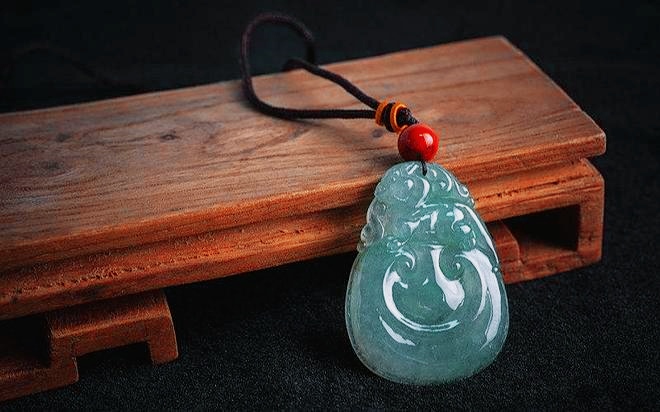
- Red silk cords attract good fortune (紅繩招祥)
- Black cords are traditionally avoided (忌用黑繩)
- Broken Jade Etiquette
- Wrap fragments in red paper for ‘jade burial’ (紅紙葬玉)
- This honors the stone’s spiritual service
Cultural Insight: Ancient Chinese believed jade contained accumulated virtue over centuries—treating it respectfully maintains this positive energy.
Choosing Your Perfect Jade
Personality Matching Guide:
| Your Vibe | Recommended Jade Type | Effect |
|---|---|---|
| Gentle & Warm | Imperial Green Jade | Enhances compassion |
| Sophisticated | Hetian White Jade | Promotes clarity |
| Energetic | Lavender Jade | Balances emotions |
| Traditionalist | Mutton Fat Jade | Connects to ancestry |
Pro Tip: Wearing jade on the left side (closer to the heart) strengthens its spiritual connection according to traditional Chinese medicine principles. Explore our jade pendant collection to find the piece that resonates with your energy.
Historical Wearing Styles
Explore how different dynasties wore jade:
Han Dynasty
- Waist pendants (腰佩) for officials
- Multiple linked pieces created soothing chimes
Tang Dynasty
- Elaborate hair ornaments (玉簪)
- Symbolized social status
Qing Dynasty
- Court necklaces (朝珠) with specific bead counts
- Thumb rings for archers (玉扳指)
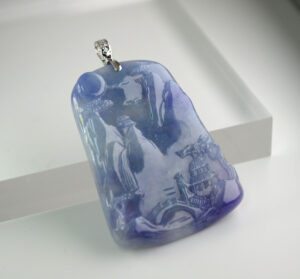
VirtuCasa Collection Highlight: Our Ming-Style Gourd Pendant replicates scholar-official waist ornaments.
Care & Maintenance
Do’s:
- Clean monthly with spring water
- Store in silk pouches
- Rotate pieces seasonally
Don’ts:
- Expose to perfumes/chemicals
- Wear in saunas/swimming
- Let others handle frequently
Fun Fact: Well-cared-for jade develops a luminous ‘skin’ called bao jiang (包漿) over years of wear. For detailed care tips, visit our jade care guide.
Cultural Taboos
- Gifting Rules
- Never gift personal jade worn more than 3 months
- Decline jade from strangers (may carry unwanted energy)
- Behavioral Guidance
- Maintain positive thoughts while wearing
- Remove during arguments or negativity
- Special Circumstances
- Pregnant women should select rounded forms
- Avoid animal carvings during zodiac conflicts
Modern Styling Tips
For Professionals:
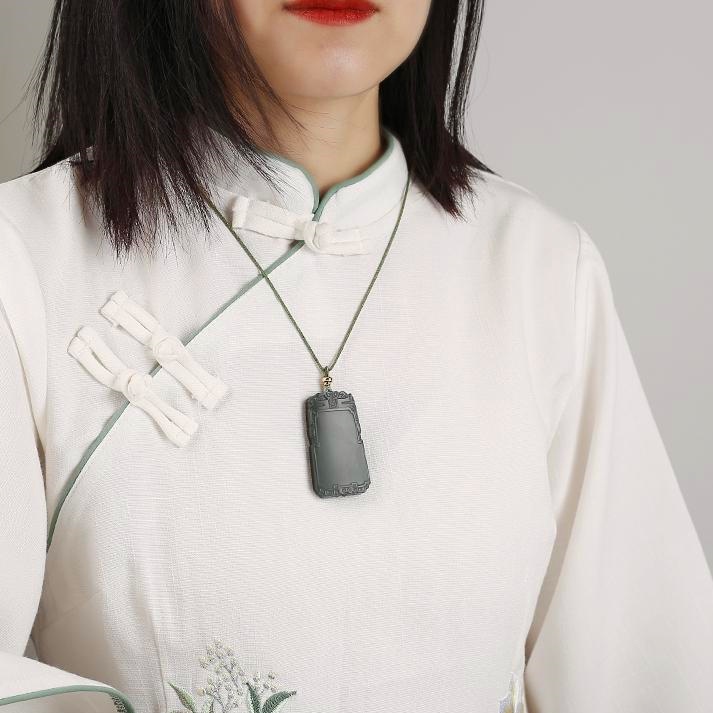
- Pair minimalist pendants with blazers
- Choose smaller (2-3cm) high-quality pieces
Casual Wear:
- Experiment with carved charms
- Mix with leather cords for contemporary looks
Special Occasions:
- Heirloom-quality bangles for weddings
- Mythological carvings for festivals
Style Insight: Contemporary Chinese celebrities often layer jade with modern jewelry at international events, proving jade’s timeless versatility.
VirtuCasa’s Authenticity Promise
Every jade piece includes:
- Gemological certification
- Historical style notes
- Custom care instructions
Begin your jade journey with our Starter Guide Collection—specially curated for first-time buyers.
FAQ
How should I clean my jade pendant?
Clean your jade pendant monthly using only spring water and a soft cloth. Avoid harsh chemicals or ultrasonic cleaners. For detailed instructions, refer to our jade care guide.
Can I wear jade every day?
Yes, jade is durable enough for daily wear. However, remove it during strenuous activities, swimming, or saunas to protect the stone and cord.
What does it mean if my jade pendant breaks?
In Chinese tradition, a broken jade is thought to have absorbed negative energy meant for the wearer. Wrap the fragments in red paper and bury them respectfully.
Which side should I wear my jade pendant?
Wear your jade on the left side, closer to the heart, to strengthen its spiritual connection and benefit from traditional Chinese medicine principles.