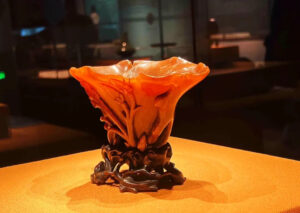
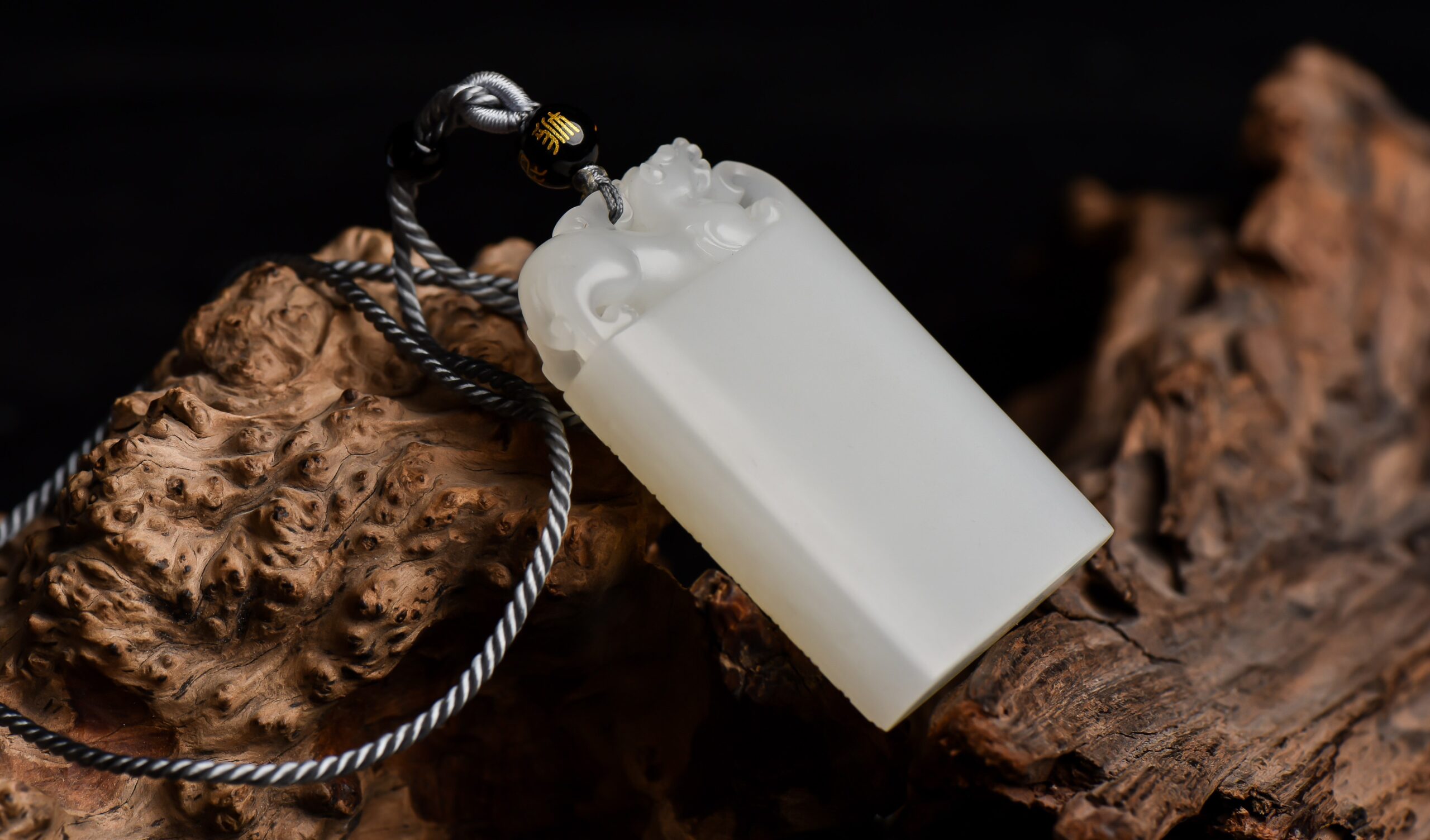
Why Ancient Chinese Wore Jade: A Cultural Exploration
At VirtuCasa, we explore the profound cultural significance behind jade’s enduring popularity in Chinese civilization. More than just decorative objects, jade artifacts represent a philosophical system that shaped Chinese values for millennia.
The Moral Dimension: Jade as Virtue Embodied
Ancient Chinese literati didn’t value jade for its material worth alone. As Confucian philosophy developed during the Spring and Autumn period (771–476 BCE), scholars began attributing moral qualities to jade’s physical properties:
- Texture – Represented benevolence (its smoothness suggests kindness)
- Luster – Signified integrity (its radiance implies honesty)
- Density – Demonstrated wisdom (its compactness indicates intelligence)
- Hardness – Embodied righteousness (its durability conveys moral strength)
- Purity – Symbolized ethical conduct (its flawlessness mirrors virtue)
This conceptual framework culminated in Xu Shen’s Eastern Han dynasty (25–220 CE) definition of the “Five Jade Virtues,” which became central to Confucian thought. The famous adage “A gentleman never parts with jade without reason” illustrates how jade became synonymous with moral character.
Social Significance: Jade as Status Marker
Beyond philosophy, jade served practical social functions across dynasties:
Zhou Dynasty Ritual System
- Emperors wore white jade with black ribbons
- Dukes wore dark jade with red ribbons
- Officials wore blue-green jade with plain ribbons
Tang Dynasty Identification System
- Royal family: Jade fish pendants
- High-ranking officials: Gold fish pendants
- Lower officials: Bronze fish pendants
Qing Dynasty Court Regulations
- Mandatory jade court beads for officials above fifth rank
- Specific colors denoted different bureaucratic positions
These systems transformed jade into visible indicators of social hierarchy and political authority.
Practical Applications: Beyond Adornment
Jade served multiple functional purposes in ancient life:
1. Official Credentials
- Jade tallies (圭) verified aristocratic identities
- Split fish pendants authenticated official documents
2. Behavioral Reminders
- Hasty officials wore soft leather to cultivate patience
- Sluggish administrators wore taut cords to encourage diligence
3. Health Preservation
Traditional Chinese medicine attributed numerous benefits to jade:
- Cooling internal heat
- Calming respiratory distress
- Improving skin conditions
- Enhancing vocal clarity
Historical medical texts like the “Compendium of Materia Medica” (本草綱目) documented these therapeutic applications.
The Science Behind the Legend
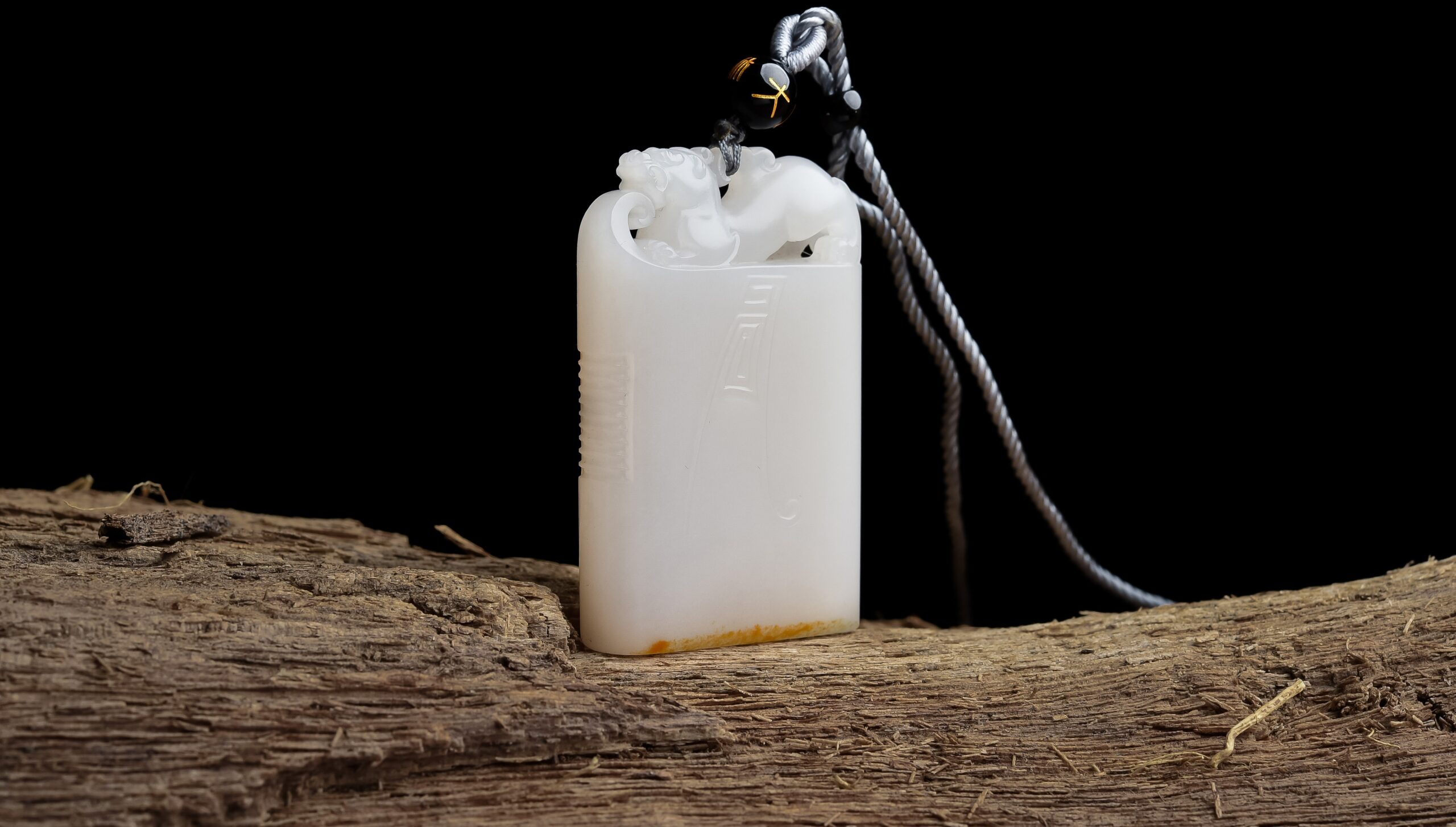
Modern research validates some traditional beliefs about jade’s properties:
- Thermal Conductivity
Jade maintains temperature exceptionally well, explaining its soothing effect on skin. - Trace Minerals
Elements like zinc, magnesium, and iron may gradually transfer through skin contact. - Psychological Impact
The meditative practice of “playing with jade” (盤玉) reduces stress through repetitive motion.
Evolution of Jade Culture
While maintaining its sacred status, jade’s social role transformed over time:
- Shang-Zhou Period
Primarily ritual objects for ancestral worship - Han-Tang Era
Status symbols for aristocracy and officials - Song-Ming Dynasties
Scholarly collectibles expressing refined taste - Qing Dynasty
Commercialized luxury goods alongside wider accessibility
VirtuCasa’s Jade Collection
We offer museum-quality pieces representing each historical period:
- Neolithic Ritual Blades
- Han Dynasty Bi Disks
- Tang Dynasty Fish Pendants
- Qing Imperial Seals
Each artifact includes:
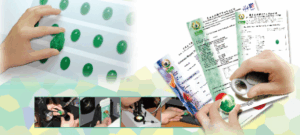
- Scientific authentication
- Historical context documentation
- Cultural significance analysis
Explore how jade continues to inspire at VirtuCasa Collectors’ Academy.
Final Thought: Jade’s enduring appeal lies in its unique ability to embody both celestial perfection and human virtue—a bridge between heaven and earth that continues to captivate collectors worldwide.
Read More
- Jadeite Bracelet Bead Size & Color Matching GuideJadeite bracelet bead size & color matching guide: learn how bead diameter, hue, and wrist fit affect comfort and value before you buy natural jadeite.
- Jadeite Tri-Color Necklace vs Bracelet: Which to Buy First?Jadeite tri-color necklace vs bracelet: compare quality, fit, and value to decide which natural jadeite piece to buy first. A practical buyer’s guide.
- Jadeite Color Under Different Light: Why Your Bracelet ShiftsWhy does jadeite color change under different light? Learn the gemology behind color shift and how to judge jadeite color before you buy.
- How to Read Ming Dynasty Reign Marks on PorcelainLearn how to read Ming dynasty reign marks on porcelain: the six-character format, kaishu script, double rings, and the clues that reveal later copies.
- Jadeite Bracelet on a Budget: What $200 vs $2,000 BuysShopping for a jadeite bracelet? Learn what separates entry-level from premium jadeite, plus real picks from VirtuCasa’s natural jadeite collection.