Don’t Compromise on Quality: The Hidden Dangers of Wearing Type C & D Treated Jadeite
Today we address a crucial topic: what are the actual dangers of wearing low-quality Type C and Type D jadeite long-term? For the sake of both health and aesthetics, we must clarify these issues to help everyone avoid pitfalls and choose jadeite wisely!
What are Type C and Type D Jadeite?
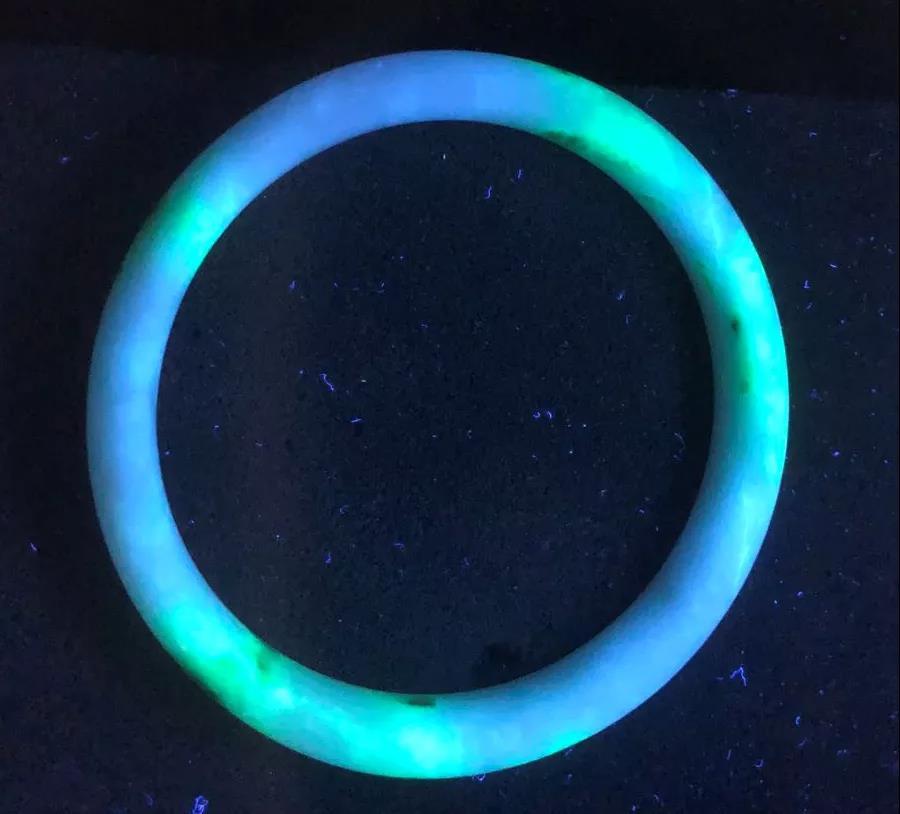
Type C Jadeite: Refers to dye-treated jadeite. To enhance color appearance, some merchants use chemical dyes to make ordinary jadeite resemble high-end pieces. These dyes often penetrate the stone, leaving behind residues that can be harmful.
Type D Jadeite: Direct counterfeit jadeite, typically made from glass, imitation stones, or other materials pretending to be jadeite—completely unnatural and lacking any of jadeite’s inherent properties.
While these pieces may appear ‘glamorous’ superficially, they potentially conceal risks that can significantly impact both health and quality of life when worn long-term.
1. Chemical Residues Harm Skin
Type C jadeite undergoes acid washing and dyeing with chemical treatments to achieve brighter colors. These processes leave substantial chemical residues within the jadeite, including acidic substances or dye components.
Hazards:
- People with sensitive skin may experience allergies, redness, swelling, and itching after wearing
- Long-term sweat contact with chemical residues may lead to skin absorption of harmful substances, endangering health
2. Discomfort and Psychological Impact
Type D jadeite isn’t jadeite at all—usually glass, plastic, or other imitations. Its texture and warmth differ drastically from natural jadeite, lacking that refined, comfortable feel genuine jadeite provides.
Hazards:
- Counterfeits tend to feel dry and rough—uncomfortably hot in summer, unpleasantly cold in winter, offering poor wearing experience
- Long-term wearing of ‘counterfeits’ may affect mood, making you feel deceived—spending money without getting quality
3. Poor Quality, Low Energy Value
Natural jadeite contains trace elements that facilitate beneficial energy exchange with the human body, regulating emotions and promoting health. Type C and D jadeite, due to chemical treatments or material falsification, lose these natural attributes entirely.
Hazards:
- Cannot provide the calming effects and health benefits natural jadeite offers
- May even create psychological burden through long-term wearing, making people increasingly distressed
4. Damages Personal Style and Image
Jadeite represents cultural and taste symbolism, while inferior jadeite—with poor quality and unnatural colors—often appears obviously problematic. Wearing it not only fails to enhance your elegance but may raise doubts about your aesthetic judgment.
Hazards:
- Inferior jadeite colors appear stiff and overly bright, making wearers look cheap and unrefined
- Being recognized as counterfeit in social situations may cause embarrassment, damaging your image
Virtucasa’s Professional Advice: How to Avoid Type C & D
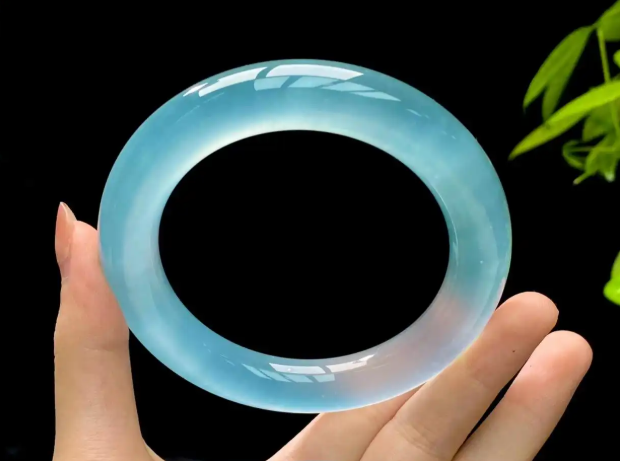
Verify Authoritative Certificates: Natural jadeite comes with authoritative appraisal certificates clearly stating ‘Natural Type A Jadeite.’ Type C certificates note ‘treated,’ while Type D cannot pass authentication. Browse our certified jadeite collection for peace of mind.
Examine Color and Texture: Natural jadeite shows natural, soft colors, while Type C colors often appear superficial and excessively vibrant. Type D lacks jadeite’s characteristic warm, smooth texture.
Choose Reputable Merchants: Trusted specialists like Virtucasa, focused specifically on jadeite, guarantee quality while providing professional guidance for confident purchases. Always insist on natural Type A jadeite for lasting value.
FAQ
How can I tell if my jadeite is Type C or D?
Look for official certification. Type A jadeite will have a certificate stating ‘Natural Jadeite.’ Type C will indicate ‘treated,’ and Type D cannot be certified. Also, observe the color: natural jadeite has soft, even tones, while treated pieces often have unnaturally bright or streaky colors.
Is it safe to wear Type C jadeite occasionally?
Even occasional wear can expose skin to chemical residues. It’s best to avoid any treated jadeite to prevent skin irritation and ensure you enjoy the true benefits of natural jadeite.
Why does VirtuCasa recommend Type A jadeite only?
At VirtuCasa, we prioritize quality and health. Our collection features only natural, untreated jadeite, ensuring you receive the aesthetic, energetic, and durable benefits that genuine jadeite is known for.
Conclusion
Long-term wearing of inferior jadeite not only harms physical health but also significantly compromises your elegance and quality of life. When selecting jadeite, avoid chasing cheap prices and insist on natural Type A jadeite—preserving both value and refined taste. Shop our premium jadeite today.
Shop Now
- Demo2 products
- Antiques56 products
- Classical Chinese Antiques4 products
- Jade Jewelry Collection4 products
- Jadeite138 products
- Jadeite Bracelets43 products
- Jadeite Earrings8 products
- Jadeite Necklaces7 products
- Jadeite Pendants64 products
- Jadeite Rings16 products