The Export of Yuan Dynasty Porcelain: A Gateway to Chinese Cultural Influence
The term “Yuan Porcelain Export” refers to the international trade activities during the Yuan Dynasty (1271–1368), specifically focusing on the export of Chinese porcelain. As a vital component of Chinese cultural heritage, Yuan porcelain not only bore the unmistakable mark of Chinese craftsmanship but also gained widespread recognition abroad, marking the beginning of its global journey.
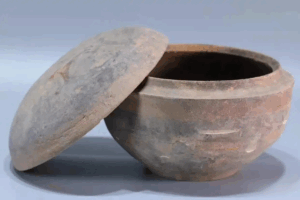
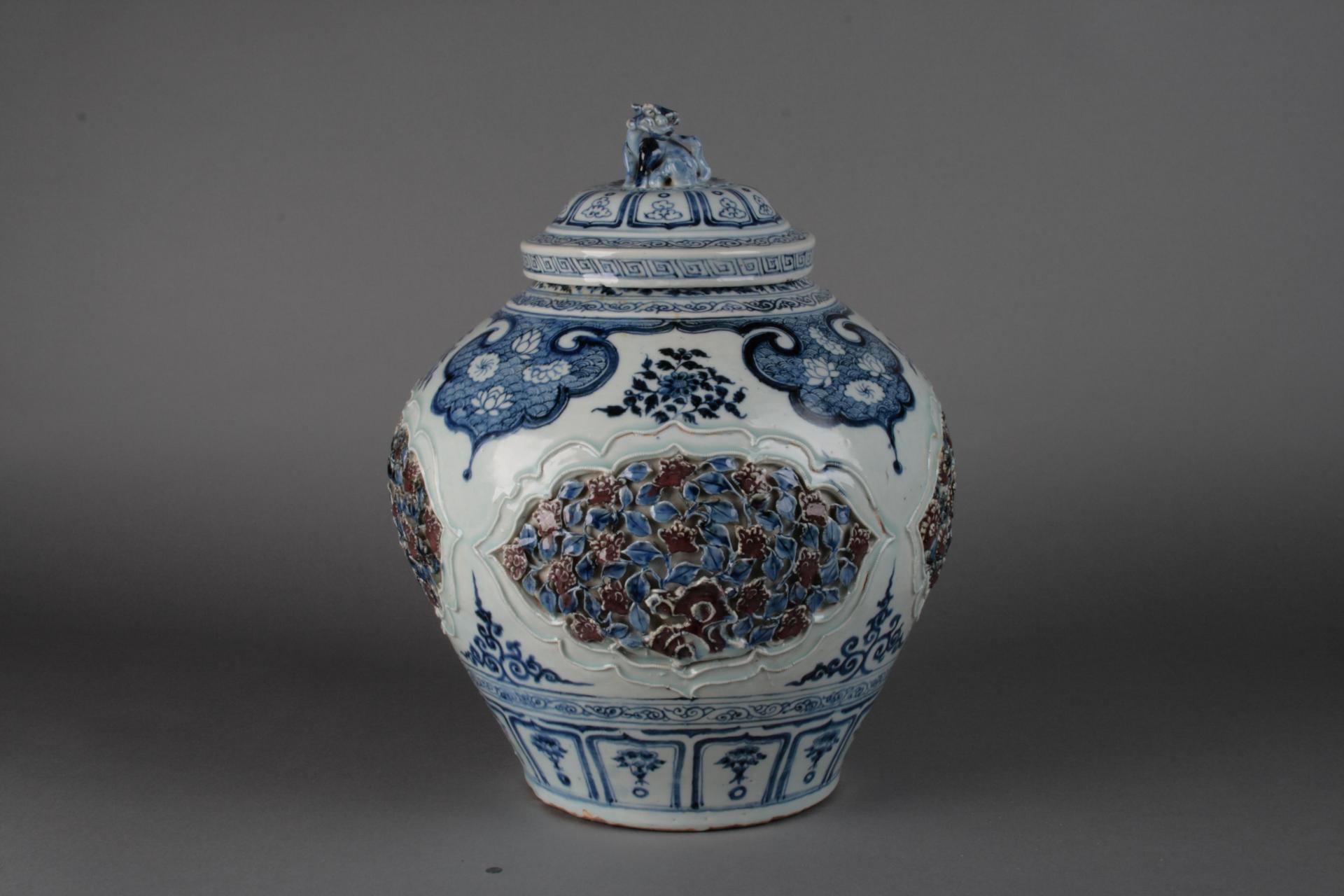
Numerous Yuan porcelain pieces have been unearthed in various foreign regions, including El-Buqar in Egypt, Sargula in Armenia, Fahraj in Iran, and Bali in Indonesia. Common forms discovered include straight-rimmed bowls, rounded-belly bowls, semi-circular mouth bowls, semi-circular vases, and other distinctive shapes. In terms of material and decoration, most pieces feature a bright white glaze, though examples of blue-and-white (qinghua), underglaze painted designs, and overglaze enameling are also prevalent. These works exhibit a range of artistic expressions, from intricate patterns to minimalist, unadorned surfaces.
According to records in Zhufan Zhi (Records of Foreign Peoples) compiled in Hangzhou, the Yuan Dynasty witnessed large-scale porcelain exports. This trade was termed “wàixiāo” (export sales), signifying porcelain’s role as a commodity sold overseas. Numerous regions participated in this trade, including Sri Lanka, India, ancient Java, Japan, and various Southeast Asian countries. These imports primarily occurred through trade, often involving barter exchanges or direct monetary transactions.
The uniqueness of Yuan porcelain exports lies in their high volume, exceptional quality, and esteemed reputation abroad. This can be attributed to the dynasty’s advanced firing techniques, standardized production methods, and continuous technological innovations. During the Yuan period, porcelain products were subject to quality inspections, and the imperial court enforced strict standards and supervision over kiln production, ensuring consistently high-quality output.
In summary, the Yuan Dynasty represents a pivotal era in Chinese history, and the export of Yuan porcelain holds significant importance in the annals of Chinese ceramic history. This period highlights the emergence of influential cultural artifacts that have profoundly impacted human civilization.

元瓷外銷:中國文化影響力的門戶
「元瓷外銷」一詞,指的是元朝(1271–1368)時期的國際貿易活動,尤其專注於中國瓷器的出口。作為中國文化遺產的重要組成部分,元瓷不僅帶有明確的中國工藝標記,也在海外獲得了廣泛的認可,標誌著其全球之旅的開始。
在許多外國地區出土了大量的元瓷碎片,包括埃及的El-Buqar、亞美尼亞的Sargula、伊朗的Fahraj以及印尼的巴里。常見發現的器形包括直口碗、圓腹碗、半圓口碗、半圓瓶以及其他獨特造型。在材質與裝飾方面,大多數器物擁有明亮的白釉,但也有青花、釉下彩繪以及釉上彩繪等例子。這些作品展現了多樣的藝術表現形式,從繁複的紋飾到樸素無紋的素面。
根據杭州編纂的《諸蕃志》所載,元朝見證了大規模的瓷器出口。這種貿易被稱為「外銷」,意指瓷器作為商品銷往海外。許多地區參與了這項貿易,包括僧伽羅國(斯里蘭卡)、印度、古爪哇、日本以及東南亞各國。這些進口主要通過貿易進行,常以物物交換或直接貨幣交易的形式發生。
元瓷外銷的獨特之處在於其數量龐大、品質卓越以及在海外享有的崇高聲譽。這可歸因於元代先進的燒製技術、標準化的生產方法以及持續的技術創新。在元朝時期,瓷器產品需經過品質檢驗,朝廷對窯場生產實施了嚴格的標準與監督,確保了持續的高品質輸出。
總而言之,元朝是中國歷史上一個關鍵時期,而元瓷外銷在中國陶瓷史上佔有重要地位。這一時期凸顯了那些對人類文明產生深遠影響的偉大文化遺存的湧現。