The Complete Guide to Gold Jewelry: From Elemental Properties to Cultural Significance
Elemental Profile of Gold
Chemical Symbol: Au | Color: Reddish-yellow | Density: 19.329 g/cm³ | Atomic Weight: 195.09
Atomic Number: 79 | Luster: Metallic | Mohs Hardness: 2.5 | Melting Point: 1064.43°C
Boiling Point: 2808.8°C | Electrical Conductivity: 41.6×10⁴ | Thermal Conductivity: 296.01 W/(m·V)
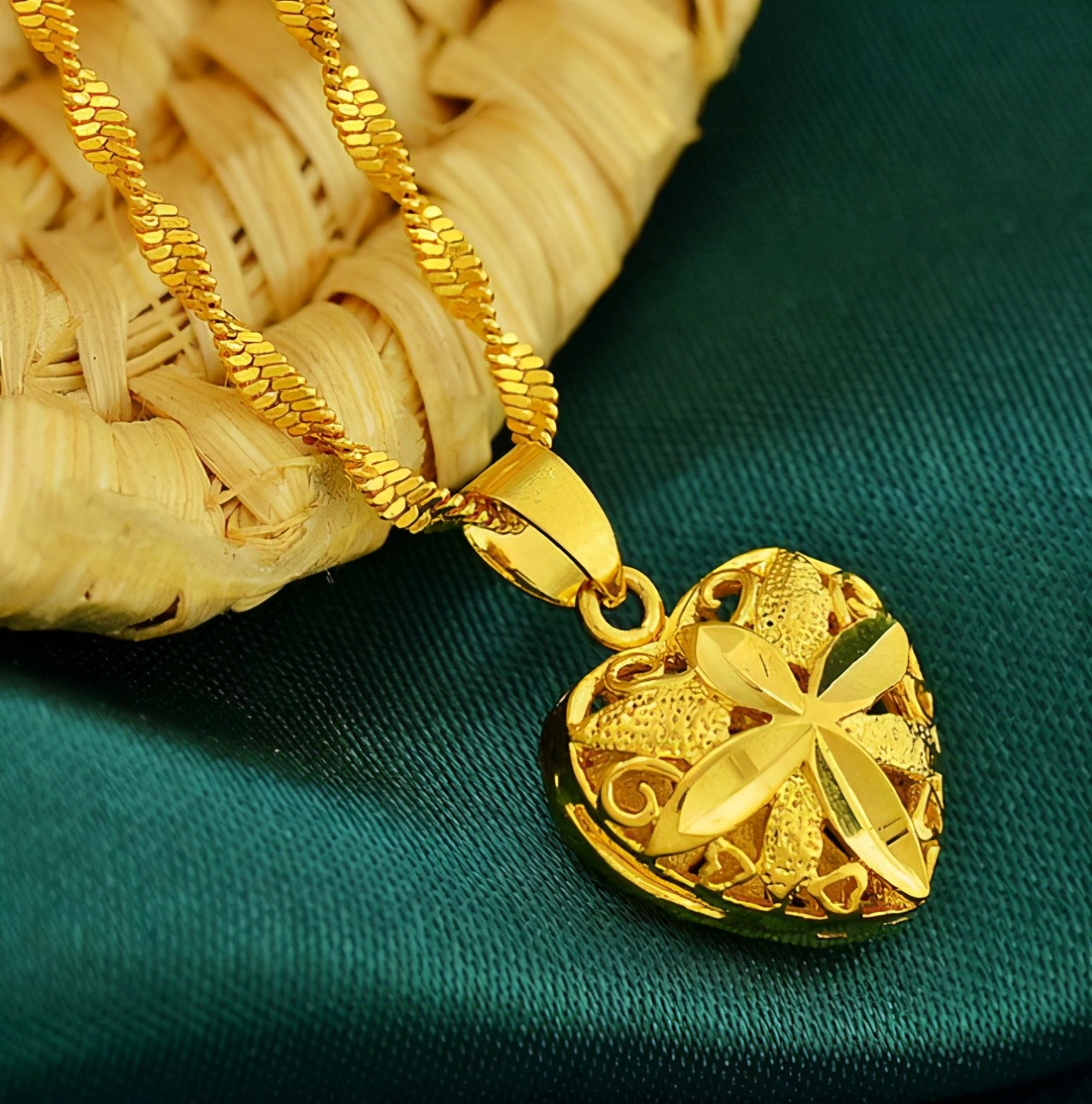
Gold (commonly called “yellow metal”) represents the pinnacle of precious metals, historically regarded as the “king of metals” measured in “gold units.” This mesmerizing element possesses almost magical allure, captivating civilizations throughout history with its irresistible charm.
I. Physical Properties of Gold
(1) Exceptional Stability: Resists oxidation in air and remains insoluble in most acids, maintaining its brilliance across centuries.
(2) High Density: At 19.329 g/cm³, gold is 2.19 times denser than copper and 2.27 times denser than brass, giving it substantial heft.
(3) Fire Resistance: Maintains color after cooling from molten state (melting point: 1064°C). The saying “real gold fears no fire” originates from this property. Production waste (powder) is easily recyclable with minimal loss.
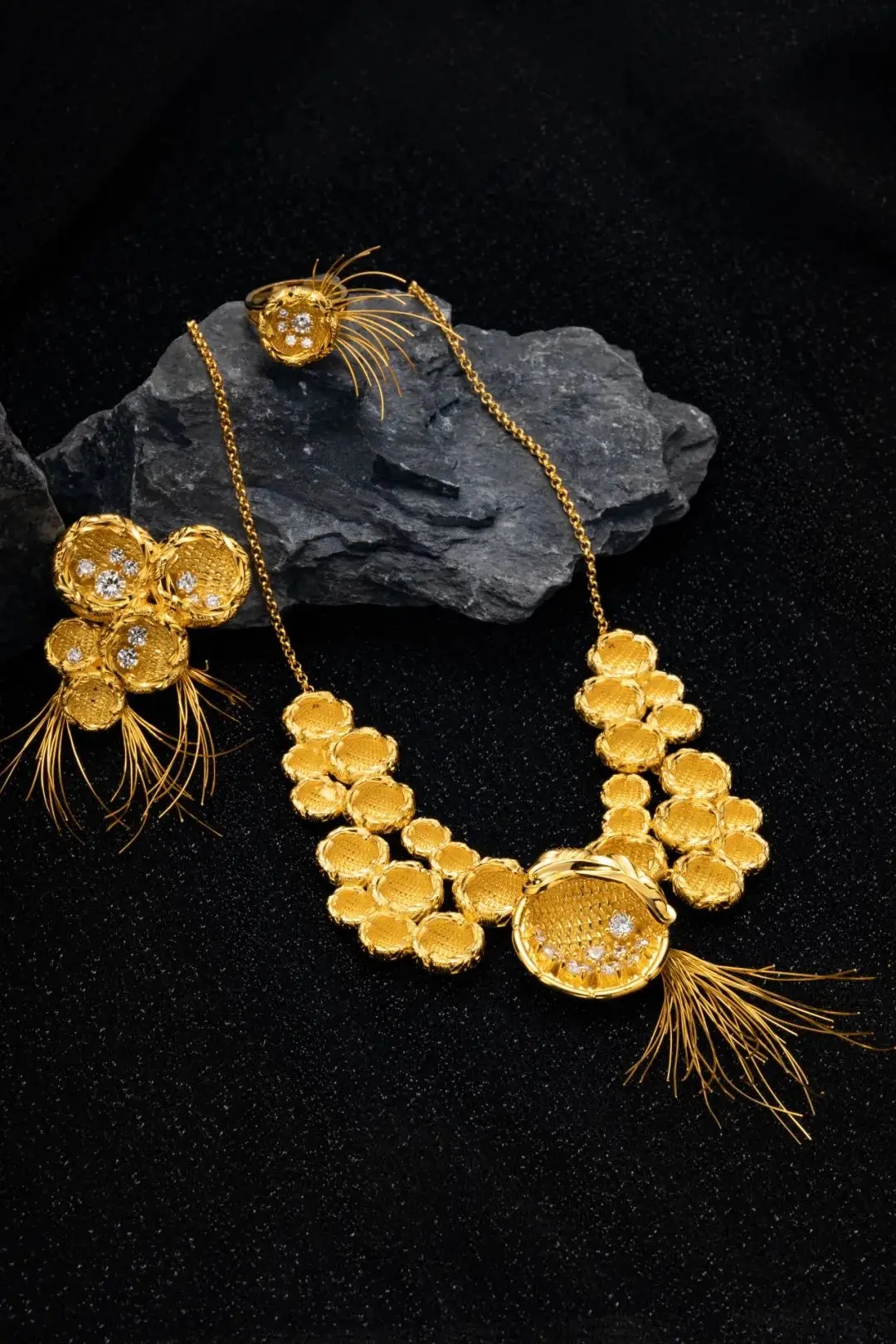
(4) Remarkable Malleability: Can be drawn into extremely fine wires or hammered into translucent sheets just 0.0001mm thick without breaking.
(5) Distinctive Color: The warm, reddish-yellow hue symbolizes prosperity and good fortune across cultures, creating immediate emotional appeal.
(6) Low Hardness: With hardness under 3, gold shows tooth marks when bitten and can be scratched with fingernails, making it ideal for intricate jewelry crafting.
(7) Superior Conductivity: Excellent thermal and electrical conductor, though high cost limits use to premium applications like smartphones and aerospace technology.
(8) Natural Occurrence: Often found as native gold in placer deposits. Its high density enables panning extraction, though limited reserves make mining expensive despite relative accessibility.
II. Chemical Characteristics
Gold demonstrates extraordinary chemical stability, resisting oxidation even when heated to melting point. Insolubility in most acids ensures easy preservation. However, it dissolves in aqua regia and cyanide solutions (potassium/sodium cyanide), enabling extraction via these methods. Reacts with iodine (50°C), fluorine (100°C), and mercury (room temperature) to form amalgams. Gold’s inertness toward sulfur compounds confirms its chemical stability.
III. Understanding Gold Types
Raw Gold: Commercial term for naturally occurring gold including placer deposits, quartz vein gold, and unrefined material, typically with low purity.
Refined Gold: Industrially purified gold with significantly higher purity levels, commercially termed “熟金” (mature gold).
IV. The Karat System Explained
Pure gold is theoretically 100% gold (24K), though maximum achievable purity reaches 99.9999999999999% (16 nines). Karat measurements vary globally:
- South Africa: 99.6% = 24K
- Russia/Japan: 99.99% = 24K
- Hong Kong/Macau: 94.5% = 24K
- China: 99.1%-99.99% = 24K
Traditional Chinese identification relied on visual assessment: “一赤、二黄、三青、四白” (First red, second yellow, third blue-green, fourth white) or “七青、八黄、九赤” indicating 95%, 80%, and 70% purity respectively.
Karat Calculations:
24K = 100% | 1K = 4.1667% | 18K = 75% | 12K = 50% | 8K = 33.333%
V. Global Gold Consumption Patterns
China: Prefers high-purity gold for monetary investment value
United States: Favors 10K-18K for better gemstone setting and durability
Europe: Typically 14K-22K, with Italy accepting 8K minimum for enhanced hardness and shine
VI. Modern Chinese Gold Standards
Following 2000 national standards, gold jewelry must display manufacturer marks and purity (e.g., 375=9K, 750=18K, 990=足金, 999=千足金). Weight must show three decimal places (e.g., 2.345g).
VII. International Measurement Conversions
Key conversions for collectors:
1 troy ounce = 31.1035g | 1 tael = 31.25g
1 qian = 3.125g | 1 Hong Kong tael = 37.429g
International prices use troy ounces; Hong Kong uses司马两.
VIII. Colored Gold Jewelry
Alloying creates diverse gold colors:
- Cobalt → Blue gold
- Aluminum/Silver/Cadmium/Copper → Green gold
- Silver/Copper/Iron → Black gold
These innovations meet modern aesthetic demands while maintaining gold’s intrinsic value.
IX. Gold Authentication Methods
- Fire Test: Melt and cool – high purity gold maintains color without dark surface film
- Hardness Test: Gold shows tooth marks and deep scratches; brass produces clearer sound when dropped
- Weight Test: Gold feels substantially heavier than plated alternatives
- Visual Inspection: High-purity gold shows reddish hue under magnification
- Streak Test: Compare against standard samples on touchstone with acid testing
- Mercury Reaction: Gold whitens when amalgamated but recovers color after heating
Gold’s enduring appeal combines scientific uniqueness with cultural significance, making it both a beautiful adornment and reliable store of value for collectors worldwide.
黃金首飾完整指南:從元素特性到文化意義
黃金元素檔案
化學符號:Au | 顏色:赤黃色 | 密度:19.329 g/cm³ | 原子量:195.09
原子序數:79 | 光澤:金屬光澤 | 莫氏硬度:2.5 | 熔點:1064.43°C
沸點:2808.8°C | 導電性:41.6×10⁴ | 導熱性:296.01 W/(m·V)
黃金(俗稱金子)代表了貴金屬的巔峰,歷史上被尊為「金屬之首」,以「金位」衡量。這種迷人的元素擁有近乎神奇的吸引力,以其不可抗拒的魅力迷醉了整個文明史。
一、黃金的物理特性
(1) 卓越穩定性:在空氣中抗氧化,不溶於大多數酸,歷經幾個世紀仍保持其光輝。
(2) 高密度:密度達19.329 g/cm³,黃金比銅重2.19倍,比黃銅重2.27倍,賦予其沉甸甸的質感。
(3) 耐火性:從熔融狀態冷卻後保持顏色不變(熔點:1064°C)。「真金不怕火煉」的俗語正是源自這一特性。生產廢料(粉末)易回收,損耗極小。
(4) 非凡延展性:可拉成極細金絲或錘打成僅0.0001毫米厚的透明金箔而不斷裂。
(5) 獨特色澤:溫暖的赤黃色調在各種文化中象徵繁榮與好運,創造出直接的情感吸引力。
(6) 低硬度:硬度低於3,黃金被咬時會顯示牙印,可用指甲劃出痕跡,使其成為複雜珠寶製作的理想材料。
(7) 優異導電性:卓越的熱電導體,但因成本高昂僅限於高端應用如智能手機和航空航天技術。
(8) 自然存在:常以沙金形式存在於沖積礦床中。高密度特性使其可通過淘洗提取,儘管開採相對容易,但有限儲量使得開採成本昂貴。
二、化學特性
黃金表現出非凡的化學穩定性,即使加熱至熔點也不氧化。不溶於大多數酸的特性確保了容易保存。然而,它溶於王水和氰化物溶液(氰化鉀/鈉),使得通過這些方法提取成為可能。與碘(50°C)、氟(100°C)和汞(室溫)反應形成汞齊。黃金對硫化合物的惰性證實了其化學穩定性。
三、理解黃金類型
荒金:商業術語,指自然形成的黃金,包括沙金、石英脈金和未提煉材料,通常純度較低。
熟金:工業提純後的黃金,純度顯著提高,商業上稱為「熟金」。
四、K金系統詳解
純金理論上為100%黃金(24K),儘管最高可達純度為99.9999999999999%(16個9)。各國K金標準不同:
- 南非:99.6% = 24K
- 俄羅斯/日本:99.99% = 24K
- 香港/澳門:94.5% = 24K
- 中國:99.1%-99.99% = 24K
傳統中國鑑定方法依賴視覺評估:「一赤、二黃、三青、四白」或「七青、八黃、九赤」,分別表示95%、80%和70%的純度。
K金計算:
24K = 100% | 1K = 4.1667% | 18K = 75% | 12K = 50% | 8K = 33.333%
五、全球黃金消費模式
中國:偏愛高純度黃金,看重貨幣投資價值
美國:青睞10K-18K,更適合寶石鑲嵌和耐久性
歐洲:通常14K-22K,意大利接受最低8K以增強硬度和光澤
六、現代中國黃金標準
根據2000年國家標準,黃金首飾必須顯示廠記和純度(如375=9K,750=18K,990=足金,999=千足金)。重量必須顯示三位小數(如2.345克)。
七、國際計量換算
收藏家關鍵換算:
1金衡盎司 = 31.1035克 | 1兩 = 31.25克
1錢 = 3.125克 | 1香港司馬兩 = 37.429克
國際金價使用金衡盎司;香港使用司馬兩。
八、色金首飾
合金化創造多樣黃金顏色:
- 鈷 → 藍金
- 鋁/銀/鎘/銅 → 綠金
- 銀/銅/鐵 → 黑金
這些創新在保持黃金內在價值的同時滿足了現代審美需求。
九、黃金真偽鑑別方法
- 火燒測試:熔化冷卻後——高純度黃金保持顏色不變,表面無黑皮
- 硬度測試:黃金顯示牙印和深劃痕;黃銅落地聲音更清脆
- 重量測試:黃金手感明顯重於鍍金替代品
- 肉眼觀測:高純度黃金在放大下顯示赤色調
- 條痕測試:在試金石上與標準樣品比較並進行酸測試
- 汞反應:黃金汞齊化時變白,但加熱後恢復顏色
黃金的持久吸引力結合了科學獨特性與文化意義,使其既成為美麗的裝飾品,又是全球收藏家可靠的價值儲存手段。
Read More
- Buying Guides (111)
- Collectors' Academy (192)
- Care Academy (8)
- Investment Academy (25)
- Jade Crafting Techniques (29)
- Michelle Au: The Gemstone Luminary (11)
- The Precious Metals & Jewels Compendium (54)