Commonly Confused Gemstone Concepts: An Essential Guide for Collectors
Navigating the world of gemstones can be as intricate as the stones themselves. Terms like synthetic, artificial, composite, and reconstructed are often used interchangeably, yet they describe fundamentally different products. This guide clarifies these distinctions, explores the paradox of hardness versus brittleness, and highlights other key concepts that every collector should understand. For those drawn to natural treasures, VirtuCasa offers a curated selection of natural jadeite and Chinese antiques.
I. Understanding Different Categories of Manufactured Gemstones
Synthetic Gemstones
These are laboratory-created gems that possess the same physical, chemical, and crystal properties as their natural counterparts. Examples include synthetic diamonds, created rubies and sapphires, and laboratory-grown emeralds. While chemically authentic, they are formed in controlled environments rather than through the slow, natural geological processes that produce mined stones. For those who value the authenticity of nature, explore natural jadeite at VirtuCasa.
Artificial Gemstones
Unlike synthetics, artificial gemstones are human-made materials with no natural gemological equivalents. Strontium titanate and YAG (yttrium aluminum garnet) are prime examples, developed for specific optical properties and lacking any mineral counterpart in nature.
Composite Gemstones
These are assembled from two or more different gem materials bonded together to enhance appearance or durability. Common examples include opal triplets and garnet-topped glass doubles, where layering creates a more appealing or robust stone.
Reconstructed Gemstones
Created by fusing natural gem fragments or powders under heat and pressure, reconstructed stones like amber and turquoise transform small or flawed pieces into larger, usable gems. While they originate from natural materials, the process alters their integrity.
II. The Hardness vs. Brittleness Paradox
A common misconception is that harder gemstones are more durable overall. In reality, hardness measures resistance to scratching, while brittleness indicates susceptibility to breakage from impact. Diamond, with a Mohs rating of 10, perfectly illustrates this paradox: it is extremely scratch-resistant yet can cleave easily from a sharp blow. Understanding this distinction is crucial for proper handling and care, as wear resistance does not always equal structural toughness.
III. Density as a Quality Indicator
Gem density (specific gravity) is a useful identification tool, but it should never be the sole determinant of quality. A gem’s true value arises from the interplay of color saturation, transparency, cut precision, rarity, and the absence of detrimental inclusions. A dense stone with poor color and visible flaws is worth far less than a lighter stone with exceptional brilliance and hue. When evaluating pieces, prioritize these visual and qualitative factors over density alone. Browse fine jadeite jewelry at VirtuCasa to see how color and clarity elevate a gem’s worth.
IV. Comprehensive Hardness Testing Methods
Modern gemology employs several techniques to assess hardness beyond the traditional scratch test. Each method provides unique insights into a stone’s durability and treatment history:
- Scratch Testing: The classic Mohs method, comparing a mineral’s resistance to being scratched by reference minerals.
- Electronic Measurement: Precision instruments that quantify surface hardness with high accuracy.
- Facet Edge Examination: Assessing wear patterns on facet junctions to gauge how a stone has held up over time.
- Surface Abrasion Analysis: Evaluating minute scratches under magnification to detect signs of wear or polishing.
Combining these methods offers a more complete picture of a gemstone’s physical resilience.
V. Dichroism vs. Color Change Phenomena
Dichroism (Pleochroism)
Anisotropic gems display different colors when viewed from different crystal directions. Iolite is a classic example, showing violet-blue, gray, and yellow-brown hues depending on the angle of observation. This optical property is a powerful identification tool for gemologists.
Color Change Phenomenon
Some gems exhibit dramatic color shifts under different light sources. Alexandrite is the most celebrated example, transforming from green in daylight to red under incandescent light. This phenomenon arises from the stone’s unique absorption of light wavelengths.
These distinct optical behaviors stem from different crystal structures and light interaction mechanisms, making them valuable for distinguishing between similar-looking gems.
VI. The True Value of Cat’s Eye Phenomena
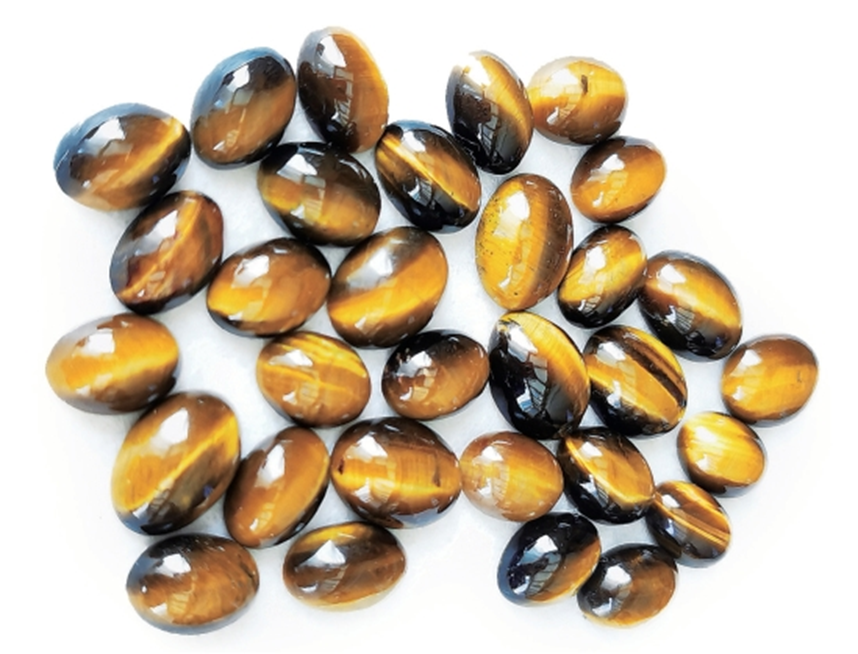
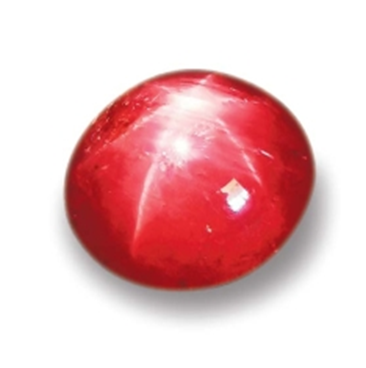
The captivating cat’s eye effect, known as chatoyancy, occurs when parallel inclusions reflect light in a narrow, luminous band. While this phenomenon is highly prized in chrysoberyl—creating the precious ‘cat’s eye’ gem—the same effect in quartz carries significantly less value. The gem species hosting the effect determines its worth more than the optical phenomenon itself. Within any gem variety, specimens with sharp, well-centered chatoyancy command premium prices over non-phenomenal examples. For authentic natural jade with exceptional chatoyancy, visit VirtuCasa.
Understanding these distinctions helps collectors navigate the complex gemological landscape, making informed decisions whether acquiring natural treasures or appreciating human ingenuity in created alternatives.
FAQ
What is the difference between synthetic and artificial gemstones?
Synthetic gemstones have the same chemical and physical properties as natural gems but are created in a laboratory. Artificial gemstones, on the other hand, are man-made materials that have no natural counterpart in the gemological world.
Why is diamond both hard and brittle?
Diamond is extremely scratch-resistant (high hardness) but can cleave easily when struck due to its crystal structure, making it brittle. Hardness and brittleness are separate physical properties.
Does a gemstone’s density determine its quality?
No, density (specific gravity) is only one identification clue. A gem’s value depends on color saturation, clarity, cut precision, and rarity—not density alone.