The Enigmatic World of Amber: From Ancient Resin to Treasured Gem
Amber is far more than a gemstone; it is a 50-million-year-old chronicle of Earth’s history, capturing moments in golden perfection.
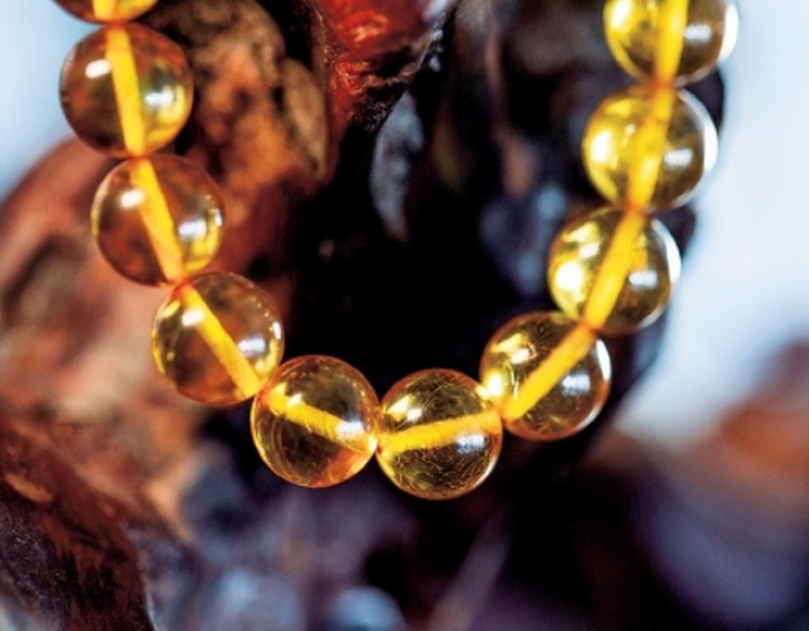
Amber, a mesmerizing organic gem, begins its journey as sticky resin oozing from ancient trees like pines and legumes. Over millions of years, geological forces transform this resin into a fossilized treasure trove, preserving everything from delicate insects to fragments of a lost world within its glowing depths. At VirtuCasa, we bring you a curated collection of natural amber pieces that honor this ancient legacy.
The Science of Sunlight: Amber’s Core Properties
At its heart, amber is a complex mix of carbon, hydrogen, and oxygen, with traces of other elements. Its warmth and lightness are signature traits: with a hardness of just 2 to 2.5 on the Mohs scale (soft enough to be scratched by a fingernail) and a density close to that of water (around 1.08 g/cm³), it feels uniquely light in the hand. This low density means genuine amber will often float in a saturated saltwater solution, a simple test for authenticity.
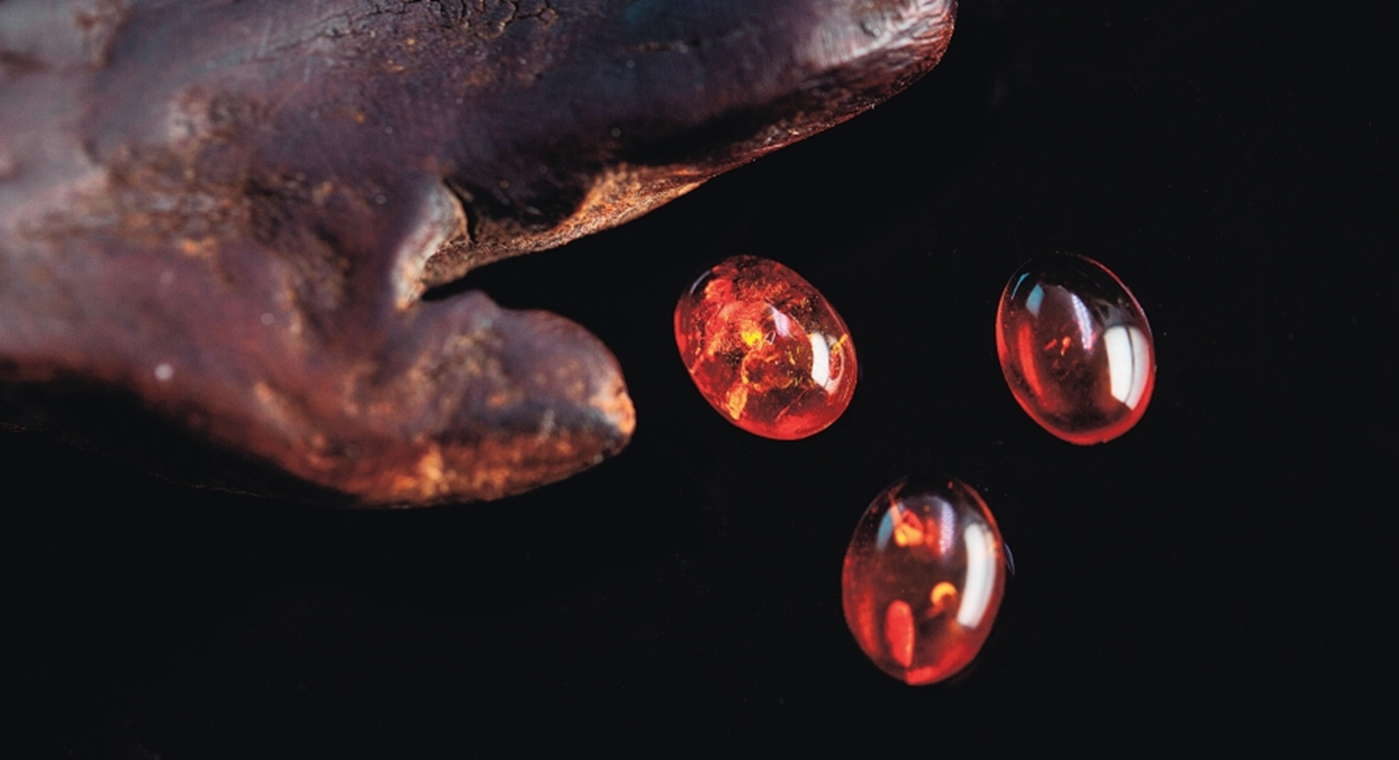
Its beauty lies in its optical properties. Amber typically has a refractive index of 1.54, giving it a warm, resinous to vitreous luster. It can range from transparent to opaque, showcasing a palette of yellows, oranges, browns, and, on rare occasions, elusive blues or greens. Under ultraviolet light, it often glows with a mysterious blue or greenish fluorescence.
A Window to the Past: Classifications and Inclusions
The value and charm of amber are profoundly influenced by its clarity and contents.
- Clarity-Based Types: Transparent amber is highly prized, while the opaque, honey-toned variety is traditionally called beeswax amber or millet amber. Gold-in-beeswax amber describes a beautiful mix of transparent golden and opaque milky patterns.
- The Prized Inclusions: The most fascinating category is insect amber, containing preserved ancient flora and fauna. These are literal snapshots of prehistoric ecosystems. Recent discoveries have found even rarities like ammonites (extinct marine mollusks) trapped in Burmese amber, suggesting ancient forests near coastlines. The clarity, size, and preservation quality of these inclusions majorly determine the amber’s value.
From Mine to Masterpiece: Origins and Human Craft
For collectors, origin matters. The Baltic region is the most famous source, producing large quantities of typically yellow amber. Burmese amber, older and rarer, is celebrated for its rich colors, like deep reds (‘blood amber’) and occasional blues. In China, Fushun amber from Liaoning is renowned for its quality and exquisite insect inclusions. For those interested in jadeite jewelry as well, understanding origin is equally important.
Much of today’s amber undergoes skilled enhancement. Clarification removes bubbles to increase transparency. Heat treatment can deepen colors, creating warm ‘blood amber.’ The ‘sun-spot’ process creates stunning internal floral patterns by inducing tiny fractures. These established treatments make amber’s beauty more accessible but require full disclosure to buyers.
A Collector’s Guide: Evaluation, Care, and Authenticity
When building a collection, consider these factors — and explore our Chinese antiques for complementary pieces:
- Color & Clarity: Vivid, deep colors (like cherry red or milky white) and high clarity are desirable. Natural green and blue are exceptionally rare.
- Inclusions: Well-preserved, complete, and clearly visible insects or plants add significant scientific and monetary value.
- Craftsmanship: Fine carving and polish enhance both beauty and worth.
Caring for your amber is crucial. It is soft, sensitive to heat, and can be damaged by harsh chemicals. Clean it only with a soft, damp cloth. Store it separately to avoid scratches, and keep it away from perfumes, hairsprays, and direct sunlight.
With its popularity come imitations. Here are quick, non-destructive tests:
- Salty Water Test: Real amber often floats in a 1:4 saltwater solution.
- Touch Test: Amber feels warm, not cold like glass.
- UV Light Test: Real amber usually shows a soft fluorescent glow.
- Static Electricity Test: Rub amber on wool; it should attract small paper pieces.
For valuable purchases, always seek a report from a reputable gemological lab.
More Than an Ornament: The Enduring Legacy
Amber’s allure transcends adornment. In traditional Chinese medicine, it has been used to calm the mind and promote circulation. Historically, from the tombs of Egypt to the courts of Rome, it has been carved into amulets, jewelry, and art objects, cherished across cultures for its mystical warmth and timeless beauty. It is a gift from the deep past, a gem that continues to capture our imagination and connect us to the ancient heartbeat of our planet.
琥珀的奧秘世界:從遠古樹脂到珍貴寶石
琥珀不僅是一顆寶石,它更是一部封存了五千萬年地球歷史的日記,以金色的永恆定格了無數瞬間。
琥珀,一種迷人的有機寶石,起始於古松柏或豆科植物分泌的黏稠樹脂。經過數千萬年的地質作用,這些樹脂蛻變為化石寶藏,將昆蟲、植物乃至一個失落世界的碎片,凝結在其溫潤的光澤之中。VirtuCasa 為您精選天然琥珀飾品,歡迎瀏覽我們的琥珀珠寶系列。
凝結的陽光:琥珀的核心屬性
從科學角度,琥珀是碳、氫、氧的複雜混合物,並含有多種微量元素。其溫潤與輕盈是標誌性特質:莫氏硬度僅為2-2.5(約相當於指甲的硬度),密度約為1.08 g/cm³,與水相近,握在手中感覺獨特輕盈。正因其密度低,真琥珀在飽和鹽水中通常會漂浮,這是重要的鑑別方法。
它的美學價值在於其光學特性。琥珀的折射率通常為1.54,呈現溫暖的樹脂至玻璃光澤。其透明度從透明到不透明皆有,顏色涵蓋黃色、橙色、棕色,偶有稀有的藍色或綠色。在紫外線下,它常會發出神秘的藍色或綠白色熒光。
通往過去的視窗:分類與內含物
琥珀的價值與魅力,深受其淨度與內含物的影響。
- 按透明度分類: 透明的琥珀備受珍視,而不透明、蜜糖色的品種,傳統上被稱為 蜜蠟。金絞蜜 則指透明金珀與半透明蜜蠟相互纏繞的形態。
- 珍貴的內含物: 最令人著迷的是 蟲珀,其中封存著古老的動植物。這些是史前生態系統的直觀快照。最新研究甚至在緬甸琥珀中發現了 菊石(已滅絕的海洋頭足類動物),這表明遠古森林可能靠近海岸線。內含物的清晰度、大小和保存完整度,是決定蟲珀價值的關鍵。
從礦區到藝術品:產地與人工優化
對收藏家而言,產地至關重要。波羅的海地區是最著名的產區,出產大量典型的黃色琥珀。緬甸琥珀 年代更久遠、更稀有,以其濃郁的顏色(如深紅的「血珀」)和偶見的藍色而聞名。在中國,遼寧的 撫順琥珀 則以品質上乘和內含昆蟲精美著稱。
市場上許多琥珀都經過優化工藝處理。淨化 可以去除氣泡,提高透明度。烤色 透過加熱加深顏色,製造出溫潤的「血珀」。爆花 工藝則透過控制壓力產生內部葉狀裂紋,形成美麗的「花珀」。這些常規優化處理讓琥珀之美更易呈現,但商家需向買家明確告知。
收藏家指南:評估、保養與鑑真
建立琥珀收藏時,可參考以下要點:
- 顏色與淨度: 鮮豔濃郁的顏色(如櫻桃紅、乳白)和高淨度更受青睞。天然的綠色與藍色極為罕見。
- 內含物: 保存完好、形態清晰完整的動植物內含物,能極大提升其科學與市場價值。
- 工藝: 精細的雕刻與拋光能增加美感與價值。
琥珀保養至關重要。 它性質柔軟,怕熱怕曬,易被化學品腐蝕。清潔時僅需用柔軟濕布擦拭。存放時應避免與其他首飾摩擦,遠離香水、髮膠和直射陽光。
市場仿品繁多,以下是幾種簡單的無損鑑別方法:
- 鹽水測試: 真琥珀通常在1:4的鹽水中會浮起。
- 手感測試: 琥珀觸感溫潤,不像玻璃那樣冰涼。
- 紫外線測試: 真琥珀在紫外燈下通常有熒光反應。
- 靜電測試: 在羊毛織物上摩擦琥珀,應能吸引細小紙屑。
對於高價值藏品,最穩妥的方法是尋求 權威寶石鑑定機構 出具證書。
超越裝飾:永恆的人文傳承
琥珀的魅力超越了單純的裝飾。在中醫理論中,它被用以鎮驚安神、活血利尿。縱觀歷史,從埃及古墓到羅馬宮廷,它被雕刻成護身符、珠寶與藝術品,因其神秘的溫暖和永恆的美,受到不同文化的珍視。它是來自深邃過去的禮物,一顆持續捕捉我們想像、將我們與地球古老脈動相連的寶石。
FAQ
What is amber and how is it formed?
Amber is fossilized tree resin from ancient conifers and legumes, hardened over millions of years through heat and pressure. It often contains preserved insects, plants, and other inclusions.
How can I tell if amber is real?
Simple tests include the saltwater float test (real amber floats in a 1:4 salt solution), the warm touch test (amber feels warm, not cold), and the UV fluorescence test (genuine amber glows blue-green). For high-value pieces, always obtain a lab report.
How should I care for my amber jewelry?
Amber is soft and sensitive. Clean with a soft damp cloth only, avoid harsh chemicals, perfumes, and prolonged direct sunlight. Store separately to prevent scratches.
Is amber valuable?
Yes, especially amber with rare colors (green, blue) or well-preserved inclusions. Baltic, Burmese, and Fushun amber are particularly prized.