Cautionary Tales from the Jade Trade: Wisdom for the Modern Collector
The world of jadeite is not just defined by the “4 Cs” (Color, Clarity, Cut, Carat) of gemology. For centuries, its true pulse has been measured in human stories—tales of staggering fortune, heartbreaking loss, ingenious negotiation, and humbling lessons. These narratives, passed among traders, form an oral tradition of hard-won wisdom that is every bit as valuable as a laboratory certificate. They teach us that success in jadeite requires not just an eye for beauty, but an understanding of market psychology, humility in the face of uncertainty, and relentless vigilance.
翡翠的世界不僅僅由寶石學的 「4C標準」 (顏色、淨度、切工、克拉重量)來定義。幾個世紀以來,其真正的脈搏一直由 人間故事 來衡量——關於驚人財富、令人心碎的損失、巧妙談判和發人深省教訓的傳說。這些在商人之間流傳的敘事,構成了一種 得來不易的口述智慧傳統 ,其價值不亞於一張實驗室證書。它們教導我們,在翡翠領域取得成功,不僅需要審美眼光,更需要理解 市場心理、面對不確定性時的謙遜,以及不懈的警惕。
Tale 1: The “Professional’s” Pitfall – Mistaking Substance for Value
A gemologist and two colleagues once traveled to Yingjiang, drawn to a massive 70kg stone with enticing green bands on its skin. Relying on the trade adage “寧可買一線,不要買一片” (“Better to buy a line than a patch”), they assumed the bands indicated deep-running jadeite veins. They calculated a profit based on turning it into hundreds of bracelets and bought it for ¥320,000.
一位寶石學家和兩位同事曾前往盈江,被一塊重達70公斤、表皮帶有誘人綠色帶狀紋路的巨石所吸引。憑藉著行內諺語 「寧可買一線,不要買一片」 ,他們認為這些色帶預示著深藏的翡翠礦脈。他們基於將其加工成數百隻手鐲的利潤計算,以32萬元人民幣買下了它。
The Reality: The stone was not jadeite, but “Gui Cui” (貴翠), a quartz-based material with little economic value. For two years, not a single buyer showed interest. Eventually, during a market boom, they found a buyer willing to pay over ¥400,000, passing on a costly lesson.
現實: 這塊石頭並非翡翠,而是 「貴翠」 ,一種經濟價值很低的石英質材料。兩年間,沒有一個買家感興趣。最終,趁著市場繁榮,他們找到了一位願意出價40多萬元的買家,將一個昂貴的教訓轉手了出去。
The Lesson: 專業知識會讓人過於自信。 即使是專家也會被表象迷惑。這則故事強調了 實物鑑定證書 對於高價值原石至關重要。術語和經驗法則不能替代科學分析。
Tale 2: The Laborer’s Lament – Luck, Fate, and Letting Go
An aging Chinese laborer, after decades in Burmese mines, spent his life savings on four rough stones for his retirement in Tengchong. Full of hope, he cut them open one by one, only to find dull, valueless white rock. Devastated, he sold one piece for a mere ¥9,800 to survive.
一位在緬甸礦區勞作數十年的華工,用畢生積蓄買了四塊原石,準備回騰沖養老。他滿懷希望地一塊塊切開,卻只找到黯淡無價值的白色石頭。心灰意冷之下,他為了生存,將其中一塊以僅僅9800元人民幣的價格賣出。
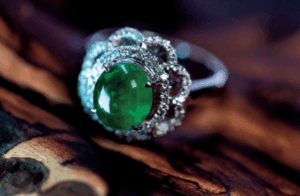
The Twist: The buyer sliced that piece into high-quality cabochon material worth ¥2.6 million. Hearing this, the old man cut his remaining stones again—finding nothing. He finally sold all remaining material for ¥60,000. The new owner promptly cut out a ¥1.5 million gem from the lot.
轉折: 買家將那塊石頭切出了 價值260萬元人民幣的頂級戒面料 。老人聽聞後,再次切割了剩餘的石頭——仍一無所獲。他最終將所有剩餘材料以6萬元人民幣賣出。新主人立刻從中切出了一塊 價值150萬元人民幣的寶石 。
The Lesson: This story embodies the core jadeite paradox. It teaches emotional detachment. Once a financial decision is made—especially a sale—let it go. Obsessing over “what could have been” leads only to misery, as fortune in jadeite is famously fickle.
Tale 3 & 4: Treasures in Plain Sight – The Unseen Value
Two remarkable stories highlight how extreme value can be overlooked. After WWII, a Japanese officer buried a premium rough stone in Myanmar, leaving a map. Forty years later, his compatriots found the spot was now a field. Despondent, they then saw it serving as a washing slab by a river, polished to a brilliant green by decades of laundry! It was later sold for millions.
兩個非凡的故事說明了極致的價值如何能被視而不見。二戰後,一名日本軍官在緬甸埋下一塊頂級原石,留下了地圖。四十年後,他的同胞發現那個地點已成農田。沮喪之際,他們卻看見那塊石頭 正在河邊作為洗衣板使用 ,被數十年的衣物摩擦得碧綠透亮!後來它以數百萬元的價格售出。
Similarly, a stone used as a footbridge for generations in a village suddenly disappeared. Someone who slipped on it recognized its true nature and sold it for a small fortune—it was a high-quality jadeite boulder lost by a wartime merchant.
類似地,村裡世代用作 過河踏腳石 的一塊石頭突然消失了。一個在上面滑倒的人認出了它的真面目,並以高價賣出——那是一塊戰時商人遺失的優質翡翠巨石。
The Lesson: True value isn’t always in a marketplace. These stories encourage a curious and discerning eye, reminding us that history and utility can obscure an object’s true worth. They are a metaphor for the collector’s journey: learning to see what others miss.
Tale 5: The Dye Debacle – Trust, Ego, and the Cost of Assumptions
A buyer (“Xiaowei”) and I purchased a packet of cabochons from a trusted Burmese contact. A quick check with a Chelsea filter (which turns certain dyes red) revealed they were all dyed (Type C jadeite). We got a full refund.
一位買家(「小偉」)和我從一位可信的緬甸熟人那裡買了一包戒面。用 查爾斯濾色鏡 (會使某些染料變紅)快速檢查後,發現它們全是 染色品(C貨翡翠) 。我們獲得了全額退款。
We then warned an experienced Sichuanese friend who had also bought some. Scoffing at our advice (“I’ve been in jade for 30 years!”), he refused to believe they were fake. Minutes later, in a panic, he begged us to help him get his ¥50,000 back, which we did. Ironically, in the interim, I myself was tricked into buying a single dyed cabochon with counterfeit change.
我們隨後警告了一位也買了一些的經驗豐富的四川朋友。 他對我們的建議嗤之以鼻 (「我幹這行30年了!」),拒絕相信是假的。幾分鐘後,他驚慌失措地懇求我們幫他追回那5萬元人民幣,我們照做了。諷刺的是,在這期間,我自己也被騙,買了一顆染色的戒面,還收到了假鈔找零。
The Lesson: This story underscores three critical rules:
教訓: 這個故事強調了三條關鍵規則:
- Verify Everything: Always carry basic tools (loupe, filter, UV light) and use them on every transaction, regardless of the seller.
- 驗證一切: 隨時攜帶基本工具 (放大鏡、濾色鏡、紫外燈),並在每筆交易中使用,無論賣家是誰。
- Check Your Ego: Experience can breed overconfidence. In jadeite, humility and continuous learning are protective armor.
- 保持謙遜: 經驗可能滋生過度自信。在翡翠領域, 謙遜和持續學習是護身甲冑。
- Beware of Distraction: The market is full of distractions. Stay focused on the item in your hand.
- 警惕干擾: 市場充滿干擾。專注於你手中的物品。
Tale 6: The Art of the Deal – Psychology in Negotiation
In a nascent Guangzhou market, I examined a bag of 46 small pendants for ten minutes without speaking. The impatient vendor pointed to one piece, claiming another buyer had offered ¥2,000 for it alone. Seizing the psychological opening, I said, “Remove that one, subtract ¥2,000, and I’ll take the rest.” Flustered, she agreed, netting me the entire bag for a drastically reduced price.
在廣州一個早期的市場,我檢視一袋46個小掛件長達十分鐘,一言不發。不耐煩的賣家指著其中一件,聲稱曾有買家單獨出價2000元購買它。抓住這個心理突破口,我說: 「把那件拿出去,減掉2000元,剩下的我全要了。」 她一下子慌了神,同意了,讓我以極低的價格買下了整袋貨品。
The Lesson: This illustrates a key negotiation tactic in non-standardized markets: using the seller’s own anchor price against them. It also highlights the “言無二價” principle: once a price is verbally agreed upon in this traditional setting, the buyer is honor-bound to complete the purchase. This places a premium on extremely careful bidding.
Conclusion: Principles for the Thoughtful Collector
These tales distill into actionable wisdom for your journey:
這些故事可以提煉為您收藏之旅的行動指南:
- Knowledge is Your Anchor: Understand jadeite A/B/C, common imitations, and basic gemology. But know its limits.
- 知識是您的錨: 了解翡翠A/B/C貨、常見仿品和基礎寶石學知識。但也要知道其局限性。
- Trust, but Verify (Always): Reputable platforms like Virtucasa provide a safer baseline, but independent certification is non-negotiable for major purchases.
- 信任,但務必驗證: 像Virtucasa這樣的信譽平台提供了更安全的基礎,但 對於重要購買,獨立鑑定證書是必不可少的。
- Master Your Mindset: Cultivate patience, humility, and emotional detachment. The market rewards the calm and punishes the desperate.
- 掌控您的心態: 培養耐心、謙遜和情感超脫。市場獎賞冷靜者,懲罰衝動者。
- See the Story: Every piece has a history. Appreciating the human drama embedded in jadeite enriches the collecting experience beyond mere appraisal.
- 看見故事: 每一件藏品都有歷史。欣賞蘊含在翡翠中的人間戲劇,能讓收藏體驗超越單純的鑑定,更加豐富。
Collect jadeite not just as an asset, but as a repository of culture, history, and timeless human nature. Let these old traders’ tales be your guide.
收藏翡翠,不僅是將其作為資產,更是作為 文化、歷史和永恆人性的載體 。讓這些老商人的故事成為您的指引。
Read More
Explore more insights on jadeite and Chinese antiques on our blog.
Shop Now
Browse our curated collection of natural jadeite jewelry and Chinese antiques at VirtuCasa.