The Silent Language of Flora: Botanical Symbolism in Chinese Jade Carvings
In the meticulous world of Chinese jade carving, no leaf is without purpose, no blossom without a message. The plant kingdom, rendered in exquisite stone, forms a verdant lexicon of wishes, virtues, and cosmic principles. From the steadfast pine to the opulent peony, each botanical motif whispers a specific blessing to its owner. This guide decodes the symbolic language of plants in jade art, transforming your appreciation from aesthetic admiration to a deeper understanding of the cultural poetry carved in jade.
在中國玉雕的精妙世界裡,沒有無意義的葉片,也沒有無寓意的花朵。以精美玉石呈現的植物王國,構成了一個關於 願望、品德與宇宙法則 的翠綠詞典。從堅毅的松樹到華貴的牡丹,每一種植物主題都向擁有者低語著特定的祝福。本指南解讀 玉雕藝術中植物的象徵語言 ,將您的欣賞從美學觀賞提升到對雕刻於玉中文化詩意的更深層理解。
The Pillars of Virtue: Trees of Longevity and Resilience
1. Pine Tree (松樹) – The Evergreen of Longevity and Integrity
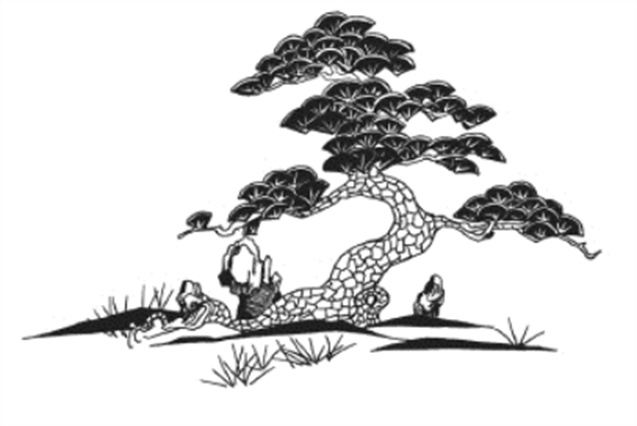
The pine, which remains green throughout the harsh winter, is the paramount symbol of endurance, longevity, and unwavering moral character. Its evergreen nature makes it a direct metaphor for “壽比南山不老松” (long life as the enduring southern mountain pine). Paired with cranes (“松鶴延年”) or bamboo and plum (“歲寒三友”), it reinforces wishes for a long, healthy, and virtuous life. It represents the scholar’s resilience against adversity.
松樹在嚴冬中 保持常青 ,是 堅韌、長壽與不屈氣節 的最高象徵。其常青的特性使之直接隱喻 「壽比南山不老松」 。與仙鶴(「松鶴延年」)或竹、梅(「歲寒三友」)搭配,強化了對 健康長壽、品德高尚生活 的祈願。它代表了文人面對逆境的韌性。
2. Bamboo (竹子) – The Embodiment of Humility and Resilience
Hollow-jointed and bending in the wind but rarely breaking, bamboo epitomizes resilience, humility, and graceful strength. Its hollow stem symbolizes an open, modest mind, while its rapid, straight growth signifies steady advancement and vitality. As a member of the “Four Gentlemen” (四君子) and the “Three Friends of Winter” (歲寒三友), it is a gift celebrating scholarly refinement and moral uprightness.
竹中空有節,迎風彎曲卻不易折斷,是 韌性、謙遜與剛柔並濟 的典範。其中空的竹竿象徵著 虛懷若谷的謙遜胸懷 ,而其快速筆直的生長則意味著 穩步高升與生機勃勃 。作為 「四君子」 和 「歲寒三友」 的一員,它是贈予文人雅士、讚美其風雅與氣節的禮物。
Blossoms of Fortune and Nobility
3. Peony (牡丹花) – The Queen of Flowers and Wealth
Universally recognized as the “King of Flowers” (花王), the lush, opulent peony is the definitive symbol of wealth, honor, prosperity, and aristocratic beauty. Known as the “flower of riches and rank”, it was adored in the Tang court. A jade peony is an emblem of success, flourishing fortune, and a life of splendor.
被公認為 「花王」 ,豐滿華貴的牡丹是 富貴、榮華、繁盛與雍容之美 的絕對象徵。被稱為 「富貴花」 ,它在唐代宮廷備受喜愛。玉雕牡丹是 成功、鴻運當頭與絢爛人生 的標誌。
4. Lotus (蓮花) – Purity Rising from Adversity
Growing from muddy waters yet producing immaculate blooms, the lotus is a powerful symbol of purity, spiritual enlightenment, and rebirth. In Buddhism, it represents ascension from suffering to enlightenment. Its many seeds also make it a symbol of fertility and numerous progeny. Puns on its name (蓮 lián) bring blessings like “年年有餘” (abundance year after year) and “連生貴子” (continuous birth of noble sons).
出淤泥而不染,亭亭淨植,蓮花是 純潔、心靈啟悟與重生 的有力象徵。在佛教中,它代表 從苦難到覺悟的升華 。其多籽也使之成為 多產與子嗣繁盛 的象徵。其名稱的諧音(蓮)帶來 「年年有餘」 、 「連生貴子」 等祝福。
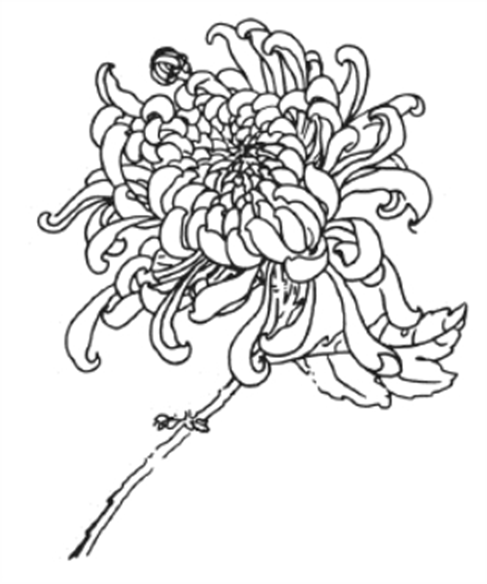
5. Chrysanthemum (菊花) – Autumn’s Scholar and Longevity
Blooming defiantly in crisp autumn, the chrysanthemum symbolizes noble resilience, retirement in elegance, and longevity (its blooming season associates with the Double Ninth Festival, a day for respecting elders). As one of the “Four Gentlemen”, it represents the scholar who remains true to himself despite obscurity. The word for “chrysanthemum” (菊 jú) sounds like “remain” or “abide” (居 jū), wishing for a long, stable life and enduring position.
在清秋傲然綻放,菊花象徵著 高潔的韌性、隱逸的雅趣與長壽 (其花期與敬老的重陽節相聯)。作為 「四君子」 之一,它代表著甘於寂寞、堅守自我的文人。菊花之「菊」與「居」諧音,寓意 長久安康、地位穩固 。
6. Orchid (蘭花) – Subtle Beauty and Refined Friendship
The orchid, with its understated elegance and subtle fragrance in secluded valleys, represents modest nobility, refined taste, and profound, loyal friendship (“金蘭之交”). It is the epitome of quiet virtue and is deeply associated with literary and artistic excellence. It also symbolizes love and fertility, with legends linking it to the birth of virtuous sons.
蘭花幽谷自芳,清香淡雅,代表著 謙謙君子的高貴、優雅的品味以及深厚忠誠的友誼 (「金蘭之交」)。它是含蓄美德的典範,並與 文學藝術造詣 緊密相連。它也象徵 愛情與生育 ,有傳說將其與誕生賢德之子聯繫起來。
Fruits and Herbs of Auspicious Meaning
7. Gourd (葫蘆) – Health, Mystery, and Immortality
The gourd, with its many seeds and resemblance to the cosmic egg or medicine bottle, is a potent symbol of health, longevity, and mystical power. Daoist immortals are often depicted carrying gourds containing elixirs. Its form, resembling the number “8”, and its name (葫蘆 húlu) sounding like “福祿” (fortune and prosperity), make it a multifaceted talisman for well-being and good luck.
葫蘆因其多籽且形似 宇宙之卵或藥葫 ,是 健康、長壽與神秘力量 的有力象徵。道教仙人常被描繪為攜帶裝有仙丹的葫蘆。其形似數字 「8」 ,且名稱 「葫蘆」 諧音 「福祿」 ,使之成為祈求 安康與好運 的多功能護身符。
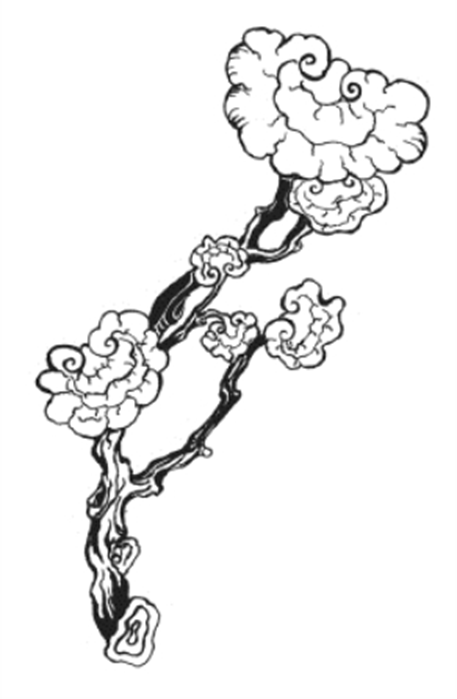
8. Ganoderma (Lingzhi / 靈芝) – The Mushroom of Immortality
This sacred “fungus of immortality” (靈芝) is the ultimate symbol of longevity, spiritual potency, and the achievement of lofty goals. Often depicted as cloud-like, it represents the Daoist pursuit of transcendence and celestial blessings. Carved with a deer (“芝鹿同春”) or held by a divine being, it is a direct wish for health, longevity, and auspicious success.
這種神聖的「靈芝」是 長壽、靈力與達成崇高目標 的終極象徵。常被描繪為雲狀,代表著 道家對超越與天賜福祉的追求 。與鹿(「芝鹿同春」)同雕或由仙人手持,是對 健康、長壽與吉祥成功 的直接祈願。
9. Pomegranate (石榴) – Fertility and Progeny
Cracked open to reveal a multitude of seeds, the pomegranate is an unmistakable symbol of fertility, numerous offspring, and a thriving family. It is a classic gift for newlyweds, wishing them a family as plentiful and vibrant as the fruit’s seeds.
石榴裂開露出眾多籽實,是 多子多福、家族興旺 的明確象徵。它是贈予新婚夫婦的經典禮物,祝願他們 子孫滿堂,家族如石榴籽般繁盛鮮活 。
10. Finger Citron / Buddha’s Hand (佛手) – Fortune and Longevity
Resembling a hand in a gesture of blessing, the Buddha’s Hand citron (佛手柑 fóshǒu gān) gets its auspicious meaning from its name: “Buddha’s Hand”. It sounds like “福壽” (fortune and longevity), making it a direct visual and phonetic pun for happiness and a long life. Its intricate, finger-like sections also symbolize the Buddha’s many methods of granting blessings.
形似賜福之手,佛手柑因其名稱 「佛手」 而獲吉祥寓意。其發音類似 「福壽」 ,使之成為對 幸福長壽 直接的視覺與聽覺雙關。其複雜如手指的結構也象徵 佛陀賜福的諸多法門 。
Quick-Reference Table of Common Plant Motifs
| 植物 Plant | 核心寓意 Core Symbolism | 常見組合/諧音 Common Pairings/Puns |
|---|---|---|
| 牡丹 Peony | 富貴、榮華、繁盛 Wealth, Honor, Prosperity | 獨秀,或與鳳凰、富貴鳥搭配。 Often alone, or with phoenix. |
| 蓮花 Lotus | 純潔、啟悟、多子 Purity, Enlightenment, Fertility | 連年有餘 (與魚) With fish; 連生貴子 (與童子) With child. |
| 松樹 Pine | 長壽、堅貞、氣節 Longevity, Integrity, Fortitude | 松鶴延年 (與鶴) With crane; 歲寒三友 (與竹、梅) With bamboo, plum. |
| 竹子 Bamboo | 謙遜、韌性、高升 Humility, Resilience, Steady Advancement | 歲寒三友; 竹報平安 (與鵲或瓶) With magpie or vase. |
| 靈芝 Lingzhi | 長壽、仙緣、吉祥 Longevity, Divine Favor, Auspiciousness | 芝仙祝壽; 常伴隨鹿、鶴或仙人。 Often with deer, crane, or immortal. |
| 蘭花 Orchid | 高雅、友誼、君子 Refinement, Friendship, Noble Character | 金蘭之交; 蘭桂齊芳 (子孫顯達)。 With osmanthus (prosperous descendants). |
| 佛手 Buddha’s Hand | 福壽 Fortune & Longevity | 名稱諧音「福壽」。 Name is a pun for “fortune & longevity.” |
| 石榴 Pomegranate | 多子多福 Numerous Offspring, Family Prosperity | 常單獨出現,或半開露籽。 Often alone, half-open to show seeds. |
Conclusion: Composing a Botanical Narrative
In masterful carvings, these motifs are rarely alone. A skilled artisan might combine:
在大師級的雕刻中,這些主題很少單獨出現。技藝精湛的匠人可能會組合:
- Orchid, Bamboo, Chrysanthemum, and Plum Blossom to represent the “Four Gentlemen”, a complete tribute to scholarly virtue.
- 蘭、竹、菊、梅 代表 「四君子」 ,是對文人品格的完整禮讚。
- Peony and Phoenix to symbolize “wealth and nobility”.
- 牡丹與鳳凰 象徵 「富貴榮華」 。
- Pine, Bamboo, and Plum as the “Three Friends of Winter”, celebrating resilience and enduring friendship.
- 松、竹、梅 作為 「歲寒三友」 ,讚美堅韌與長久友誼。
- Gourd intertwined with Vine to represent “endless blessings and continuity”.
When observing a jade plant carving, ask: Is it a singular statement of virtue (bamboo) or desire (peony)? Or is it part of a complex, intertwined story of multiple blessings? By reading this botanical language, you connect with the artisan’s intent and the centuries of cultural hope embedded within the stone.
觀察一件植物玉雕時,可以思考:它是對 品德(竹)或願望(牡丹) 的單一表述?抑或是 多重祝福交織的複雜故事 的一部分?讀懂這種植物語言,您便與 匠人的匠心以及蘊含在石中數世紀的文化期盼 連接了起來。
Read more
- Buying Guides (111)
- Collectors' Academy (192)
- Care Academy (8)
- Investment Academy (25)
- Jade Crafting Techniques (29)
- Michelle Au: The Gemstone Luminary (11)
- The Precious Metals & Jewels Compendium (54)