The Language of Objects: Everyday Items as Auspicious Symbols in Jade
The final layer in deciphering Chinese jade carvings lies in the world of man-made objects. These are not mere accessories to the natural motifs of flora and fauna; they are powerful, standalone symbols drawn from scholarly life, domestic harmony, spiritual practice, and imperial power. From the humble shoe to the majestic ritual vessel, each item encodes a specific wish for protection, success, peace, or prosperity. This guide completes our series by unlocking the symbolic meanings of the tools, utensils, and artifacts immortalized in jade.
解讀中國玉雕的最後一層,存在於 人造器物 的世界之中。這些並非動植物自然主題的單純點綴;它們是源自 文人生活、家庭和諧、精神修行與皇權 的強大獨立象徵。從樸實的 鞋 到莊嚴的 禮器 ,每件器物都編碼著對 護佑、成功、平安或繁榮 的特定祈願。本指南通過解鎖玉雕中 工具、器皿與器物 的象徵意義,為本系列畫上句號。
I. Vessels of Peace and Scholarly Achievement
1. Vase (花瓶) – The Emblem of Peace and Spiritual Purity
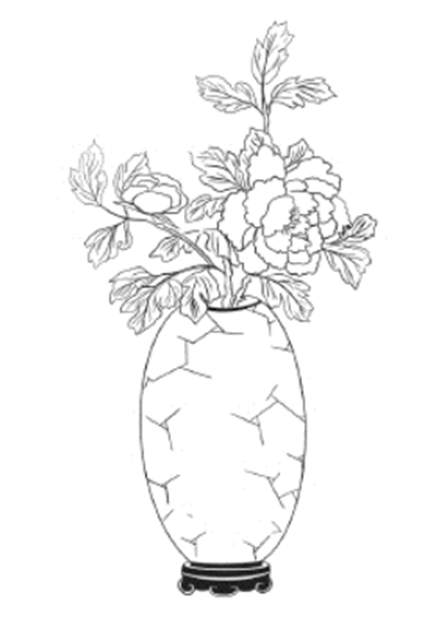
The vase (瓶 píng) is a cornerstone of auspicious symbolism due to its name sounding exactly like “peace” (平 píng). A jade vase is a direct wish for “平安” (píng’ān – peace and safety). Its form also holds deep meaning: as a Buddhist treasure (寶瓶), it represents a vessel of wisdom, spiritual purity, and compassion, often associated with the nectar vase of Guanyin. When depicted with objects, it creates layered blessings: with a halberd (戟), it means “平升三级” (peace and three promotions); with a Ruyi scepter, it becomes “平安如意” (peace and wishes fulfilled).
花瓶是吉祥象徵的基石,因其名稱 「瓶」 與 「平」 發音完全相同。玉雕花瓶是對 「平安」 的直接祈願。其形制也蘊含深意:作為 佛教八吉祥之一的「寶瓶」 ,它代表著 智慧、心靈純潔與慈悲的容器 ,常與觀音的甘露瓶相聯。與其他物品組合時,會產生多層祝福:與 戟 組合,寓意 「平升三級」 ;與 如意 組合,則為 「平安如意」 。
2. Book (書) – The Path to Wisdom and Official Success
The book is the ultimate symbol of scholarship, wisdom, and the Confucian path to moral cultivation and bureaucratic success. In jade, it represents the hope that the bearer or their descendants will become learned, pass imperial examinations, and attain high office. A book paired with a vase of apricot blossoms (杏花) signifies “祝您高中”, wishing for success in exams. It embodies the ancient belief that “书中自有黄金屋” (within books are houses of gold).
書是 學問、智慧以及儒家修身致仕之道 的終極象徵。在玉雕中,它代表了對佩戴者或其子孫能成為 博學之士、科舉高中、官運亨通 的期望。書與 杏花花瓶 搭配,寓意 「祝您高中」 。它體現了 「書中自有黃金屋」 的古老信念。
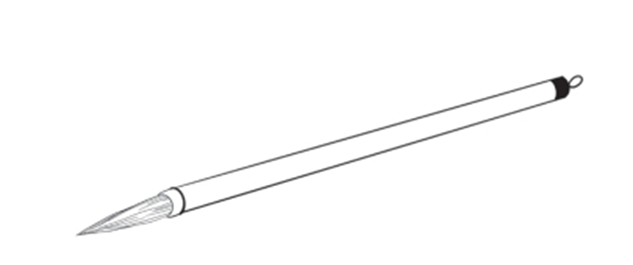
3. Brush (毛筆) – Literary Talent and Certain Success
The writing brush (筆 bǐ) is the tool of the literati. Its name is a homophone for “必定” (bìdìng – certainly, surely), making it a powerful symbol for the certainty of scholarly achievement and success. Legends tell of divine brushes bestowing literary genius (as with the poet Jiang Yan). A jade brush is a talisman for academic excellence, literary inspiration, and the assured fulfillment of one’s ambitions.
毛筆是文人的工具。其名稱 「筆」 與 「必定」 諧音,使之成為 學業功名必定成功 的有力象徵。傳說中有神筆賜予文學天賦的故事(如詩人 江淹 )。玉雕毛筆是祈求 學業精進、文思泉湧、志向必達 的護身符。
4. Ruyi Scepter (如意) – As You Wish
The Ruyi, with its cloud or lingzhi mushroom head, literally means “as you wish.” It is the universal symbol for the fulfillment of all desires and aspirations. Originally a back-scratcher, it evolved into a ceremonial object and a potent emblem of good fortune. Carved in jade, it is a direct blessing for everything to go exactly as hoped.
如意 ,其 雲頭或靈芝頭 造型,字面意思即 「如你所願」 。它是 所有願望與抱負得以實現 的通用象徵。最初作為癢癢撓,後來演變為禮儀用品和強有力的 吉祥 標誌。以玉雕成,是對 萬事順遂如意 的直接祝福。
II. Talismans of Protection and Domestic Harmony
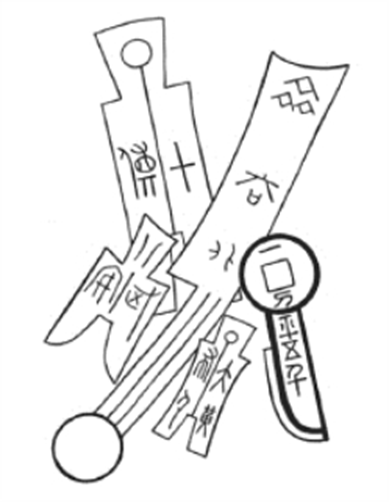
5. Ancient Coin (古錢) – Wealth and a Talisman Against Evil
The round copper coin with a square hole is a double symbol. Its shape represents heaven (round) and earth (square), and it is a direct emblem of monetary wealth and financial abundance. Strung together, they form “錢串”, symbolizing a continuous flow of wealth. Furthermore, coins (especially “乾隆通寶”) were used as protective talismans believed to ward off evil spirits and illness when worn.
圓形方孔的銅錢具有雙重象徵。其形狀代表 天圓地方 ,同時也是 金錢財富 的直接標誌。串在一起則成 「錢串」 ,象徵財源滾滾。此外,錢幣(尤其是 「乾隆通寶」 )也被用作 護身符 ,佩戴時被認為能驅邪避病。
6. Mirror (鏡) – Truth, Protection, and Reunion
The mirror is a mystical object believed to reveal true form and repel evil spirits (a “照妖鏡”). It symbolizes clarity, truth, and self-reflection. In marriage customs, it was a symbol of the wife’s chastity. The famous phrase “破鏡重圓” (a broken mirror made whole again) is a powerful metaphor for reconciliation and the joyous reunion of loved ones.
鏡子被認為能 照見真形、驅逐邪祟 ( 「照妖鏡」 ),是一種神秘物件。它象徵著 明澈、真實與自省 。在婚俗中,它曾是 妻子貞潔 的象徵。著名的 「破鏡重圓」 是 和解與愛侶歡聚 的有力隱喻。
7. Shoe (鞋) – Harmony and Marital Unity
The shoe (鞋 xié) is a charming symbol due to its homophones. It sounds like “harmony” (谐 xié) and “together” (偕 xié, as in 白头偕老 báitóu xié lǎo – growing old together). Thus, a pair of jade shoes is a wish for marital harmony, a peaceful union, and a lifelong partnership. In some customs, exchanging shoes during weddings reinforced this bond.
鞋子因其諧音而成為一個巧妙的象徵。它與 「谐」 和 「偕」 (如「白頭偕老」)同音。因此,一雙玉鞋是對 婚姻和諧、夫妻和睦、相伴終生 的祝願。在一些習俗中,婚禮上交換鞋子以鞏固這一紐帶。
8. Saddle (鞍) – Peace Through Transition
The saddle (鞍 ān) shares its sound with “peace” (安 ān). In traditional weddings, the bride would step over a saddle when entering her new home, symbolizing a smooth transition and the bringing of peace and safety to the household. It is a symbol for safe journeys and peaceful outcomes.
馬鞍與 「安」 同音。在傳統婚禮中,新娘進入新家時需 跨過馬鞍 ,象徵著 順利過渡並為家庭帶來平安 。它是 旅途平安、結果安好 的象徵。
III. Symbols of Power, Celebration, and Joy
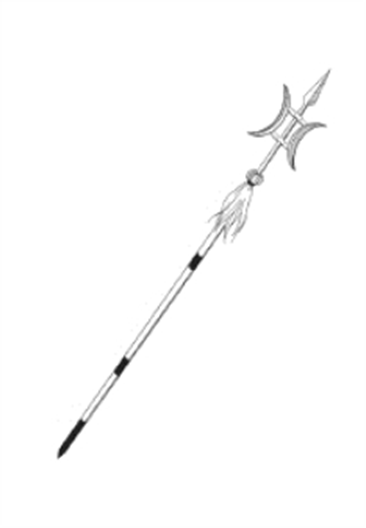
9. Halberd (戟) – Success and Promotion
The halberd, an ancient weapon, is a symbol of military power and official rank. Its name (戟 jǐ) sounds like “auspicious” (吉 jí) and “grade/level” (級 jí). When combined with a vase (瓶 píng), it creates the pun “平升三级”, a powerful wish for rapid promotion through three official ranks.
戟是一種古代兵器,是 武力和官階 的象徵。其名稱 「戟」 諧音 「吉」 和 「級」 。與 花瓶 組合,便構成雙關語 「平升三級」 ,這是對 官運亨通、連升三級 的有力祝願。
10. Stone (壽石) – The Foundation of Longevity
The “Longevity Stone” is not just any rock; it represents stability, endurance, and the everlasting foundation of life. Often combined with plants like peonies or chrysanthemums, it forms wishes such as “長命富貴” (long life and wealth) or “壽居耄耋” (long life reaching advanced age). It is the earthly anchor for wishes of endurance.
「壽石」並非普通的石頭;它代表著 穩固、持久與生命永恆的基石 。常與 牡丹或菊花 等植物組合,構成如 「長命富貴」 或 「壽居耄耋」 等願望。它是對堅韌持久祝願的 塵世錨點 。
11. Lamp/Lantern (燈) – Enlightenment and Progeny
The lamp provides light in darkness, symbolizing wisdom, enlightenment, and the dispelling of ignorance. In southern dialects, “燈” (dēng) sounds like “丁” (dīng – male heir), making it a symbol for the wish for sons and the continuation of the family line. Lantern festivals celebrate this light and hope.
燈在黑暗中提供 光明 ,象徵著 智慧、啟悟與驅散蒙昧 。在南方方言中, 「燈」 與 「丁」 (男丁)諧音,使其成為 祈求子嗣、家族延續 的象徵。燈節便是對這種光明與希望的慶祝。
12. Musical Instruments: Sheng & Qing (笙 & 磬) – Harmony and Celebration
- Sheng (笙): A wind instrument whose name sounds like “to rise/ascend” (升 shēng), symbolizing promotion and advancement. Its many pipes emerging from a base also symbolize flourishing progeny.
- 笙: 一種吹奏樂器,其名稱諧音 「升」 ,象徵 晉升與高升 。其多管同根的形態也象徵 子孫興旺 。
- Qing (磬): A stone chime whose name sounds like “celebration” (庆 qìng), representing joy, celebration, and auspicious happiness. The phrase “吉慶有余” often features a qing and a fish.
- 磬: 一種石磬,其名稱諧音 「庆」 ,代表 歡樂、慶賀與吉祥幸福 。成語 「吉慶有餘」 常包含磬和魚的圖案。
Together, “笙磬同音” symbolizes perfect harmony and joyful unison.
「笙磬同音」 共同象徵著 完美的和諧與歡樂齊鳴 。
Quick-Reference Table of Object Symbolism
| 物品 Object | 核心寓意 Core Symbolism | 關鍵諧音/組合 Key Pun/Pairing |
|---|---|---|
| 花瓶 Vase | 平安、智慧、容器 Peace, Wisdom, Vessel | 瓶 (平) – peace; 平升三级 (with halberd). |
| 古錢 Coin | 財富、天圓地方、辟邪 Wealth, Cosmos, Talisman | 象徵財富;常串聯。 Symbol of wealth; often strung. |
| 毛筆 Brush | 學業、文才、必定 Scholarship, Literary Talent, Certainty | 筆 (必) – certainly. |
| 如意 Ruyi | 心想事成、吉祥 As You Wish, Good Fortune | 名稱即寓意。 Name is the meaning. |
| 鞋 Shoe | 和諧、偕老 Harmony, Growing Old Together | 鞋 (谐/偕) – harmony/together. |
| 鏡子 Mirror | 真實、辟邪、重圓 Truth, Warding Off Evil, Reunion | 照妖鏡; 破鏡重圓. |
| 戟 Halberd | 吉祥、官階、晉升 Auspiciousness, Rank, Promotion | 戟 (吉/級); 平升三级 (with vase). |
| 壽石 Stone | 長壽、穩固、基石 Longevity, Stability, Foundation | 常與植物搭配表長壽。 Often paired with plants for longevity. |
| 燈 Lamp | 光明、智慧、子嗣 Light, Wisdom, Progeny | 燈 (丁) – male heir (in some dialects). |
Conclusion: A Complete Symbolic Language
With the understanding of Deities, Animals, Plants, Fruits, and now Objects, you possess a complete lexicon to appreciate Chinese jade carvings. A masterwork might combine them all: a ** deity (Guanyin)** holding a vase (peace) near a crane (longevity) perched on a stone (foundation) beside a peach tree (immortality).
理解了 神祇、動物、植物、果實以及現在的器物 ,您便擁有了一套完整的詞彙來鑑賞中國玉雕。一件傑作可能會融合所有元素:一位 神祇(觀音) 手持 花瓶(平安) ,身旁有 仙鶴(長壽) 棲於 壽石(基石) 之上,旁有 桃樹(長生) 。
These objects teach us that in Chinese symbolism, blessings are found not only in nature but also in human craft, scholarship, music, and domestic life. To wear or collect a jade carving is to carry a tangible piece of this philosophical and hopeful worldview—a world where every item, when imbued with intention, becomes a vessel for fortune.
這些器物教導我們,在中國的象徵體系中,祝福不僅存在於自然,也存在於人類的 工藝、學問、音樂與日常生活 之中。佩戴或收藏一件玉雕,便是隨身攜帶 這種哲學性且充滿希冀的世界觀的具體體現 ——在這個世界裡,當被賦予意圖時,每一件物品都能成為承載福運的容器。
Read More
- Buying Guides (111)
- Collectors' Academy (192)
- Care Academy (8)
- Investment Academy (25)
- Jade Crafting Techniques (29)
- Michelle Au: The Gemstone Luminary (11)
- The Precious Metals & Jewels Compendium (54)