Unlocking the Language of Luck: A Guide to 30+ Auspicious Motifs in Chinese Art
解碼吉祥語:深入解析三十餘種中國藝術中的吉祥圖案
Chinese auspicious art is a visual language where symbolism is often unlocked through puns, homophones, and poetic allusions. This section decodes some of the most classic patterns, revealing the wishes for prosperity, success, and happiness embedded within them.
中國吉祥藝術是一種視覺語言,其象徵意義常通過雙關、諧音和詩意典故來解鎖。本節解析一些最經典的圖案,揭示其中蘊含的對繁榮、成功與幸福的祝願。
1. A Path of Glory and Wealth (一路荣华)
- Motif: Hibiscus flowers and egrets.
- Symbolism: The hibiscus (芙蓉, furong) is a perennial symbol of honor (荣, rong) and wealth (富, fu) due to phonetic similarities. An egret (鹭, lu) walking beside hibiscus blooms creates a visual pun for “一路荣华” (yīlù rónghuá), meaning “May your path be one of glory and splendor.” It was a favored motif to wish travelers or those embarking on a new venture continuous success and affluence.
一、一路榮華
- 圖案: 芙蓉花、鷺。
- 寓意: 芙蓉花因「芙」與「富」諧音,「蓉」與「榮」同音,自古象徵榮華富貴。鷺與芙蓉花組成的圖案,諧音「一路榮華」,寓意行人此去將交上好運,享盡富貴。
2. Good Fortune as You Wish (吉祥如意)
- Motif: A boy riding an elephant while holding a Ruyi scepter.
- Symbolism: The elephant (象, xiang), revered for its dignified and steady nature, sounds like “auspicious” (祥, xiang) in Chinese. The Ruyi (如意) scepter literally means “as you wish.” Combined, this scene represents the ultimate blessing: “吉祥如意” (jíxiáng rúyì), praying for everything to be auspicious and exactly as one desires, encompassing health, stability, and prosperity.
二、吉祥如意
- 圖案: 童子手持如意騎象上。
- 寓意: 象因其端莊穩重的形象被視為吉祥物,「騎象」諧音「吉祥」。如意代表「如願」。此組合構成「吉祥如意」的經典祝頌,祈願萬事順遂、安康幸福。
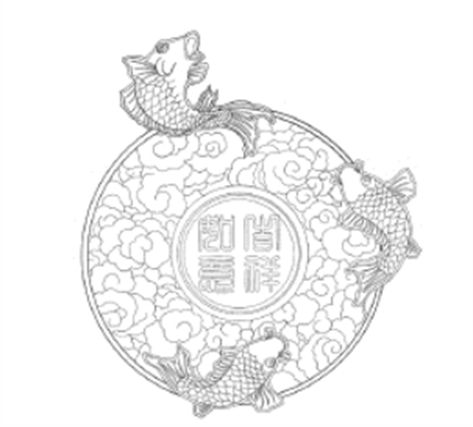
3. Surplus Year After Year (年年有余)
- Motif: Firecrackers, a fish, or a child holding a carp.
- Symbolism: Firecrackers represent the New Year festival. The word for “fish” (鱼, yu) sounds identical to “surplus” or “abundance” (余, yu). This ubiquitous motif, “年年有余” (niánnián yǒuyú), expresses the timeless wish for annual prosperity and having more than enough at year’s end. It remains a central theme in Chinese New Year decorations.
三、年年有餘
- 圖案: 爆竹、魚或兒童抱鯉魚。
- 寓意: 爆竹寓意年節,「魚」與「餘」同音,比喻生活富裕有餘。此圖案表達了人們追求年年幸福富裕的願望,是春節年畫中最常見的主題之一。
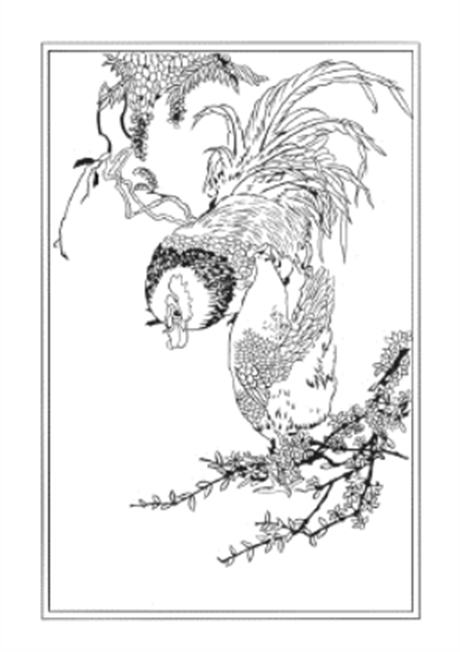
4. Great Luck Every Year (年年大吉)
- Motif: Catfish and large tangerines (or a rooster).
- Symbolism: “Catfish” (鲶鱼, niányú) contains the sound for “year” (年, nián). Two catfish mean “every year.” “Tangerine” (橘, ju) sounds like “luck” (吉, ji). Together, they form the phrase “年年大吉” (niánnián dàjí), wishing for great good fortune annually.
四、年年大吉
- 圖案: 鯰魚,大橘子或雄雞。
- 寓意: 「鯰」與「年」同音,兩條鯰魚喻「年年」。「橘」與「吉」諧音。組合起來寓意「年年大吉」,即每年都充滿吉利。
5. Eagerly Awaiting Good News (翘盼福音)
- Motif: A child looking up at a bat flying down from the sky.
- Symbolism: The “bat” (蝠, fu) is a universal homophone for “blessing” or “good fortune” (福, fu). A bat descending from above represents blessings or good news falling from heaven. The child’s eager gaze perfectly captures the meaning of “翘盼福音” (qiàopàn fúyīn) or “福从天降” (fú cóng tiān jiàng), symbolizing the hopeful anticipation of joyful tidings.
五、翹盼福音
- 圖案: 一童子仰望空中飛來的蝙蝠。
- 寓意: 「蝠」與「福」同音,蝙蝠寓意福音或福氣從天而降。童子翹首仰望的姿態,生動表現了「翹盼福音」或「福從天降」,即急切盼望好消息的到來。
6. Blessings and Fortune (福运)
- Motif: Bats and auspicious clouds.
- Symbolism: “Clouds” (云, yun) pun with “fortune” or “luck” (运, yun). Auspicious clouds (祥云) are stylized, curling cloud patterns representing celestial good omens. Paired with bats (福), the motif “福运” (fúyùn) directly symbolizes the arrival of both blessings and good fortune.
六、福運
- 圖案: 蝙蝠、祥雲。
- 寓意: 祥雲代表祥瑞之氣。「雲」與「運」諧音,蝙蝠代表「福」。蝙蝠與祥雲組合,即寓意「福運」到來,好運臨門。
7. Five Boys Frolicking with Maitreya (五子闹弥勒)
- Motif: Five boys playfully climbing on the laughing Maitreya Buddha.
- Symbolism: Maitreya, the Buddha of the Future, is depicted as a jovial, pot-bellied figure representing happiness and contentment. The five boys symbolize numerous offspring (a traditional blessing). This lively scene of “五子闹弥勒” (wǔzi nào Mílè) is a heartfelt wish for a joyous, lively, and populous family full of laughter.
七、五子鬧彌勒
- 圖案: 五個童子與彌勒佛戲耍。
- 寓意: 彌勒佛笑容可掬,代表歡喜。五個童子寓意多子。童子們在彌勒身上嬉戲的熱鬧場景,常用以祝願闔家歡喜、人丁興旺。
8. Heavenly Maiden Scattering Blossoms (天女散花)
- Motif: A celestial maiden flying amidst clouds, scattering flowers.
- Symbolism: Originating from Buddhist texts, this image of “天女散花” (tiānnǚ sànhuā) symbolizes the spreading of beauty, purity, and auspiciousness across the earth. It represents spring filling the world, the dispelling of negativity, and the permanence of joyous celebration.
八、天女散花
- 圖案: 仙女雲中飛舞散花。
- 寓意: 典故出自佛教《維摩經》。天女散花寓意春滿人間、灑落祥瑞,代表吉慶常在、驅散塵垢,充滿美好祝願。
9. Eight Auspicious Buddhist Emblems (八宝吉祥)
- Motif: The Eight Buddhist Treasures: Conch Shell, Dharma Wheel, Victory Banner, Parasol, Lotus, Treasure Vase, Golden Fish, and Eternal Knot.
- Symbolism: Each item symbolizes an aspect of Buddhist teachings and blessings. As a set, they are known as the “八吉祥” (bā jíxiáng), representing supreme auspiciousness, wisdom, and protection. A more secular “Eight Treasures” set can also be formed from other lucky items like coins, scrolls, and rhinoceros horn cups.
九、八寶吉祥
- 圖案: 法螺、法輪、寶傘、白蓋、蓮花、寶瓶、金魚、盤長。
- 寓意: 此為佛教八種法物,統稱「八吉祥」,象徵吉祥、智慧與守護。也有由珠、錢、磬、祥雲等組成的世俗「八寶」圖案,均寓意吉祥幸福。
10. Two Hearts as One on a Single Stem (并蒂同心)
- Motif: A twin lotus flower growing on a single stalk.
- Symbolism: The rare “并蒂莲” (bìngdì lián) is a powerful metaphor for marital harmony and inseparable love. “同心” (tóngxīn) means “of one heart.” This motif, “并蒂同心,” is a poetic wish for a couple to be united in heart and purpose, sharing a beautiful life together.
十、並蒂同心
- 圖案: 並蒂蓮。
- 寓意: 一支花梗上開出兩朵蓮花,稱為並蒂蓮,用以比喻夫妻恩愛、同心一體。「並蒂同心」寓意夫妻情投意合、生死與共。
11. The Immortals of Harmony and Union (和合二仙)
- Motif: Two immortals, one holding a lotus (荷, he), the other holding a box (盒, he), from which bats (福) fly out.
- Symbolism: These two figures, deified versions of the Tang-era monks Hanshan and Shide, personify “harmony” (和) and “union” (合). The lotus and box are phonetic puns for their names. The motif “和合二仙” (héhé èr xiān) blesses marriages with harmony, partnerships with unity, and the household with endless blessings (represented by the bats).
十一、和合二仙
- 圖案: 和合二仙,一人持荷花,一人捧圓盒,盒中飛出蝙蝠。
- 寓意: 「荷」與「盒」諧音「和合」,代表和諧好合。二仙傳說為寒山、拾得兩位高僧的化身。此圖案寓意夫妻和睦、家庭圓滿、福氣綿延。
12. Harmony, Union, and As-You-Wish (和合如意)
- Motif: A box, a lotus, and a Ruyi scepter or lingzhi mushroom.
- Symbolism: This combines the elements of the previous motif (box/lotus for 和合) with a Ruyi (如意) or lingzhi (a symbol of longevity and good fortune). The resulting phrase “和合如意” (héhé rúyì) is a comprehensive blessing for family harmony leading to the fulfillment of all wishes, underpinned by the belief that “家庭和睦万事兴” (harmony in the family leads to prosperity in all endeavors).
十二、和合如意
- 圖案: 盒、荷、如意或靈芝。
- 寓意: 「盒」與「和」、「荷」與「合」同音,如意代表「如願」。組合為「和合如意」,多用於祝願夫妻和睦、家庭幸福、萬事如意。
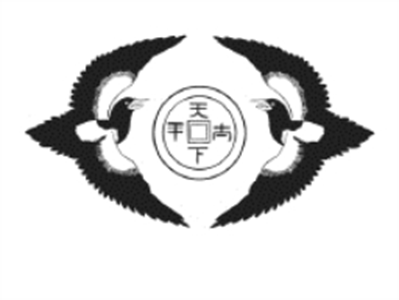
13. Joy is Before Your Eyes (喜在眼前)
- Motif: A magpie (喜鹊, xǐquè) and an ancient coin.
- Symbolism: The magpie brings “joy” (喜, xi). The “coin” (钱, qián) sounds like “before” or “in front of” (前, qián). Placed together, they create the delightful phrase “喜在眼前” (xǐ zài yǎnqián), meaning “happiness is right before your eyes,” signaling immediate good news or a joyful event.
十三、喜在眼前
- 圖案: 喜鵲、古錢。
- 寓意: 喜鵲的「喜」代表喜事。古「錢」與「前」同音。兩者組合即「喜在眼前」,寓意喜事即將發生或就在當下。
14. Double Happiness Arrives at the Door (双喜临门)
- Motif: Two magpies at a doorway, often with two young ladies.
- Symbolism: Two magpies represent a “double joy.” The scene at the door visualizes the idiom “双喜临门” (shuāngxǐ línmén), used when two exceptionally happy events coincide, such as success in exams alongside a marriage. It’s an expression of compounded celebration.
十四、雙喜臨門
- 圖案: 兩位小姐與兩隻喜鵲在門前。
- 寓意: 兩隻喜鵲喻「雙喜」。場景設在門前,生動表現「雙喜臨門」的成語,形容兩件大喜事一同到來。
15. Peaceful Dwelling and Happy Work (安居乐业)
- Motif: Quail (鹌鹑, ānchún), chrysanthemums (菊, ju), and maple leaves.
- Symbolism: “Quail” (鹌) sounds like “peace” (安, ān). “Chrysanthemum” (菊) sounds like “residence” (居, ju). “Maple leaves” (枫叶, fēngyè), as falling leaves, pun on “happy work/career” (乐业, lèyè). This bucolic scene encapsulates the Confucian ideal of “安居乐业” (ānjū lèyè) – a stable home and a fulfilling vocation.
十五、安居樂業
- 圖案: 鵪鶉、菊花、楓樹。
- 寓意: 「鵪」與「安」同音,「菊」與「居」諧音。楓樹「落葉」與「樂業」諧音。組合起來寓意「安居樂業」,即生活安定、樂於所業。
16. Heaven and Earth Rejoice (欢天喜地)
- Motif: A magpie in a tree (sky) and a badger (獾, huān) on the ground.
- Symbolism: The “badger” (獾) puns with “joy” (欢, huān). The magpie (喜鹊) brings “happiness” (喜, xi). Their positions—one in the sky, one on earth—create the vivid idiom “欢天喜地” (huāntiān xǐdì), describing an atmosphere of immense, all-encompassing joy and celebration.
十六、歡天喜地
- 圖案: 獾、喜鵲。
- 寓意: 「獾」與「歡」同音。喜鵲在天,獾在地,借其位置構成「歡天喜地」的成語,形容非常高興、普天同慶的場景。
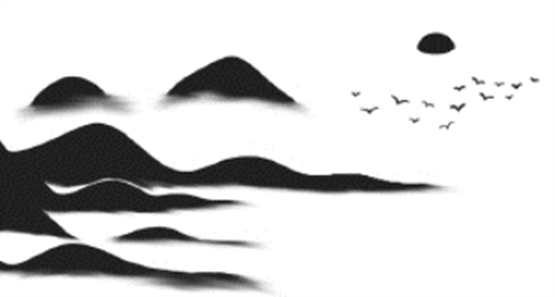
17. The Rising Sun in the East (旭日东升)
- Motif: The sun rising over ocean waves.
- Symbolism: A universal symbol of hope, new beginnings, and boundless vitality. The motif “旭日东升” (xùrì dōngshēng) specifically wishes for a career or endeavor to rise as brilliantly and inexorably as the morning sun, symbolizing bright prospects and flourishing success.
十七、旭日東升
- 圖案: 太陽從海上升起。
- 寓意: 旭日代表光明與新生,從東方海面升起氣勢磅礴。「旭日東升」象徵事業蒸蒸日上、前程光明、繁榮昌盛。
18. The Rivers are Clear and the Seas are Calm (河清海晏)
- Motif: Begonia (海棠, hǎitáng), swallows (燕, yàn), and lotus flowers (荷, he) in a river.
- Symbolism: “Begonia” (海棠) provides the sound for “sea” (海, hǎi). “Swallow” (燕) sounds like “tranquility” (晏, yàn). Lotus flowers in water suggest “clear rivers” (河清, hé qīng). This complex pun forms “河清海晏” (héqīng hǎiyàn), an idiom describing an age of peace, good governance, and prosperity when nature itself is in perfect harmony.
十八、河清海晏
- 圖案: 海棠、燕、荷花。
- 寓意: 海棠取「海」字,燕與「晏」同音,荷花在河中取「河清」意。組合為成語「河清海晏」,寓意天下太平、時世升平。
19. The Dragon and Phoenix Present Good Fortune (龙凤呈祥)
- Motif: A dragon and a phoenix facing each other, often in a dynamic pose.
- Symbolism: The ultimate auspicious pairing. The dragon (龙, lóng), emblem of imperial power and yang energy, represents strength and success. The phoenix (凤, fèng), queen of all birds and yin energy, symbolizes grace, virtue, and prosperity. Their union, “龙凤呈祥” (lóngfèng chéngxiáng), signifies perfect harmony, supreme luck, and is especially used to bless marriages, wishing the couple a noble and blissful union.
十九、龍鳳呈祥
- 圖案: 龍與鳳。
- 寓意: 龍為百鱗之長,象征權威與陽剛;鳳為百鳥之王,象征美德與陰柔。二者結合的「龍鳳呈祥」是最高等級的吉祥圖案,象征高貴、祥瑞、喜慶,常用於祝福婚姻美滿。
20. Five Blessings Descend from Heaven (五福自天来)
- Motif: Five bats flying down from the sky, often towards a child.
- Symbolism: The five bats represent the “Five Blessings” (五福, wǔ fú): longevity, wealth, health, love of virtue, and a peaceful death. Their descent from the heavens visualizes “福从天降” (fú cóng tiān jiàng), blessings falling from the sky. A child reaching for them symbolizes the active pursuit and reception of these blessings, making it a perfect gift to convey heartfelt wishes for happiness.
二十、五福自天來
- 圖案: 童子捕捉飛舞的五隻蝙蝠。
- 寓意: 五隻蝙蝠喻「五福」。蝙蝠自天空飛舞而降,象徵「福從天降」。童子捕捉蝙蝠,意即迎接、追求幸福。此圖反映了人們對幸福生活的渴望。
21. Success in Imperial Examinations All the Way (一路连科)
- Motif: An egret (鹭, lu), lotus (莲, lian), and reed (芦苇, luwei).
- Symbolism: “Egrets” (鹭) sound like “path” (路, lu). “Lotus” (莲) sounds like “continuous” (连, lian). “Reeds” (芦苇), which grow in connected clusters, pun on the phrase “连科” (liánkē), meaning to pass successive imperial exams. The motif “一路连科” (yīlù liánkē) was a powerful scholarly blessing for success at every level of the civil service examinations, leading to a smooth official career. A variant with an egret and a bat is “一路福星,” wishing a traveler good luck.
二十一、一路連科
- 圖案: 鷺、蓮花、蘆葦。
- 寓意: 「鷺」與「路」同音,「蓮」與「連」同音,蘆葦連棵生長諧音「連科」。舊時科舉考試連續考中稱「連科」。此圖案寓意應試成功、仕途順遂。
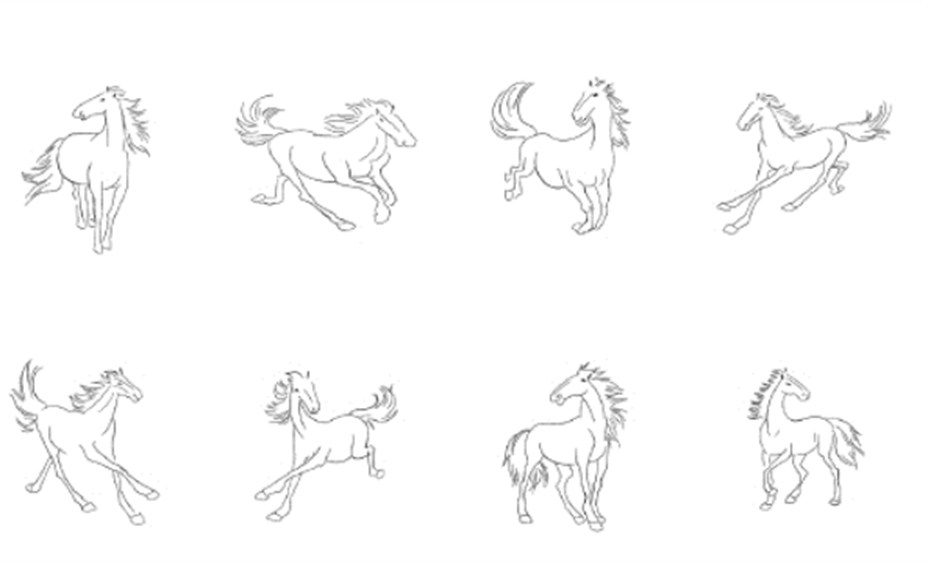
22. The Eight Steeds of King Mu of Zhou (周王八骏图)
- Motif: Eight magnificent horses in various dynamic poses.
- Symbolism: Based on the legend of King Mu of the Zhou Dynasty’s eight supernatural steeds that could travel incredible distances. The “八骏” (bā jùn) became the ultimate symbol of extraordinary talent, speed, and ambition. In Chinese culture, fine horses often metaphorize capable individuals (“千里馬”), and this motif celebrates the discovery and gathering of exceptional talent, as well as the spirit of exploration and grand ambition.
二十二、周王八駿圖
- 圖案: 八匹姿態各異的駿馬。
- 寓意: 傳說周穆王有八匹能日行萬里的神駿。八駿圖因此成為傑出人才、雄心壯志與非凡速度的象徵。亦契合「伯樂相馬」的典故,寓意識才、聚才。
23. The Three Stars Shine Together (三星拱照)
- Motif: The Star God of Longevity (寿星), a bat (福), a deer (禄), and a peach of immortality (寿).
- Symbolism: This motif directly represents the “Three Stars” (三星, sān xīng) of Chinese folk belief: Fu (福, Blessings), Lu (禄, Prosperity), and Shou (寿, Longevity). The bat is Fu, the deer (鹿, lu) is Lu, and the God with the peach is Shou. “三星拱照” (sānxīng gǒngzhào) means these three stars shine upon you, wishing for a complete and fortunate life filled with happiness, wealth, and a long life.
二十三、三星拱照
- 圖案: 壽星老人、鹿、蝙蝠、蟠桃。
- 寓意: 「蝠」與「福」同音,「鹿」與「祿」同音,壽星與蟠桃代表「壽」。三者合為「福、祿、壽」三星。此圖案寓意三星高照,人生幸福、富裕、長壽俱全。
24. Coming First in Three Imperial Exams (三元及第)
- Motif: Three ingots (元宝, yuánbǎo).
- Symbolism: “Ingots” (元宝) contain the character for “first” or “primary” (元, yuan), which is also the title given to the top scholar in each of the three levels of imperial exams (解元, 会元, 状元). Three ingots thus represent achieving “三元” (sānyuán), or coming first in all three. “及第” (jídì) means to pass the exams. This motif, “三元及第,” was the ultimate academic accolade, wishing for unmatched scholarly success and topping the rankings. Today, it blesses any endeavor with outstanding achievement.
二十四、三元及第
- 圖案: 三個元寶。
- 寓意: 「元寶」的「元」字,與科舉鄉試、會試、殿試的第一名「解元、會元、狀元」之「元」相同。三隻元寶喻「三元」。「三元及第」寓意科舉高中、名列前茅,現代引申為祝福事業有成、拔得頭籌。
25. Coming First in Three Successive Exams (连中三元)
- Motif: Lychee (荔枝, lìzhī), longan (桂圆, guìyuán), and walnut (核桃, hétáo).
- Symbolism: All three fruits are round, and “round” (圆, yuán) sounds like the “元” in “三元.” Painting these three round fruits together creates a visual pun for “连中三元” (liánzhòng sānyuán), a more specific version of the previous wish, emphasizing consecutive, uninterrupted top achievements. It’s an encouraging motif for students facing important exams.
二十五、連中三元
- 圖案: 荔枝、桂圓及核桃。
- 寓意: 三種果實均為圓形,「圓」與「元」同音。畫三樣圓形果實,諧音寓意「連中三元」,即連續在科舉三級考試中奪得第一名。現代用以鼓勵學子考試順利、節節勝利。
26. Having Your Name on the Golden List (金榜题名)
- Motif: A pig (猪, zhu) or a pig’s trotter.
- Symbolism: This is a multi-layered pun. A pig’s “trotter” (蹄, ti) sounds like “to inscribe/write the title” (题, tí). “Pig” (猪, zhu) sounds like “vermilion” (朱, zhū), the red ink used to write successful candidates’ names on the imperial announcement (金榜). Thus, giving roast pig trotters to an examinee wished for “朱笔题名” (zhūbǐ tímíng), having one’s name written in red on the golden list. The pig became a mascot for academic success.
二十六、金榜題名
- 圖案: 豬或豬蹄。
- 寓意: 豬「蹄」與「題」同音。「豬」與用來題名的「朱」筆同音。舊時趕考,親友贈送紅燒豬蹄,預祝「朱筆題名」,即金榜高中。豬因此成為學子成功的吉兆物。
27. Promotion is Imminent (指日高升)
- Motif: The Heavenly Official (天官) pointing to the sun, or a red-crowned crane flying at sunrise.
- Symbolism: The Heavenly Official is a deity who bestows promotions and fortune. Pointing to the sun (日, ri), which rises high, creates the phrase “指日高升” (zhǐrì gāoshēng), meaning a promotion is as certain and imminent as the rising sun. It’s a powerful motif wishing for rapid career advancement.
二十七、指日高升
- 圖案: 天官人指太陽或日出時仙鶴高飛。
- 寓意: 天官為賜福祿之神。手指太陽(日),寓意「指日高升」,即升官發達指日可待,祝願官運亨通、迅速晉升。
28. Finding a Path to High Office (青云得路)
- Motif: A boy on a buffalo flying a kite that soars into the clouds.
- Symbolism: “Blue clouds” (青云, qīngyún) metaphorically mean high official rank. The kite reaching the clouds symbolizes “reaching” that high position. “青云得路” (qīngyún délù) or “平步青云” (píngbù qīngyún) wishes for a smooth, direct ascent up the social ladder to prestigious office, much like the kite riding a favorable wind.
二十八、青雲得路
- 圖案: 騎牛小童放風箏,風箏高入雲端。
- 寓意: 「青雲」喻高官顯爵。風箏飛入雲端,象征直上青雲、通達高位。「青雲得路」比喻仕途得意、步步高升。
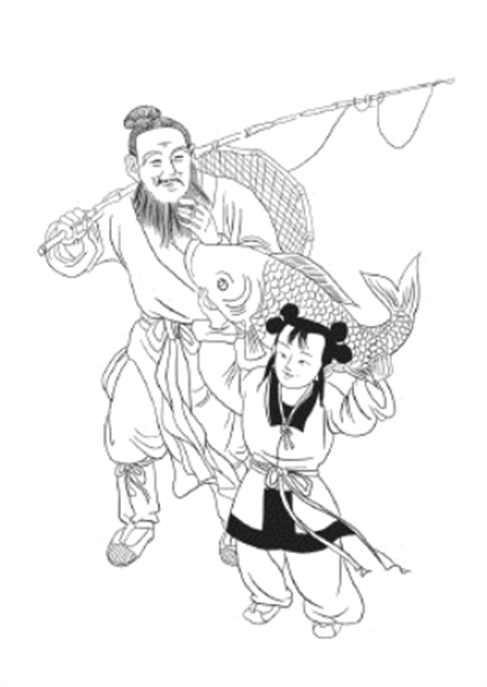
29. The Fisherman Profits (渔翁得利)
- Motif: An old fisherman with his catch.
- Symbolism: Derived from the fable “The Snipe and the Clam Grappled, the Fisherman Profits” (鹬蚌相争,渔翁得利). It symbolizes gaining advantage from others’ conflict or stalemate. In a business context, it’s adapted to represent seizing opportunity and reaping profit, making it a popular motif for merchants, often alongside other wealth symbols like the “Treasure Bowl” (聚宝盆).
二十九、漁翁得利
- 圖案: 漁翁釣魚。
- 寓意: 典故出自「鷸蚌相爭,漁翁得利」。本意指從他人爭執中得利。在商賈中,此圖案常被引申為把握時機、坐收其利,頗受歡迎。
30. A Hall Full of Gold and Jade (金玉满堂)
- Motif: Several goldfish swimming in a pond or vase.
- Symbolism: “Goldfish” (金鱼, jīnyú) sounds like “gold and jade” (金玉, jīnyù). “A hall full” (满堂, mǎntáng) evokes an image of abundance filling the home. This motif, “金玉满堂” (jīnyù mǎntáng), is a direct and vibrant wish for immense wealth and treasure. It also carries a secondary, elegant meaning from the Daoist classic Daodejing, where it can metaphorically praise someone for being full of virtuous knowledge.
三十、金玉滿堂
- 圖案: 金魚數尾。
- 寓意: 「金魚」與「金玉」諧音。「滿堂」意指充滿廳堂。此圖案直白地寓意財富極多,家宅充滿金玉寶器。亦有才學豐富的雅喻。
31. Wealth, Nobility, and Peace (富贵平安)
- Motif: A vase (瓶, píng) with peonies (牡丹, mǔdān), and often an apple (苹果, píngguǒ).
- Symbolism: The “vase” (瓶) sounds like “peace” (平, píng). “Peonies” are the undisputed symbol of wealth and honor (富贵, fùguì). An “apple” (苹) also puns on “peace” (平). Together, they form a comprehensive blessing: “富贵平安” (fùguì píng’ān), wishing for a life that is both prosperous and utterly safe and secure.
三十一、富貴平安
- 圖案: 花瓶、牡丹花、蘋果。
- 寓意: 花瓶的「瓶」與「平」同音,寓意平安。牡丹花喻富貴。蘋果的「苹」亦與「平」同音。組合在一起,即表示「富貴平安」,祝願既富裕顯貴,又平和安穩。
32. The Vermillion Phoenix Faces the Sun (丹凤朝阳)
- Motif: A phoenix facing or flying towards the rising sun.
- Symbolism: The phoenix, an omen of peace and prosperity, is often called the “vermilion bird” (丹凤). Facing the yang energy of the sun, this motif “丹凤朝阳” (dānfèng cháoyáng) symbolizes wise governance attracting talented subjects, or more broadly, represents a sincere love for a bright future, beautiful love, and a blessed life. It is an emblem of hope and virtuous aspiration.
三十二、丹鳳朝陽
- 圖案: 鳳凰、太陽。
- 寓意: 鳳凰為祥瑞神鳥。面向朝陽(太陽),構圖充滿動勢與希望。「丹鳳朝陽」寓意賢才逢明主,亦象征對光明未來、幸福生活的熱愛與向往。
33. Celestial Beings Congratulate Longevity (天仙祝寿)
- Motif: Heavenly bamboo (天竹, tiānzhú), narcissus (水仙, shuǐxiān), lingzhi mushroom (灵芝, língzhī), and a longevity stone (寿石, shòushí).
- Symbolism: Each element contributes a character to the phrase through puns: “天” from heavenly bamboo, “仙” from narcissus (water immortal), “祝寿” implied by the lingzhi (elixir of life) and longevity stone. “天仙祝寿” (tiānxiān zhùshòu) is an elaborate and elegant birthday wish, as if celestial beings themselves are offering congratulations for long life.
三十三、天仙祝壽
- 圖案: 天竹、水仙、靈芝及壽石。
- 寓意: 天竹取「天」字,水仙取「仙」字,靈芝與壽石寓意祝壽。組合為「天仙祝壽」(又稱天仙壽芝),是極為優雅華美的祝壽圖案,寓意仙人賀壽,吉祥非凡。
34. Abundant Blessings and Longevity (多福多寿)
- Motif: The Star God of Longevity, a boy holding a peach, and bats flying around.
- Symbolism: This is a direct pictorial representation of the wish “多福多寿” (duōfú duōshòu) or “福寿双全” (fúshòu shuāngquán). Bats (福) bring multiple blessings, the peach (寿) grants longevity, and the Star God embodies long life. It’s a classic and beloved motif for birthdays, especially for elders.
三十四、多福多壽
- 圖案: 壽星老人、持桃童子、空中飛旋的蝙蝠。
- 寓意: 蝙蝠喻「福」,桃喻「壽」,壽星代表長壽。此圖直觀表現「多福多壽」或「福壽雙全」的祝願,是經典的賀壽題材。
35. Offering the Peaches of Immortality (蟠桃献寿)
- Motif: An immortal (often the Queen Mother of the West’s attendant) holding a peach beneath a peach tree.
- Symbolism: The蟠桃 (pántáo) is the mythical peach of immortality from the Queen Mother’s garden, said to ripen every few thousand years. “献寿” (xiànshòu) means to offer congratulations for longevity. This motif, “蟠桃献寿,” is the ultimate birthday gift motif, conveying wishes for transcendent health and long life.
三十五、蟠桃獻壽
- 圖案: 在桃樹之下仙人持桃侍立。
- 寓意: 蟠桃乃西王母所種仙果,食之長生不老。仙人持桃「獻壽」,是最高規格的祝壽意象,適用於生日禮物,祝願壽比仙桃。
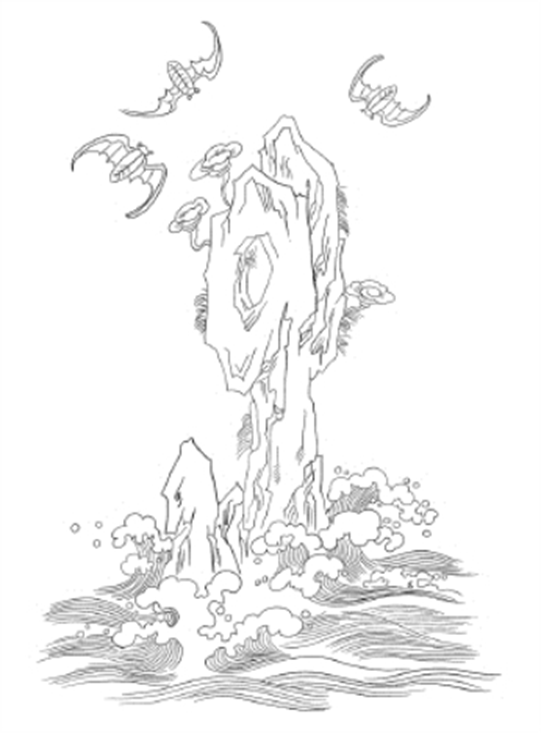
36. Longevity Mountain and Blessings Sea (寿山福海)
- Motif: Rocks forming a mountain, bats, and lingzhi mushrooms amidst waves.
- Symbolism: Rocks symbolize the mountain and enduring longevity. Bats (福) over water (海) represent a sea of blessings. This visualizes the famous blessing couplet: “福如东海长流水,寿比南山不老松” (May your blessings be as vast as the Eastern Sea, and your life as long as the Southern Mountains). “寿山福海” (shòushān fúhǎi) is a potent, landscape-style wish for boundless good fortune and eternal life.
三十六、壽山福海
- 圖案: 岩石、蝙蝠、靈芝(或海浪)。
- 寓意: 岩石寓意壽山,蝙蝠與海波寓意福海。此圖案源於「壽比南山,福如東海」的吉語,用於祝壽,寓意長壽無疆、福氣浩瀚。
37. Dongfang Shuo Presents the Peach (东方朔捧桃)
- Motif: The legendary figure Dongfang Shuo holding a giant peach.
- Symbolism: Dongfang Shuo was a witty Han Dynasty courtier famed in folklore for stealing and eating the Queen Mother’s peaches of immortality three times, thus earning extreme longevity. His image presenting a peach, “东方朔捧桃” (Dōngfāng Shuò pěng táo), is a humorous and intellectual twist on the longevity theme, particularly suitable for wishing long life to someone known for their wit, eloquence, or cleverness.
三十七、東方朔捧桃
- 圖案: 東方朔、桃。
- 寓意: 傳說東方朔曾三次偷食西王母蟠桃,故其形象與長壽緊密相連。「東方朔捧桃」用以祝頌有才學或機智幽默之人的壽辰,別具趣味。
38. Adding Tallies in the Sea Hut (海屋添筹)
- Motif: A pavilion (海屋) on mythical Penglai Island, with clouds, cranes, and sometimes an immortal adding tallies to a pile.
- Symbolism: Derived from a story where an immortal said that every time a crane brought a tally to the “sea hut,” a century passed. “海屋添筹” (hǎiwū tiān chóu) thus became an idiom for longevity so great it’s measured in centuries. As a motif, it’s used to congratulate on a new building’s completion, wishing the foundation to be as solid and enduring as the mythical sea hut, bringing lasting prosperity.
三十八、海屋添籌
- 圖案: 蓬島、瑤台、祥雲、鶴。
- 寓意: 典故出自蘇軾《東坡志林》,傳說每有仙鶴銜籌添入「海屋」,便歷經一千年。此圖案寓意極長的壽命與穩固的基業,舊俗用於祝賀新屋落成,祈願宅基永固、福壽綿長。
Read More
- Buying Guides (111)
- Collectors' Academy (192)
- Care Academy (8)
- Investment Academy (25)
- Jade Crafting Techniques (29)
- Michelle Au: The Gemstone Luminary (11)
- The Precious Metals & Jewels Compendium (54)