The Art of the ‘Small and Beautiful’: An Insider’s Guide to the Esoteric World of Bamboo Root Carvings
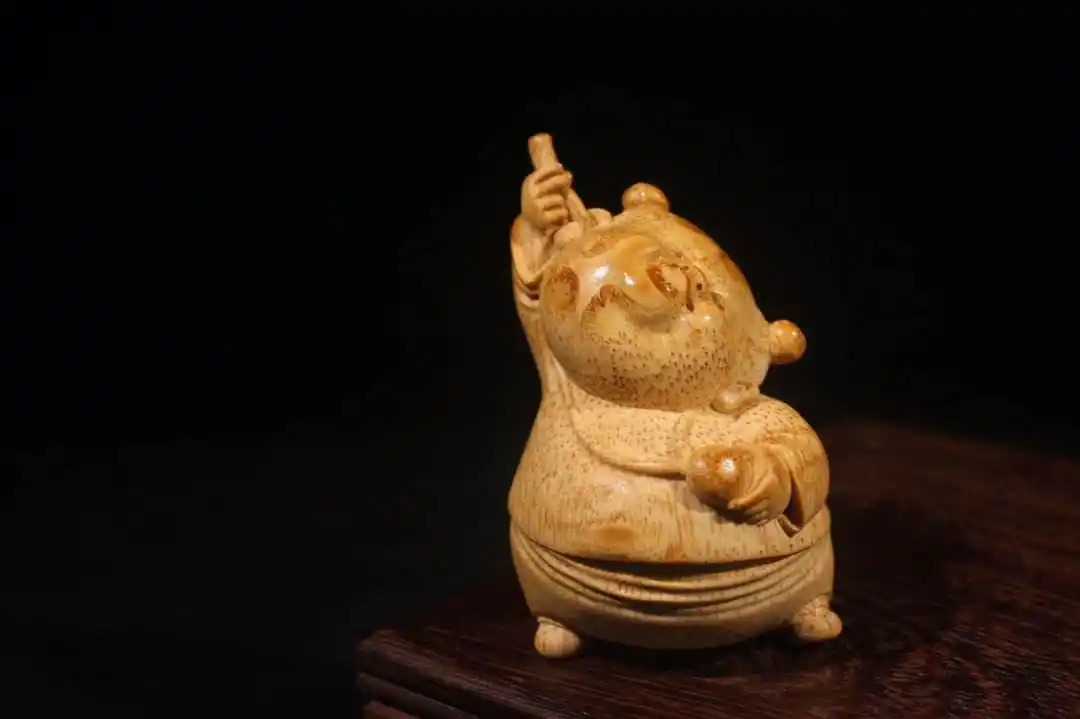
In the world of collectible curiosities (known in Chinese as Wenwan), popular items like Yixing teapots, walnuts, and bodhi seeds often dominate the spotlight. However, there exists a realm of more esoteric treasures, such as bamboo root carvings. While relatively niche, the unique charm and refined elegance of bamboo root carving are captivating a growing number of discerning enthusiasts. Today, let’s delve into this specialized art form and explore what makes it so distinctive.
在文玩收藏的世界裡,諸如紫砂壺、核桃、菩提子等熱門物件常佔據焦點。然而,還存在著一個更為小眾的寶藏領域,例如竹根雕。儘管相對冷門,竹根雕獨特的魅力與高雅氣質,正吸引著越來越多眼光獨到的愛好者。今天,就讓我們深入探討這種特殊的藝術形式,發掘其與眾不同之處。
Part 1: Origins and Historical Development
Bamboo root carving is a traditional Chinese folk art that originated during the Tang Dynasty (618-907 AD) and flourished throughout the Ming (1368-1644) and Qing (1644-1912) Dynasties. Early works primarily served practical purposes, adorning utilitarian objects like brush pots and incense burners. As the craft evolved and matured, artists increasingly emphasized its artistic and aesthetic dimensions. Gradually, bamboo root carving transformed from a decorative craft into a highly prized art form, appreciated for its ornamental value and collectability.
一、竹根雕的起源與發展
竹根雕是中國傳統民間藝術,起源於唐代(西元618-907年),盛行於明清兩代(1368-1644;1644-1912)。早期的作品主要側重實用功能,用於裝飾筆筒、香爐等器物。隨著這門技藝的發展與成熟,藝術家們越來越注重其藝術性與審美維度。竹根雕逐漸從一門裝飾性工藝,轉變為一種備受珍視的藝術形式,因其觀賞價值與收藏潛力而受到青睞。
Part 2: Defining Characteristics
1. Rarity and Uniqueness of Material
The raw material is the bamboo root itself. Each root possesses a distinct character—its texture, density, natural curvature, and grain pattern are entirely unique. This inherent variability means no two pieces of raw material are identical, guaranteeing that every finished carving is a one-of-a-kind artwork, shaped as much by nature as by the artist’s hand.
1. 材料的稀有性與獨特性
其原材料是竹根本身。每一塊竹根都具有獨特的個性——其質地、密度、天然彎曲度及紋理走向都截然不同。這種固有的多變性意味著沒有任何兩塊原材料是完全相同的,從而確保了每一件成品雕刻都是獨一無二的藝術品,其形態既出自藝術家之手,亦由天然所賦予。
2. Exquisite Carving Craftsmanship
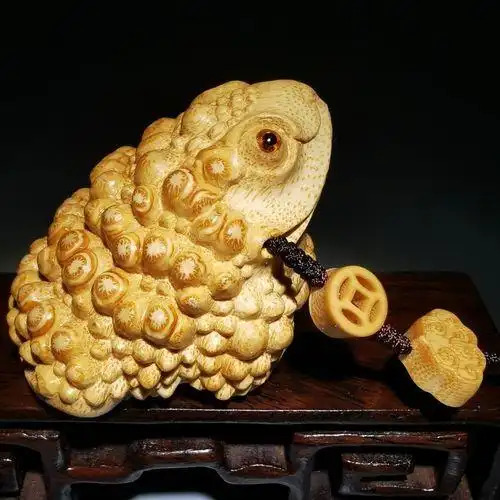
Carving bamboo root demands exceptional skill and experience from the artist. The process requires careful study of the root’s individual properties—its shape, internal fiber structure, and natural flaws. Master carvers then employ a variety of techniques such as fudiao (relief carving), yuandiao (sculpture in the round), and toudiao (openwork carving) to harmoniously blend the root’s innate beauty with profound artistic conception. The challenge lies in transforming a rugged, organic form into a work of refined art.
2. 精湛的雕刻工藝
雕刻竹根要求藝術家具備高超的技藝與豐富的經驗。創作過程需仔細研究竹根的個體特性——其形狀、內部纖維結構及天然瑕疵。雕刻大師隨後運用多種技法,如浮雕、圓雕、透雕等,將竹根的天然之美與深邃的藝術構思和諧地融為一體。其挑戰在於將粗獷的有機形態轉化為精緻的藝術作品。
3. Rich Cultural Connotations
Bamboo holds a deeply symbolic place in traditional Chinese culture, revered as one of the ‘Four Gentlemen’ (四君子, along with plum, orchid, and chrysanthemum), embodying resilience, humility, and integrity. Bamboo root carvings often draw upon classical themes like landscapes, figures, flowers, and birds. Through the medium of carving, these works vividly express profound philosophical and literary ideas, making them vessels of significant cultural and artistic value.
3. 豐富的文化內涵
竹子在中國傳統文化中具有深刻的象徵意義,與梅、蘭、菊並稱為「四君子」,象徵著堅韌、謙遜與正直。竹根雕常取材於山水、人物、花鳥等經典主題。通過雕刻這一媒介,這些作品生動地表達了深厚的哲學與文學思想,使其成為承載重要文化與藝術價值的載體。
Part 3: The Value Proposition for Collectors
1. Artistic Value
As a sophisticated art form, bamboo root carving holds a respected position within the decorative arts. Its distinctive style and expressive power are highly regarded. Furthermore, the transmission of this specialized craft faces challenges, making well-preserved, high-quality antique pieces exceedingly rare. This scarcity is a key factor driving their collectible value.
1. 藝術價值
作為一種精緻的藝術形式,竹根雕在裝飾藝術領域佔有受人尊敬的地位。其獨特的風格與表現力備受推崇。此外,這門專業技藝的傳承面臨挑戰,使得保存完好、品質上乘的古董竹根雕極為稀有。這種稀缺性是驅動其收藏價值的一個關鍵因素。
2. Historical Value
As a centuries-old folk tradition, these carvings represent not only the local culture and technical prowess of their time but also reflect broader social customs and humanistic spirit. Studying and collecting them offers a tangible window into history and serves as a means of cultural preservation.
2. 歷史價值
作為一門歷史悠久的民間傳統工藝,這些雕刻不僅代表了其所處時代的地方文化與技術水平,也反映了更廣泛的社會風貌與人文精神。研究與收藏它們,為我們提供了一扇通往歷史的實體視窗,也是一種文化保存的方式。
3. Investment Potential
With their unique appeal and association with scholarly refinement, the market for fine bamboo root carvings has shown a steady, upward trend. In recent years, alongside the general heating up of the wenwan market, prices for exceptional pieces have seen significant appreciation. For collectors with a passion for the art, acquiring these works can thus be both a fulfilling avocation and a potential avenue for wealth preservation and growth.
3. 投資潛力
憑藉其獨特的吸引力以及與文人雅趣的關聯,優質竹根雕的市場呈現出穩步上升的趨勢。近年來,隨著文玩市場整體的升溫,精品竹根雕的價格出現了顯著增長。因此,對於熱衷此道的收藏家而言,收藏這些作品既可以是一種令人滿足的雅好,也可能是一條資產保值與增值的潛在途徑。
Part 4: A Guide to Acquiring Bamboo Root Carvings
1. Examine the Material
Seek out roots that are dense, hard, and exhibit clear, attractive grain patterns with a pleasing natural color. Avoid pieces that have been heavily waxed or lacquered, as these treatments can mask imperfections or structural weaknesses in the root itself.
1. 審視材質
尋找那些質地緻密堅硬、紋理清晰美觀、顏色自然悦目的竹根。避免購買經過厚重打蠟或上漆處理的作品,因為這些處理可能掩蓋竹根本身的瑕疵或結構缺陷。
2. Assess the Craftsmanship
Look for meticulous carving, fluid lines, and balanced, aesthetically pleasing forms. Pay close attention to the handling of details: the precision of carved textures, the grace of transitional lines, and the overall harmony of the composition.
2. 評估工藝
尋找雕刻精細、線條流暢、造型勻稱美觀的作品。仔細觀察細節的處理:雕刻紋理的精度、過渡線條的優美度以及構圖的整體和諧性。
3. Understand the Subject Matter
Different themes carry specific cultural allegorical meanings. A landscape scene might evoke the ideal of ‘lofty mountains and flowing waters’ (高山流水, symbolizing friendship and harmony), while a floral subject could signify ‘wealth and honor in bloom’ (花開富貴). Choose themes that resonate with your personal taste and cultural appreciation.
3. 理解題材
不同的主題承載著特定的文化寓意。山水題材可能寄託「高山流水」(象徵知音情誼)的理想,而花卉主題則可能寓意「花開富貴」。選擇與您個人品味及文化修養產生共鳴的主題。
Part 5: Essential Care and Maintenance
1. Maintain a Dry Environment
Store carvings in a stable, dry place away from dampness and direct sunlight. Prolonged humidity can lead to mold, while direct sun can cause cracking or fading.
1. 保持乾燥
將雕刻作品存放於穩定、乾燥的環境中,避免潮濕與陽光直射。長期潮濕可能導致發霉,而陽光直射可能引起開裂或褪色。
2. Guard Against Physical Impact
Bamboo root is relatively fragile. Handle with care and display where it is safe from knocks, pressure, or being handled by children or pets.
2. 防止磕碰
竹根本質相對脆弱。需小心拿取,並陳列在安全的位置,避免磕碰、擠壓或被孩童、寵物誤觸。
3. Apply Wax Sparingly
A light, occasional application of natural wax (like beeswax) can help protect the surface, sealing it against moisture and slowing oxidation. Avoid over-waxing, which can clog the natural pores and detract from the piece’s appearance.
3. 適度上蠟
偶爾輕薄地塗抹一層天然蠟(如蜂蠟),有助於保護表面,隔絕濕氣並減緩氧化。避免過度上蠟,以免堵塞竹根天然氣孔並影響其觀感。
4. Clean Periodically
Dust gently with a soft, dry cloth. For stubborn grime, use a cloth slightly dampened with a mild, water-based cleaner or diluted alcohol, then dry immediately. Never use abrasive materials or harsh chemicals.
4. 定期清潔
用柔軟的乾布輕輕拂去灰塵。對於頑固污漬,可使用微蘸溫和水性清潔劑或稀釋酒精的軟布輕拭,並立即擦乾。切勿使用研磨材料或刺激性化學品。
Part 6: Evaluating the Worth of a Bamboo Root Carving
For this niche collectible, value assessment hinges on several interconnected factors:
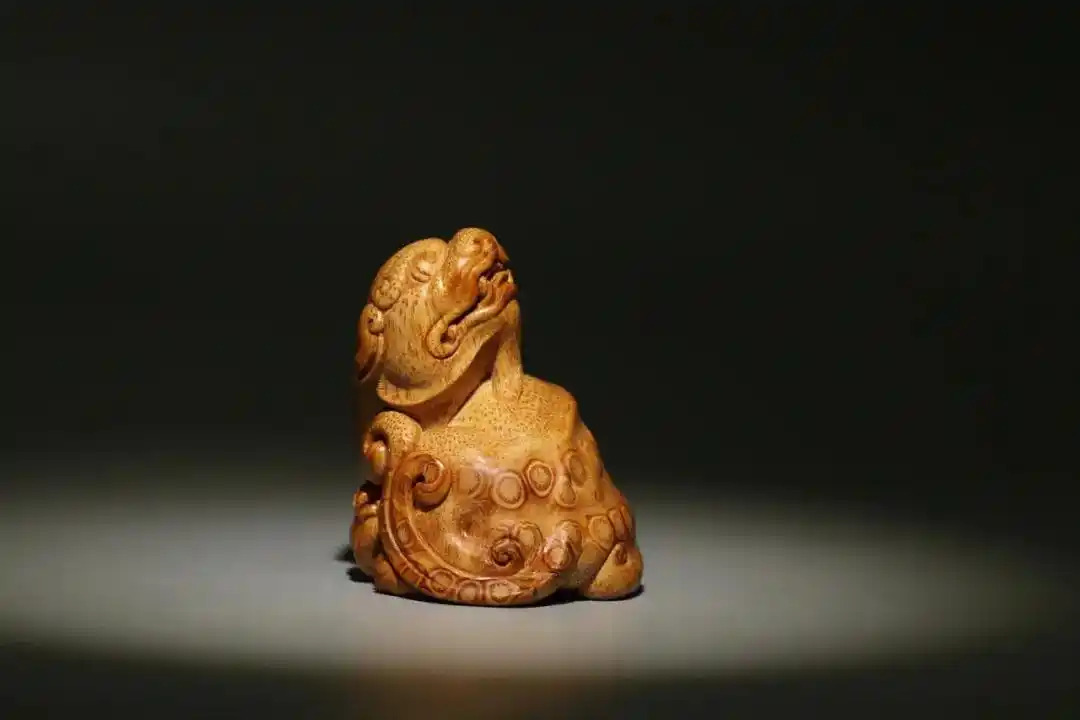
1. Artistic Merit: The primary consideration. Evaluate the mastery of technique, originality of design, expressiveness of form, and the successful integration of the natural root shape into the artistic concept.
2. Historical Significance: The piece’s age, provenance (its history of ownership), regional style, and its role within the craft’s lineage all contribute to its historical importance.
3. Collectible Status: Scarcity is paramount. The finest antique pieces are scarce due to the challenges of preservation and the niche nature of the craft. Consider the piece’s rarity, cultural depth, and market demand among dedicated collectors.
六、如何評估竹根雕的價值
對於這類小眾收藏品,價值評估取決於幾個相互關聯的因素:
1. 藝術水準: 首要考量。評估其技藝的掌握程度、設計的獨創性、形式的表現力,以及將竹根天然形態成功融入藝術構思的能力。
2. 歷史意義: 作品的年代、來源(流傳有序)、地域風格,以及其在該工藝傳承脈絡中的地位,共同構成了其歷史重要性。
3. 收藏屬性: 稀缺性至關重要。由於保存不易及工藝的小眾性,最精美的古董竹根雕極為稀少。需考量作品的稀有度、文化深度以及在核心藏家群體中的市場需求。
In summary, bamboo root carving, though an esoteric branch of the wenwan world, captivates with its understated elegance and deep connection to Chinese artistic tradition. For the collector, a true appreciation involves recognizing its multifaceted value—artistic, historical, and collectible. By learning to authenticate and care for these delicate pieces, one can fully engage with and enjoy the unique allure of this ‘small and beautiful’ art form.
總而言之,竹根雕雖屬文玩世界中的一個小眾門類,卻以其含蓄的優雅氣質及與中國藝術傳統的深刻連結而引人入勝。對於收藏家而言,真正的欣賞在於認識其多方面的價值——藝術的、歷史的與收藏的。通過學習鑑別真偽並悉心養護這些精緻的作品,人們方能充分領略並享受這門「小而美」藝術形式的獨特魅力。
Read More
Explore more about jadeite jewelry and Chinese antiques on VirtuCasa. Discover the artistry and history behind each piece.