Comprehensive Guide to Collectibles Care: Daily Maintenance for Jade, Gemstones, and Porcelain
Published: March 30, 2026 | Category: Collectors’ Academy | Tags: jade care, porcelain maintenance, gemstone preservation, antique conservation, collectibles care
Introduction
As collectors and enthusiasts of Oriental treasures, we understand that the true value of jade, gemstones, and porcelain extends far beyond their monetary worth. These pieces carry centuries of cultural heritage, artistic mastery, and personal significance. Proper care and maintenance are essential not only for preserving their physical beauty but also for safeguarding their historical and emotional value.
This comprehensive guide provides practical, expert-recommended methods for the daily care of your precious collectibles. Whether you’re a seasoned collector or new to the world of Oriental treasures, these guidelines will help you maintain your pieces in pristine condition for generations to come.
Understanding the Materials
Jade: The Stone of Heaven
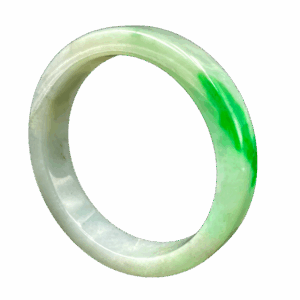
Jade comes in two primary varieties:
- Jadeite: Harder (6.5-7 on Mohs scale), more valuable, found in Myanmar
- Nephrite: Softer (6-6.5 on Mohs scale), more common, found in China
Both types are relatively durable but have specific vulnerabilities:
- Sensitive to extreme temperature changes
- Can be damaged by harsh chemicals
- Prone to scratching from harder materials
Porcelain: The White Gold
Traditional Chinese porcelain is characterized by:
- High-fired clay body
- Translucent quality when thin
- Glazed surface that can be delicate
- Vulnerability to thermal shock
Other Gemstones in Oriental Collections
Many collections include:
- Agate: Banded chalcedony, relatively durable
- Carnelian: Orange-red chalcedony, sensitive to heat
- Lapis Lazuli: Deep blue with pyrite inclusions, soft and porous
- Turquoise: Porous and sensitive to chemicals
Daily Care Fundamentals
1. Handling Procedures
Always:
- Wash and dry hands thoroughly before handling
- Handle over a soft surface (velvet pad, microfiber cloth)
- Hold pieces by their sturdiest parts, not delicate appendages
- Wear cotton gloves when handling highly polished surfaces
Never:
- Handle with lotion or oil on hands
- Pass pieces directly between people (place on surface first)
- Wear jewelry that could scratch collectibles
2. Cleaning Basics
Weekly Light Cleaning:
- Use a soft, clean microfiber cloth
- Gently wipe surfaces in one direction
- For intricate carvings, use a soft-bristled artist’s brush
- Avoid circular motions that can create micro-scratches
Monthly Deep Cleaning:
- Jade: Lukewarm water with mild soap, rinse thoroughly, pat dry immediately
- Porcelain: Distilled water only, avoid soap on unglazed areas
- Gemstones: Consult specific care guidelines for each stone type
Specialized Care by Material
Jade Care Protocol
Daily/Weekly:
- Wipe with dry microfiber cloth to remove dust
- Check for any hairline cracks or changes in appearance
Monthly:
- Prepare lukewarm water with a drop of mild dish soap
- Soak for 2-3 minutes only
- Gently brush intricate areas with soft toothbrush
- Rinse thoroughly with clean water
- Dry immediately with soft cloth
- Allow to air dry completely before storage
Seasonal (Every 3-4 months):
- Apply thin layer of mineral oil with cotton swab
- Wipe off excess after 15 minutes
- This maintains luster and prevents drying
What to Avoid with Jade:
- Ultrasonic cleaners (can cause internal fractures)
- Steam cleaning
- Harsh chemicals (bleach, ammonia, acids)
- Extreme temperature changes
- Direct sunlight for extended periods
Porcelain Preservation
Handling Precautions:
- Always support from the bottom
- Never lift by handles or delicate parts alone
- Use two hands for larger pieces
Cleaning Method:
- Use distilled water at room temperature
- Dampen soft cloth, never soak porcelain
- Wipe gently in straight lines
- Dry immediately with another soft cloth
- For stubborn stains, consult professional conservator
Display Considerations:
- Avoid direct sunlight (causes fading)
- Maintain stable humidity (40-60% ideal)
- Use felt pads under pieces to prevent scratching
- Rotate displayed pieces every few months
Emergency Response for Porcelain:
- If piece gets wet, dry immediately
- For cracks, stabilize temperature and humidity
- Never attempt DIY repairs on valuable pieces
- Consult professional conservator for damage
Gemstone-Specific Guidelines
Hard Stones (7+ Mohs):
- Jadeite, quartz, agate
- Can withstand gentle cleaning
- Still avoid harsh chemicals
Soft Stones (Below 7 Mohs):
- Lapis lazuli, turquoise, malachite
- Clean only with dry soft cloth
- Never use water or liquids
- Store separately to prevent scratching
Porous Stones:
- Turquoise, lapis, some calcites
- Absorb oils and liquids easily
- Require extra care in handling
- Professional cleaning recommended
Storage Solutions
Ideal Storage Conditions
Temperature: 18-22°C (64-72°F)
Humidity: 40-60% relative humidity
Light: Low, indirect light
Air Quality: Clean, dust-free environment
Storage Materials
Recommended:
- Acid-free tissue paper
- Museum-grade storage boxes
- Soft velvet or microfiber pouches
- Individual compartments for each piece
- Silica gel packets (changed regularly)
Avoid:
- Newspaper (acidic, can stain)
- Plastic bags (can trap moisture)
- Wool (can be abrasive)
- Colored fabrics (dyes may transfer)
Organization System
- Cataloging: Maintain detailed records with photos
- Rotation: Schedule regular inspection of stored items
- Insurance: Keep updated appraisals and documentation
- Access: Store frequently viewed pieces accessibly
Display Best Practices
Lighting Considerations
Ideal Lighting:
- LED lights with UV filter
- Low heat output
- Adjustable intensity
- Timed display periods
Lighting to Avoid:
- Direct sunlight
- Halogen bulbs (high heat)
- Fluorescent lights (UV emission)
- Spotlights too close to pieces
Display Case Setup
Security Features:
- Lockable cases
- Tempered glass
- Stable shelving
- Earthquake protection for valuable pieces
Aesthetic Considerations:
- Neutral backgrounds
- Adequate spacing between pieces
- Rotating displays to prevent “display fatigue”
- Thematic arrangements for educational value
Seasonal Maintenance Calendar
Spring (March-May)
- Deep clean all pieces
- Check storage conditions
- Update insurance documentation
- Rotate displayed items
Summer (June-August)
- Monitor humidity levels
- Protect from direct sunlight
- Check for insect activity
- Light cleaning only
Autumn (September-November)
- Prepare for heating season
- Check humidity control systems
- Annual professional inspection
- Documentation photography
Winter (December-February)
- Monitor dry indoor air
- Use humidifiers as needed
- Avoid placement near heaters
- Holiday display precautions
Professional Care When Needed
When to Consult a Professional
Immediate Professional Attention Required:
- Visible cracks or chips
- Loose fittings or mounts
- Significant discoloration
- Structural instability
Regular Professional Services:
- Annual inspection for high-value pieces
- Professional cleaning every 2-3 years
- Reappraisal every 5 years
- Conservation assessment for antiques
Finding Qualified Professionals
Look for:
- Museum conservation experience
- Specialization in Oriental artifacts
- Professional certifications
- References from reputable institutions
- Transparent pricing and methods
Common Myths Debunked
Myth 1: “Jade needs to be worn to maintain its luster”
Truth: While body oils can enhance some jade’s appearance, improper wearing can cause damage. Controlled mineral oil application is safer.
Myth 2: “Porcelain should be washed in dishwasher”
Truth: Never! Thermal shock and harsh detergents will damage antique porcelain irreparably.
Myth 3: “All gemstones can be cleaned the same way”
Truth: Each stone has unique properties requiring specific care. Turquoise and lapis require completely different care than jade.
Myth 4: “More cleaning is better”
Truth: Over-cleaning causes more damage than under-cleaning. Gentle, infrequent cleaning preserves pieces best.
Emergency Response Guide
Immediate Actions for Accidents
Water Exposure:
- Blot gently with absorbent cloth
- Air dry at room temperature
- Never use heat sources
- Monitor for several days
Impact Damage:
- Collect all fragments
- Place in secure container
- Do not attempt repair
- Contact professional immediately
Chemical Exposure:
- Rinse with distilled water if safe for material
- Blot dry immediately
- Isolate from other pieces
- Seek professional advice
Creating an Emergency Kit
Essential Items:
- Soft cotton gloves
- Acid-free tissue paper
- Soft-bristled brushes
- Distilled water in spray bottle
- Magnifying glass
- Camera for documentation
- Conservator contact information
Long-Term Preservation Philosophy
The Collector’s Mindset
Preserving Oriental collectibles is more than maintenance—it’s stewardship. Each piece represents:
- Cultural Heritage: Centuries of artistic tradition
- Artistic Achievement: Master craftsmen’s skill
- Historical Connection: Link to past generations
- Personal Legacy: What we pass to future collectors
Sustainable Collecting Practices
Ethical Considerations:
- Support legitimate sources
- Understand provenance
- Respect cultural significance
- Contribute to preservation knowledge
Educational Role:
- Share proper care techniques
- Document your collection
- Mentor new collectors
- Support museum and educational programs
Conclusion
The care of jade, gemstones, and porcelain collectibles is both a science and an art. By following these evidence-based guidelines, you ensure that your precious pieces remain beautiful, valuable, and meaningful for generations.
Remember that the most important tool in collectibles care is knowledge. Continue learning about your specific pieces, their histories, and their unique requirements. When in doubt, always err on the side of caution and consult professionals.
At VirtuCasa, we’re committed to supporting collectors in their preservation journey. Our Collectors’ Academy provides ongoing resources, expert consultations, and a community of fellow enthusiasts dedicated to the proper care of Oriental treasures.
Key Takeaways:
- Handle with clean, dry hands and proper support
- Clean gently and infrequently with appropriate methods
- Store in stable, controlled environments
- Display with protection from light and environmental hazards
- Consult professionals for significant issues or regular maintenance
- Document everything for insurance and historical purposes
Your collectibles are not just objects—they’re stories, art, and history made tangible. Treat them with the respect they deserve, and they will continue to bring joy and wonder for lifetimes to come.
About VirtuCasa: VirtuCasa is a premier platform for Oriental collectibles, specializing in jade, porcelain, and gemstone treasures. Our Collectors’ Academy provides expert resources for collectors at all levels. Visit VirtuCasa.com to explore our collection and educational resources.
Disclaimer: This guide provides general recommendations. Always consult with professional conservators for specific concerns about valuable or antique pieces. Individual items may have unique requirements based on age, condition, and specific materials.