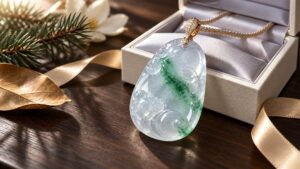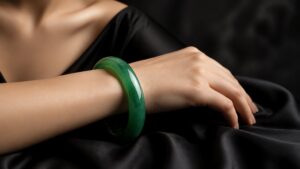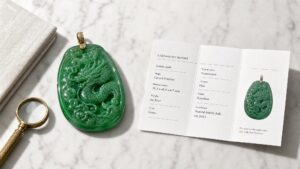
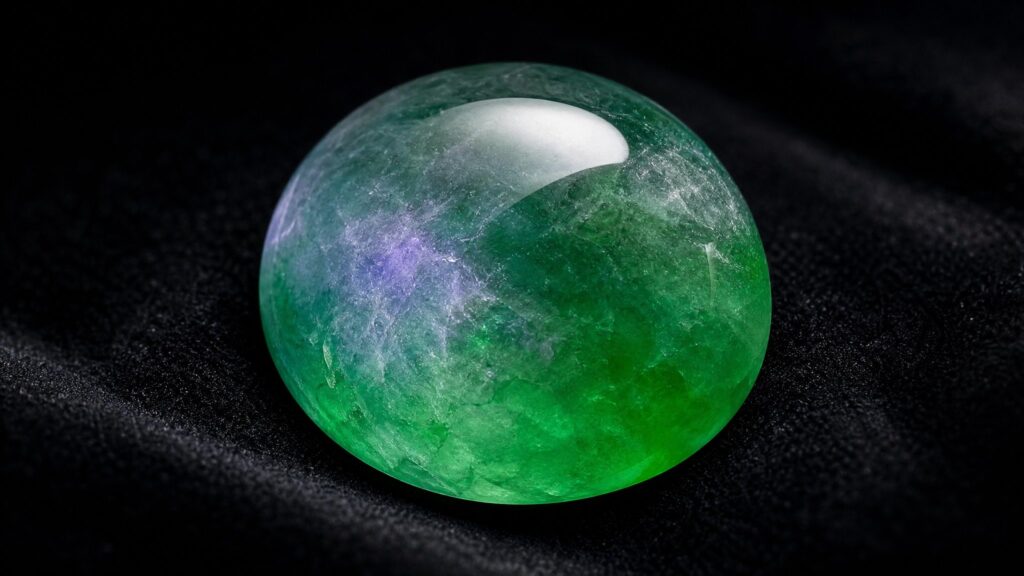
When shopping for jadeite jewelry, understanding the difference between Type A (natural, untreated) and treated jadeite (Types B and C) is essential. Many buyers unknowingly purchase treated jadeite at inflated prices, only to discover later that the color or clarity is not natural. This guide will walk you through the key characteristics of each treatment grade, how to spot the differences, and what to look for when buying jadeite—so you can make informed decisions with confidence.
Introduction
Jadeite is a precious gemstone that has been revered in Chinese culture for millennia. However, not all jadeite on the market is natural. Treatments such as polymer impregnation (Type B) and dyeing (Type C) are commonly used to improve appearance, but they drastically reduce value and durability. According to recognized jade treatment grade guides, understanding these classifications is the single most important factor in jadeite purchasing. In this article, you will learn how to identify Type A jadeite and distinguish it from treated varieties, using visual clues, professional testing, and common sense.
Background / Key Concepts
What Is Jadeite?
Jadeite is one of two minerals that can be called jade (the other being nephrite). It is rarer and more valuable, especially when it exhibits vibrant green hues known as imperial jade. Jadeite is graded by its color, transparency, texture, and the presence of treatments. The gemological industry has established a classification system: Type A (natural, no treatment except waxing), Type B (chemically bleached and polymer-impregnated), and Type C (dyed).
Treatment Grades Explained
Type A jadeite has been minimally treated—only a light waxing to enhance its luster, which is considered acceptable. Type B jadeite is treated with strong acids to remove impurities and then impregnated with polymer resins to fill cracks, improving clarity. Type C jadeite is dyed to alter or enhance color, often using unstable dyes that fade over time. There is also Type B+C, a combination of both treatments. As explained in a complete guide to jade testing and certification, certification from a reputable gemological lab is the only way to confirm treatment status with certainty.
The Main Body
Visual Clues: The First Step in Identification
While visual inspection alone is not foolproof, certain signs can raise red flags. Type A jadeite has a natural, uneven color distribution, often with slight inclusions or texture variations. In contrast, Type C jadeite may have unnaturally bright, uniform color that collects in cracks or along grain boundaries. Type B jadeite often has an overly glassy or resin-like appearance, as the polymer filling creates a smooth, almost plastic surface. Under a 10x loupe, you might see trapped air bubbles or a yellowish tint in polymer-filled cracks.
Professional Testing Methods
Professional gemological labs use advanced techniques to detect treatments. Among them are infrared spectroscopy (to identify polymer resin in Type B), ultraviolet fluorescence (Type B often fluoresces due to resin), and chemical analysis for dyes. Reliable jade testing and certification will always include these methods. When buying high-value pieces, always ask for an official certificate from labs such as GIA, SSEF, or a reputable Chinese authority like the National Gemstone Testing Center (NGTC).
Other Reliable Indicators
The “tap test”—gently tapping jadeite against metal and listening for a clear, bell-like ring—can sometimes indicate natural jade, but it is not definitive, as treated pieces can also produce a similar sound. A better indicator is weight: jadeite has a high specific gravity (3.30–3.38), so it feels heavier than glass or resin imitations. Additionally, Type A jadeite will feel cool to the touch initially, whereas polymer-filled jadeite warms up quickly.
Practical Tips
- Buy from reputable dealers who clearly state treatment grades and provide certification. For example, a marketplace specializing in natural jadeite, like VirtuCasa’s jadeite collection, often offers transparency.
- Learn the price indicators: Genuine Type A jadeite of good quality commands high prices. If a deal seems too good to be true, it likely is treated or synthetic.
- Use a UV light: Type B jadeite may show a bright blue-white or yellowish fluorescence under long-wave UV due to polymer resins.
- Consult a gemologist for a second opinion before making a large investment. Read guides like the Imperial Jadeite Buying Guide to understand quality factors.
Common Mistakes to Avoid
- Assuming all green jade is jadeite: Many green stones (e.g., serpentine, quartzite) are sold as jade. Always verify mineral composition if unsure.
- Relying solely on the tap test: This test is unreliable—treatments and shapes affect sound. Use it only as a supplementary check.
- Ignoring the certification entirely: A certificate from a trusted lab is the gold standard. Without it, you have no guarantee of authenticity or treatment grade.
- Believing that polymer-filled jadeite is as durable as natural: Type B jadeite is more prone to cracking, yellowing, and glue deterioration over time—especially if exposed to heat or chemicals.
Conclusion / Key Takeaways
Identifying Type A jadeite requires a combination of visual inspection, understanding of treatment processes, and reliance on professional certification. While no home test is 100% accurate, knowing the signs of treatment—such as unnatural color concentration, resin-like luster, and fluorescence—can help you avoid costly mistakes. Always prioritize education and due diligence before purchasing. For further reading, explore our guide on Top Grade vs Mid-Tier Jadeite: Investment Outlook 2026 to understand value differences, and check out Tricolor Jadeite: Value & Buying Tips for more on rare natural varieties. With the right knowledge, you can confidently build a collection of genuine, untreated jadeite.
FAQ
What is the difference between Type A and Type B jadeite?
Type A jadeite is natural jadeite that has only been treated with wax, which is considered acceptable. Type B jadeite has been chemically bleached to remove impurities and then impregnated with polymer resin to fill cracks, which significantly reduces its durability and value.
Can I identify Type A jadeite at home?
You can look for some visual clues such as natural color variation, a cool touch, and a lack of unnatural fluorescence under UV light. However, home inspection cannot guarantee identification — professional gemological testing is required for certainty.
Is Type B jadeite less valuable than Type A?
Yes, Type B jadeite is considerably less valuable because it is not natural and has been altered. Over time, the polymer resin can degrade, causing the jadeite to yellow or crack.
Should I buy jadeite without a certificate?
It is not recommended. A certificate from a reputable gemological lab (such as GIA or NGTC) verifies the jadeite’s type, treatment status, and origin. Without it, you risk purchasing treated or imitation jadeite.