Introduction: The Shower Dilemma
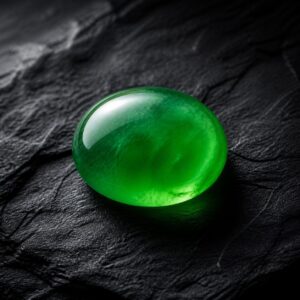
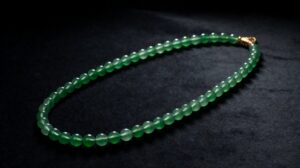
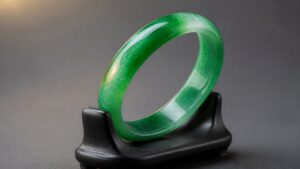
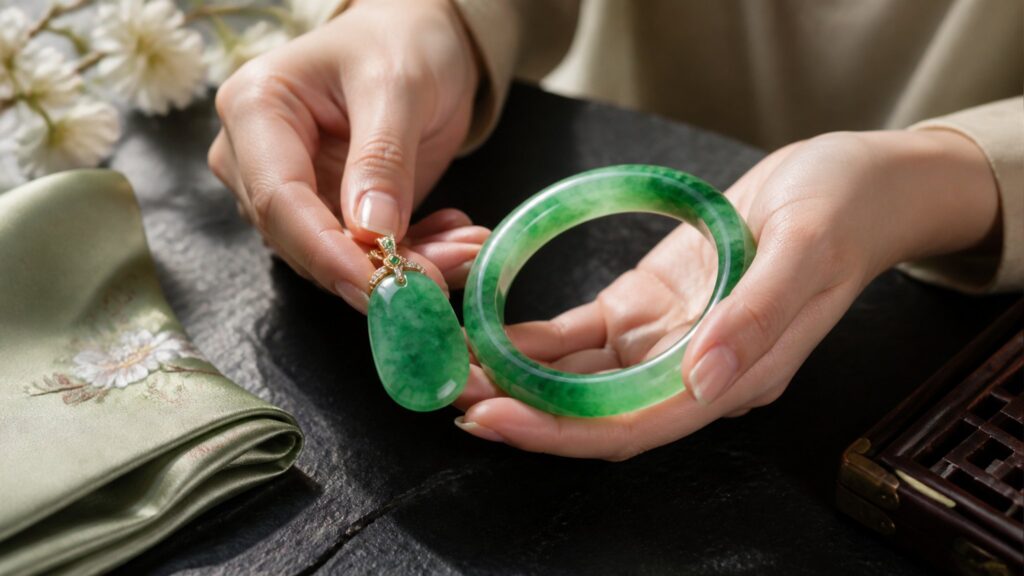
Jadeite is one of the most treasured gemstones in Chinese culture, symbolizing purity, protection, and good fortune. Many people who own jadeite jewelry—whether a pendant, bracelet, or ring—wonder if it’s safe to wear while showering. After all, water is natural, and jadeite is a hard stone. But the reality is more nuanced. In this article, we’ll explore whether wearing jadeite in the shower is a good idea, the risks involved, and how to care for your jadeite so it remains beautiful for generations.
You’ll learn about the composition of jadeite, how water and chemicals affect it, and practical steps to keep your pieces looking their best. Whether you’re a new collector or a seasoned enthusiast, understanding these care principles is essential. For more general guidance on keeping your jadeite in top condition, check out our daily jadeite care tips.
Background: What Is Jadeite and How Is It Affected by Water?
Jadeite vs. Nephrite: The Basics
Jadeite is one of two minerals commonly called jade; the other is nephrite. Jadeite is harder and rarer, often prized for its vivid green colors. Both are metamorphic rocks, but jadeite forms under higher pressure and is more chemically resistant. However, “resistant” doesn’t mean “immune.” Understanding the mineral’s structure helps explain why showering can be risky.
Jadeite is a sodium aluminum silicate, and it is generally stable in water. But the issue isn’t the water itself—it’s what’s in the water and how the jewelry is constructed. Soap, shampoo, conditioners, and other personal care products can leave residues that dull the stone’s luster. Over time, these residues can build up and make the jadeite look cloudy or grimy.
Jadeite Treatments: The Hidden Variable
Not all jadeite is natural. Some jadeite is treated with polymers, dyes, or acid bleaching to improve color or clarity. This is known as “B” or “C” jade. Treated jadeite can be more porous and susceptible to damage from water and chemicals. Even “A-grade” (untreated) jadeite can have microscopic fissures that absorb moisture and residues.
According to jadeite care guides from reputable sources, it’s always best to avoid exposing jadeite to harsh conditions. When you shower, your jadeite is exposed not just to water but to a cocktail of chemicals. The heat and steam can also cause expansion and contraction, which may stress the stone over time.
The Main Body: Risks of Wearing Jadeite in the Shower
Chemical Exposure: The Biggest Threat
The primary risk of showering with jadeite is chemical exposure. Shampoos, conditioners, body washes, and even some soaps contain sulfates, parabens, and other synthetic ingredients. These chemicals can react with the surface of the jadeite, dulling its polish and causing a film to form. Over months or years, this can permanently diminish the stone’s shine.
Additionally, if your jadeite is set in a metal mount—like a gold or silver ring—the chemicals can also affect the metal, leading to tarnishing or even weakening of the setting. For those who own jadeite rings, this is a particular concern, as the metal prongs or bezels can be damaged by constant exposure to moisture and soap.
Water and Heat: Physical Stress
While jadeite is a hard stone (6.5–7 on the Mohs scale), it is not unbreakable. Sudden temperature changes—like stepping from a warm room into a hot shower—can cause thermal shock. This is especially true for jadeite that has been treated or has internal fractures. Thermal shock can cause the stone to crack or chip.
Moreover, the constant wetting and drying cycle can cause the stone to slightly expand and contract. Over time, this can loosen the stone in its setting, making it more likely to fall out. If you wear a jadeite bracelet, the risk of slipping and falling is also higher in a wet, soapy environment. A fall on a hard tile floor could easily crack your precious piece.
Soap Residue and Build-Up
Even if you use mild, natural soaps, the residue can still accumulate. Soap scum is notorious for dulling the luster of gemstones. Once a film forms, it can be difficult to remove without abrasive cleaners, which would further damage the jadeite. The best approach is to avoid the problem altogether by removing your jadeite before showering.
For more on how to keep your jadeite looking its best, see our guide on wearing jadeite rings without damaging them, which includes tips on when to take them off.
Practical Tips for Showering with Jadeite
- Take it off before you step in. The simplest and safest habit is to remove all jadeite jewelry before entering the shower. Have a dedicated dish or jewelry box near your bathroom sink to keep it safe.
- Rinse with clean water afterward. If you accidentally shower with your jadeite, rinse it immediately with lukewarm water to remove any soap residue. Pat it dry with a soft, lint-free cloth.
- Use mild, chemical-free soaps. If you must wear jadeite in the shower, opt for natural, fragrance-free, and sulfate-free products. Even then, minimize exposure time.
- Store jadeite properly. When not wearing it, store your jadeite in a soft pouch or lined jewelry box to prevent scratches. Avoid storing it with harder gemstones like diamonds.
- Clean gently. For routine cleaning, use a soft cloth and lukewarm water with a drop of mild dish soap. Rinse thoroughly and dry. Avoid ultrasonic cleaners and steam cleaners, as they can damage jadeite.
Common Mistakes to Avoid
- Wearing jadeite to the gym or pool. Chlorine and sweat are just as damaging as shower products. Always remove your jadeite before exercising or swimming.
- Using harsh chemical cleaners. Never use bleach, ammonia, or commercial jewelry cleaners on jadeite. They can strip the polish and damage the stone.
- Leaving jadeite in direct sunlight. Prolonged exposure to sunlight can cause colors to fade, especially in treated jadeite. Store it in a dark place.
- Ignoring loose settings. If you notice your jadeite ring or pendant is loose, have it checked by a professional jeweler. A missing stone is a heartbreaking loss.
- Assuming all jadeite is the same. Treated jadeite is more vulnerable. Know what you own—buy from reputable sources like our jadeite collection and ask for certification.
Conclusion / Key Takeaways
In summary, while jadeite is a durable gemstone, it is not invincible. The risks of wearing it in the shower—chemical exposure, thermal shock, and accidental damage—far outweigh any convenience. The best practice is to remove your jadeite before showering and to handle it with care.
Remember these key points:
- Jadeite is sensitive to chemicals found in soaps and shampoos.
- Thermal changes can cause cracks, especially in treated stones.
- Soap residue can dull the luster over time.
- Always store and clean jadeite gently.
By following these guidelines, you can ensure your jadeite remains as beautiful as the day you bought it. For more in-depth care advice, explore our jadeite pendant collection and our complete daily care guide. And if you’re curious about the cultural significance of jade, read about jade in Chinese culture.
FAQ
Can I wear jadeite in the shower if I use only mild soap?
Even mild soaps can leave residues that dull jadeite’s luster over time. The safest approach is to remove jadeite before showering, regardless of the soap type.
Does water damage jadeite?
Pure water generally does not damage jadeite, but the chemicals in soaps, shampoos, and conditioners can. Additionally, hot water and steam can cause thermal stress.
How should I clean jadeite if I accidentally get soap on it?
Rinse it immediately with lukewarm water, then pat dry with a soft, lint-free cloth. For deeper cleaning, use a drop of mild dish soap in lukewarm water, gently wipe, rinse, and dry.
Is treated jadeite more sensitive to showering?
Yes, treated jadeite (B or C grade) is often more porous and can be damaged more easily by chemicals and water. Always know the treatment status of your jadeite.