Introduction
Chinese bronze objects—ritual vessels, mirrors, incense burners, and sculptures—carry centuries of history in their surfaces. That surface, the patina, is often the first thing a buyer notices and the easiest thing for a faker to imitate. A convincing artificial patina can turn a modern casting into an expensive ‘antique’ overnight. Whether you are browsing antiques for a display piece or building a serious collection, knowing how to read patina honestly is essential. This guide walks you through seven common red flags of fake patina, explains the science and craft behind genuine surfaces, and offers practical inspection tips. You will also learn why no single test is conclusive and how to protect both the object and yourself during examination.
Background / Key Concepts
Patina is not a single substance. On bronze—an alloy of copper, tin, and sometimes lead—it is a layered system of corrosion products, dirt, handling residues, and sometimes applied coatings. Genuine patina forms over decades or centuries through reactions with air, moisture, soil, and salts. The result can range from a thin brown oxide film to thick green malachite, azurite, or black tenorite, often mixed with earthy encrustation.
What Genuine Patina Looks Like
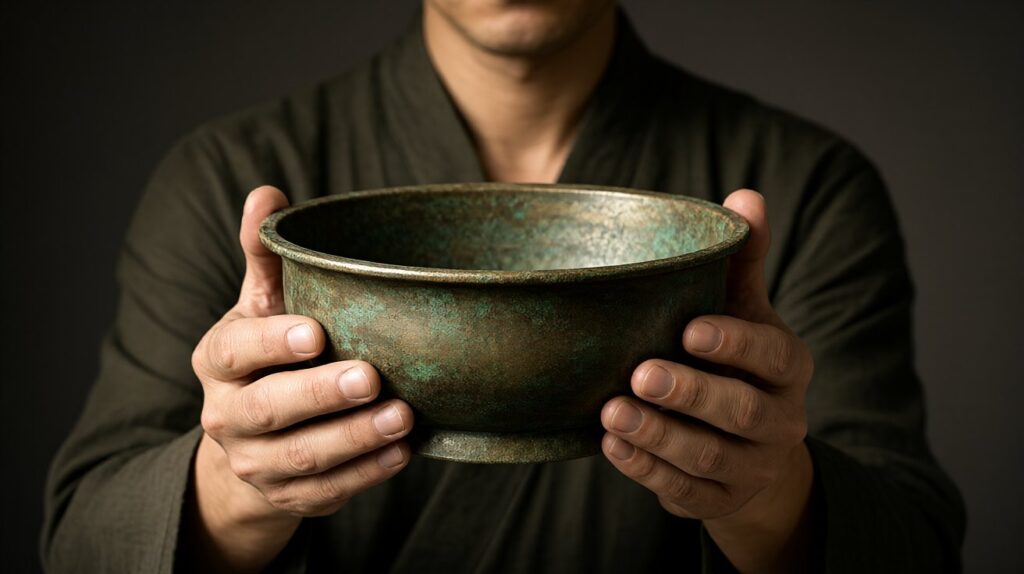
Authentic patina usually shows depth and variation. Recessed areas, protected by design, may hold thick, stable crusts, while high points and edges show wear and a smoother, often darker or lighter surface. The transition between corrosion layers is gradual, and the surface may feel dense and cool. Importantly, genuine patina is integrated with the metal: it does not sit on top like paint. As Bob Atchison’s guide to bronze patinas notes, Chinese bronzes often develop a characteristic brown surface, but within that broad family there is enormous variation.
How Fakers Create Artificial Patina
Fakers use acids, salts, heat, paints, waxes, and even buried burial in manure or chemical baths to accelerate corrosion. They may also transfer patina from a genuine but damaged piece onto a new casting. The goal is to mimic color and texture quickly. Because these methods are fast, they tend to leave telltale inconsistencies: uniform color, powdery residues, unnatural brightness, or corrosion that does not match the object’s wear patterns.
The Main Body: 7 Red Flags of Fake Patina
The following signs are common indicators, not definitive tests. Genuine corrosion, old conservation treatments, unusual soil conditions, and even well-intentioned cleaning can create exceptions. Use them to guide questions, not to replace expert opinion.
1. Color That Is Too Uniform or Too Vivid
Genuine patina is rarely one flat color. Look for subtle gradations between green, blue, brown, and black, with darker tones in crevices and lighter wear on raised areas. A bright, chalky green that covers the entire surface evenly—especially if it looks painted on—is a warning sign. Similarly, a single deep brown that shows no variation or depth may indicate a modern chemical treatment.
2. Patina That Does Not Follow the Form
On authentic pieces, corrosion often concentrates where moisture and dirt collect: recesses, inscriptions, the undersides of handles, and interior surfaces. If the patina is heaviest on exposed high points and absent in recesses, or if it crosses edges without any change in character, question it. Genuine wear and corrosion respond to how an object was handled, displayed, or buried. The Christie’s guide to collecting ancient Chinese bronzes emphasizes that inscriptions, origins, and provenance all matter alongside surface appearance.
3. Powdery, Flaking, or Sticky Residue
Genuine corrosion can be powdery in the form of bronze disease, but that is a specific, active problem rather than a sign of age. Artificial patinas often leave a chalky or sticky residue that rubs off on the fingers or a cloth. If a dry cotton swab comes away with green or blue powder from a surface that looked stable, be cautious. Also watch for a waxy or oily feel that suggests a applied coating meant to mimic depth.
4. Bright Metal Showing Through in the Wrong Places
Wear on a genuine antique tends to appear on high points and edges, where handling has smoothed the surface over time. Fresh, bright metal peeking through in recesses, or scratches that reveal shiny bronze beneath a thin patina layer, can indicate a recently abraded or chemically treated surface. Equally, a piece with no wear at all on obvious contact points may have been refinished or may be new.
5. Odor and Surface Chemistry
Some artificial patinas are created with sulfur compounds or acids that leave a faint smell—sometimes described as vinegary, sulfurous, or chemical. Genuine aged bronze typically has little odor beyond a neutral, earthy, or metallic scent. However, odor is subjective and can be masked. Never put your nose directly against a fragile or dusty object, and treat smell as a minor clue rather than proof.
6. Inconsistent Tool Marks and Casting Flaws
Patina can hide modern manufacturing. Look for seam lines, uniform surface textures from sand casting, or mechanical polishing marks that do not match the object’s stated age. On genuine ancient Chinese bronzes, tool marks and casting features are part of the object’s history. If the surface looks too perfect beneath the patina, or if decoration is soft and uniform rather than crisp and varied, the patina may be dressing up a modern reproduction.
7. Provenance and Price That Do Not Add Up
Patina is only one part of authenticity. A seller who cannot explain where an object came from, or who offers a ‘museum-quality’ piece at an implausibly low price, deserves scrutiny. Reputable dealers provide provenance, condition reports, and return policies. For a deeper walkthrough of these clues, see our companion article on real vs fake Chinese bronze patina.
Practical Tips for Inspection
Approach every object with care. The suggestions below are for general guidance; if a piece is fragile, unstable, or potentially museum-grade, limit handling and consult a conservator. Avoid smelling, touching, or scraping surfaces that may be sensitive, and never attempt to clean or test a piece you do not own.
- Examine under natural, diffuse light and a magnifier; raking light reveals surface texture that flat lighting hides.
- Compare recesses and high points: genuine patina usually varies with the form and wear patterns.
- Ask for provenance, condition reports, and high-resolution images before buying.
- Request a return policy and buy from sellers who stand behind authenticity claims.
- Keep a small reference library of published museum pieces to train your eye.
- When in doubt, consult a qualified conservator or appraiser rather than relying on a single test.
Common Mistakes to Avoid
- Assuming a green color equals age—many artificial patinas are green.
- Relying on a single red flag; authenticity is a balance of evidence.
- Cleaning or scrubbing a suspect surface, which can destroy evidence and damage the object.
- Ignoring provenance because the patina ‘looks right.’
- Handling fragile pieces roughly or testing them with chemicals.
- Treating online photos as definitive; color and texture are easily manipulated.
Conclusion / Key Takeaways
Spotting fake patina on Chinese bronze is a skill built on observation, comparison, and caution. The seven red flags above—uniform color, patina that ignores the form, powdery residues, misplaced bright metal, chemical odor, inconsistent tool marks, and weak provenance—are common indicators, not foolproof tests. Genuine corrosion, old conservation, and unusual burial conditions can all create exceptions. Approach every object gently, ask questions, and seek expert advice for significant purchases. If you are also shopping for jade, our guides to jadeite and why jade is important in Chinese culture offer complementary context for building a thoughtful collection.
FAQ
Can I test patina at home without damaging the object?
Visual inspection under good light and a magnifier is the safest first step. Avoid chemical tests, scraping, or cleaning, which can damage fragile surfaces and destroy evidence. For valuable pieces, consult a conservator.
Is green patina always a sign of age?
No. Green corrosion can be genuine, but fakers also produce green patinas with acids and salts. Look for variation, depth, and how the patina relates to wear and recesses rather than color alone.
How important is provenance compared with patina?
Both matter. Provenance provides a documented history that supports authenticity, while patina offers physical evidence. Neither is conclusive on its own, so weigh them together.
What should I do if I suspect a piece has fake patina?
Do not clean or alter it. Ask the seller for provenance and condition details, compare with published references, and seek an independent expert opinion before purchasing.