Introduction
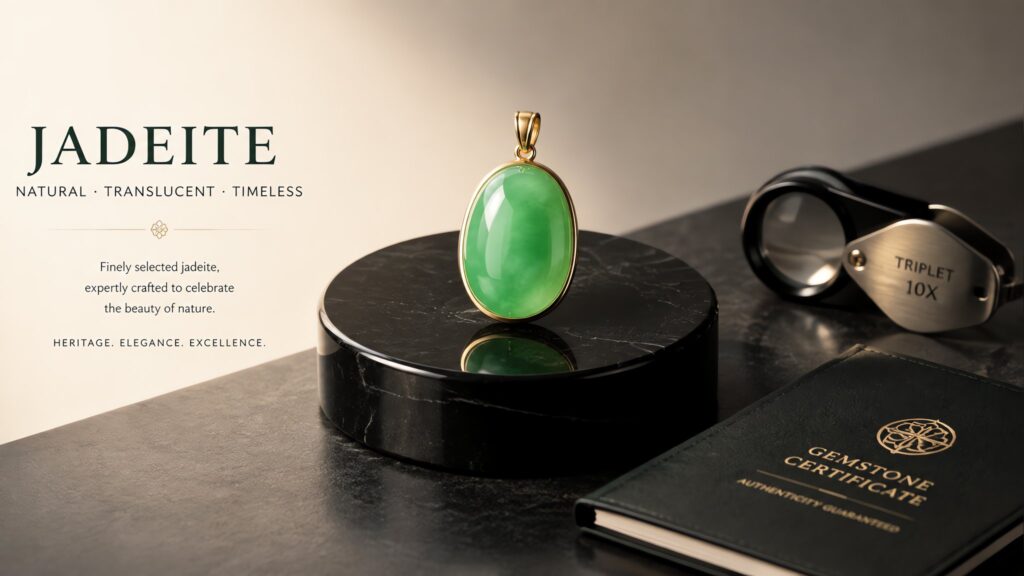
For anyone drawn to the quiet elegance of jadeite jewelry, few questions matter more than authenticity. The market distinguishes natural, untreated jadeite (Type A) from material that has been polymer-impregnated (Type B) or artificially dyed (Type C). Because these treatments can dramatically alter both appearance and durability, understanding how to verify Type A jadeite is essential before you invest in a piece. This guide walks you through the verification process, from understanding what lab reports actually certify to the simple observations you can make at home.
At VirtuCasa, our jadeite collection features pieces crafted from natural jadeite, and we believe an informed buyer is our best customer. This article explains the science behind jadeite grading, the role of accredited laboratories, and the practical steps you can take to confirm you are purchasing genuine, untreated stone.
Understanding Quality
Before diving into verification methods, it helps to understand what gemologists look for when they examine jadeite. The most widely referenced framework comes from the Gemological Institute of America, which evaluates color, transparency, texture, and cut. According to GIA’s jade quality factor guide, color is judged under both fluorescent and incandescent light, as jadeite can appear different depending on the light source. The finest pieces display an intense, even hue with high translucency and a smooth, fine-grained texture.
The Three Cs of Jadeite
While diamonds are graded on the four Cs, jadeite buyers often refer to a similar trio: color, clarity, and cut. Color is paramount — the most coveted shades are a rich, evenly distributed green, though lavender, yellow, and white also have devoted collectors. Clarity refers to the absence of cracks, fissures, or cloudy inclusions. Cut describes how well the stone has been shaped to display its internal character, whether as a cabochon, bead, or carved saddle.
Type A, B, and C Explained
The Type A/B/C designation is the single most important factor in jadeite valuation. Type A jadeite is completely natural — it has been shaped and polished but not chemically treated. Type B jadeite has been bleached and impregnated with polymer resin to clarify its appearance, which can degrade over time. Type C jadeite has been dyed to enhance or change its color. As this practical guide to identifying natural Type A jade notes, the treatment status directly impacts both price and long-term durability.
Types & Styles
Jadeite is fashioned into a remarkable range of jewelry, each style presenting different verification challenges. Beaded bracelets and necklaces allow you to examine multiple surfaces of the stone, which can be helpful when assessing color consistency. The Natural Jadeite Bracelet, for example, features 19 round beads of soft lavender-white jadeite, each approximately 10mm in diameter. Because the beads are individually visible, you can inspect the texture and translucency from several angles.
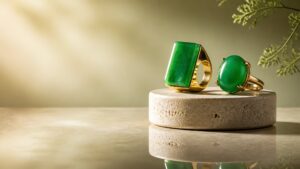
Cabochon rings and saddle rings offer a different perspective. The Natural Full-Green Jadeite Saddle Ring is carved from a single piece of jadeite, which means the stone’s internal structure is continuous — a feature that is difficult to replicate with treated or assembled materials. Similarly, the Natural Ice-type Violet Jadeite Cabochon Ring Set showcases a single oval cabochon, allowing the eye to trace the stone’s natural color zoning without interruption.
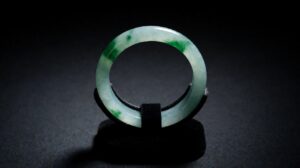
For those who appreciate variety within a single piece, three-color jadeite is a fascinating category. The Natural Three-Color Jadeite Bracelet blends yellow, white, and light green in a single strand, demonstrating how natural jadeite can host multiple hues. When examining such pieces, pay attention to whether the color transitions appear gradual and organic — a hallmark of natural formation rather than artificial dyeing.
How to Choose the Right Size & Fit
While verification focuses on the stone itself, a good purchase also depends on practical fit. Beaded bracelets are typically sized by the number and diameter of their beads. The Natural Ice-type Jadeite Bracelet with Floating Green Patterns comprises 13 beads of 16mm diameter, offering a bold, substantial presence. In contrast, the Natural Jadeite Bracelet’s 10mm beads create a more delicate, flexible feel suitable for wrists measuring 16-19cm in circumference.
Rings require even more precision. Saddle rings are measured by ring size — the Natural Full-Green Jadeite Saddle Ring is a size 24, while the Natural Jadeite Saddle Ring with Floating Green is a size 26. Cabochon rings follow standard sizing as well; the violet cabochon ring is a size 15. When selecting a ring online, measure your finger at the end of the day when it is slightly larger, and remember that wide bands may require a half-size up for comfort.
Price & Value
Price is a powerful signal of jadeite quality, but it must be interpreted with knowledge. Natural, untreated Type A jadeite commands a significant premium over treated material. Among the pieces in our collection, you will find a range that reflects this. The Natural Three-Color Jadeite Bracelet is priced at $668, offering an accessible entry into natural jadeite. The Natural Jadeite Tassel Earrings, at $852, pair 8mm cylindrical jadeite beads with 18K gold-plated chains, demonstrating how craftsmanship adds value.
As quality rises, so does price. The Natural Ice-type Jadeite Bracelet with Floating Green Patterns, at $1517, weighs 101g and features 16mm beads of translucent ice-type material — a substantial piece by any measure. At the premium end, the Natural Ice-type Violet Jade Bead Necklace is priced at $6649, reflecting its 68 beads of consistent lavender hue and the rarity of high-quality violet jadeite. The Natural Full-Green Jadeite Saddle Ring, at $2437, demonstrates how a single, evenly colored piece of full-green jadeite commands respect from collectors.
When comparing prices, always consider the treatment status first. A dyed or polymer-treated piece may look similar to a novice but will be worth a fraction of a natural stone. As this jade bracelet buying guide emphasizes, treatment disclosure is a critical factor in any informed purchase.
Common Mistakes to Avoid
- Assuming all green jade is jadeite: Nephrite jade is a different mineral with different properties. Only jadeite is classified as Type A/B/C.
- Skipping the lab report: For high-value pieces, request a certificate from a recognized gemological laboratory. If the seller does not provide one, ask whether a report can be obtained before purchase.
- Judging color under a single light source: Always view jadeite under both natural daylight and indoor lighting, as its color can shift dramatically.
- Ignoring texture: Natural jadeite has a fine, smooth texture. A waxy or plastic-like feel may indicate polymer impregnation.
- Overlooking the setting: Examine how beads are strung and how stones are mounted. Quality craftsmanship is a good sign of overall authenticity.
Top Picks
Based on our collection, here are several pieces that exemplify the beauty of natural jadeite, each suited to different preferences.
For the first-time buyer seeking an approachable yet genuine piece, the Natural Jadeite Bracelet at $1008 is an excellent choice. Its 10mm lavender-white beads offer a soft, versatile aesthetic that works for daily wear or special occasions. The 30g weight feels comfortable without being insubstantial.
If you are drawn to classic elegance with a modern touch, consider the Natural Jadeite Tassel Earrings at $852. The deep green beads, each 8mm in diameter, are complemented by 18K gold-plated chains, creating a piece that bridges traditional jade appreciation with contemporary design.
For the serious collector who values rarity, the Natural Ice-type Violet Jade Bead Necklace at $6649 is a statement piece. Its 68 beads of translucent lavender jadeite represent a level of color consistency that is genuinely uncommon.
Those who prefer rings will appreciate the Natural Full-Green Jadeite Saddle Ring at $2437. Carved from a single piece of evenly colored jadeite, it offers a bold yet refined presence that suits both men and women.
Finally, for someone who wants to explore the unique phenomenon of multi-color jadeite, the Natural Three-Color Jadeite Bracelet at $668 provides an affordable and fascinating entry point, with its harmonious blend of yellow, white, and light green.
Final Tips
Verifying Type A jadeite is a skill that improves with practice. Start by familiarizing yourself with the look and feel of natural stone — visit reputable dealers, handle pieces if possible, and compare colors under different lighting. Always ask about treatment status and request documentation for higher-value purchases. If a seller cannot provide a lab report, consider whether the price reflects that uncertainty.
Remember that a genuine Type A piece is an investment in both beauty and longevity. Unlike treated jadeite, which can yellow or craze over time, natural jadeite maintains its luster for generations. By arming yourself with the knowledge in this guide, you can shop with confidence and select a piece that will bring lasting pleasure.
FAQ
What is the difference between Type A, B, and C jadeite?
Type A jadeite is completely natural and untreated, only shaped and polished. Type B has been bleached and impregnated with polymer resin to improve clarity, while Type C has been artificially dyed to enhance color. Type A is the most valuable and durable.
Do I need a lab report to buy jadeite?
For higher-value pieces, a lab report from a recognized gemological laboratory is strongly recommended. It provides objective confirmation of the stone’s identity and treatment status. For entry-level pieces, it is still wise to ask the seller about treatment disclosure.
Can I test jadeite at home?
You can make basic observations, such as checking for a waxy or plastic-like texture (which may indicate treatment) and viewing the stone under different light sources. However, definitive verification of Type A status requires professional testing, such as infrared spectroscopy, which is only available in a laboratory.
Why is green jadeite more expensive than other colors?
Intense, evenly distributed green has historically been the most coveted color in jadeite, particularly in Chinese culture. Its rarity, combined with high demand, drives up prices. Lavender, yellow, and white jadeite can also be valuable, especially when the color is vivid and consistent.