Introduction
A jadeite bead necklace is more than an accessory — it’s a wearable piece of natural art, steeped in cultural meaning and geological wonder. For centuries, jadeite has been prized in Chinese tradition for its protective and harmonizing properties, and today it remains one of the most coveted gemstones in fine jewelry. Unlike many other stones, jadeite is valued not just for its color but for its texture, translucency, and the subtle interplay of light within each bead. Whether you are a first-time buyer or a seasoned collector, understanding the key factors that determine a jadeite bead necklace’s quality will help you make a confident, informed purchase. In this guide, we explore the essential aspects of jadeite bead necklaces — from the grading of germplasm to the nuances of size and style — so you can find a piece that resonates with your personal aesthetic and values.
Understanding Quality
Germplasm and Texture
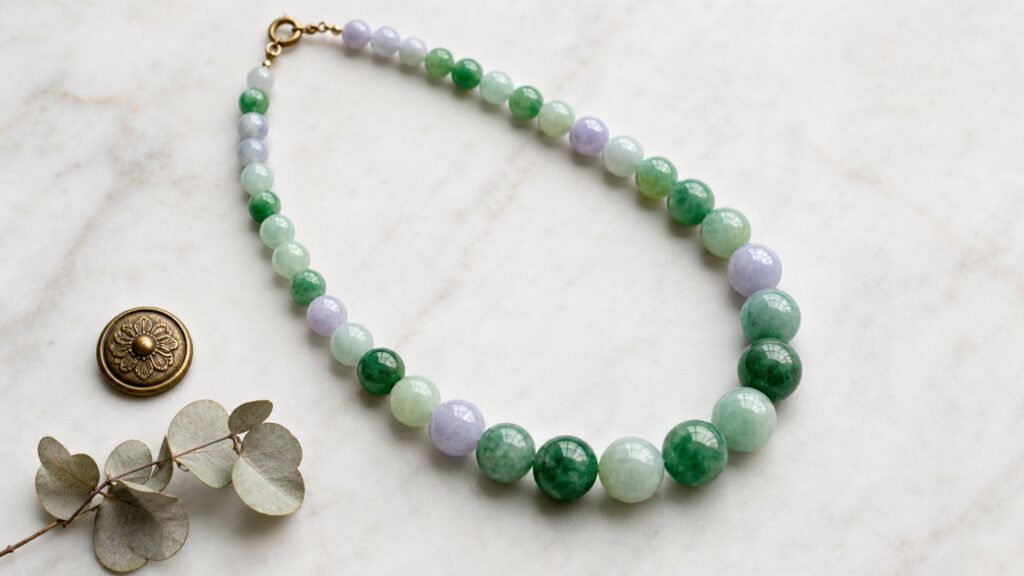
The term ‘germplasm’ refers to the innate quality of the jadeite material — its compactness, fineness, and internal structure. High-quality jadeite exhibits a delicate, smooth texture that feels almost silky to the touch. For example, VirtuCasa’s Natural Ice-type Violet Jade Bead Necklace is described as having a ‘fine and delicate texture with a translucent, glossy appearance,’ a hallmark of exceptional germplasm. The most coveted type, known as ‘ice-type’ jadeite, offers a cool, glassy sheen with high transparency, as seen in the Natural Ice-type Tricolor Jade Necklace. When evaluating a necklace, run your fingers over the beads — they should feel smooth and uniformly polished, without any rough spots.
Color and Clarity
Color is the most obvious quality factor. Imperial green is the rarest, but jadeite occurs in a spectrum including lavender, yellow, white, and multi-hued combinations. As GIA’s jadeite quality guide explains, the most valuable green is called ‘Imperial.’ However, personal preference matters: soft lavender hues offer an elegant, modern appeal, while tricolor beads (green, yellow, white) capture a playful natural beauty. Clarity refers to the absence of inclusions or cloudiness; the finest jadeite bead necklaces have even color distribution and a translucent quality that allows light to pass through the beads. For instance, the Natural Ice-type Tricolor Jade Necklace features ‘harmonious transitions of green, yellow, and orange hues,’ a sign of excellent color clarity.
Luster and Finish
A high-quality jadeite bead necklace possesses a vitreous (glassy) luster that reflects light cleanly. The finish — the polish of each bead — determines how light interacts with the surface. Beads should be perfectly rounded and uniformly sized, with a glossy sheen that doesn’t appear waxy or dull.
Types & Styles
Jadeite bead necklaces come in a variety of styles, each offering a different look and wearing experience. Single-strand necklaces are the most classic and versatile, like the Natural Ice-type Violet Jade Bead Necklace with 68 beads ranging from 10mm to 12mm, designed for multi-layered or single-strand draping. Multi-strand or layered designs add visual depth and movement. For a delicate, everyday piece, consider a necklace with smaller beads (e.g., 3.5mm or 5.3mm) that sit close to the collarbone, such as the two Natural Ice-type Tricolor Jade Necklaces. Those with larger beads (12mm–16mm) make a bold statement and are often worn as a centerpiece. Also, beaded necklaces combined with other materials — like the 18K gold-plated chains in VirtuCasa’s tassel earrings — inspire a fusion of modern and traditional design.
How to Choose the Right Size & Fit
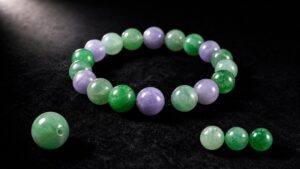
The fit of a jadeite bead necklace depends on bead diameter, strand length, and your personal preference. Bead diameter affects visual weight: smaller beads (3mm–6mm) create a fine, elegant look suitable for layering or petite frames; medium beads (7mm–10mm) offer a balanced presence; large beads (11mm–16mm) make a dramatic statement. Strand length determines where the necklace falls — a 16-18 inch strand sits at the collarbone, while 20-24 inches rests on the décolletage. To gauge fit, measure your neck circumference and account for the desired drop. For example, the Natural Jadeite Bracelet shows how bead size (10mm) and circumference are clearly stated — apply similar logic when evaluating necklaces. Most VirtuCasa listings specify bead diameter, weight, and total length, so you can compare and choose accordingly. If you plan to wear the necklace daily, opt for a length that doesn’t catch on clothing, and ensure the clasp or knotting is secure.
Price & Value
The price of a jadeite bead necklace is driven by four main factors: germplasm quality, color rarity, bead size, and craftsmanship. Ice-type jadeite with high translucency commands premium prices — for instance, the Natural Ice-type Violet Jade Bead Necklace is listed at $6649, reflecting its exceptional translucency, large bead size (up to 12mm), and substantial weight (158g). In contrast, smaller bead necklaces with tricolor patterns offer more accessible entry points, with prices such as $740 and $825. Color is also a major value driver: full green or vivid violet hues are rarer than pale or mixed tones. As noted in the Gem Society’s jade buying guide, color, transparency, and texture are the pillars of jadeite valuation. Additionally, the traditional rope-knotting technique seen in several VirtuCasa necklaces adds artisanal value. To sum up, a jadeite bead necklace can range from entry-level (around $740–$825) to premium (over $6000), with mid-range options offering excellent quality for the investment.
Common Mistakes to Avoid
- Overlooking treatment status: Always confirm that the jadeite is natural and untreated. VirtuCasa explicitly states ‘natural jadeite’ for all items, ensuring authenticity.
- Focusing only on color: While vibrant green is prized, a necklace with even texture and good translucency can be more valuable than a dull-colored one.
- Ignoring bead uniformity: Mixed bead sizes or uneven shapes can distract from the necklace’s harmony. Look for listings that mention ‘uniform sizing’ or ‘harmonious appearance.’
- Neglecting weight and comfort: A heavy necklace (e.g., over 100g) may be uncomfortable for all-day wear. Check the weight — lighter pieces like the 10.4g tricolor necklace are ideal for daily use.
- Choosing the wrong length: A too-short necklace can feel tight, while a too-long one may slide off. Consult measurements provided in the product details.
Top Picks
Based on the current VirtuCasa collection, here are four jadeite bead necklaces that cater to different tastes and budgets:
- Natural Ice-type Tricolor Jade Necklace (3.5mm beads, $740) — Perfect for those who love delicate, colorful jewelry. Its lightweight 10.4g design and subtle tricolor play make it ideal for everyday layering.
- Natural Ice-type Tricolor Jade Necklace (5.3mm beads, $825) — A step up in presence, this necklace offers a clearer view of the three-color combination. The traditional rope-knotting adds a tactile, artisanal feel.
- Natural Ice-type Violet Jade Bead Necklace (10-12mm beads, $6649) — For the discerning collector, this piece showcases premium ice-type germplasm with a rare lavender hue. Its substantial weight (158g) and large beads make it a statement necklace suitable for special occasions or as a heirloom investment.
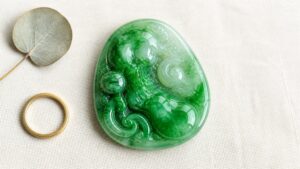
- Natural Full-Green Jadeite Saddle Ring ($2437) — Although not a necklace, this ring demonstrates VirtuCasa’s commitment to natural, untreated jadeite. If you prefer a matching set, consider pairing it with a bead necklace from the same category.
Final Tips
When shopping for a jadeite bead necklace, trust your instincts but verify with data. Look for detailed product descriptions that specify ‘natural,’ germplasm type, bead size, weight, and setting. VirtuCasa provides all these details for each item in its jadeite collection. Remember that jadeite is a natural stone — minor variations in color and pattern are signs of authenticity, not flaws. Finally, care for your necklace by wiping it with a soft, damp cloth and storing it separately to avoid scratches. With the right knowledge, you can select a jadeite bead necklace that brings beauty and meaning to your life for years to come.
FAQ
How can I tell if a jadeite bead necklace is natural or treated?
Always check the product listing for the term ‘natural jadeite’ or ‘natural jadeite germplasm.’ VirtuCasa clearly labels all its items as natural. Also, look for details about texture, translucency, and luster — natural jadeite has a smooth, glassy finish, while treated stones may appear waxy or have a plastic-like feel.
What is the best bead size for a jadeite necklace?
It depends on your style and intended use. Small beads (3–6mm) create a delicate, everyday look, while medium beads (7–10mm) are classic and versatile. Large beads (11–16mm) make a bold statement. Consider your neck size and the occasion — larger beads are more formal.
How should I care for my jadeite bead necklace?
Clean your jadeite necklace with a soft, damp cloth. Avoid harsh chemicals or ultrasonic cleaners. Store it separately in a soft pouch to prevent scratches. Jadeite is durable (7 on Mohs scale), but it can chip if dropped on hard surfaces.