The Refined Gentleman: Balancing Nature and Nurture in Hetian Jade Appreciation
文質彬彬,然後君子:和田玉鑑賞中的平衡之道
I have never been fond of casually labeling people as “gentlemen” (junzi) or “petty men” (xiaoren). Most of us are simply ordinary beings navigating through life, content with the day’s three meals and a sense of security. We are hardly in a position to claim the moral high ground of ancient sages, nor do we possess the audacity to descend into true villainy.
參玉很不喜歡用「君子」、「小人」這樣的名頭來給人扣帽子。我們大多數都只是渾渾噩噩的芸芸眾生罷了,能混個三餐溫飽就已經很知足,實在沒資格去高攀聖賢,也沒勇氣墮落成巨奸大惡。
Furthermore, my own understanding of classical Chinese scholarship is modest. While I hold a deep affection for it, my knowledge is largely confined to the few canonical texts I have managed to read in my spare time. Yet, two days ago, while preparing an article for this very platform, I found myself drawn back to a single sentence from the Confucian Analects (Book Yong Ye). It was not an attempt to parade erudition, but rather because this ancient wisdom resonates with stunning clarity with the fundamental principles of appreciating Hetian jade. It is a concept worth pondering for every lover of this precious stone.
而且筆者也並沒那麼深厚的國學功底,儘管對此懷有喜愛,但認知也僅限於閒暇時光所讀的那幾本典籍罷了。然而,前天的公眾號文章裡,剛好引用了《論語·雍也》中的一句話。這並非附庸風雅,著實是因為它與和田玉鑑賞的底層邏輯,有著高度的一致性,值得我輩愛玉之人去深切體會。
The Confucian Blueprint: Understanding “质” and “文”
孔子的藍圖:理解「質」與「文」
Confucius said: “When natural substance (质 zhi) prevails over cultivated refinement (文 wen), the result is rustic (野 ye). When cultivated refinement prevails over natural substance, the result is ostentatious and superficial (史 shi). Only when substance and refinement are properly blended and balanced do we have a gentleman (君子 junzi).”
子曰:「質勝文則野,文勝質則史,文質彬彬,然後君子。」
In this context, “substance” (zhi) refers to a person’s innate essence, character, and natural qualities. When applied to jade, it signifies the physical properties determined by its microstructure—the qualities we collectors constantly discuss: hardness, toughness, density, and the overall texture that defines a stone’s feel.
其中的「質」,對於人而言,可以被理解為本質、天資。而對玉來說,則是由微觀結構形成的物理性質,也就是我們常說的硬度、韌性、緻密度等……這些玉質的指標。
“Refinement” (wen), for a person, represents the results of后天学习后天学习 (houtian xuexi, acquired learning), experience, and self-cultivation. For jade, it is the human intervention—the carving, the polishing, the decorative embellishments that transform a raw stone into an artwork.
而所謂的「文」,體現在人的身上,相當於後天的學習、歷練與修行。對於玉來說,則可以被解讀為人工的雕琢與裝飾。
The term “rustic” (ye) is generally understood as crude, uncultured, or primitive. The other term, “史” (shi), is more nuanced. Traditionally, it has been interpreted as superficial, flashy, or ostentatious—all style and no substance. However, I personally detect a hint of another meaning within it: the idea of being “dogmatic,” of following rigid forms and empty rituals without genuine feeling or understanding.
「野」通常被解釋成原始、粗野。「史」則比較晦澀難懂,過去一般被解讀為虛浮、華而不實,流於表面。參玉卻隱約從中體會到了一絲「教條」的意思。
The Human Analogy: The Path to Becoming a Gentleman
以人喻玉:成為君子的道路
Applying this saying to a person’s life, the meaning is clear: If one remains overly rustic, clinging to their original nature without the磨砺 (moli, honing) of learning and experience, they will appear crude, uncultured, and lacking in refinement. Conversely, if one becomes so focused on refined speech and elegant presentation that they obscure or even betray their true nature, they become虚伪 (xuwei, hypocritical) and flashy, their character as hollow as their polished words.
把這句話用在人身上,大意是:過於質樸,保持原生態,自身缺少學習磨礪,人就會顯得粗野、缺少修養、沒文化。反之,過於文采斐然,巧言令色,以至於泯滅了本性,則會顯得虛偽、浮華。
The Confucian ideal, the “gentleman,” is one who坚守初心 (jianshou chuxin, steadfastly guards their original heart) and builds upon their innate foundation. They combine their natural gifts with tireless study, reading ten thousand books and traveling ten thousand li, constantly refining themselves. Only through this delicate balance can one truly achieve something of substance in life and character.
只有不忘初心的堅守本性,以自身的資質為根基,結合上不懈的學習,讀萬卷書,行萬里路地打熬自己,不斷提升個人修養,才能有所建樹。
The Jade Analogy: From Rough Stone to Masterpiece
以玉喻人:從璞玉到珍品
Now, let us transpose this profound wisdom onto the art of jade appreciation. The principle translates with remarkable precision.
現在,讓我們將這深邃的智慧,移植到玉器鑑賞的藝術中。這個原則的契合度,精準得令人驚嘆。
“Substance prevailing over refinement makes one rustic” perfectly describes the folly of the极端 (jiduan, extreme) collector who obsessively hoards raw, un-carved river pebbles (ziyu). They champion the motto “fine jade needs no carving” (liangyu bu zhuo), mistaking the raw material for the finished product. In doing so, they miss the entire purpose of jade as a medium for cultural and artistic expression. They are, in a sense, the “rustic” of the jade world, appreciating only nature’s first draft.
「質勝文則野」,剛好可以對標那些極端的、追求「良玉不琢,大才不雕」,專門只收集把玩子玉原石的愚夫。他們將未經雕琢的璞玉視為終極目標,卻因此錯過了玉作為文化與藝術表達媒介的全部意義。在某種意義上,他們正是玉世界中的「野人」,只懂得欣賞大自然的第一稿。
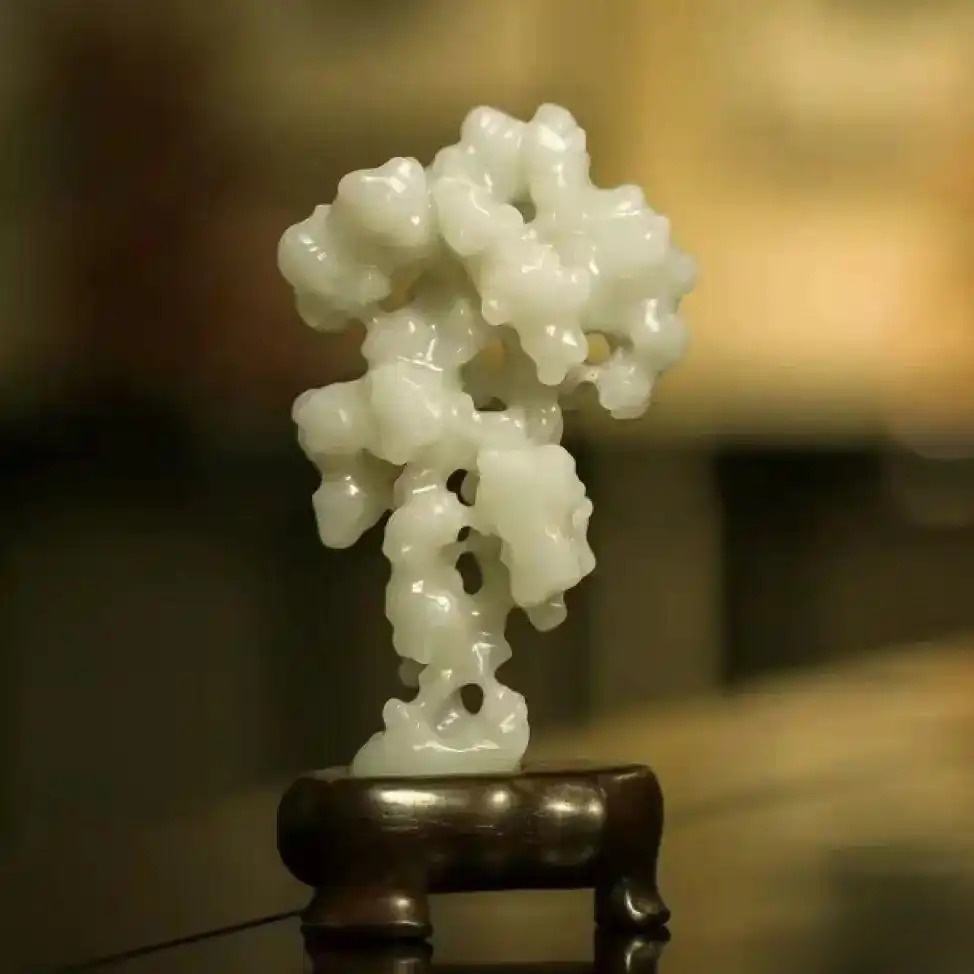
Conversely, “refinement prevailing over substance makes one ostentatious and superficial” describes those over-wrought carvings that are密布花纹 (mibu huawen, densely covered in patterns), pierced and carved to the point of being riddled with holes. Such excessive ornamentation completely obscures the natural,朴素浑厚 (pusu hunhou, simple, sturdy, and unadorned) quality of the Hetian seed jade. It destroys the very thing that makes the material precious: its warm, smooth, and mature texture. The carver’s skill becomes a cage, imprisoning the stone’s soul rather than setting it free. This is the jade equivalent of the “史” – all flash, no substance.
「文勝質則史」,就如同那些過度穿鑿,將玉石雕刻得花紋密布,千瘡百孔,完全掩蓋了和田子玉天然樸拙渾厚、溫潤老熟質感的玉器。過度的裝飾反而破壞了玉石最珍貴的本質:其溫暖、潤澤、成熟的質感。雕刻師的技藝在此成了囚禁玉石靈魂的牢籠,而非解放其神采的鑰匙。這便是玉器中的「史」,徒有其表,而失其真。
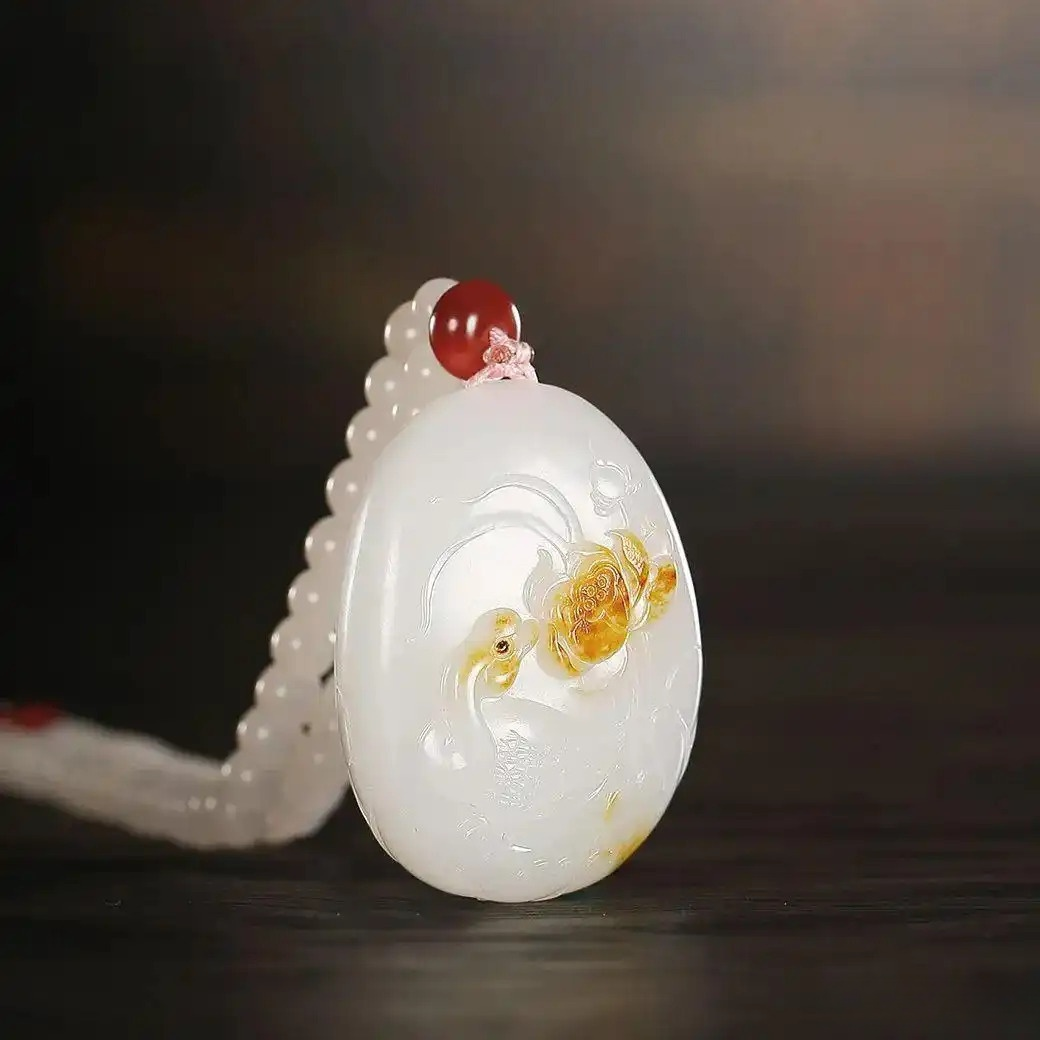
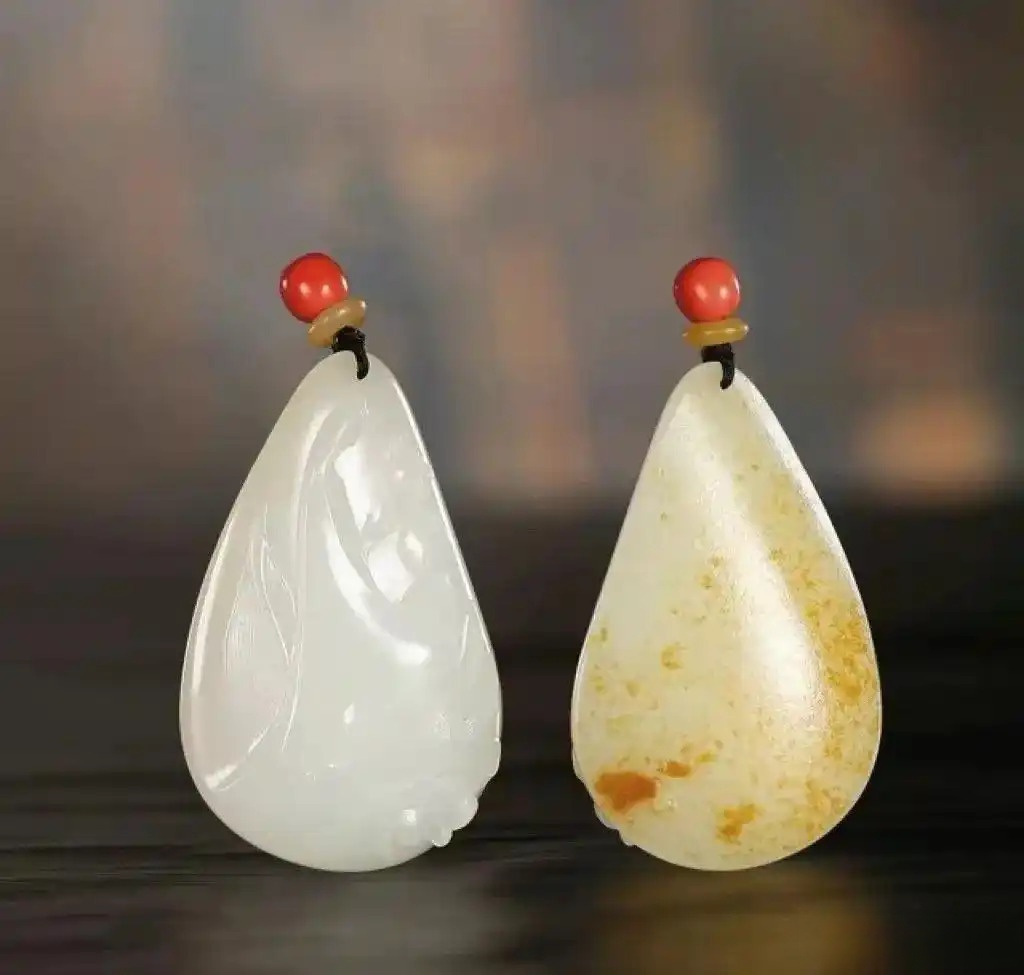
It is only those pieces that utilize top-quality Xinjiang Hetian seed jade of纯净质地 (chunjing zhidi, pure and refined texture), and apply适度 (shidu, moderate and appropriate) carving, that are truly worthy of collection. These carvings do not seek to dominate the stone. Instead, they strive to展现 (zhanxian, reveal and showcase) its original beauty while simultaneously imbuing it with positive cultural connotations and humanistic spirit. These are the jades that embody the ideal of “文质彬彬.” Only such jade artifacts are worthy of being associated with the modest, cultivated gentleman (junzi).
唯有那些利用質地精純的上等新疆和田子玉,加以適度的琢刻,盡力展現其原本的風采,同時又賦予其優秀人文因素的,才算得上是一件值得珍藏的玉雕作品。也只有這種玉器,才配得上謙謙君子之名。這些雕刻不尋求凌駕於玉石之上,而是致力於展現其原生之美,同時又賦予其積極的人文內涵與精神。這些玉器,正是「文質彬彬」理想境界的化身。
A Character Born of Philosophy: The Legacy of “彬”
哲學所生之子:「彬」字的由來
Such is the power of this concept that during the Qin Dynasty, a new character evolved from this very saying. It was a variant of the小篆 (xiaozhuan, small seal script) character “彬” (bin), written as “斌” (bin). This character itself embodies the meaning of “文质彬彬” – a perfect fusion of refinement and substance. In just eighteen words, Confucius illuminated not only the path to a meaningful life but also the very criteria for judging a masterpiece of jade carving. Is traditional Chinese culture not profoundly deep and endlessly fascinating?
在秦朝,由這句話還衍生出了一個字,也就是「彬」的小篆俗字——「斌」,它本身就是「文質彬彬」的意思。短短十八個字,既言明了人生的真諦,又告訴了我們如何品鑑和田玉,傳統文化何其的淵深有趣啊?
So, the next time you hold a piece of Hetian jade, ask yourself: Does it lean too far towards the “rustic”? Is it overwhelmed by empty “refinement”? Or have the carver and the stone, in a moment of perfect harmony, achieved the state of being “文质彬彬”? The answer to that question may well determine whether you hold a mere curiosity or a true masterpiece worthy of a gentleman’s study.
因此,下次當你手執一件和田玉器時,不妨捫心自問:它是否過於偏向「野」?是否被空洞的「文」所淹沒?還是說,雕刻師與玉石,在和諧的瞬間,共同達到了「文質彬彬」的境界?這個問題的答案,或許正是區分你手中所持,是一件尋常玩物,還是一件足以藏之君子雅室的真正傑作的關鍵所在。
From 文质彬彬,然后君子
Read More
- Collectors' Academy (178)
- Care Academy (8)
- Investment Academy (25)
- Jade Crafting Techniques (28)
- Michelle Au: The Gemstone Luminary (11)
- The Precious Metals & Jewels Compendium (55)
Shop Now
- Demo2 products
- Antiques56 products
- Classical Chinese Antiques4 products
- Jade Jewelry Collection4 products
- Jadeite138 products
- Jadeite Bracelets43 products
- Jadeite Earrings8 products
- Jadeite Necklaces7 products
- Jadeite Pendants64 products
- Jadeite Rings16 products