
Introduction
In recent years, auction houses like Sotheby’s and Christie’s have reported a 40% surge in Western bids for Eastern collectibles—from Ming vases to imperial jadeite. This trend reflects a profound cultural shift: traditional Asian artifacts are no longer just ‘exotic curiosities’ but recognized as both artistic masterpieces and sound investments.
This in-depth analysis explores why Western collectors are increasingly drawn to these treasures, examining the shared drivers of demand and the divergent motivations across collector profiles.
I. Shared Appeal: Universal Factors Driving Demand
1. Investment Potential in a Volatile Economy
- Tangible Asset Security:
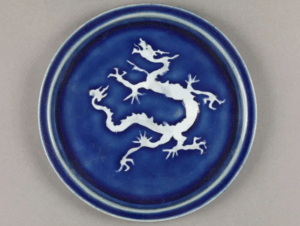
With cryptocurrencies and stocks fluctuating, high-end jadeite (showing 18% annual ROI) and Chinese ceramics (e.g., a 2023 Chenghua bowl selling for $41M) offer stability. - Scarcity Principle:
Myanmar’s jadeite mines are nearing depletion, while China restricts antique exports—creating artificial rarity.
2. Aesthetic Transcendence
- Timeless Design Language:
The minimalist elegance of Song Dynasty celadon or the ‘imperial green’ of jadeite aligns with modern Western tastes for sustainable luxury. - Craftsmanship Worship:
A single jadeite bangle can take 6 months to hand-carve—a stark contrast to mass-produced jewelry.
3. Cultural Hybridization
- ‘Guochao’ (Chinese means 国潮) Influence:
Brands like Shang Xia (by Hermès) fuse Eastern motifs with Western design, legitimizing Asian aesthetics. - Celebrity Endorsement:
Figures like Kim Kardashian wearing vintage jadeite pendants normalize ownership.
II. Divergent Motivations: Collector Profiles
1. The Connoisseur vs. The Speculator
| Type | Focus | Behavior |
|---|---|---|
| Connoisseur | Historical significance, provenance | Pays premiums for documented pieces (e.g., Qing court collections) |
| Speculator | ROI potential, liquidity | Targets ‘sleepers’ (undervalued items at regional auctions) |
Case Study: A 2022 Zurich auction saw a speculator buy a mislabeled jadeite necklace for €8K, later resold for €120K after certification.
2. Spiritual Seekers vs. Status Buyers
- Zen Appeal:
Western mindfulness movements covet nephrite’s ‘soft energy’ for meditation tools. - Ostentatious Display:
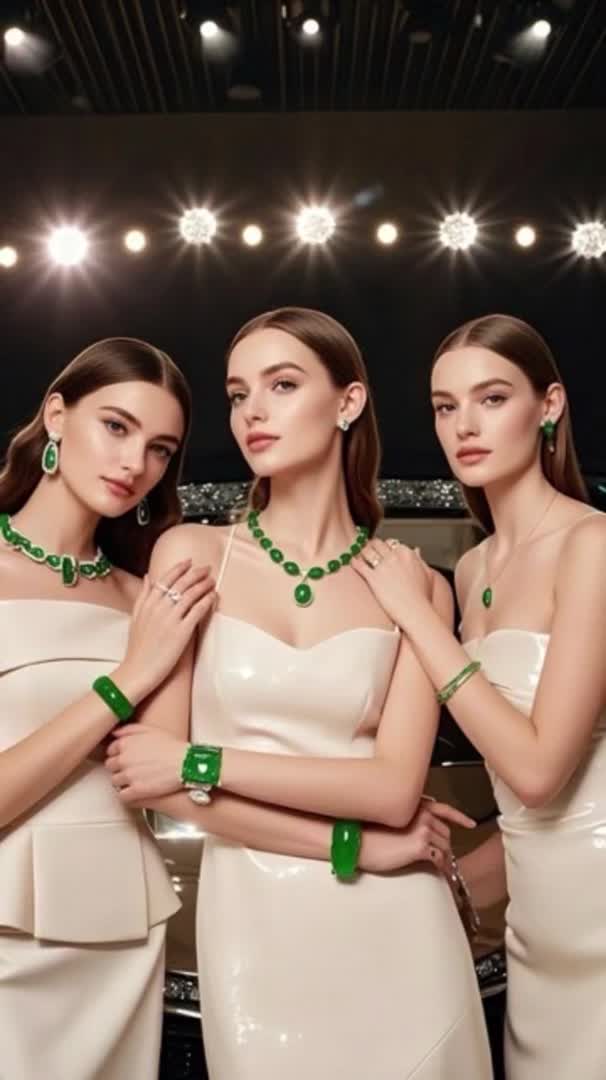
Tech elites flaunt jadeite rings as ‘greener than emeralds, rarer than diamonds.’
3. Academic vs. Decorative Collectors
- Universities:
Harvard’s Sackler Museum acquires Ming scholar’s objects for research. - Interior Designers:
Belgian architect Vincent Van Duysen uses Tang Dynasty bronzes as statement pieces.
III. Challenges and Considerations
1. Authenticity Risks
- Fraud Statistics:
68% of ‘antique jade’ on eBay is synthetic or mislabeled (GIA, 2024). - Due Diligence Tools:
Demand FTIR spectroscopy reports for jadeite; consult Oxford Authentication for ceramics thermoluminescence dating.
2. Cultural Sensitivity
- Ethical Sourcing:
Avoid artifacts looted during the Boxer Rebellion or colonial eras. - Restoration Ethics:
Western collectors increasingly partner with Asian conservators (e.g., Beijing Palace Museum collaborations).
FAQ
What makes jadeite a good investment?
High-end jadeite has shown an 18% annual ROI due to scarcity—Myanmar’s mines are depleting—and rising global demand. Its tangible nature offers stability when stocks fluctuate. Always verify authenticity with spectroscopy reports.
How can I avoid buying fake antiques?
Request FTIR spectroscopy for jadeite and thermoluminescence dating for ceramics from accredited labs like Oxford Authentication. Be wary of deals on platforms like eBay, where 68% of ‘antique jade’ is synthetic or mislabeled per GIA (2024). Buy from reputable dealers who provide provenance documentation.
What is the cultural significance of Eastern collectibles?
Items like jadeite bangles and Ming ceramics carry centuries of symbolism—jade represents virtue and immortality in Chinese culture, while ceramics reflect technological mastery. Western collectors now value this heritage alongside aesthetic appeal, driving hybrid appreciation.
Conclusion: The Future of Eastern Collectibles
As East-West cultural literacy grows, so does appreciation for context. The next generation won’t just buy a jadeite bangle—they’ll seek its story: the Burmese miner who found the rough, the master carver in Yangon, and the Qing empress who inspired its design.
At VirtuCasa, we bridge these worlds through:
- Education: Free webinars on jadeite grading.
- Vetting: Partnerships with IGS-certified appraisers.
- Community: Collector forums to share provenance research.
Ready to start your journey? Explore Our Offered Collectibles.
- Buying Guides
- Care Academy
- Collectors' Academy
- Investment Academy
- Jade Crafting Techniques
- Michelle Au: The Gemstone Luminary
- The Precious Metals & Jewels Compendium