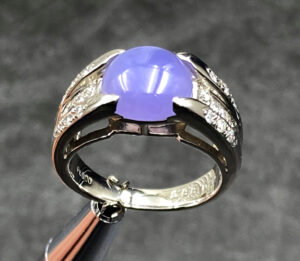
In a live stream, a host waves a jadeite bangle while chanting ‘lowest price online,’ as comments like ‘so beautiful’ and ‘sold’ flood the screen. Yet, many buyers’ hearts sink when the actual product arrives.
China’s jadeite market has grown to 115.7 billion yuan, becoming the second-largest jewelry category after gold. Within this billion-dollar industry, fortunes are made and lost. While social media buzz around jadeite surged over 130% in 2025, the hype masks rampant chaos.
The New Face of the Jadeite Market
The market is evolving. Gen Z now drives premium consumption, with jadeite ranking as the top investment choice for high-net-worth individuals for four consecutive years. Younger buyers favor minimalist, modern designs over traditional heavy styles.
The adoption of ‘Fei Cui’ as jadeite’s global name accelerates its international appeal. Meanwhile, Myanmar’s dwindling mines make high-quality rough increasingly scarce—a fact underscored when a Qing-dynasty jadeite ring tripled its estimate at Sotheby’s.
The Double-Edged Sword of Live Commerce
Live streaming, a 4 trillion-yuan industry, has revolutionized jadeite sales—but at a cost. Fake gems thrive here:
- Artificial hype: Nine out of ten viewers may be bots, creating false demand.
- Hidden costs: After fees (agents, hosts, promotions), sellers still pocket 30–60% of the price.
- Lighting tricks: Strong studio lights can make low-grade stones look like gems—hence the adage ‘Never judge jade under artificial light.’
How to Assess Jadeite Value
Evaluate three key traits like real estate: location (quality), layout (clarity), and decor (color):
- Texture (种): Fine-grained structure = higher value (think ‘poreless skin’).
- Clarity (水): Glass-like transparency (‘wateriness’) commands premiums.
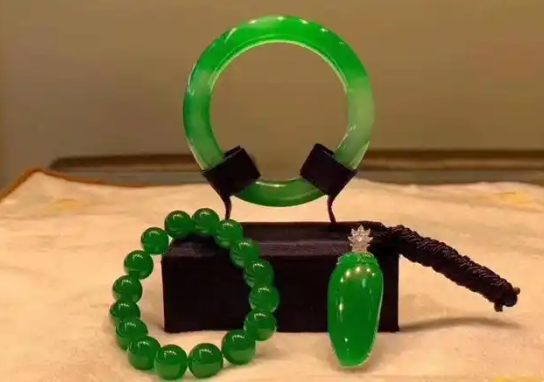
- Color (色): Vivid, even hues (e.g., imperial green, apple green) are ideal.
Pro tip: ‘Glass-type with floating green’ combines all three attributes for long-term appreciation. Explore examples in VirtuCasa’s jadeite collection.
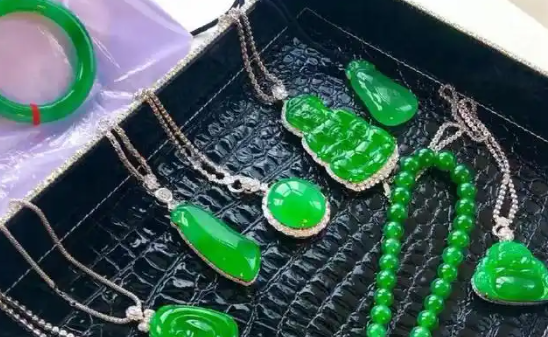
Spotting Fakes
- A-grade: Natural, untreated jadeite (investment-worthy).
- B/C-grade: Acid-washed or dyed (worthless for collectors).
A Jiangsu woman learned this the hard way, spending 144,000 yuan on 11 fake bangles via live stream. Even ‘certificates’ can be faked—legitimate ones bear CMA/CNAS marks (China’s official accreditation).
Smart Buying Strategies
- Choose return-friendly sellers: Avoid those who balk at third-party verification.
- Beware live-stream filters: Unnaturally white hands = heavy beautification.
- Leverage 7-day returns: Immediately send purchases to labs like GIA/GUBELIN. Courts increasingly side with defrauded buyers (3x compensation rulings).
Regulatory Progress
2025 saw local governments and guilds introduce grading standards to curb price disparities. Rising ‘Guochao’ (national trend) culture also pushes transparency—young consumers compare prices, file complaints, and expose scams online.
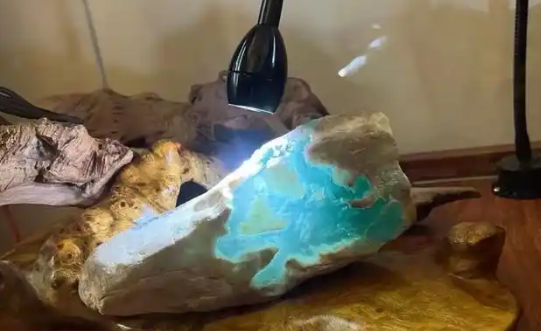
Investment Realities
While top-tier imperial green jadeite yields 18% annual returns, ordinary pieces don’t. Success demands:
- Expertise to distinguish A/B/C grades.
- Patience for long-term holds.
Golden rule: Cheap jadeite is cheap for a reason.
FAQ
How can I tell if jadeite is real or treated?
Look for official certificates with CMA/CNAS marks. Trusted labs like GIA or GUBELIN verify natural A-grade jadeite. Avoid pieces with unnaturally vibrant colors or low prices, which often indicate B/C treatment.
What are the key factors in jadeite valuation?
Texture (fine grain), clarity (glass-like transparency), and color (vivid, even hue) are the primary traits. Pieces combining all three, like ‘glass-type with floating green,’ offer the best long-term value.
Is jadeite a good investment in 2025?
High-quality A-grade jadeite has shown strong appreciation, but ordinary pieces may not. Investment success requires expertise and patience, focusing on top-grade material from reputable sellers.
Final thought: Is jadeite worth investing in? Share your views!