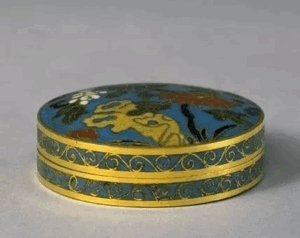
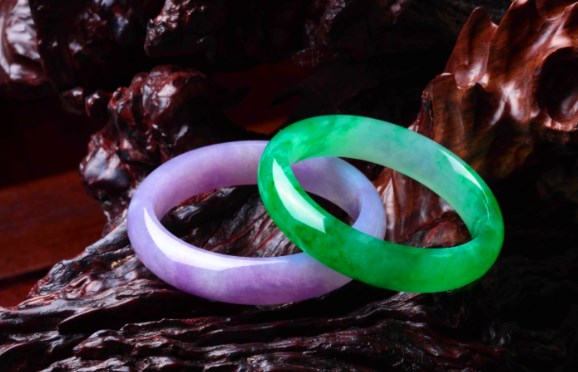
Jade has fascinated civilizations for thousands of years, but the name actually covers two distinct minerals: jadeite and nephrite. Both are revered as ‘jade,’ yet their geological properties and market values differ significantly. This refreshed guide breaks down their shared traits and critical distinctions for collectors and enthusiasts, helping you make informed decisions when shopping for jadeite or nephrite pieces.
I. Similarities: Why Both Are Called ‘Jade’
- Cultural Significance
- Both are deemed ‘imperial gems’ in Chinese culture, symbolizing purity, nobility, and longevity.
- Used historically for ritual objects, jewelry, and carvings (e.g., Ming Dynasty nephrite seals, Qing Dynasty jadeite pendants).
- Durability
- High toughness (resistance to breaking): Nephrite ranks 6–6.5, jadeite 6.5–7 on the Mohs scale.
- Ideal for intricate carvings due to interlocking fibrous structures.
- Aesthetic Appeal
- Polished surfaces exhibit a ‘greasy’ or ‘vitreous’ luster.
- Colors span green, white, lavender, and yellow (though jadeite offers broader vibrancy).
II. Differences: Geology, Value, and More
| Trait | Jadeite | Nephrite |
|---|---|---|
| Composition | Sodium aluminum silicate | Calcium magnesium silicate |
| Rarity | ~90% mined in Myanmar; scarce | Global deposits (Canada, China) |
| Color Range | Vivid greens (imperial), reds, blues | Muted greens, whites, browns |
| Transparency | Often translucent to opaque | Typically opaque |
| Market Value | Top-grade ‘imperial green’ > $1M/carat | High-quality Hetian jade ~$500–$10K/piece |
| Modern Use | Luxury jewelry, investment pieces | Carvings, wellness products (e.g., gua sha tools) |
Key Distinction:
Jadeite’s chromium (Cr³⁺) creates intense greens, while nephrite’s iron (Fe²⁺) yields softer hues.
Why It Matters
- Investment: Jadeite appreciates faster due to scarcity; nephrite offers budget-friendly collectibles.
- Identification: Nephrite feels ‘softer’ and warmer to the touch; jadeite is cooler and glassier.
- Care: Both avoid acids/ultrasonic cleaners, but jadeite requires extra protection from knocks.
Pro Tip: Request gemological certificates (e.g., GIA) when buying high-value jadeite—nephrite is less frequently faked. For authentic pieces, explore our curated jadeite rings and nephrite bracelets.
FAQ
What is the main difference between jadeite and nephrite?
The primary difference lies in their chemical composition and rarity. Jadeite is a sodium aluminum silicate, much rarer, and typically displays more vivid colors due to chromium. Nephrite is a calcium magnesium silicate, more common, with softer hues from iron.
Which type of jade is more valuable?
Jadeite is generally far more valuable, especially top-grade ‘imperial green’ which can exceed $1 million per carat. Nephrite is more affordable, with high-quality Hetian jade pieces ranging from $500 to $10,000.
How can I tell if my jade is jadeite or nephrite?
Professional gemological testing is most reliable, but tactile clues help: nephrite feels warmer and softer, while jadeite feels cooler and glassier. Check for transparency—jadeite is often more translucent. Always request a certificate from a reputable lab for valuable pieces.