Palladium Jewelry: The Rising Star of Precious Metals
Elemental Profile of Palladium
Chemical Symbol: Pd | Atomic Number: 46 | Atomic Weight: 106.4
Hardness: 4-4.8 | Density: 12 g/cm³ | Color: Silver-white
Luster: Metallic | Melting Point: 1555°C | Boiling Point: 3127°C
In the 1990s, palladium commanded higher prices than both platinum and gold. As one of Earth’s rarest precious metals with reserves scarcer than platinum, palladium represents an elegant and exclusive choice for discerning collectors, maintaining its status as an internationally recognized store of value.
I. Understanding Palladium
Palladium (element symbol Pd) belongs to the platinum group metals, discovered serendipitously in 1803 by British chemist William Hyde Wollaston during platinum ore separation. Scientific analysis revealed palladium shares remarkable physical and chemical similarities with platinum while offering superior oxidation resistance in air. This rare precious metal joins ruthenium, rhodium, and platinum in what collectors term the “noble family” of precious metals.
II. Physical Properties
Palladium is significantly lighter than platinum—approximately half the weight by volume—while maintaining exceptional malleability and ductility. It can be hammered into ultra-thin sheets or drawn into fine wires without breaking. Slightly harder than platinum, palladium resists oxidation and maintains color at room temperature. At 400°C, surface oxidation may cause darkening, but heating to 900°C restores its original luster. Its visual similarity to platinum and comparable physical properties make it equally appealing in fine jewelry manufacturing.
III. Chemical Characteristics
Palladium demonstrates notable chemical stability, resisting organic acids (including perspiration), cold sulfuric acid, and hydrochloric acid. However, it dissolves in aqua regia and nitric acid. At elevated temperatures, palladium reacts with oxygen and acids, while palladium compounds decompose back to metallic palladium when heated.
IV. Extraordinary Rarity
In mineral classification, palladium occurs in Earth’s crust at approximately one part per hundred million. As part of the natural platinum subgroup including rhodium and platinum, palladium frequently forms isomorphous crystal structures with these elements. Commercial palladium primarily derives from platinum group metal mining, which also yields rhodium and platinum.
V. Global Sources
As one of the world’s rarest precious metals, palladium production concentrates in South Africa and Russia, with minor output from a few other nations. Annual production represents less than 5% of gold output, making it scarcer than platinum. While current international prices sit below platinum’s, historical data shows palladium once traded significantly higher, reaching peaks around 300元/gram (November 6, 2001: $1094/ounce). Palladium remains one of four key traded precious metals alongside gold, platinum, and silver in global spot and futures markets.
VI. Unique Advantages
Palladium combines mineral rarity with ideal precious metal characteristics. Refinement produces exceptionally pure metal with minimal impurities. Its hypoallergenic properties make it perfect for skin contact, unlike alloys that may cause reactions. International jewelers increasingly feature palladium in jewelry and decorative arts, establishing new fashion trends. The growing popularity of white precious metals for gemstone settings has created marketplace confusion regarding metal nomenclature.
VII. Distinguishing Between White Metals
China’s jewelry market often uses “platinum” and “white gold” interchangeably, creating consumer confusion. Understanding periodic table classifications provides clarity in proper terminology.
1. White Jewelry Metals
Market terminology often mislabels any white metal as “white gold.” True classification includes gold, platinum, palladium, and silver alloys, plus non-precious electroplated metals designed to maintain luster. Consumers must verify composition before purchase.
2. K-White Gold
Gold-based alloys combining gold with silver and copper. The K-number indicates gold content, historically denoted by codes like “226” (60% gold, 20% palladium, 20% copper), indicating 600/1000 pure gold content in white metal.
3. Platinum (Pt)
Element symbol Pt, silver-gray-white color. Pure platinum’s softness requires alloying with ruthenium, rhodium, or palladium for increased hardness. South American Indians crafted platinum jewelry before the 15th century, while Europeans adopted it after the mid-19th century. Japan remains the largest platinum consumer today.
4. Platinum Alloys (K-Platinum)
Platinum combined with other metals like palladium, rhodium, yttrium, silver, mercury, or copper. While harder than gold, platinum requires alloying for adequate gemstone setting durability. The industry commonly uses platinum-ruthenium and platinum-iridium alloys, with Japan favoring 85% platinum-palladium chains. International hallmarks include Pt950 and Pt900, indicating 95% and 90% purity respectively.
5. Palladium Alloys (K-Palladium)
Palladium blended with other metals, commonly appearing in gold-palladium, K-gold, and platinum-palladium jewelry alloys. As a more affordable alternative to platinum, jewelers frequently incorporate palladium, sometimes adding ruthenium to enhance hardness.
VIII. Purchasing Guide
Palladium jewelry bears “Pd” or “Palladium” hallmarks followed by thousand-digit purity indications:
- Pd1000 = 100% palladium
- Pd950 = 95% palladium
- Pd900 = 90% palladium
- Pd850 = 85% palladium
Consumers should verify these markings when selecting palladium pieces. The metal’s rising popularity, combined with its lightweight comfort, exceptional purity, and contemporary appearance, positions palladium as an increasingly smart choice for modern jewelry collectors seeking both beauty and intrinsic value.
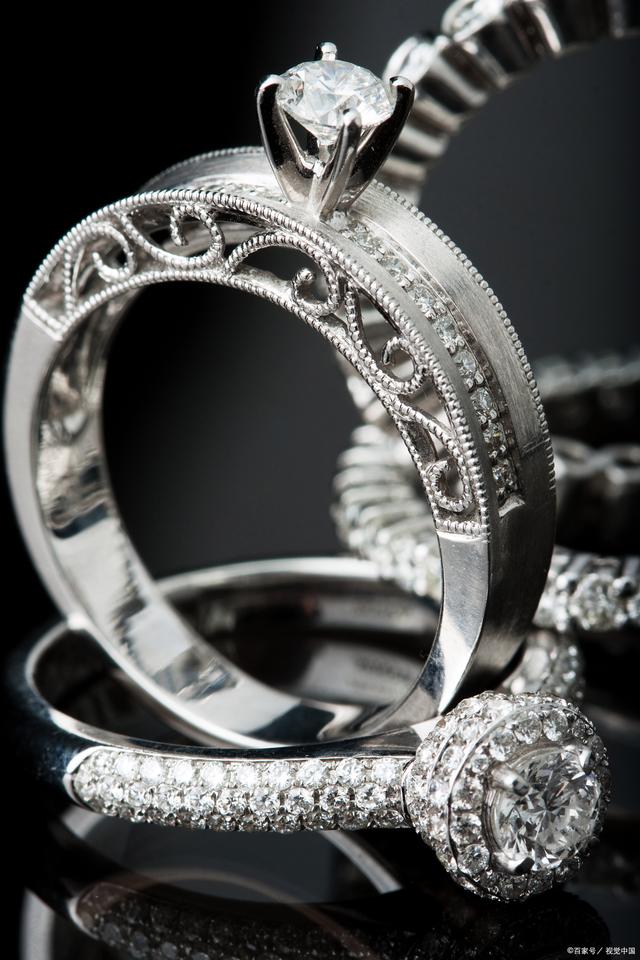
鈀金首飾:貴金屬領域的崛起新星
鈀金元素檔案
化學符號:Pd | 原子序數:46 | 原子量:106.4
硬度:4-4.8 | 密度:12 g/cm³ | 顏色:銀白色
光澤:金屬光澤 | 熔點:1555°C | 沸點:3127°C
1990年代,鈀金價格曾高於鉑金與黃金。作為地球上比鉑金儲量更稀有的貴金屬之一,鈀金代表了鑑賞家們優雅而獨特的選擇,保持其國際公認的價值儲存地位。
一、認識鈀金
鈀金(元素符號Pd)屬於鉑族金屬,由英國化學家威廉·海德·沃拉斯頓於1803年分離鉑礦石時偶然發現。科學分析顯示鈀金與鉑金具有顯著的物理化學相似性,同時在空氣中提供更優異的抗氧化性。這種稀有貴金屬與釕、銠和鉑共同被收藏家稱為貴金屬中的「貴族家族」。
二、物理特性
鈀金明顯輕於鉑金——單位體積重量約為一半——同時保持卓越的延展性。可錘打成超薄片或拉成細絲而不斷裂。比鉑金稍硬,在室溫下抗氧化並保持顏色。在400°C時表面氧化可能導致變暗,但加熱至900°C可恢復原始光澤。其視覺上與鉑金相似且物理特性相當,使其在高級珠寶製造中同樣具吸引力。
三、化學特性
鈀金表現出顯著的化學穩定性,抵抗有機酸(包括汗液)、冷硫酸和鹽酸。然而,它溶於王水和硝酸。在高溫下,鈀金與氧和酸反應,而鈀金化合物在加熱時會分解回金屬鈀。
四、非凡稀有性
在礦物分類中,鈀金在地殼中的含量約為一億分之一。作為包括銠和鉑的自然鉑亞組的一部分,鈀金經常與這些元素形成同晶型晶體結構。商業鈀金主要來自鉑族金屬開採,該過程也產生銠和鉑。
五、全球來源
作為世界上最稀有的貴金屬之一,鈀金生產集中在南非和俄羅斯,其他少數國家有少量產出。年產量不足黃金產出的5%,使其比鉑金更稀缺。雖然當前國際價格低於鉑金,但歷史數據顯示鈀金曾經交易價顯著更高,達到約300元/克的高峰(2001年11月6日:1094美元/盎司)。鈀金與黃金、鉑金和白銀同為全球現貨和期貨市場中四大交易貴金屬。
六、獨特優勢
鈀金結合了礦物稀有性與理想貴金屬特性。精煉可產生雜質極少的異常純淨金屬。其低過敏特性使其非常適合皮膚接觸,不像可能引起反應的合金。國際珠寶商越來越多地將鈀金用於珠寶和裝飾藝術,建立新的時尚趨勢。白色貴金屬用於寶石鑲嵌的日益普及導致市場對金屬命名法的混淆。
七、區分白色金屬
中國珠寶市場經常將「鉑金」和「白K金」互換使用,造成消費者困惑。理解元素週期表分類為正確術語提供清晰度。
1. 白色珠寶金屬
市場術語經常錯誤地將任何白色金屬標記為「白K金」。真正分類包括黃金、鉑金、鈀金和銀合金,以及為保持光澤而設計的非貴金屬電鍍金屬。消費者必須在購買前驗證成分。
2. K白金
以黃金為基礎的合金,結合黃金與白銀和銅。K數表示黃金含量,歷史上由如「226」(60%黃金,20%鈀金,20%銅)等代碼表示,表明白色金屬中600/1000的純金含量。
3. 鉑金(Pt)
元素符號Pt,銀灰白色。純鉑的柔軟性需要與釕、銠或鈀金合金化以增加硬度。南美印第安人在15世紀前製作鉑金珠寶,而歐洲人在19世紀中期後採用。日本至今仍是最大鉑金消費國。
4. 鉑合金(K鉑金)
鉑與其他金屬如鈀、銠、釔、銀、汞或銅結合。雖然比黃金硬,但鉑需要合金化以獲得足夠的寶石鑲嵌耐久性。業界通常使用鉑釕和鉑銥合金,日本偏愛85%鉑鈀鏈條。國際印記包括Pt950和Pt900,分別表示95%和90%純度。
5. 鈀合金(K鈀金)
鈀與其他金屬混合,常見於金鈀、K金和鉑鈀珠寶合金中。作為鉑金更實惠的替代品,珠寶商經常加入鈀金,有時添加釕以增強硬度。
八、選購指南
鈀金首飾帶有「Pd」或「Palladium」印記,後跟千位數字純度指示:
- Pd1000 = 100%鈀金
- Pd950 = 95%鈀金
- Pd900 = 90%鈀金
- Pd850 = 85%鈀金
消費者在選擇鈀金首飾時應驗證這些標記。該金屬日益增長的受歡迎度,結合其輕質舒適性、卓越純度和現代外觀,使鈀金成為現代珠寶收藏家尋求美麗與內在價值的越來越明智的選擇。
Read More
Explore more about precious metals and jewelry care in our jewelry guides. For natural jadeite pieces, see our jadeite jewelry collection. Learn about Chinese antiques that pair beautifully with modern metals.