Xiuyan Jade, Fluorite, and Jet: Three Distinctive Ornamental Treasures
The world of Chinese collectible stones extends far beyond the classic jades. This exploration introduces three materials with unique histories and characteristics: the ancient Xiuyan Jade, the luminous Fluorite, and the deep black Jet. Each occupies a special niche, from Neolithic ritual use to Victorian mourning jewelry, offering collectors a glimpse into the diverse applications of ornamental stones across cultures and millennia.
1. Xiuyan Jade (蛇紋石玉): The “First Jade” of China
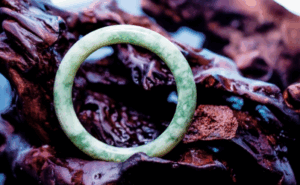
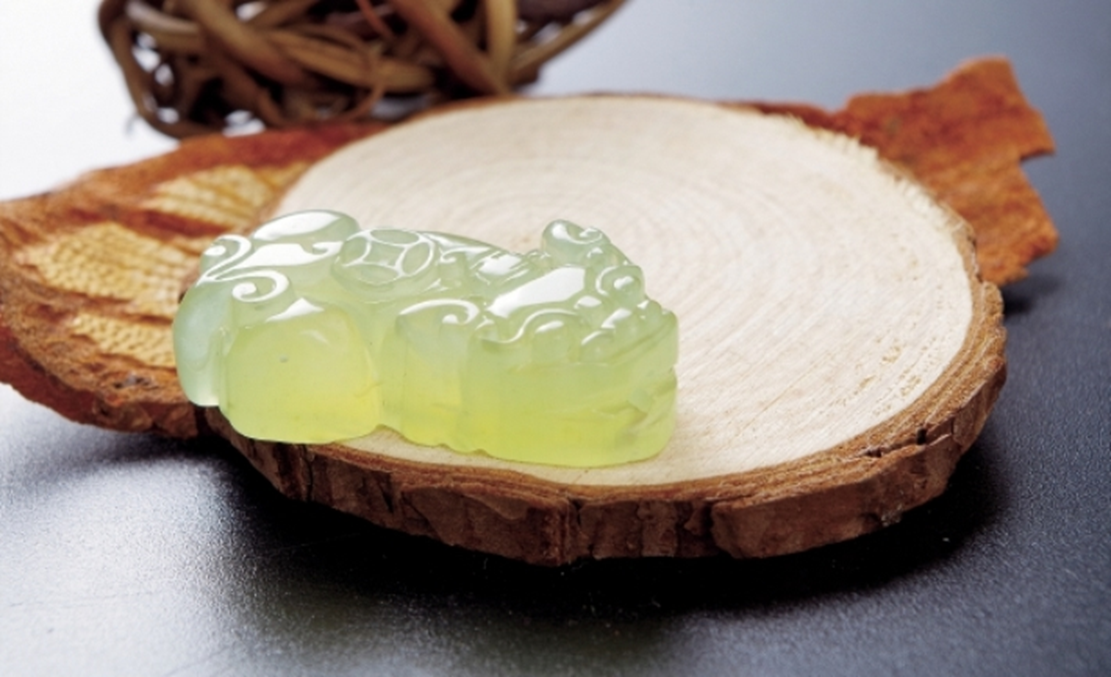
With a history of use dating back over 8,000 years to the Neolithic period, Xiuyan Jade (serpentine jade) holds the venerable title of “天下第一玉” (The First Jade Under Heaven) in Chinese tradition. It was the primary material for ancient ritual objects, figurines, and ornaments long before nephrite from Hetian became predominant. Today, it remains a beloved choice for jadeite enthusiasts seeking an affordable entry into historical jade culture.
- Scientific Profile: It is a hydrous magnesium silicate with a low hardness (Mohs 2.5-4) and a characteristic waxy to greasy luster. Its colors range from pale white and green-white to apple green and aqua green.
- Source: The finest quality historically comes from Xiuyan County in Liaoning province, though serpentine deposits are found worldwide (e.g., “New Jade” from New Zealand, “Bowenite”).
- The Legend of Luminosity: A fascinating aspect of some Xiuyan Jade is its phosphorescence. Historically termed “夜明珠” (Night Bright Pearl), certain specimens can absorb light and emit a soft greenish glow in darkness for a period, giving rise to legendary tales of “luminous jade cups.” This is a rare and natural optical phenomenon.
- Collector’s View: Valued for its deep historical resonance, smooth texture, and often attractive veining. It is widely used for large decorative carvings, vases, and affordable jewelry, making it an excellent entry point for those interested in Chinese jade culture.
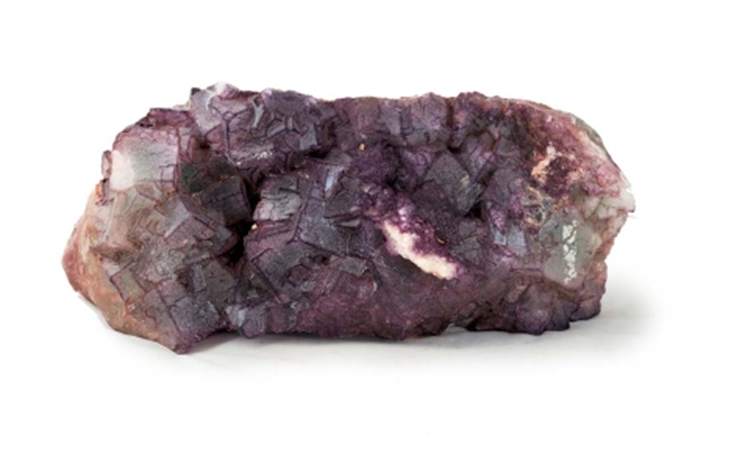
2. Fluorite (萤石): The Colorful “Soft Gem”
Fluorite is a calcium fluoride mineral celebrated for its exquisite range of colors—deep purples, vibrant greens, blues, and yellows—and its perfect octahedral or cubic crystals. Known as the “most colorful mineral in the world,” its name comes from its use as a flux in iron smelting (Latin fluere, “to flow”). Collectors often pair fluorite carvings with antique Chinese decor for a vibrant contrast.
- Properties: It is notably soft (Mohs 4) with high transparency and a vitreous luster. This softness makes it easy to carve but unsuitable for rings or bracelets subject to daily wear.
- Fluorescence: The mineral gives its name to the phenomenon of fluorescence, as many specimens glow brilliantly under ultraviolet light—a spectacular display for collectors.
- Use in Art: In China, fluorite’s clarity and color have made it a popular material for intricate carvings of figures, fruits, and landscapes, prized more for artistic craftsmanship than intrinsic gem value.
- Collector’s Note: Its abundance means it remains an affordable and visually stunning collectible. Look for pieces with vivid color zoning and skilled carving.
3. Jet (煤玉): Black Gold of the Victorian Era
Jet is not a mineral but a type of fossilized wood (lignite) that has undergone immense pressure. It is a dense, uniform black organic gem known for its light weight, velvety texture, and ability to take a high polish. Its history of use dates back to the Bronze Age, but it became iconic in the Victorian era for mourning jewelry. For those who appreciate black gemstone bracelets, jet offers a unique and storied alternative.
- Key Identifiers: It is very light for its size and warm to the touch (unlike glass or onyx). When a hot needle is applied to an inconspicuous area, it releases a distinctive coal-like odor.
- Historical & Cultural Context: In the West, it symbolized solemnity and grief. In China, it has been used for seals, beads, and small carvings, appreciated for its deep, somber elegance.
- Modern Collecting: Genuine vintage jet jewelry from the Victorian period is highly collectible. Modern pieces are valued for fine carving and their stark, graphic black aesthetic.
Comparative Summary for Collectors
| Feature | Xiuyan Jade | Fluorite | Jet |
|---|---|---|---|
| Nature | Hydrous Magnesium Silicate Mineral | Calcium Fluoride Mineral | Fossilized Wood (Organic) |
| Hardness | Low (2.5-4) | Very Low (4) | Low (2.5-4) |
| Key Traits | Waxy-greasy luster; can be phosphorescent; ancient history. | Vivid colors & crystals; high transparency; fluorescent. | Uniform deep black; very light; warm touch; resinous polish. |
| Primary Use | Large carvings, historical reproductions, jewelry. | Decorative carvings, specimen collection, ornamental objects. | Jewelry (esp. antique), small carvings, seals. |
| Collector Appeal | Cultural-historical depth, accessible “ancient jade” material. | Visual spectacle & scientific interest. | Unique organic gem aesthetic, link to Western history. |
Conclusion: Appreciating Diversity in Ornamental Stones
These three materials illustrate that value in collectibles is multi-dimensional. Xiuyan Jade offers a direct connection to China’s most ancient artistic traditions. Fluorite dazzles with natural color and light play. Jet provides a sober, elegant contrast with a rich cross-cultural history.
For the Virtucasa collector, understanding these stones enriches the appreciation of both Eastern and Western decorative arts. Whether drawn to historical significance, visual beauty, or unique physical properties, there is a world of discovery beyond conventional jade.
FAQ
What is the main difference between Xiuyan Jade and nephrite jade?
Xiuyan Jade is a serpentine mineral with a lower hardness (Mohs 2.5-4) and often a more waxy luster, while nephrite is a silicate mineral with a higher hardness (Mohs 6-6.5) and a distinctly greasy polish. Xiuyan was used earlier in Chinese history due to its local abundance.
Is fluorite safe to wear as jewelry?
Fluorite is soft (Mohs 4) and can scratch or chip easily, so it is best suited for earrings, pendants, or carvings that are not subjected to daily impact. It is not recommended for rings or bracelets.
How can I tell if a black gemstone is genuine jet?
Genuine jet is lightweight, warm to the touch, and has a coal-like smell when a hot needle touches a hidden area. It is less dense than black glass or onyx.
Are these stones still used in modern Chinese art?
Yes, all three are carved today. Xiuyan Jade is popular for large decorative pieces; fluorite for miniature sculptures and objets d’art; and jet for contemporary jewelry and seal carving.
Read More
- Buying Guides (111)
- Collectors' Academy (192)
- Care Academy (8)
- Investment Academy (25)
- Jade Crafting Techniques (29)
- Michelle Au: The Gemstone Luminary (11)
- The Precious Metals & Jewels Compendium (54)