Celestial Guardians: The Deities and Immortals of Chinese Jade Carving
In the world of Chinese jade artistry, figures are more than mere subjects—they are embodiments of virtues, bestowers of blessings, and celestial guardians. From the benevolent smile of Maitreya Buddha to the protective gaze of Guan Yu, each carved deity or immortal carries a profound story and a specific promise of protection, prosperity, longevity, or harmony. This guide delves into the pantheon of figures most commonly found in jade carvings, unraveling their legends and the blessings they are believed to confer upon their bearers.
在中國玉雕藝術的世界裡,人物不僅僅是主題——他們是 美德的化身、祝福的賜予者和天上的守護者 。從 彌勒佛 慈悲的微笑到 關羽 威武的凝視,每一尊雕刻的神祇或仙人都承載著深刻的故事,並承諾帶來特定的 護佑、財富、長壽或和諧 。本指南深入探討玉雕中最常見的人物群像,解開他們的傳說以及他們被認為能賦予佩戴者的祝福。
I. The Compassionate Protectors: Buddha and Bodhisattvas
1. Maitreya Buddha (彌勒佛) – The Buddha of the Future, Embodying Joy
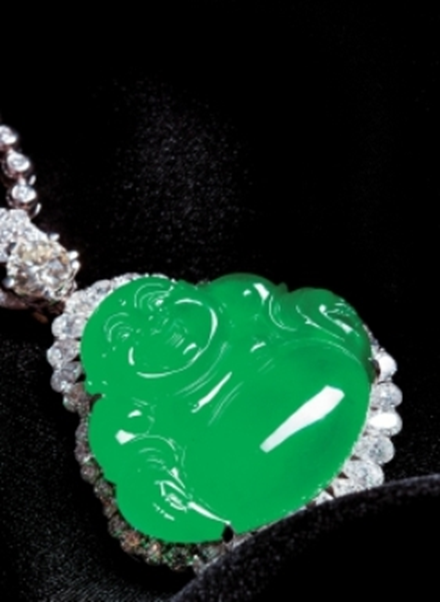
Often depicted as a portly, laughing monk with a large exposed belly, Maitreya is one of the most beloved figures in Chinese culture. His image embodies boundless joy, contentment, and a magnanimous heart that can “contain all things” (肚大能容). He is not the historical Buddha (Shakyamuni) but the Buddha who will appear in the future. Carrying or wearing a Maitreya jade is believed to invite happiness, relieve worries, and encourage an optimistic, tolerant outlook on life. His large ears symbolize the ability to listen to the world’s sufferings.
常被描繪為一位 豐滿、開懷大笑、坦胸露腹的僧人 ,彌勒佛是中國文化中最受喜愛的形象之一。他的形象體現了 無盡的喜悅、滿足以及能「包容萬物」的寬廣心胸 。他並非歷史上的釋迦牟尼佛,而是未來將降世的佛陀。佩戴彌勒佛玉雕被認為能招來 歡樂、消解煩憂,並鼓勵樂觀、寬容的人生態度 。他的大耳朵象徵著傾聽世間疾苦的能力。
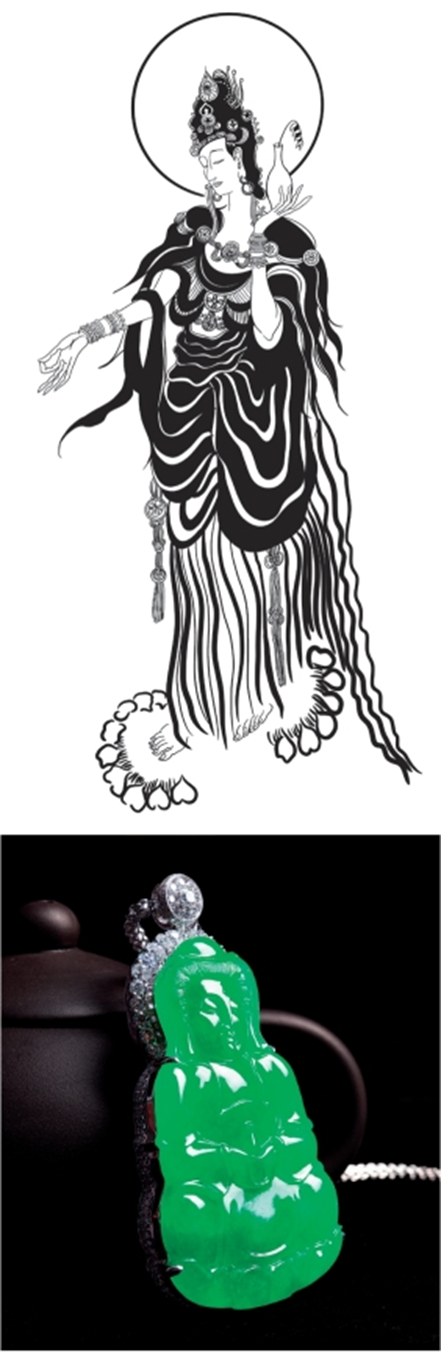
2. Guanyin (觀音) – The Goddess of Mercy and Compassion
Originally a male Bodhisattva (Avalokiteshvara) from Indian Buddhism, Guanyin transformed in China into the quintessential goddess of mercy, compassion, and salvation. She hears the cries of the world (觀世音). In jade form, she is most revered as the “Child-Giving Guanyin” (送子觀音), a blessing for fertility and family. Other forms include the “White-Robed Guanyin” for purity and the “Willow Branch Guanyin” for healing. A Guanyin pendant is a profound talisman for peace, safety, compassionate guidance, and the nurturing of kindness within.
原為印度佛教中的男性菩薩(觀世音),觀音在中國演變為 慈悲、憐憫與救贖 的典型女神。她聆聽世間苦難之音(觀世音)。在玉雕中,她最受尊崇的形象是 「送子觀音」 ,寓意生育與家庭祝福。其他形態包括代表純潔的 「白衣觀音」 和代表療癒的 「楊柳觀音」 。一件觀音掛件是祈求 內心平和、安全、慈悲引導以及培養善心 的深刻護身符。
II. The Bringers of Fortune: Gods of Wealth and Prosperity
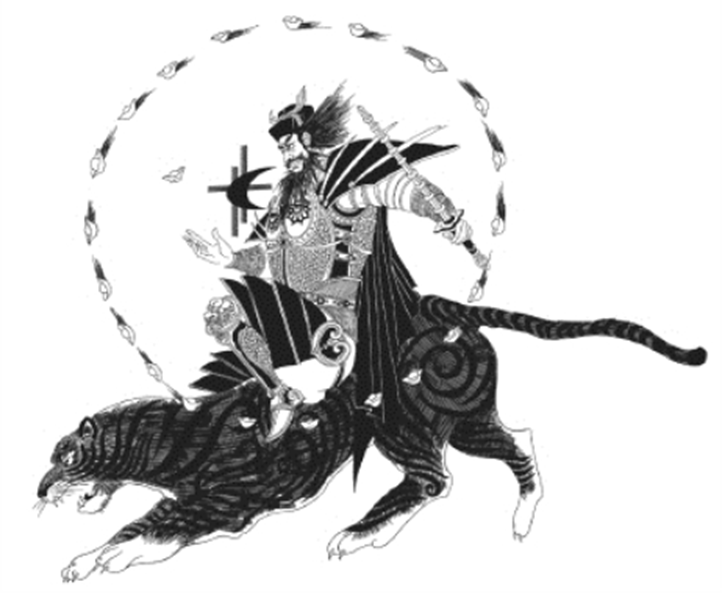
3. Caishen (財神) – The God of Wealth
A collective term for deities of prosperity, with both Civil (文財神) and Military (武財神) forms. The Civil God is often Bi Gan or Fan Li, symbolizing wisdom and righteous wealth. The Military God is most famously Zhao Gongming or Guan Yu, who bestows wealth through power and integrity. Jade Caishen carvings, especially worn or displayed by businesses, are believed to attract abundance, ensure fair profits, and guard financial stability.
財富之神的統稱,有 文財神 和 武財神 兩種形態。文財神通常是 比干 或 范蠡 ,象徵智慧與正道之財。武財神最著名的是 趙公明 或 關羽 ,他們通過權力與正直賜予財富。玉雕財神,尤其被商家佩戴或擺放,被認為能 招引財富、確保利潤公平、守護財務穩定 。
4. Liu Hai (劉海) with the Three-Legged Toad (劉海戲金蟾)
This charming motif depicts a playful boy (Liu Hai) teasing or holding a three-legged gold toad (金蟾), a mythical creature that spits money. It is one of the most direct symbols for attracting and “fishing” for wealth (釣錢). The jade carving symbolizes playful prosperity, sudden financial luck, and the joyful accumulation of riches.
這個迷人的主題描繪了一個頑皮的童子( 劉海 )戲耍或手持一隻 三足金蟾 ,這是一種傳說中會吐錢的神獸。這是最直接的 招財、「釣」財 象徵之一。玉雕寓意著 輕鬆招財、意外橫財以及財富的愉快積累 。
III. The Bestowers of Blessings: Gods of Happiness, Status, and Love
5. Fu, Lu, Shou (福祿壽) – The Triad of Stars
Representing the three pillars of a blessed life: Happiness (福), Prosperity/Official Status (祿), and Longevity (壽). While often depicted as three distinct star deities, in jadeite, they are magically represented by three colors in one stone: red (Fei) for Fu, green (Cui) for Lu, and black/green (Mo Cui) for Shou. A “Fulushou” jade piece is the ultimate combination of auspicious blessings.
代表幸福人生的三大支柱: 福、祿、壽 。雖然常被描繪為三位獨立的星神,但在翡翠中,它們神奇地由一塊石頭上的三種顏色代表: 紅色(翡)為福,綠色(翠)為祿,黑綠色(墨翠)為壽 。一件「福祿壽」玉器是吉祥祝福的終極組合。
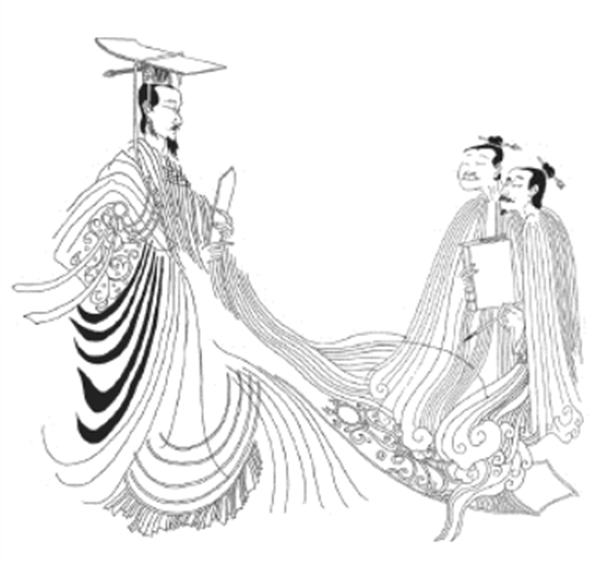
6. Yue Lao (月老) – The Matchmaker God
The old man under the moon who ties destined couples together with a red thread (紅線). A jade Yue Lao is a charm for finding one’s true love, ensuring marital harmony, and blessing relationships with enduring bonds.
月下老人,用 紅線 將命中注定的伴侶繫在一起。玉雕月老是祈求 尋得真愛、確保婚姻和諧、祝福關係長久穩固 的護符。
7. Hehe Erxian (和合二仙) – The Twin Immortals of Harmony
Often depicted as two laughing monks, Hanshan and Shide, holding a lotus (荷, hé) and a box (盒, hé)—together sounding like “harmony and union” (和合). They are gods of marital bliss, friendship, reconciliation, and family harmony. A jade carving of the Hehe Erxian is a potent symbol for mending conflicts and inviting joyous unity.
常被描繪為兩位笑呵呵的僧人—— 寒山與拾得 ,手持 荷花 與 寶盒 ——合起來發音類似「和合」。他們是 婚姻幸福、友誼、和解與家庭和睦 之神。一件和合二仙玉雕是 化解衝突、招致喜樂和諧 的有力象徵。
IV. The Immortal Assembly: The Eight Immortals (八仙)
The Eight Immortals (Ba Xian) represent every walk of life and together symbolize collective power, diverse talents, and the triumph of the human spirit over adversity. Each immortal carries a signature attribute (“暗八仙”) that alone can represent them and their power:
八仙 代表社會各階層,共同象徵著 集體力量、多樣才能以及人類精神戰勝逆境 。每位仙人都有一件標誌性法器(「暗八仙」),僅此法器即可代表他們及其神力:
- 鐵拐李 Li Tieguai: Gourd (葫蘆) – Healing, Medicine.
- 鐵拐李: 葫蘆 —— 療癒、醫藥。
- 鍾離權 Han Zhongli: Fan (扇子) – Reviving the dead, Control over climate.
- 鍾離權: 扇子 —— 起死回生、操控氣候。
- 張果老 Zhang Guolao: Fish Drum (漁鼓) – Prophecy, Wisdom.
- 張果老: 漁鼓 —— 預言、智慧。
- 何仙姑 He Xiangu: Lotus (荷花) – Purity, Integrity.
- 何仙姑: 荷花 —— 純潔、正直。
- 藍采和 Lan Caihe: Flower Basket (花籃) – Eternal Youth, Spiritual Cultivation.
- 藍采和: 花籃 —— 青春永駐、精神修養。
- 呂洞賓 Lü Dongbin: Sword (寶劍) – Chivalry, Dispelling evil.
- 呂洞賓: 寶劍 —— 俠義、驅邪。
- 韓湘子 Han Xiangzi: Flute (笛管) – Artistic Inspiration, Communication with Nature.
- 韓湘子: 笛管 —— 藝術靈感、與自然溝通。
- 曹國舅 Cao Guojiu: Jade Tablet (玉版) – Official Authority, Justice.
- 曹國舅: 玉版 —— 官職權威、公正。
A carving of all Eight Immortals is a grand wish for comprehensive protection and success in all endeavors.
八仙齊聚的雕件是祈求 全方位護佑與諸事成功 的宏大願景。
V. The Guardians of Health and Home
8. Shou Xing (壽星) – The God of Longevity
The Star of Longevity, depicted as a benevolent old man with a prominent forehead, holding a peach (仙桃) of immortality and a staff. He is the primary deity for wishing long life, good health, and vitality, especially for birthdays.
壽星 ,被描繪為一位慈祥的老者, 額頭高凸,手持長壽仙桃和枴杖 。他是祈求 長壽、健康與活力 的主要神祇,尤其在壽誕時。
9. Zao Jun (灶神) – The Kitchen God
The guardian of the household who reports to the Jade Emperor annually. While less common in personal jade wear, his image reminds of family unity, domestic harmony, and speaking well of others.
家庭的守護神,每年向玉皇大帝述職。雖然較少見於個人佩戴的玉飾,但他的形象寓意著 家庭團圓、家和萬事興以及口出善言 。
10. Zhong Kui (鍾馗) – The Demon Queller
A fierce, bearded scholar who commands respect from all ghosts. Jade Zhong Kui amulets are powerful protective talismans used to ward off evil, negative energy, and misfortune. He is the ultimate guardian spirit.
一位威嚴的虯髯書生,令眾鬼畏服。鍾馗玉護身符是強大的 辟邪之物 ,用於 驅逐邪惡、負面能量與災禍 。他是終極的守護神。
Conclusion: Choosing Your Celestial Companion
Selecting a jade carving of a deity is a personal and meaningful act. Consider what blessing you seek most:
選擇一件神祇題材的玉雕,是一種個人化且意義深遠的行為。可以思考您最需要何種祝福:
- For Protection & Peace 護佑與平安: Guanyin, Zhong Kui
- For Joy & Mental Ease 喜樂與心安: Maitreya Buddha
- For Wealth & Career 財富與事業: Caishen, Liu Hai
- For Love & Harmony 愛情與和諧: Yue Lao, Hehe Erxian
- For Health & Longevity 健康與長壽: Shou Xing, the Eight Immortals
By understanding the rich stories behind these figures, you do not merely acquire a piece of carved stone; you invite a timeless legend and its benevolent power into your life’s journey.
透過了解這些形象背後豐富的故事,您所獲得的不僅僅是一件雕刻品;您是在 邀請一個永恆的傳說及其仁慈的力量,進入您的人生旅程 。
Read More
- Buying Guides (111)
- Collectors' Academy (192)
- Care Academy (8)
- Investment Academy (25)
- Jade Crafting Techniques (29)
- Michelle Au: The Gemstone Luminary (11)
- The Precious Metals & Jewels Compendium (54)