The Alchemy of Jian Zhan: A Comprehensive Guide from Historical Roots to Glaze Mystique
The Artistic Allure of Jian Zhan Tea Bowls
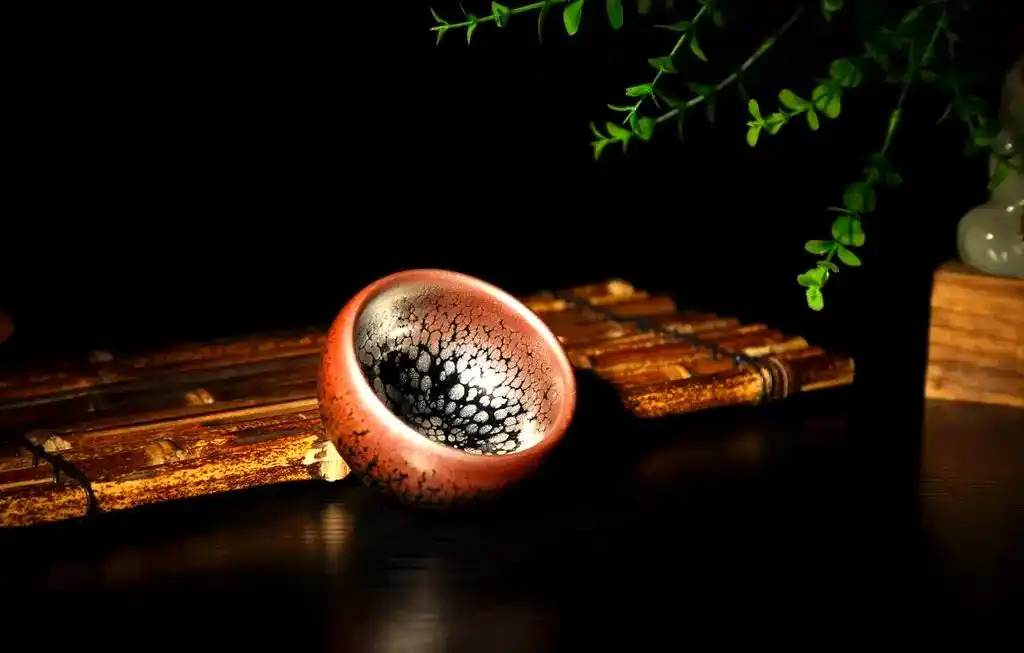
Jian Zhan, a unique type of tea bowl originating from Jianyang in Fujian province, represents the pinnacle of黑釉 (black-glazed) ceramic artistry fired in the Jian Kilns. Its design is deceptively simple yet profoundly elegant. The small, shallow bowl form is perfectly suited for savoring tea, embodying the essence of Song Dynasty tea culture. Originating in the late Tang and Five Dynasties periods, Jian Zhan reached its zenith during the Northern and Southern Song Dynasties, even becoming the imperial tea ware of choice for the皇室 (royal court). It is not only counted among the “Eight Great Wares” of Song ceramics but also stands as the definitive masterpiece of black porcelain art.
建盞的藝術魅力
建盞,一種源於福建建陽的獨特茶器,代表了建窯燒造黑釉陶瓷藝術的巔峰。其設計簡約至極,卻又蘊含深邃的優雅。小巧淺腹的碗形,極為適宜品飲茶湯,體現了宋代茶文化的精髓。起源於晚唐五代,建盞在兩宋時期達至鼎盛,甚至成為皇室御用的茶器。它不僅位列宋代「八大名瓷」之一,更是黑瓷藝術無可置疑的代表作。
Part 1: Definition and Historical Journey
The story of Jian Zhan is intertwined with the rise of the tea ceremony and the quest for the perfect vessel to enhance the experience of whisked tea (diancha). Its humble beginnings gave way to a golden age, where its deep, dark glaze became the favored canvas for observing the fine white foam of powdered tea. The imperial patronage, most notably from Emperor Huizong—an artist and tea connoisseur himself—cemented its status and spurred innovation in its production techniques, leading to the miraculous glazes that define it today.
一、定義與歷史源流
建盞的故事,與點茶之風的興起,以及對用以襯托茶沫的完美茶器的追求緊密相連。其質樸的起源,逐漸迎來一個黃金時代。此時,它深邃的黑色釉面,成為觀賞碾茶所擊出的細白沫餑的理想背景。皇室的推崇——尤其是來自藝術家兼茶道大家宋徽宗的青睞——鞏固了其地位,並推動了其生產技術的革新,從而誕生了那些定義其今日面貌的神奇釉色。
Part 2: Distinctive Form and Characteristics
The shape of a Jian Zhan is both functional and symbolic. Its wide mouth and small, tapered base (like an inverted funnel), often with a ring foot, provide stability and a comfortable grip. The foot rim is typically chamfered (“倒角” daojiao), giving it a slightly outward slant, though some have a solid, flat foot. The overall feel is substantial, weighty, and imbued with a sense of archaic solemnity. Stylistically, Jian Zhan are categorized into four main types:敞口 (changkou, wide mouth), 撇口 (piekou, flared mouth), 敛口 (liankou, contracted mouth), and 束口 (shukou, constricted mouth). Each type is further divided by size (large, medium, small), showcasing the versatility and precision of the potters while serving as a vital vessel in the tea ritual.
二、獨特的造型與特點
建盞的器型兼具實用性與象徵意義。其口大足小(狀如倒置漏斗),常帶圈足,提供了穩定性與舒適的握持感。足根通常經過修刀處理(即「倒角」),略呈外斜狀,亦有少數為實足平底。整體手感沉穩厚重,充滿古樸莊嚴之感。在樣式上,建盞主要分為四大類:敞口、撇口、斂口、束口。每類又依尺寸細分為大、中、小型,展現了匠人技藝的多樣性與精準度,同時也成為茶事活動中的重要載體。
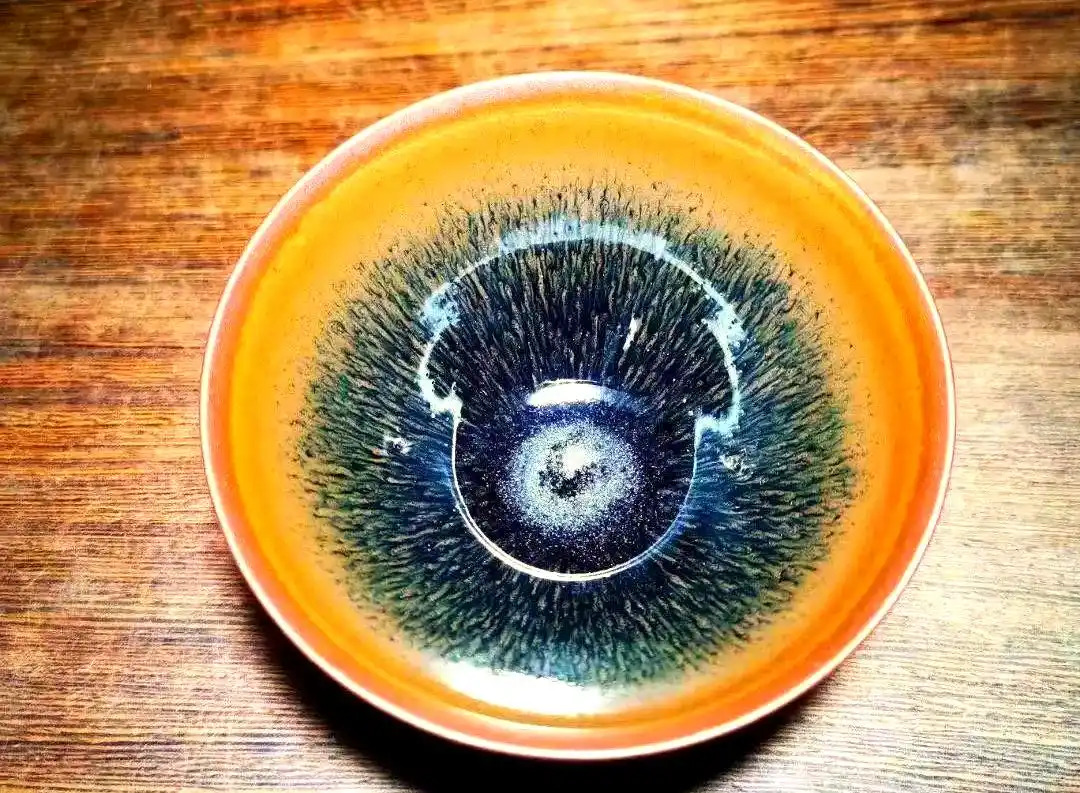
Part 3: The Enchanting World of Jian Zhan Glazes
The true magic of Jian Zhan lies in its釉色 (youse, glaze), a realm of astonishing, unpredictable transformation. Entering the kiln as uniformly dark forms, each bowl emerges as a unique individual, its surface a testament to the alchemy of flame, chemistry, and chance. Subtle variations in kiln temperature and atmosphere (oxidizing or reducing) during firing give birth to patterns beyond the potter’s complete control. This embrace of natural, serendipitous beauty is the core of its appeal.
三、建盞釉色的迷人世界
建盞真正的魔力在於其釉色,這是一個充滿驚人且不可預測的窯變世界。入窯時是統一的深色坯體,出窯時每一隻盞都成為獨特的個體,其釉面見證了火焰、化學與偶然的共同作用。燒製過程中窯溫與窯氛(氧化或還原)的細微變化,催生出超越匠人完全控制的斑紋。這種對自然、偶然之美的接納,正是其魅力核心。
The glaze spectrum is vibrant and varied, with five principal types most celebrated: pure黑釉 (heiyou, black glaze),兔毫釉 (tuhao you, “hare’s fur”), 油滴釉 (youdi you, “oil spot”), 曜变釉 (yaobian you, “iridescent/yohen”), and 杂色釉 (zase you, “miscellaneous colors”). Among these, the profound黑釉 is particularly revered. Also known as乌金釉 (wujin you, “black gold glaze”), it ranges from a lacquer-like pure black to a black suffused with bluish or brownish tones. Emperor Huizong himself extolled this depth in his Treatise on Tea: “For tea bowls, a bluish-black glaze is most prized, with hare’s fur being the best.”
其釉色體系豐富多彩,其中最受推崇的五種主要類型為:純黑釉、兔毫釉、油滴釉、曜變釉、雜色釉。其中,深邃的黑釉尤受尊崇。亦稱烏金釉,其色澤可從漆器般的純黑,到泛青或泛褐的黑。宋徽宗在其《大觀茶論》中盛讚此種深邃:「盞色貴青黑,玉毫條達者為上。」
During the early Northern Song,兔毫釉 emerged from the standard dark glazes as the most iconic and prolific variety. Characterized by fine, uniform streaks that resemble hare’s fur against the dark ground, each strand is formed by iron-oxide crystals aligning during cooling. Influenced by the uncontrollable “窯變” (yaobian, kiln transformation), the “fur” varies in length, thickness, and color—appearing golden (“金兔毫” jin tuhao) or silvery-white (“银兔毫” yin tuhao), adding to its allure.
北宋早期,兔毫釉從標準的黑釉中脫穎而出,成為最具代表性且產量最大的品種。其特徵是在深色底釉上呈現出均勻細密的條紋,狀如兔毫。每一絲「毫毛」都是在冷卻過程中由氧化鐵晶體析出排列而成。受不可控的「窯變」影響,兔毫的長短、粗細、色彩各異——呈現金黃色(金兔毫)或銀白色(銀兔毫),更添其魅力。
Part 4: Special Phenomena and Firing Secrets
Crystallization Types: The tactile quality of a Jian Zhan depends on where the iron crystal patterns form relative to the glassy glaze layer.
- 釉上析晶 (youshang xijing): The crystals protrude above a thin or recessed glass layer, creating a distinctly rough, textured surface to the touch.
- 釉下析晶 (youxia xijing): The crystals are embedded beneath a thick, smooth glass layer, resulting in an exceptionally smooth and lustrous surface.
The Dragon Kiln & Its Trials: Jian Zhan were traditionally fired in massive 龙窑 (longyao, dragon kilns), semi-underground structures built along hillsides like reclining dragons. Loading the kiln alone took three days. The actual firing was an intense,三天三夜 (three-day-three-night) ordeal, with temperatures soaring to 1400°C, followed by a slow 4-5 day natural cool-down. From a single firing of 3,000 to 4,000 pieces, only a few hundred might emerge intact—a成品率 (chengpin lü, success rate) of a mere 7-10%. The finest pieces, the “全品” (quanpin, perfect specimens), were true miracles of fire.
四、特殊現象與燒造秘辛
析晶類型: 建盞的觸感取決於鐵結晶斑紋相對於玻璃質釉層的形成位置。
- 釉上析晶: 結晶體凸出於較薄或下陷的玻璃質層之上,形成觸感明顯粗糙、有質感的表面。
- 釉下析晶: 結晶體被包裹在厚重、光滑的玻璃質層之下,從而產生異常光滑瑩潤的表面。
龍窯與其考驗: 建盞傳統上是在巨大的龍窯中燒造的。這種依山而建的半地穴式長窯,形如臥龍。僅裝窯一項便需三日。實際燒窯則是持續三天三夜的嚴峻考驗,窯溫高達1400°C,之後還需緩慢自然冷卻4-5天。一次裝窯三、四千隻,最終可能僅有數百隻完好出窯——成品率僅7-10%。最精妙的作品,即「全品」,實為火中奇蹟。
The Mystery of Iridescent “Rainbow Halo” (七彩宝光 qicai baoguang): This captivating optical effect, where the glaze shimmers with rainbow hues, has two primary scholarly explanations:
- Over time, tea residue forms a microscopically thin film on the glaze, creating a新的折射面 (new refractive surface) that breaks light into spectral colors.
- A chemical reaction occurs between铁元素 (iron) from the tea and碱性物质 (alkaline compounds) in the glaze, altering the surface’s molecular structure and its interaction with light.
Whichever the cause, the result is a dynamic, living patina prized by collectors.
虹彩光暈(七彩寶光)之謎: 這種釉面閃爍彩虹般光澤的迷人光學效應,主要有兩種學術解釋:
- 隨著時間推移,茶垢在釉面形成極薄的膜,創造出一個新的折射面,將光線分解成光譜色。
- 茶湯中的鐵元素與釉中的鹼性物質發生化學反應,改變了釉面的分子結構及其與光線的相互作用。
無論成因如何,其結果都是一種為藏家所珍視的、動態的、富有生命力的「養成」效果。
Part 5: Cultivating Your Jian Zhan
To encourage the development of this beautiful iridescence, it is recommended to use darker teas like普洱 (pu’er) or红茶 (black tea). After each use, clean the bowl thoroughly with water (avoid detergents) and dry it meticulously with a soft, clean cloth dedicated to tea ware. With care and patience, you can nurture your own bowl’s unique, evolving character.
五、養護您的建盞
為促進此種美麗虹彩的生成,建議使用色澤較深的茶類,如普洱茶或紅茶。每次使用後,用清水徹底清洗(避免清潔劑),並以專用於茶具的柔軟乾淨茶巾仔細擦乾。用心與耐心,您將能培育出屬於自己那只建盞獨一無二、不斷變化的風采。
From 探索建盏:从历史起源到釉色魅力的全面解读
Read more
- Buying Guides (111)
- Collectors' Academy (192)
- Care Academy (8)
- Investment Academy (25)
- Jade Crafting Techniques (29)
- Michelle Au: The Gemstone Luminary (11)
- The Precious Metals & Jewels Compendium (54)