Introduction
When shopping for natural jadeite jewelry, understanding the three key quality factors—color, transparency, and texture—is essential to making an informed purchase. Whether you are drawn to the serene lavender of a Natural Jadeite Bracelet or the vivid green of a Natural Full-Green Jadeite Saddle Ring, knowing what to look for will help you select pieces that offer lasting beauty and value. This guide breaks down each quality factor using real product examples from VirtuCasa, an online marketplace specializing in natural jadeite and Chinese antiques.
Understanding the Three Pillars of Jadeite Quality
According to GIA’s jade quality factors, the most important attributes in order of impact on market value are color, transparency, and texture. These three elements work together to determine a stone’s overall appeal and price.
Color
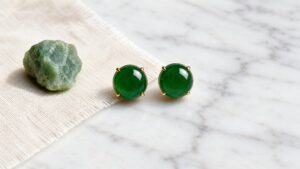
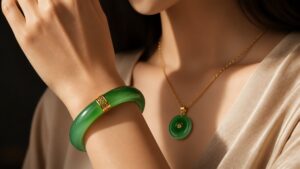
Color is the most subjective yet influential factor. Fine jadeite can range from imperial green to lavender, yellow, white, and even three-color combinations. The intensity, evenness, and purity of the color matter greatly. For example, the Natural Jadeite Tassel Earrings feature a deep green that is rich and vibrant, while the Natural Jadeite Bracelet offers a soft lavender-white hue with uniform distribution. The Natural Three-Color Jadeite Bracelet showcases yellow, white, and light green blending harmoniously—a rarity that adds appeal.
Transparency
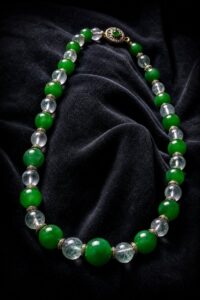
Transparency (often called “water” in Chinese jade culture) refers to how much light passes through the stone. The highest quality jadeite is “ice-type” or “glassy,” nearly transparent with a cool, crystalline luster. Pieces like the Natural Ice-type Jadeite Bracelet with Floating Green Patterns and the Natural Ice-type Tricolor Jade Necklace exemplify this translucent quality. Even less transparent pieces can be beautiful if the texture is fine and the color is attractive.
Texture
Texture describes the fineness and compactness of the jadeite’s internal structure. A smooth, delicate texture with a vitreous or glassy luster indicates high quality. Many VirtuCasa products mention “fine and smooth texture” and “delicate and smooth” in their descriptions. For instance, the Natural Ice-type Violet Jade Bead Necklace is noted for its fine and delicate texture with a translucent, glossy appearance. Coarse or grainy textures lower value.
Types and Styles of Jadeite Jewelry
VirtuCasa offers a wide range of styles, each suited to different tastes and occasions. Bracelets are among the most popular. The Ice-type Jadeite Bracelet features 16mm beads and a substantial 101g weight, while the three-color bracelet uses 12mm beads for a balanced feel. Necklaces range from delicate strands with 3.5mm beads (Natural Ice-type Tricolor Jade Necklace at $740) to more lavish pieces like the 68-bead violet necklace (Natural Ice-type Violet Jade Bead Necklace at $6649). Rings include both classic saddle styles and modern cabochon sets, such as the Natural Ice-type Violet Jadeite Cabochon Ring Set with 18K White Gold, Sapphires, and Diamonds at $1926. Earrings like the tassel jadeite earrings ($852) offer a graceful swinging effect for everyday elegance.
How to Choose the Right Size and Fit
Proper sizing ensures comfort and security. Bracelets are often designed for specific wrist circumferences. For example, the Natural Jadeite Bracelet fits wrists 16-19cm and consists of 19 beads each approximately 10mm in diameter. The three-color bracelet uses 16 beads of 12mm diameter and has an adjustable elastic cord. The ice-type bracelet has 13 beads of 16mm diameter, offering a flexible fit for various wrists. Necklaces vary in bead size—the tricolor necklace uses 3.5mm beads while the violet necklace ranges from 10mm to 12mm beads, with a versatile length for layering. Rings are sized numerically; the saddle rings come in sizes 24 (for the full-green ring) and 26 (for the floating green ring). The cabochon ring is size 15. Always measure your finger or wrist against the product’s listed dimensions. The weight of each piece also affects wearing comfort—lighter pieces like the earrings (8g) are ideal for daily wear, while heavier bracelets (101g) feel more substantial.
Price and Value: What Determines Cost?
Several factors drive jadeite prices. Color rarity is a major one—imperial green and pure lavender command higher prices. Transparency also plays a huge role: ice-type pieces with high translucency are priced higher than opaque ones. Texture fineness, craftsmanship, and setting materials (like 18K gold and diamonds) add cost. At VirtuCasa, you’ll find jadeite at various price points. An entry-level piece like the Natural Jadeite Saddle Ring with Floating Green is priced at $719, while a premium ice-type violet necklace with 158g of beads reaches $6649. The Natural Full-Green Jadeite Saddle Ring sells for $2437, reflecting its even green color and fine texture. The three-color bracelet at $668 offers an affordable way to own a multi-hue piece. Remember, the best value comes from matching your budget with the quality factors most important to you.
Common Mistakes to Avoid
- Ignoring transparency: A stone that looks dull may lack translucency. Even bright color can be disappointing if the jadeite is opaque. Look for terms like “ice-type” or “translucent” in product descriptions.
- Confusing color with quality: Not all green jade is high quality. The tone, saturation, and evenness matter just as much as the hue itself.
- Overlooking texture: A coarse or bumpy surface can indicate lower quality. Always check for mentions of “fine,” “smooth,” or “delicate” texture in the germplasm details.
- Choosing the wrong size: A bracelet that is too tight or too loose will not be comfortable. Measure your wrist against the circumference and diameter specs provided.
- Assuming all jadeite is the same: Natural jadeite varies enormously. Read the full product data to understand the specific characteristics of each piece.
Top Picks from VirtuCasa
Based on the quality factors discussed, here are five recommended products for different preferences:
- Natural Ice-type Jadeite Bracelet with Floating Green Patterns ($1517) – Ideal for collectors who prize transparency and unique pattern. The icy base with floating green creates a mesmerizing effect, and the 16mm beads offer a substantial presence.
- Natural Jadeite Tassel Earrings ($852) – Perfect for someone who loves vibrant green in a lightweight, elegant design. The layered chains and 18K gold-plated setting add luxury for daily wear.
- Natural Full-Green Jadeite Saddle Ring ($2437) – A classic choice for jade connoisseurs. The even, dense green color and warm vitreous luster make this a standout piece for special occasions or daily elegance.
- Natural Ice-type Violet Jade Bead Necklace ($6649) – For those seeking a statement piece. The translucent lavender hue and 68-bead strand offer both visual impact and a comfortable 158g weight, suitable for layering or wearing alone.
- Natural Three-Color Jadeite Bracelet ($668) – A budget-friendly entry into jadeite ownership. The harmonious blend of yellow, white, and light green makes it versatile for both casual and formal looks.
Final Tips and Conclusion
When judging jadeite quality, always assess color, transparency, and texture together. Use the detailed product data on VirtuCasa to compare these attributes across different pieces. Explore the full jadeite collection to see the range available. Remember to check sizing and weight for comfort. By applying the knowledge from this guide, you can shop with confidence and find a natural jadeite piece that brings you joy for years to come.
FAQ
What is the most important quality factor in jadeite?
According to GIA, the three most important factors in order are color, transparency, and texture. Color is often the first thing buyers notice, but transparency and texture significantly affect value.
How can I tell if a jadeite piece is natural and not treated?
Look for sellers who explicitly state ‘natural jadeite’ in their product descriptions. At VirtuCasa, all listed items are natural. Reputable dealers will also describe the gemmological qualities like texture and luster, which are harder to fake in treated stones.
What does ‘ice-type’ mean in jadeite?
Ice-type jadeite refers to stones with high transparency that resemble clear ice. They have a cool, glassy luster and are considered premium. Products like the Natural Ice-type Jadeite Bracelet with Floating Green Patterns exemplify this quality.
Are bracelets with adjustable cords good for fit?
Yes, many jadeite bead bracelets use elastic cords that can accommodate different wrist sizes. Always check the diameter of the beads and the total circumference to ensure a comfortable fit. For example, the Natural Three-Color Jadeite Bracelet has an adjustable elastic cord suitable for most wrists.