Introduction: Why Jadeite Rarity Matters to Buyers
Jadeite is among the most treasured gemstones in the world, with a history that spans millennia and a cultural significance that transcends borders. Unlike many other gems, jadeite’s value is not determined by carat weight alone—it is a complex interplay of color, transparency, texture, and origin. For collectors and jewelry lovers alike, understanding jadeite rarity is the key to making informed purchases that hold both beauty and lasting worth.
At VirtuCasa, we specialize in natural jadeite jewelry, from delicate bracelets to statement rings. Our catalog reflects the full spectrum of jadeite quality, from accessible pieces to investment-grade treasures. This guide will walk you through the two most celebrated categories—ice jadeite and imperial green—and explain how their rarity translates into value, so you can choose with confidence.
Understanding Quality: The Key Factors
Transparency and Texture
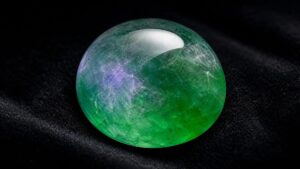
The most important quality factor in jadeite is its transparency, often described as ‘ice’ or ‘glassy.’ High-quality ice-type jadeite is translucent, allowing light to pass through the stone and giving it a cool, luminous appearance. In contrast, opaque jadeite is less rare and generally less valuable. Texture also matters: a fine, compact grain structure results in a smooth, polished surface that reflects light beautifully.
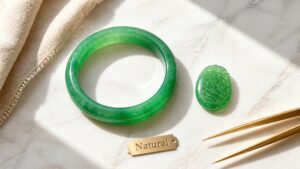
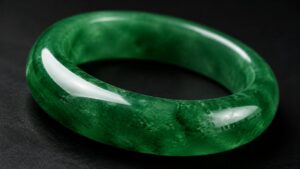
For example, the Natural Ice-type Jadeite Bracelet with Floating Green Patterns exemplifies this quality with its transparent, delicate texture and cool, glassy sheen. Such pieces are prized for their ‘icy’ base, which allows the green patterns to appear as if floating within the stone.
Color: The Spectrum from Lavender to Imperial Green
Color is the most visible and subjective quality factor. Jadeite occurs in a range of hues, including lavender, yellow, white, and green. Among these, the most coveted is ‘imperial green’—a deep, rich, evenly saturated green that is extremely rare. Imperial green jadeite commands premium prices, often far exceeding other colors.
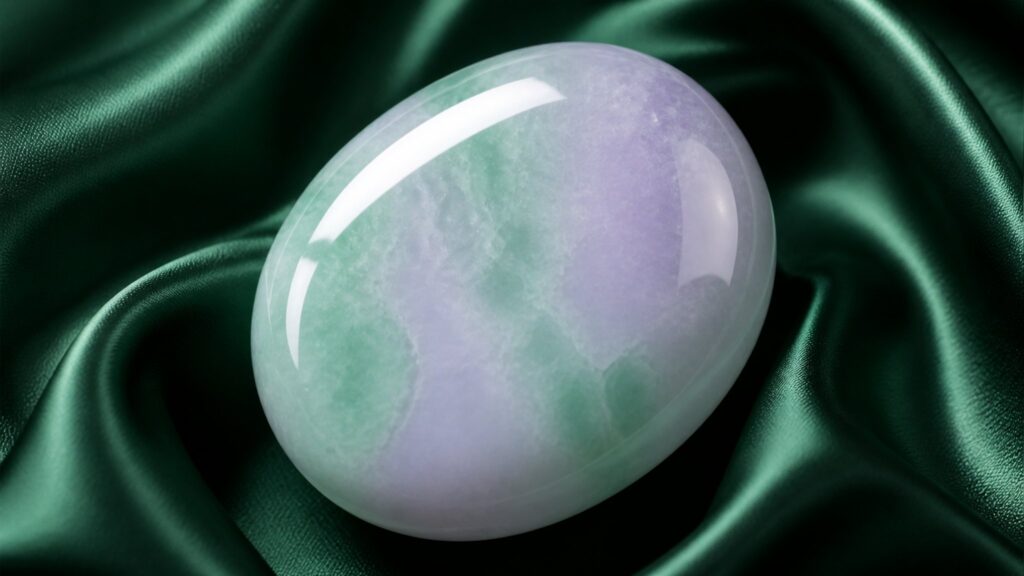
However, rarity also exists in less common colors. For instance, violet jadeite is relatively rare and highly sought after, as seen in the Natural Ice-type Violet Jade Bead Necklace. Its soft lavender hue, combined with the ice-type transparency, makes it a standout piece for collectors who appreciate subtle elegance.
Cut and Polish
The cut and polish of jadeite significantly impact its final appearance. A well-cut cabochon or bead will maximize the stone’s color and transparency, while a poor cut can dull its luster. Traditional shapes like the saddle ring and bead necklace are popular, but the skill of the lapidary is what brings out the gem’s inner beauty.
VirtuCasa’s pieces are crafted with precision, as seen in the Natural Full-Green Jadeite Saddle Ring, where the saddle shape is carved from a single piece of jadeite, showcasing the stone’s even green coloration and smooth, vitreous sheen.
Types & Styles: Ice vs. Imperial Green
When discussing jadeite rarity, two categories dominate: ice jadeite and imperial green. Ice jadeite is prized for its transparency and cool, watery appearance, often with subtle color accents. Imperial green, on the other hand, is valued for its intense, pure green color, which is opaque or semi-transparent but evenly saturated. Both are rare, but imperial green is exceptionally so, making it the most expensive type of jadeite.
VirtuCasa offers a range of styles that illustrate this spectrum. The Natural Jadeite Tassel Earrings feature deep green beads with a rich, vibrant color and a fine, compact texture, embodying the essence of green jadeite. Meanwhile, the Natural Ice-type Tricolor Jade Necklace showcases the ‘three-color’ phenomenon—green, yellow, and orange hues—interwoven in a transparent base, a rare and visually striking combination.
For those who appreciate multi-hued jadeite, the Natural Three-Color Jadeite Bracelet offers a harmonious blend of yellow, white, and light green. This piece demonstrates that rarity isn’t limited to imperial green; unique color combinations are also highly prized.
How to Choose the Right Size & Fit
Jadeite jewelry is often worn daily, so comfort and fit are crucial. When selecting a bracelet, consider the bead diameter and the bracelet’s circumference. For example, the Natural Jadeite Bracelet is composed of 19 round beads, each approximately 10mm in diameter, with a total circumference of about 18cm, suitable for wrists with a circumference of 16-19cm. This is a flexible fit, thanks to the elastic cord.
For necklaces, the bead size and strand length determine how it drapes. The Natural Ice-type Violet Jade Bead Necklace features 68 beads with diameters ranging from 10mm to 12mm, offering versatile length for multi-layered or single-strand wear. In contrast, the Natural Ice-type Tricolor Jade Necklace has beads of 5.3mm diameter, creating a delicate, refined look that layers well.
Rings require precise sizing. VirtuCasa’s saddle rings come in specific sizes, such as the Natural Full-Green Jadeite Saddle Ring in size 24 and the Natural Jadeite Saddle Ring with Floating Green in size 26. Always measure your finger circumference to ensure a comfortable fit, as jadeite rings are not resizable easily.
Price & Value: What Drives Cost
The price of jadeite is driven by its rarity, quality, and craftsmanship. Ice-type jadeite with high transparency and even color is more expensive than opaque varieties. Imperial green, being the rarest, commands the highest prices. Additionally, the size of the piece matters—larger, uniform beads are harder to source and thus more valuable.
In VirtuCasa’s catalog, prices reflect these factors. For example, the Natural Ice-type Jadeite Bracelet with Floating Green Patterns is priced at $1517, reflecting its high transparency and substantial weight of 101g. In contrast, the Natural Ice-type Tricolor Jade Necklace at $825 offers a more accessible entry into ice jadeite, with smaller beads and a lighter weight.
At the premium end, the Natural Ice-type Violet Jade Bead Necklace is priced at $6649, a testament to the rarity of violet jadeite combined with its large, uniform beads. For those seeking imperial green, the Natural Full-Green Jadeite Saddle Ring at $2437 is a collector’s piece, while the Natural Jadeite Tassel Earrings at $852 offer a more affordable way to own deep green jadeite.
It’s important to note that jadeite is an investment. According to gemological education resources, the finest imperial green jadeite has achieved record prices at auction, underscoring its enduring value. While not every piece will appreciate, high-quality jadeite tends to hold its worth over time.
Common Mistakes to Avoid
- Confusing jadeite with nephrite: These are two different minerals, with jadeite being rarer and more valuable. Always verify that your piece is natural jadeite.
- Overlooking transparency: Many buyers focus solely on color, but transparency is a key indicator of quality. Ice-type jadeite with good transparency is generally more valuable than opaque pieces.
- Ignoring color distribution: Even, saturated color is more desirable. Floating green patterns are beautiful, but uneven color can reduce value.
- Not checking the setting: High-quality jadeite is often set in precious metals like 18K gold, as seen in the Natural Jadeite Tassel Earrings. Ensure the setting is secure and complements the stone.
- Assuming all green jadeite is imperial: Imperial green is a specific, rare shade. Many green jadeites are beautiful but not imperial, so don’t overpay based on color alone.
Top Picks: Our Recommendations
Based on your preferences, here are some standout pieces from VirtuCasa’s collection:
For the Ice Jadeite Enthusiast: The Natural Ice-type Jadeite Bracelet with Floating Green Patterns ($1517) is a stunning example of transparency and subtle color. Its 16mm beads offer a substantial presence, making it ideal for those who appreciate the ‘icy’ aesthetic.
For the Collector of Rare Colors: The Natural Ice-type Violet Jade Bead Necklace ($6649) is a rare find, with its soft lavender hue and large, uniform beads. This piece suits those who desire a unique, investment-grade addition to their collection.
For the Everyday Wearer: The Natural Jadeite Bracelet ($1008) offers a delicate lavender-white hue and a comfortable fit, perfect for daily wear. Its 10mm beads are versatile and elegant.
For the Traditionalist: The Natural Full-Green Jadeite Saddle Ring ($2437) is a classic piece with even green coloration and a smooth, vitreous sheen. It suits those who prefer timeless, masculine designs.
For the Budget-Conscious: The Natural Ice-type Tricolor Jade Necklace ($740) offers rare three-color jadeite at an accessible price, making it an excellent entry point into ice jadeite collecting.
Final Tips & Conclusion
Understanding jadeite rarity is the first step to making a wise purchase. Whether you’re drawn to the cool transparency of ice jadeite or the intense green of imperial, always prioritize natural, untreated stones. VirtuCasa guarantees the authenticity of our jadeite, so you can shop with peace of mind.
Consider the piece’s intended use—daily wear or special occasions—and choose a style that fits your lifestyle. Remember that jadeite is not just jewelry; it’s a piece of history and culture, a symbol of luck and protection. As you explore our jadeite collection, trust your eye and your instincts. The right piece will speak to you.
We hope this guide has illuminated the nuances of jadeite rarity and value. For further reading, industry analyses on jade investment trends can provide additional perspective. Happy hunting, and may you find the jadeite that resonates with you.
FAQ
What is the difference between ice jadeite and imperial green jadeite?
Ice jadeite is prized for its high transparency and cool, glassy appearance, often with subtle color accents. Imperial green jadeite is valued for its intense, pure green color, which is rare and commands the highest prices. Both are considered high-quality, but imperial green is generally rarer and more expensive.
How can I tell if jadeite is natural or treated?
Natural jadeite has a fine, compact texture and a vitreous luster. Treated jadeite may show unnatural color concentration or a duller appearance. Always purchase from reputable sources like VirtuCasa that guarantee natural, untreated stones.
What does ‘floating green’ mean in jadeite?
Floating green refers to green patterns that appear to ‘float’ within a more transparent base, often seen in ice-type jadeite. This effect is highly prized for its unique visual appeal and can increase the piece’s value.
Is jadeite a good investment?
High-quality jadeite, especially imperial green and rare colors like violet, tends to hold or increase in value over time. However, it’s important to focus on quality factors like transparency, color, and texture when making an investment purchase.