Commonly Confused Gemstone Concepts: An Essential Guide for Collectors
I. Understanding Different Categories of Manufactured Gemstones
Synthetic Gemstones
Laboratory-created gems possessing identical physical properties, chemical composition, and crystal structure to their natural counterparts. Examples include synthetic diamonds, created rubies and sapphires, and laboratory-grown emeralds. These are chemically authentic but created under controlled conditions rather than geological processes.
Artificial Gemstones
Human-made materials with no natural equivalents in the gemological world. These include strontium titanate and YAG (yttrium aluminum garnet), which were developed for specific optical properties without natural mineral counterparts.
Composite Gemstones
Assembled from two or more separate gem materials bonded together. Common examples include opal triplets and garnet-topped glass doubles, designed to enhance appearance or durability through layering.
Reconstructed Gemstones
Created by fusing natural gem fragments or powders under heat and pressure. Reconstructed amber and turquoise represent this category, where natural materials undergo manufacturing processes to create larger, usable pieces.
II. The Hardness vs. Brittleness Paradox
Contrary to popular belief, increased hardness often correlates with greater brittleness in gemstones. While hardness measures resistance to scratching, brittleness indicates susceptibility to breakage from impact. Diamond, ranking 10 on the Mohs scale, exemplifies this paradox—extremely scratch-resistant yet prone to cleaving from sharp blows. Proper handling requires recognizing that durable wear resistance doesn’t always equal structural toughness.
III. Density as a Quality Indicator
While gem density (specific gravity) provides identification clues, it shouldn’t singularly determine quality assessment. Superior gem value derives from the interplay of color saturation, transparency, cut precision, rarity, and absence of detrimental inclusions. A dense gem with poor color and visible flaws holds less value than a lighter stone with exceptional brilliance and hue.
IV. Comprehensive Hardness Testing Methods
Beyond simple scratch testing, modern gemology employs multiple hardness assessment techniques:
- Scratch Testing: Traditional Mohs method comparing mineral resistance
- Electronic Measurement: Precision instruments quantifying surface hardness
- Facet Edge Examination: Assessing wear patterns on facet junctions
- Surface Abrasion Analysis: Evaluating minute surface scratches under magnification
Each method offers unique insights into gemstone durability and treatment history.
V. Dichroism vs. Color Change Phenomena
Dichroism (Pleochroism)
Anisotropic gems display different colors when viewed from various crystal directions. Iolite famously shows violet-blue, gray, and yellow-brown hues depending on orientation.
Color Change Phenomenon
Gems exhibiting dramatic color shifts under different light sources. Alexandrite’s renowned green-to-red transformation between daylight and incandescent light represents the most celebrated example.
These distinct optical properties stem from different crystal structures and light interaction mechanisms, making them valuable identification tools.
VI. The True Value of Cat’s Eye Phenomena
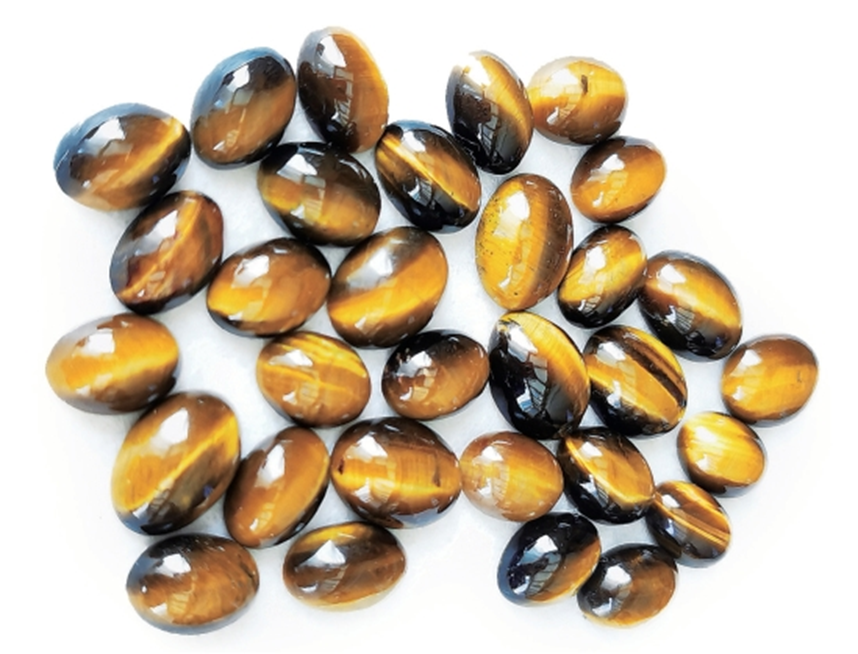
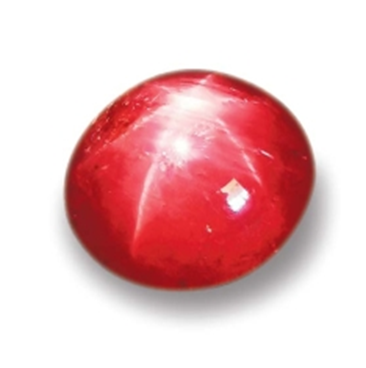
The captivating cat’s eye effect (chatoyancy) occurs when parallel inclusions reflect light in a narrow band. While highly prized in chrysoberyl (creating the precious “cat’s eye” gem), the same phenomenon in quartz carries significantly less value. Context matters profoundly: the gem species hosting the effect determines its worth more than the optical phenomenon itself. Within any gem variety, however, specimens displaying sharp, well-centered chatoyancy command premium prices over non-phenomenal examples.
Understanding these distinctions helps collectors navigate the complex gemological landscape, making informed decisions whether acquiring natural treasures or appreciating human ingenuity in created alternatives.
容易混淆的寶石概念:收藏家必備指南
一、理解人造寶石的不同類別
合成寶石
實驗室創造的寶石,具有與天然對應物相同的物理特性、化學成分和晶體結構。例如合成鑽石、人造紅寶石和藍寶石,以及實驗室培育的祖母綠。這些在化學上是真實的,但是在受控條件下而非地質過程中創造。
人造寶石
人造材料,在寶石學世界中沒有天然等效物。這些包括鈦酸鍶和YAG(釔鋁榴石),它們為特定光学特性開發而沒有天然礦物對應物。
組合寶石
由兩種或更多分離的寶石材料粘合組裝而成。常見例子包括歐泊三重石和石榴石頂玻璃雙重石,設計通過分層增強外觀或耐久性。
重組寶石
通過在熱和壓力下熔合天然寶石碎片或粉末創造。重組琥珀和綠松石代表此類別,其中天然材料經過製造過程以創造更大、可用的件。
二、硬度 vs 脆性悖論
與普遍看法相反,硬度增加通常與寶石脆性增加相關。雖然硬度衡量抗劃傷性,脆性表示撞擊導致破裂的敏感性。鑽石,在莫氏標度上排名10,例證了這種悖論——極抗劃傷但容易因急劇打擊解理。適當處理需要認識到耐用耐磨性並不總是等於結構韌性。
三、密度作為質量指標
雖然寶石密度(比重)提供識別線索,但它不應單獨決定質量評估。卓越的寶石價值源自顏色飽和度、透明度、切工精度、稀有性和有害內含物缺失的相互作用。具有差顏色和可見瑕疵的稠密寶石比具有卓越火彩和色調的較輕寶石價值低。
四、綜合硬度測試方法
除了簡單的劃痕測試,現代寶石學採用多種硬度評估技術:
- 劃痕測試:傳統莫氏方法比較礦物抗性
- 電子測量:精確儀器量化表面硬度
- 刻面邊緣檢查:評估刻面接合處的磨損模式
- 表面磨損分析:在放大下評估微小表面劃痕
每種方法對寶石耐久性和處理歷史提供獨特見解。
五、二色性 vs 變色現象
二色性(多色性)
各向異性寶石從不同晶體方向觀看時顯示不同顏色。堇青石著名地顯示紫藍色、灰色和黃棕色調,取決於方向。
變色現象
在不同光源下顯示戲劇性顏色變化的寶石。亞歷山大變石在日光和白熾光之間著名的綠到紅轉變代表最著名的例子。
這些獨特的光学特性源自不同的晶體結構和光相互作用機制,使它們成為有價值的識別工具。
六、貓眼現象的真實價值
迷人的貓眼效應(chatoyancy)在平行內含物以窄帶反射光時發生。雖然在金綠寶石中高度珍貴(創造珍貴的「貓眼」寶石),相同的現象在石英中價值顯著較低。上下文至關重要:承載效應的寶石種類比光学現象本身更決定其價值。然而,在任何寶石品種內,顯示清晰、居中良好的貓眼效應的樣本比無現象例子要求溢價。
理解這些區別有助於收藏家駕馭複雜的寶石學景觀,無論是獲取天然寶藏還是欣賞人造替代品中的人類智慧,都能做出明智決定。