Introduction: Why This Comparison Matters
When you begin exploring jade jewelry, you’ll quickly encounter two names: jadeite and nephrite. While both are true jade, they differ significantly in rarity, appearance, and value. For buyers, understanding the distinction between jadeite vs nephrite is not just academic—it directly impacts your purchase decision and budget. At VirtuCasa, our collection focuses on natural jadeite jewelry, a gemstone prized for its intensity of color and glass-like luster.
Jadeite is the rarer of the two minerals, and its finest examples—vivid green, highly translucent—command some of the highest prices in the gem world. Nephrite, on the other hand, is more common and typically less expensive, though it has its own beauty and cultural significance. This guide will help you navigate the value differences, so you can make an informed choice whether you’re buying for personal adornment or as an investment.
Understanding Quality: The Key Factors
Color: The Most Visible Value Driver
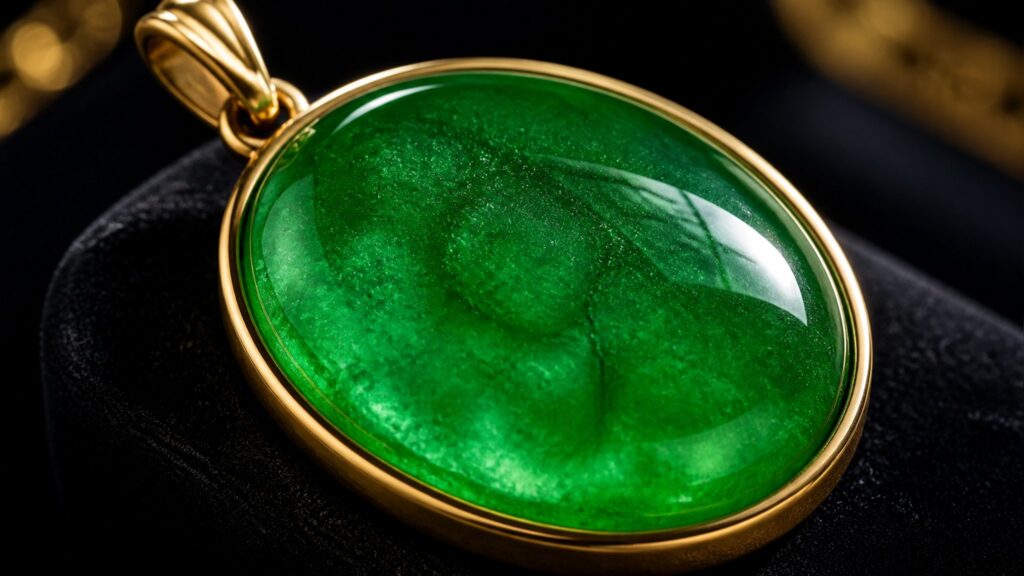
In jadeite, color is paramount. The most coveted hue is a rich, even green, often described as ‘imperial green.’ However, jadeite also occurs in lavender, yellow, white, and even multi-color combinations. The intensity, evenness, and saturation of color directly influence value. For example, the Natural Full-Green Jadeite Saddle Ring features an even ‘full green’ coloration that is dense yet translucent, a hallmark of premium jadeite.
Transparency: The Ice Factor
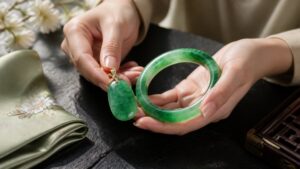
Transparency, or ‘water’ as it’s known in Chinese jade culture, is another critical factor. High-quality jadeite can be translucent to semi-transparent, allowing light to pass through and create a soft, glowing effect. ‘Ice-type’ jadeite is particularly prized for its cool, glassy transparency. The Natural Ice-type Jadeite Bracelet with Floating Green Patterns exemplifies this, with a transparent, delicate texture and a cool, lustrous glassy sheen.
Texture and Luster
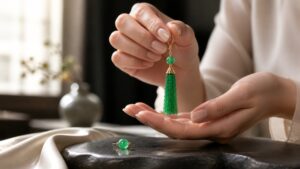
Fine jadeite has a smooth, fine-grained texture that polishes to a vitreous (glassy) luster. This is in contrast to nephrite, which typically has a more fibrous structure and a waxy, oily sheen. The tactile feel of jadeite—cool to the touch and dense—is a sign of quality. The Natural Jadeite Tassel Earrings are described as having a fine and compact texture with a refined glassy luster, showcasing this premium quality.
Types & Styles: Exploring the Varieties
Jadeite jewelry comes in a stunning array of styles, each highlighting different qualities of the stone. From classic bangles to modern pendants, there’s a piece for every taste. At VirtuCasa, you’ll find a curated selection that spans the spectrum.
Bracelets: The jadeite bracelet is perhaps the most iconic form. Beaded bracelets offer versatility and comfort. The Natural Jadeite Bracelet features 19 round beads in a soft lavender-white hue, while the Natural Three-Color Jadeite Bracelet showcases a unique yellow, white, and light green combination. For those who prefer a bangle style, the ice-type bracelet with floating green patterns offers a substantial 101g weight and a transparent, crystalline structure.
Necklaces: Jadeite necklaces range from delicate strands to bold statement pieces. The Natural Ice-type Tricolor Jade Necklace features rare ‘Three Colors’ of yellow, green, and white, while the Natural Ice-type Violet Jade Bead Necklace offers a soft lavender hue with 68 beads ranging from 10mm to 12mm in diameter.
Rings: Saddle rings are a traditional Chinese design, carved from a single piece of jadeite. The Natural Jadeite Saddle Ring with Floating Green features elegant green patches on a light base. For a more contemporary look, the Natural Ice-type Violet Jadeite Cabochon Ring Set combines a vivid violet cabochon with 18K white gold, sapphires, and diamonds.
How to Choose the Right Size & Fit
When purchasing jadeite jewelry, especially online, getting the size right is crucial. For bracelets, pay attention to the bead diameter and total circumference. The Natural Jadeite Bracelet, for instance, has a total circumference of about 18cm, suitable for wrists measuring 16-19cm. The Three-Color bracelet uses 16 beads of 12mm each and has an adjustable elastic cord for most wrist sizes.
For rings, the ring size is key. The Full-Green Saddle Ring is a size 24, while the Floating Green Saddle Ring is a size 26, and the Violet Cabochon Ring is a size 15. Always measure your finger accurately, and consider that saddle rings may fit differently than standard rings due to their curved top surface.
Necklaces offer more flexibility, but consider the bead size and length for layering. The Tricolor Necklace with 3.5mm beads is lightweight and perfect for layering, while the 5.3mm version offers a more substantial presence. The Violet Bead Necklace, with its 68 beads, can be worn in multiple layers or as a single strand.
Price & Value: What Drives the Cost
Jadeite value is determined by a combination of color, transparency, texture, and craftsmanship. The rarity of fine jadeite, especially in vibrant greens and icy translucency, drives prices upward. According to the Gem Society’s jade buying guide, the finest imperial green jadeite can sell for millions per carat at auction. While most pieces are far more accessible, the principle holds: quality dictates price.
In our collection, you’ll see a range that reflects these factors. Entry-level pieces like the Natural Three-Color Jadeite Bracelet at $668 offer beautiful color combinations at an accessible price. Mid-range options like the Natural Jadeite Tassel Earrings at $852 and the Natural Ice-type Tricolor Jade Necklace at $825 provide excellent value for daily wear. Premium pieces like the Natural Ice-type Violet Jade Bead Necklace at $6649 represent the upper echelon of color and translucency.
It’s important to note that setting and materials also affect price. The Violet Cabochon Ring Set at $1926 includes 18K white gold, sapphires, and diamonds, which contribute to its cost. Similarly, the Full-Green Saddle Ring at $2437 is a single piece of high-quality jadeite, justifying its premium.
Common Mistakes to Avoid
- Confusing jadeite with nephrite: Always verify that you’re buying jadeite if that’s your intention. Nephrite is more common and less valuable.
- Ignoring transparency: A highly translucent jadeite is generally more valuable than an opaque one. Look for ‘ice-type’ descriptions.
- Overlooking color distribution: Even color distribution is a sign of quality. Avoid pieces with uneven or patchy color unless it’s a deliberate ‘floating green’ effect.
- Skipping size checks: A beautiful bracelet that doesn’t fit is useless. Always check measurements and ring sizes.
- Assuming all green jade is the same: The intensity and hue of green vary greatly. ‘Imperial green’ is the most prized, but other shades can be equally beautiful.
- Not considering the setting: For rings and earrings, the metal and additional stones affect both aesthetics and value. Ensure they complement the jadeite.
Top Picks: Our Recommendations
Based on our collection, here are five standout pieces that offer excellent value and beauty:
1. Natural Ice-type Jadeite Bracelet with Floating Green Patterns ($1517) — Perfect for the serious collector who appreciates high transparency and the unique ‘floating green’ effect. Its 16mm beads give it a substantial presence.
2. Natural Jadeite Tassel Earrings ($852) — Ideal for those who want a touch of luxury in daily wear. The deep green color and 18K gold-plated chains make it a versatile statement piece.
3. Natural Three-Color Jadeite Bracelet ($668) — A great entry-level option that showcases the beauty of multi-colored jadeite. Its adjustable fit makes it a safe gift choice.
4. Natural Ice-type Violet Jadeite Cabochon Ring Set ($1926) — For those who love unique colors and fine craftsmanship. The combination of violet jadeite with sapphires and diamonds is truly special.
5. Natural Full-Green Jadeite Saddle Ring ($2437) — A classic choice for the traditionalist. The even, full green color and single-piece carving make it a timeless heirloom.
Final Tips: Making a Confident Purchase
When comparing jadeite vs nephrite, remember that jadeite’s rarity and intensity of color typically command higher prices. However, both have their own unique appeal. As jade guides explain, jade has been treasured for millennia for its beauty and symbolism. Whether you choose a vibrant green, a soft lavender, or a multi-colored piece, ensure it resonates with you.
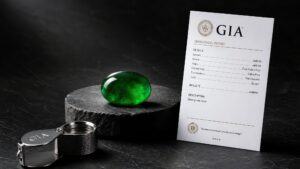
Always purchase from reputable sellers who provide detailed descriptions and certifications. At VirtuCasa, we are committed to offering genuine natural jadeite with transparent information about each piece’s characteristics. For further education on jade grading, we recommend consulting price guides from certified jadeite specialists to understand market trends.
In the end, the best jadeite is the one that speaks to you. Whether you’re drawn to the icy translucency of the ice-type pieces or the classic elegance of a full-green saddle ring, trust your instincts and enjoy the journey of finding your perfect jade.
FAQ
What is the main difference between jadeite and nephrite?
Jadeite and nephrite are two different minerals. Jadeite is rarer, more intensely colored, and often more translucent, making it generally more valuable. Nephrite is more common, typically has a waxy luster, and is less expensive. For high-value jewelry, jadeite is usually preferred.
How can I tell if jadeite is high quality?
High-quality jadeite is evaluated based on color (vivid, even green or other desirable hues), transparency (ice-type or translucent), texture (fine and smooth), and luster (glassy). Look for pieces described as ‘ice-type’ or with even color distribution.
Is a higher price always better for jadeite?
Not necessarily. Price reflects quality, but also includes factors like setting and brand. A higher price often indicates better color, transparency, and craftsmanship, but you should always assess the piece’s specific characteristics. Entry-level pieces can offer good value for beginners.
What does ‘ice-type’ mean in jadeite?
‘Ice-type’ refers to jadeite with high transparency and a cool, glassy appearance, resembling ice. It is highly prized for its clarity and is often more expensive than opaque jadeite.