Introduction
When shopping for natural jadeite jewelry, one of the most fascinating—and often overlooked—aspects is how the stone responds to different lighting conditions. The same piece of jadeite can look dramatically different under the cool, bluish glow of a fluorescent lamp compared to the warm, golden tones of an incandescent bulb. This isn’t a flaw; it’s a characteristic of the gemstone that reveals its depth, color saturation, and internal structure. Understanding this phenomenon is essential for anyone looking to purchase jadeite, whether you’re a first-time buyer or a seasoned collector.
At VirtuCasa, we specialize in natural jadeite jewelry and Chinese antiques, offering pieces that range from delicate earrings to substantial bracelets. Our goal is to help you make informed decisions, and that starts with knowing how to evaluate jadeite under different lighting. This guide will walk you through the science behind jadeite’s color shifts, the quality factors that matter, and how to choose the perfect piece for your personal style—all while keeping in mind the importance of viewing jadeite in multiple light sources.
Understanding Quality
Jadeite quality is typically assessed using the “Three Cs”: color, clarity, and cut—though in jadeite, “cut” often refers to the polish and shape of the cabochon or bead. According to gemological grading standards from the Gemological Institute of America (GIA), color is the most critical factor, and it is judged under both fluorescent and incandescent light to see how the stone’s hue appears in different environments. This dual-light evaluation is crucial because jadeite’s color can shift noticeably, especially for stones with lighter or more translucent bodies.
Another key factor is whether the jadeite is Type A (natural, untreated), Type B (bleached and polymer-impregnated), or Type C (dyed). As explained in jadeite buying guides that emphasize the importance of Type A certification, untreated jadeite is the most valuable and stable. When you view a Type A stone under different lights, the color shifts are natural and consistent, whereas treated stones may show unnatural fluorescence or uneven color. Always ask for certification or detailed descriptions that confirm natural, untreated jadeite.
Color and Transparency
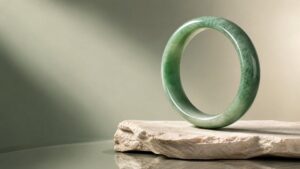
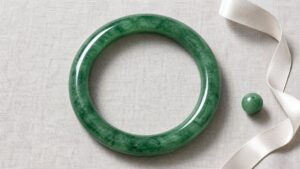
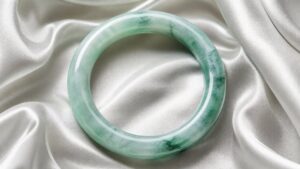
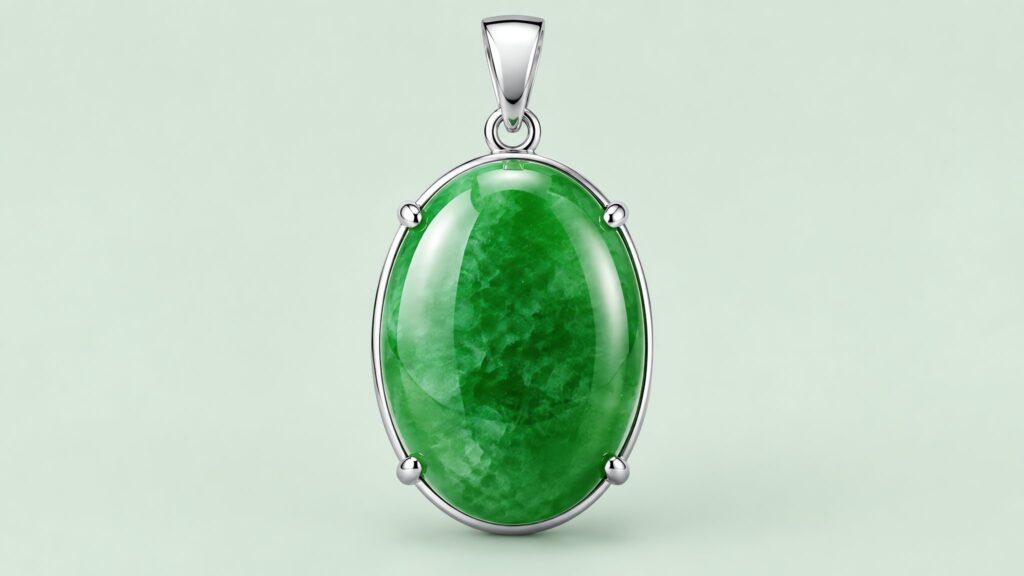
Color in jadeite ranges from imperial green to lavender, yellow, white, and even black. The most prized is a vivid, even green, but transparency—often called “ice-type” or “glassy”—also plays a significant role. Under fluorescent light, which has a higher color temperature and more blue content, jadeite can appear brighter and sometimes slightly more washed out. Under incandescent light, the warm yellow tones can make green jadeite appear richer and more saturated, while lavender may take on a softer, more delicate hue.
For example, the Natural Ice-type Violet Jade Bead Necklace displays a soft lavender hue that, under incandescent light, exudes a warm, ethereal charm. Under fluorescent light, the same necklace might appear cooler and more translucent, emphasizing its ice-type clarity. Understanding this interplay helps you appreciate the stone’s versatility.
Texture and Luster
Texture refers to the fineness of the jadeite’s internal grain structure. High-quality jadeite feels smooth and waxy, with a vitreous luster that reflects light beautifully. Under fluorescent light, a well-polished surface will show a bright, glassy sheen, while incandescent light tends to highlight the warmth and depth of the stone. When examining a piece, run your fingers over it and observe how the light plays across the surface—this can reveal the quality of the polish and the density of the material.
Types & Styles
Jadeite jewelry comes in many forms, from classic bangles to modern rings and necklaces. At VirtuCasa, we offer a range that showcases the diversity of this gemstone. Here are some common styles and how lighting affects their appearance:
- Bracelets: Beaded bracelets like the Natural Jadeite Bracelet feature uniform beads that catch light from all angles. Under fluorescent light, the lavender-white hue appears fresh and clean; under incandescent, it gains a subtle warmth.
- Earrings: The Natural Jadeite Tassel Earrings showcase deep green beads that look almost black in low light but reveal their rich, vibrant green under direct incandescent light.
- Rings: Saddle rings, such as the Natural Full-Green Jadeite Saddle Ring, have a flat, curved surface that reflects light evenly, making color shifts more apparent.
- Necklaces: Multi-color necklaces, like the Natural Ice-type Tricolor Jade Necklace, offer a fascinating display of yellow, green, and white—each hue reacts differently to lighting.
When choosing a style, consider how you plan to wear it. If you’ll be in varied lighting environments, a piece with more transparency and even color will adapt more gracefully.
How to Choose the Right Size & Fit
Size and fit are crucial for comfort and aesthetics, especially for bracelets and rings. For bracelets, you’ll want to measure your wrist circumference. In our product descriptions, we provide detailed measurements—for instance, the Natural Jadeite Bracelet is composed of 19 round beads, each approximately 10mm in diameter, with a total circumference of about 18cm, suitable for wrists with a circumference of 16-19cm. Always check these specs to ensure a comfortable fit.
For rings, the ring size is critical. Our saddle rings come in sizes like 24 or 26, and we also offer cabochon rings in size 15. If you’re unsure, it’s helpful to visit a jeweler to get your finger measured. Remember that jadeite is a hard stone, but it can chip if knocked against hard surfaces, so ensure a snug but not tight fit.
When considering a necklace, pay attention to the length and bead size. For example, the Natural Ice-type Violet Jade Bead Necklace features 68 beads with diameters ranging from 10mm to 12mm, offering versatility for layering or single-strand wear. Think about your neckline and how the necklace will sit.
Price & Value
The price of jadeite is influenced by several factors: color, transparency, texture, and the absence of treatments. Type A natural jadeite commands a premium because of its rarity and stability. In our collection, you’ll find pieces ranging from entry-level to premium. For instance, the Natural Three-Color Jadeite Bracelet is priced at $668, making it an accessible introduction to natural jadeite. On the other end, the Natural Ice-type Violet Jade Bead Necklace is $6649, reflecting its exceptional size and quality.
Other examples include the Natural Ice-type Tricolor Jade Necklace at $740 and the more substantial Natural Ice-type Tricolor Jade Necklace at $825. The Natural Jadeite Tassel Earrings are $852, while the Natural Jadeite Bracelet is $1008. For those seeking investment-grade pieces, the Natural Ice-type Jadeite Bracelet with Floating Green Patterns is $1517, and the Natural Ice-type Violet Jadeite Cabochon Ring Set is $1926.
As a general rule, the more intense and even the color, the higher the price. Transparency also adds value—ice-type jadeite is more expensive than opaque varieties. When comparing pieces, evaluate them under consistent lighting to make fair assessments.
Common Mistakes to Avoid
- Judging color under a single light source: Always view jadeite under both fluorescent and incandescent light to see the full range of its color. This is a tip echoed in expert advice on buying jade online.
- Ignoring the type of jadeite: Ensure your piece is Type A (natural) to avoid value loss and potential health risks from treatments.
- Overlooking size and fit: A bracelet that’s too tight can break, and a ring that’s too loose may slip off. Always check measurements.
- Assuming all green is the same: Green jadeite varies from pale to deep imperial. Learn to distinguish between them.
- Not asking for certification: Reputable sellers should provide documentation or detailed descriptions confirming natural origin.
Top Picks
Based on our collection, here are some standout pieces to consider:
- Natural Full-Green Jadeite Saddle Ring ($2437): Perfect for those who love classic elegance. The even “full green” coloration is best appreciated under incandescent light, where its richness comes alive. Ideal for formal occasions or daily wear.
- Natural Ice-type Jadeite Bracelet with Floating Green Patterns ($1517): A stunning representation of ice-type jadeite, this bracelet offers high transparency and a cool, glassy sheen. It suits those who appreciate modern, minimalist designs.
- Natural Jadeite Tassel Earrings ($852): These earrings add a touch of sophistication to any outfit. The deep green beads catch light beautifully, making them a versatile choice for both day and evening wear.
- Natural Ice-type Violet Jadeite Cabochon Ring Set ($1926): For those who love unique colors, this ring features a vivid violet hue with excellent transparency. The combination with 18K white gold, sapphires, and diamonds makes it a standout piece for collectors.
Each of these pieces has been selected for its quality and beauty, but remember to view them under different lighting to fully appreciate their character.
Final Tips
When shopping for jadeite, always consider the lighting in which you’ll most often view your jewelry. If you spend most of your time in office environments with fluorescent lighting, you may prefer pieces that look bright and clear under those conditions. For evening wear, incandescent lighting will enhance the warmth of green and yellow hues.
Take your time to compare multiple pieces, as advised by expert guides on buying jade online—the more you compare, the more you’ll train your eye to spot quality differences. And don’t forget to explore our full jadeite collection to find a piece that resonates with you. Whether you’re drawn to the serene lavender of ice-type violet or the vibrant green of imperial jade, there’s a VirtuCasa piece waiting to become your next treasure.
FAQ
Why does jadeite look different under fluorescent vs incandescent light?
Fluorescent light has a cooler, bluish tone that can make jadeite appear brighter and sometimes more washed out, while incandescent light is warmer and yellower, which can enhance the saturation of green and yellow hues. This is a natural characteristic of the stone, and evaluating jadeite under both lights helps you understand its true color.
Is it better to view jadeite under natural daylight?
Natural daylight is often considered the best reference because it has a balanced spectrum. However, since you’ll wear your jadeite in various settings, it’s wise to also check how it looks under indoor lighting to ensure you’re happy with its appearance in your daily environment.
What is Type A jadeite, and why does it matter?
Type A jadeite is natural, untreated jadeite. It is the most valuable and stable form because it hasn’t been altered with polymers or dyes. Treated jadeite (Type B or C) may show unnatural color changes under different lighting and can degrade over time, so always seek Type A certification.
How can I ensure the jadeite I buy from VirtuCasa is natural?
Each product listing at VirtuCasa describes the germplasm as ‘natural jadeite’ and provides details on texture, color, and transparency. We recommend reviewing these descriptions carefully and reaching out to us with any questions. For additional peace of mind, you can consult independent gemological resources.