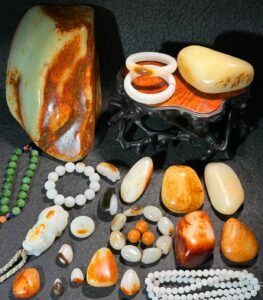

The jade industry represents one of the most fascinating yet challenging sectors in the gemstone market. With its deep cultural significance in Asian societies, particularly Chinese culture where it symbolizes virtue, purity, and protection, jade has maintained its allure for millennia. For entrepreneurs looking to enter this specialized field, understanding the unique challenges and precautions is essential for sustainable success. This article outlines critical considerations for aspiring jade business owners.
Understanding Jade: More Than Just a Stone
Before entering the jade business, entrepreneurs must develop a comprehensive understanding of what jade actually encompasses. The term “jade” refers to two distinct minerals: nephrite and jadeite. While both are prized, jadeite (particularly the highly valued “Imperial Jade” with its vibrant emerald-green color) commands significantly higher prices.
Key distinctions to master:
– Nephrite: Typically found in shades of white to dark green, more common, and generally less expensive
– Jadeite: Ranges from white to deep green, with the most valuable being translucent emerald-green varieties
– Geographical sources: Myanmar (Burma) produces the finest jadeite, while nephrite comes from various locations including China, Russia, Canada, and New Zealand
Entrepreneurs should invest substantial time in education before making significant purchases. Consider attending gemology courses, visiting reputable dealers, and studying certification processes from organizations like the Gemological Institute of America (GIA).
Authentication and Certification: The Foundation of Trust
The single most critical aspect of the jade business is authentication. The market is unfortunately plagued with counterfeit and treated stones that can deceive even experienced buyers.
Essential authentication practices:
1. Work only with certified gemologists: Never rely solely on visual inspection
2. Understand common treatments: Learn to identify common enhancement techniques like:
– Dyeing (adding color to pale stones)
– Polymer impregnation (improving transparency)
– Heat treatment (enhancing color)
3. Require proper documentation: Insist on certificates from reputable laboratories for all significant purchases
4. Build relationships with trusted suppliers: This takes time but is invaluable for long-term success
Market Dynamics and Cultural Sensitivity
The jade market operates differently from other gemstone markets due to its deep cultural roots. Understanding these dynamics is crucial for business planning.
Market characteristics:
– Seasonal fluctuations: Demand often peaks around traditional festivals and auspicious dates
– Regional preferences: Different markets value different colors and qualities
– Cultural significance: Jade is often purchased for specific purposes like protection, health benefits, or as heirlooms
– Investment aspect: High-quality jade is increasingly viewed as an investment vehicle
Cultural considerations:
– Respect traditional beliefs about jade’s spiritual properties
– Understand the symbolism of different colors and carvings
– Be aware of cultural taboos (certain designs or combinations may be considered inauspicious)
– Learn basic terminology in relevant languages (particularly Mandarin for the Chinese market)
Legal and Ethical Considerations
The jade trade, particularly jadeite from Myanmar, has been associated with ethical concerns and regulatory challenges.
Critical legal and ethical precautions:
1. Source transparency: Know exactly where your jade originates and ensure it complies with international regulations
2. Conflict mineral awareness: Be vigilant about avoiding stones from conflict zones
3. Export/import regulations: Different countries have varying restrictions on jade trade
4. Cultural heritage protection: Some countries restrict export of antique or culturally significant pieces
5. Environmental impact: Consider the ecological footprint of mining operations
Financial Management and Risk Mitigation
Jade entrepreneurship requires careful financial planning due to the industry’s unique characteristics.
Financial precautions:
– High capital requirements: Quality jade represents significant inventory investment
– Liquidity challenges: Unlike stocks, jade cannot be sold instantly at market price
– Insurance considerations: Specialized insurance is essential but can be expensive
– Valuation expertise: Regular professional appraisals are necessary for insurance and investment purposes
– Diversification: Consider offering complementary products or services to balance cash flow
Building Your Brand and Customer Base
Success in the jade industry depends heavily on reputation and trust.
Brand-building strategies:
1. Specialization: Consider focusing on a particular niche (antique jade, specific carving styles, particular quality grades)
2. Educational content: Share knowledge through blogs, workshops, or social media to establish authority
3. Transparency: Be open about stone origins, treatments, and pricing
4. Quality over quantity: It’s better to have fewer, higher-quality pieces than a large inventory of questionable items
5. Customer education: Help clients understand what they’re purchasing and why it has value
Technology Integration in the Modern Jade Business
While jade is a traditional industry, modern entrepreneurs can leverage technology for competitive advantage.
Technological applications:
– Digital certification: Blockchain technology for provenance tracking
– Advanced imaging: High-resolution photography and 3D scanning for online sales
– Market analysis tools: Data analytics for understanding market trends
– E-commerce platforms: Specialized platforms for high-value gemstone sales
– Virtual consultations: Remote expert assessments for international clients
Common Pitfalls to Avoid
Based on industry experience, here are frequent mistakes new jade entrepreneurs make:
- Overestimating personal expertise: Even experienced gemologists make mistakes with jade
- Underestimating authentication costs: Proper certification is expensive but non-negotiable
- Ignoring cultural context: Jade is not just another commodity
- Poor inventory management: Holding the wrong pieces at the wrong time
- Inadequate legal compliance: The regulatory landscape is complex and constantly evolving
- Underpricing expertise: Your knowledge has value beyond the stones themselves
The Future of Jade Entrepreneurship
The jade industry is evolving with changing consumer preferences, technological advancements, and increasing emphasis on ethical sourcing. Successful entrepreneurs will need to balance tradition with innovation, maintaining respect for cultural heritage while adapting to modern business practices.
Emerging trends:
– Growing interest in jade among younger, international collectors
– Increased demand for traceability and ethical sourcing
– Technological innovations in authentication and valuation
– Expansion of online marketplaces for high-value gemstones
– Sustainability concerns driving changes in mining practices
Conclusion
Entering the jade industry as an entrepreneur requires a unique combination of gemological knowledge, cultural understanding, business acumen, and ethical commitment. While the challenges are significant, the rewards can be substantial for those who approach the business with respect, diligence, and patience. By following these precautions and building your expertise gradually, you can establish a sustainable and respected presence in this ancient yet dynamic industry.
Remember that in the jade business, reputation is everything. Each transaction builds or diminishes your standing in a community where trust is the most valuable currency of all. Start small, learn continuously, and prioritize authenticity above all else—this approach will serve you well in navigating the complex but rewarding world of jade entrepreneurship.