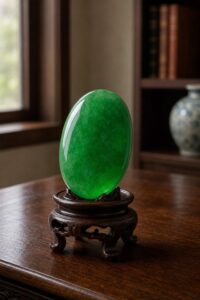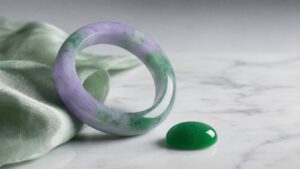
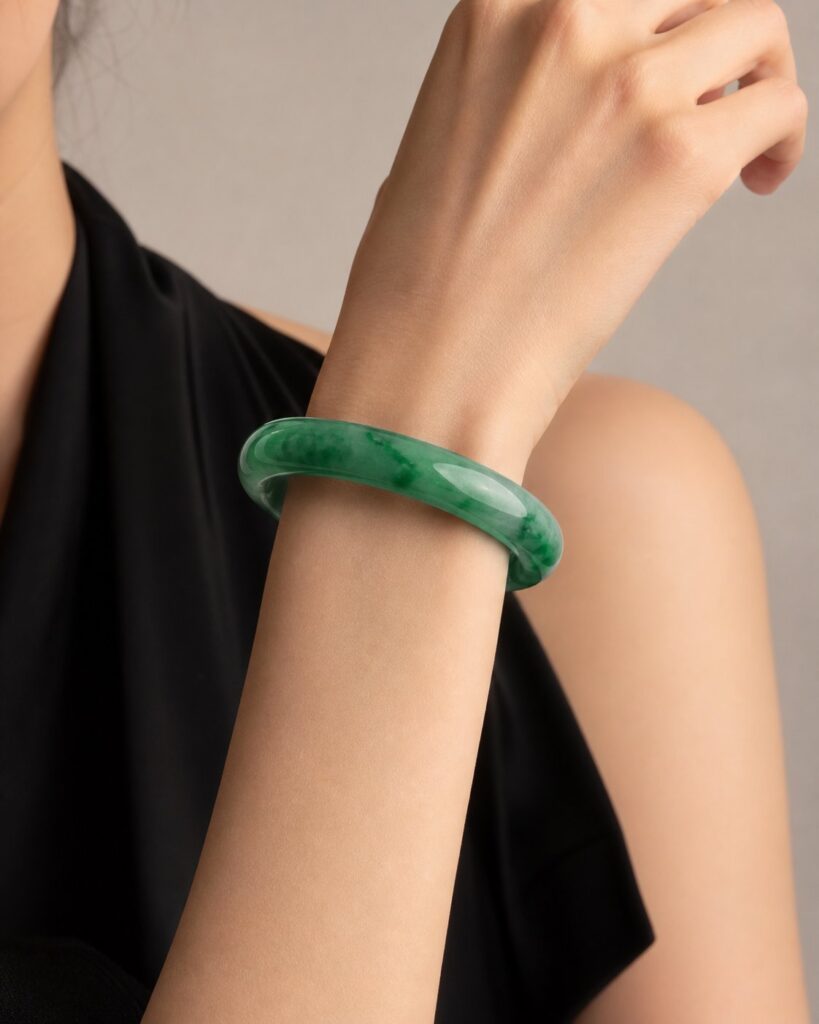
When shopping for jadeite jewelry, understanding the difference between treated and untreated material is crucial. Natural, untreated jadeite—often referred to as Type A jade—retains its intrinsic beauty and value, while treated stones may involve polymer impregnation, dyeing, or bleaching. This guide from VirtuCasa will teach you how to identify the signs of treatment and confidently choose natural jadeite that is free of artificial enhancement.
Introduction
Jadeite is one of the most precious gemstones in the world, treasured for its vivid colors and glassy luster. However, its rarity has led to widespread treatments aimed at improving appearance or durability. The majority of jadeite sold worldwide undergoes some form of treatment, with only a small percentage being completely natural and untreated. As a buyer, knowing the indicators of treatment empowers you to make an informed purchase and avoid overpaying for enhanced material.
At VirtuCasa, every piece of jadeite jewelry is carefully selected to ensure it is natural and untreated. Our collection includes bracelets, necklaces, earrings, and rings that showcase the true character of jadeite—from delicate lavender hues to vibrant greens and rare three-color combinations.
Understanding Quality
Color
Color is the most important quality factor in jadeite. Natural untreated jadeite exhibits even, rich color that remains consistent under both fluorescent and incandescent light. Treated jadeite often shows unnatural color concentration, especially along cracks or in porous areas where dye has accumulated. When evaluating color, GIA explains that the finest jadeite has intense, evenly distributed color with no discoloration.
Transparency and Texture
Transparency, or “ice-type” quality, is another key attribute. Untreated jadeite has a fine, compact texture that allows light to penetrate deeply, creating a glass-like sheen. Treated stones often appear cloudy or waxy because polymer resin fills internal fractures and alters light refraction. A smooth, cool-to-touch surface is typical of natural jadeite, while treated pieces may feel slightly warm or oily.
Treatments to Know
The most common treatments include bleaching and polymer impregnation (Type B), dyeing (Type C), and a combination (Type B+C). Type B jade is soaked in acid to remove impurities, then infused with polymer to fill voids—this can be detected by a faint acidic smell when heated or by a lack of internal quartz sound when tapped. Type C jade is dyed, often resulting in unnatural colors like a bright lime green or violet that bleeds into tiny fractures. The Gem Society recommends asking for a gemological certificate confirming “no treatment”.
Types & Styles
VirtuCasa offers a variety of styles in natural jadeite. The Natural Jadeite Bracelet features 19 round beads of delicate lavender-white jadeite with soft vitreous luster—a perfect example of untreated material. For those seeking bold green, the Natural Jadeite Tassel Earrings use deep green beads on 18K gold-plated chains, demonstrating how untreated jadeite can achieve intense color without dye.
The Natural Three-Color Jadeite Bracelet showcases yellow, white, and light green hues in a harmonious blend—impossible to achieve with dye because the colors are natural jadeite cross-sections. For collectors of high-transparency pieces, the Natural Ice-type Jadeite Bracelet with Floating Green Patterns offers a cool, crystalline base with subtle green inclusions, typical of untreated ice-type material.
How to Choose the Right Size & Fit
When selecting untreated jadeite jewelry, proper fit ensures comfort and longevity. For bracelets, the bead diameter and overall circumference matter: the Natural Jadeite Bracelet has 10mm beads with an 18cm circumference, suitable for wrists 16–19cm. The Ice-type Bracelet uses larger 16mm beads weighing 101g for a substantial feel. Necklaces like the Natural Ice-type Tricolor Jade Necklace (beads 5.3mm) and its 3.5mm version offer lightweight options for daily wear. Rings come in specific sizes: the Natural Full-Green Jadeite Saddle Ring is size 24, while the floating green version is size 26. Always measure your finger or wrist and compare to the listed measurements.
Price & Value
Untreated jadeite commands a premium because of its rarity. At VirtuCasa, prices reflect the natural quality: the Natural Jadeite Bracelet is priced at $1008, while the Ice-type Bracelet with floating green sells for $1517. For special pieces, the Natural Ice-type Violet Jadeite Cabochon Ring Set (set in 18K white gold with sapphires and diamonds) is valued at $1926. High-end pieces like the Ice-type Violet Jade Bead Necklace at $6649 and the Full-Green Saddle Ring at $2437 demonstrate how color, size, and transparency drive cost. The Natural Three-Color Jadeite Bracelet at $668 offers an entry-point into untreated jadeite, while the Natural Jadeite Saddle Ring with Floating Green at $719 suits those preferring a modest investment.
Common Mistakes to Avoid
- Judging solely by color: Bright green does not always mean natural; many dyed stones appear vibrant at first glance.
- Ignoring surface textures: Check for a smooth, glassy feel; treated jade often feels waxy or rough.
- Not asking about certification: A reputable seller will provide a gemological report stating “natural, no treatment” (Type A).
- Assuming all polished jade is treated: Untreated jade can be highly polished; look for natural fissures or color banding that indicate authenticity.
- Overlooking the setting: Untreated jadeite is often set with simple metal findings to showcase the stone; elaborate settings can mask flaws.
Top Picks
Here are our top recommendations for untreated jadeite jewelry at VirtuCasa:
- Natural Ice-type Tricolor Jade Necklace ($825): Perfect for those who want a delicate, everyday piece with rare yellow, green, and white hues. Ideal for layering or standalone wear.
- Natural Full-Green Jadeite Saddle Ring ($2437): A bold statement ring for collectors who desire deep green color and substantial presence.
- Natural Ice-type Violet Jadeite Cabochon Ring Set ($1926): For those wanting a modern, high-setting design that combines untreated violet jadeite with diamonds and sapphires.
- Natural Three-Color Jadeite Bracelet ($668): An accessible entry into untreated multi-color jadeite, suitable for everyday elegance.
- Natural Ice-type Jadeite Bracelet with Floating Green Patterns ($1517): Best for those who appreciate high transparency and a substantial wrist presence.
Final Tips / Conclusion
Spotting treated vs untreated jadeite comes down to observation, education, and trusting your source. Look for even color distribution, glassy luster, and a certificate of authenticity. Gump’s advises examining jade under a loupe for telltale dye accumulation—a simple habit that can save you from buying a treated stone. By choosing VirtuCasa, you are selecting jewelry crafted from verified natural jadeite. Explore our full range on the jadeite collection page and invest in a piece that holds its value and story for generations.
FAQ
How can I tell if jadeite is treated at home?
While a definitive answer requires gemological testing, you can look for signs: rub the surface with a damp cloth—if color transfers, it may be dyed. Under strong light, check for unnatural color concentrations in cracks. Treated jadeite often feels warmer to the touch than natural stone. However, the safest way is to request a certificate from a lab like GIA or AIGS stating ‘no treatment’.
What does Type A jadeite mean?
Type A jadeite refers to natural, untreated jadeite that has only undergone traditional shaping and polishing. It has not been bleached, polymer-impregnated, or dyed. Type A is the most valuable and sought-after quality. All VirtuCasa jadeite pieces are Type A.
Is untreated jadeite always expensive?
Not all untreated jadeite carries a high price. VirtuCasa offers pieces like the Natural Three-Color Jadeite Bracelet at $668 and the Natural Jadeite Saddle Ring with Floating Green at $719, which are entry-level investments. Of course, high-quality ice-type or vivid green material can reach thousands, but there are affordable options for every budget.
Can untreated jadeite be worn daily?
Yes, natural jadeite is durable and suitable for daily wear, but it is not indestructible. Avoid exposing it to harsh chemicals, extreme heat, or hard knocks. Clean with a soft cloth and store separately. The lightness and comfortable fit of VirtuCasa’s pieces make them ideal for everyday elegance.