Introduction
Jadeite, the rarer and more precious variety of jade, has been treasured for centuries across cultures for its beauty, durability, and symbolic meaning. Unlike nephrite, fine jadeite—especially in vivid greens and lavenders—can command extraordinary value. However, the market is filled with imitations, treated stones, and mislabeled pieces. For a beginner, buying real jadeite safely requires understanding the key quality factors, knowing what to look for, and purchasing from a trusted source. This guide will walk you through the essentials using VirtuCasa’s collection of authentic, natural jadeite jewelry and antiques, giving you the confidence to make an informed choice.
Understanding Quality
The value of jadeite is determined by three primary characteristics: color, transparency, and texture. These are assessed in combination, with intensity and evenness playing critical roles. According to GIA’s jadeite quality factors, color is the most important attribute, followed by transparency (often called “water”) and texture (or “fineness”).
Color
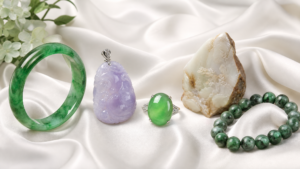
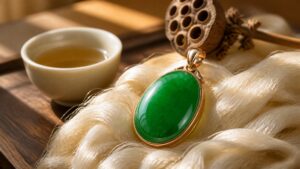
Premium jadeite colors include imperial green, lavender, and vibrant three-color combinations. The best hues are saturated, uniform, and free of gray or brown undertones. For example, VirtuCasa’s Natural Full-Green Jadeite Saddle Ring ($2437) showcases an even “full green” coloration with a warm vitreous luster—a classic sign of high-quality color.
Transparency and Texture
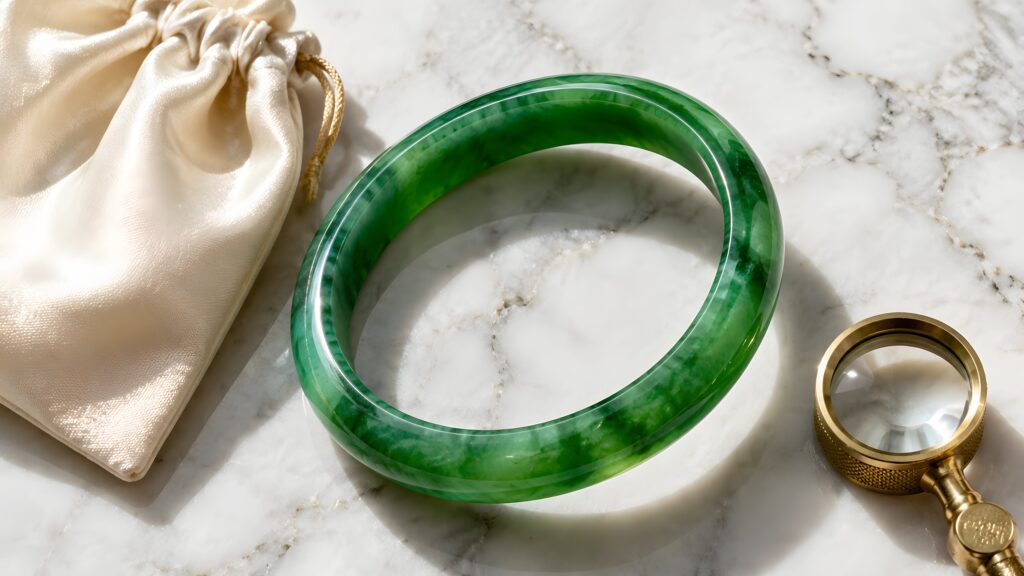
Transparency ranges from opaque to translucent. Ice-type jadeite, which exhibits a glassy, near-transparent appearance, is especially prized. Pala International’s jadeite buying guide notes that stones with high translucency combined with intense color carry the highest value. Fine texture means the material is compact and smooth, without visible granularity. VirtuCasa’s Natural Ice-type Jadeite Bracelet with Floating Green Patterns ($1517) exemplifies this with its transparent, delicate texture and cool glassy sheen, featuring floating green patterns that add unique character.
Types & Styles
Jadeite jewelry comes in many forms, from classic bead bracelets and necklaces to carved rings and earrings. Understanding the different types helps you choose according to your taste and lifestyle.
Bead Bracelets: These are versatile and popular. The Natural Jadeite Bracelet ($1008) is a lovely lavender-white strand, while the Natural Three-Color Jadeite Bracelet ($668) features yellow, white, and light green beads for a more vibrant look. For a statement piece, the Ice-type Bracelet ($1517) offers impressive translucency and large 16mm beads.
Necklaces: VirtuCasa offers several strand necklaces. The Natural Ice-type Tricolor Jade Necklace ($825) blends yellow, green, and white in 5.3mm beads, while the Natural Ice-type Tricolor Jade Necklace ($740) uses smaller 3.5mm beads for a delicate feel. For a luxury investment, the Natural Ice-type Violet Jade Bead Necklace ($6649) is a standout with 68 graduated beads of translucent lavender.
Rings and Earrings: Carved saddle rings and cabochon-set rings offer a classic aesthetic. The Natural Jadeite Saddle Ring with Floating Green ($719) and the Full-Green Saddle Ring ($2437) are elegant choices. The Natural Ice-type Violet Jadeite Cabochon Ring Set with 18K White Gold, Sapphires, and Diamonds ($1926) pairs precious stones with jadeite for a modern heirloom.
How to Choose the Right Size & Fit
Proper sizing is crucial for comfort and security. For bead bracelets, measure your wrist circumference and compare it to the bracelet’s total length. The Natural Jadeite Bracelet is designed for wrists 16–19cm, while the three-color bracelet has an adjustable elastic cord. Bead diameters also affect feel: 10mm beads (lavender bracelet) provide a balanced presence, while 16mm beads (ice-type bracelet) are bolder.
For rings, VirtuCasa provides specific ring sizes (e.g., size 24 for the full-green saddle ring, size 26 for the floating green ring, size 15 for the cabochon ring). Always measure your finger accurately using a ring sizer or consult a jeweler. Necklace lengths are defined by bead count and diameter; the 68-bead violet necklace offers versatility for layering or single-strand wear.
Price & Value
What drives the price of jadeite? The most important factors are color (vivid, even greens and lavenders are premium), transparency (ice-type commands higher prices), texture (fine, compact material), and craftsmanship (intricate settings or carvings add value). Unusual color combinations like three-color or rare violet hues also increase rarity.
VirtuCasa’s collection spans entry-level to premium pieces. For example, the three-color bracelet at $668 offers a great introduction to natural jadeite with interesting multicolor patterns. Mid-range options like the Natural Jadeite Tassel Earrings ($852) and the tricolor necklace ($825) provide fine quality at accessible prices. High-end pieces such as the violet necklace ($6649) represent investment-grade jadeite with exceptional translucency and color.
Common Mistakes to Avoid
- Assuming all green stones are jade: Many green minerals (serpentine, aventurine, quartz) are sold as jade. Always buy from a reputable seller that verifies natural jadeite.
- Ignoring treatments: Some jadeite is dyed, polymer-impregnated, or bleached. Look for “natural” or “no treatment” descriptions. VirtuCasa clearly labels its pieces as natural jadeite.
- Focusing only on color: While important, transparency and texture are equally critical for value. A stone with good color but poor translucency may be overpriced.
- Neglecting size and proportion: A beautiful jadeite bead bracelet that is too large or too small will not be comfortable. Check measurements and bead sizes before buying.
- Relying solely on price: A very low price often indicates imitation or heavily treated material. Conversely, a high price does not guarantee quality without understanding the factors above.
Top Picks
Based on the collection, here are recommended pieces for different buyers:
- For the first-time buyer: Natural Three-Color Jadeite Bracelet ($668) – Affordable, unique, and showcases natural multicolor beauty. Perfect for daily wear.
- For the connoisseur of translucency: Natural Ice-type Jadeite Bracelet with Floating Green Patterns ($1517) – High ice quality with artistic green patterns; a statement piece.
- For a sophisticated ring: Natural Full-Green Jadeite Saddle Ring ($2437) – Classic saddle design with even green color; a timeless heirloom.
- For the jewelry lover who appreciates mixed metals: Natural Ice-type Violet Jadeite Cabochon Ring Set ($1926) – Combines violet jadeite with 18K gold, sapphires, and diamonds for a modern luxury ring.
- For a versatile everyday piece: Natural Jadeite Bracelet ($1008) – Soft lavender-white beads in a comfortable size; suitable for any occasion.
Final Tips / Conclusion
Buying real jadeite safely is achievable when you educate yourself on quality factors, verify authenticity, and choose a trusted marketplace like VirtuCasa, which offers only natural jadeite in a range of grades and prices. Remember to inspect color and translucency under both fluorescent and incandescent light, as recommended by GIA. For further reading, this beginner’s guide provides additional context on the market.
Always ask for certifications and return policies when investing in higher-value pieces. With patience and the right knowledge, you can find a jadeite treasure that brings you joy for a lifetime. Explore the full VirtuCasa jadeite collection to start your journey.
FAQ
What is the difference between jadeite and nephrite?
Jadeite is the rarer and more valuable variety of jade. It comes in a wider range of colors, including intense green, lavender, and multicolor combinations, and is typically more translucent than nephrite. Nephrite is more common, tougher, and usually occurs in shades of green, white, or gray. VirtuCasa specializes in natural jadeite.
How can I tell if jadeite is treated?
Treated jadeite may have been dyed, polymer-impregnated, or bleached. Look for terms like ‘natural’ or ‘no treatment’ in the product description. VirtuCasa clearly labels its pieces as natural. Reputable sellers also provide gemological certificates. A professional appraisal can confirm whether any treatments have been applied.
What does ‘ice-type’ jadeite mean?
Ice-type jadeite refers to a grade with high transparency, often described as having a glassy, icy appearance. It is highly prized for its clarity and cool luster. VirtuCasa offers several ice-type pieces, such as the Natural Ice-type Jadeite Bracelet with Floating Green Patterns and the Natural Ice-type Violet Jade Bead Necklace.