Introduction
Want to identify genuine jade sources? This guide offers expert tips for understanding where authentic jade comes from.
While over 2,000 minerals qualify as ‘gemstones’ today, traditional Chinese lapidary arts recognized only about 30 materials as true yushi (玉石). This article explores how geological resources shaped 8,000 years of jade craftsmanship, from Neolithic serpentine to Qing Dynasty imperial jadeite.
(For related readings: [Defining Jade Artifacts] | [Jade Crafting Techniques])
I. Historical Jade Materials: A Cultural Taxonomy
1. The ‘Big Four’ of Ancient China
| Material | Source | Era of Prominence | Key Properties |
|---|---|---|---|
| Hetian Jade | Xinjiang, China | Shang to Qing Dynasties | Fibrous nephrite; ‘mutton fat’ luster |
| Dushan Jade | Henan, China | Han Dynasty | Variegated colors (zebra-stripe patterns) |
| Xiuyan Jade | Liaoning, China | Hongshan Culture | Serpentine; soft but carvable |
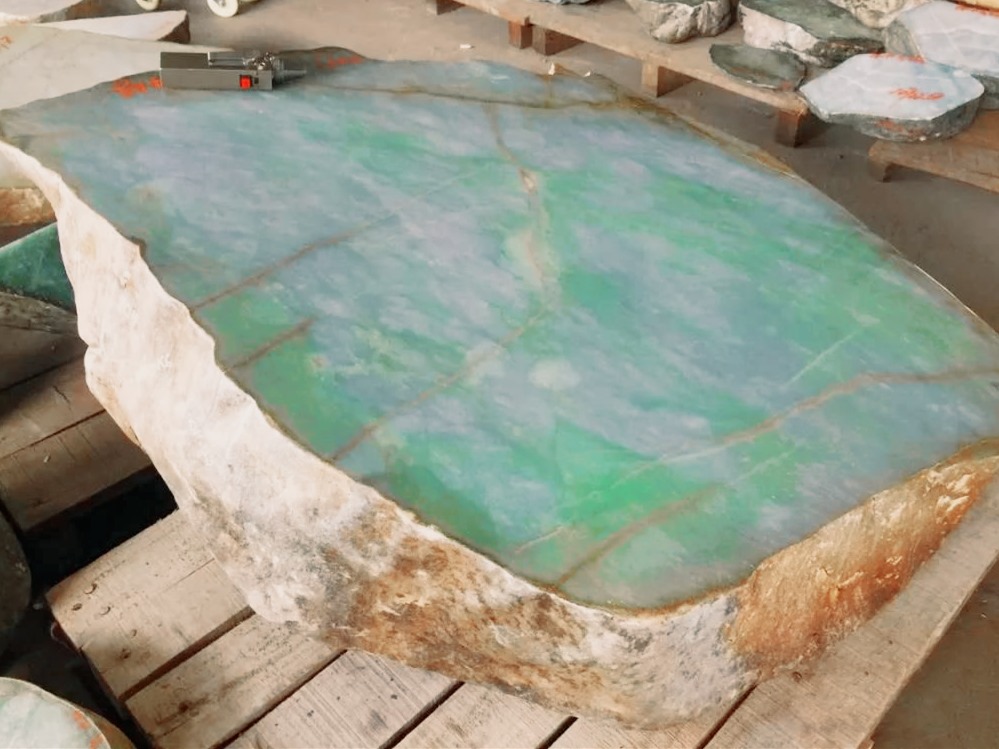
| Burmese Jadeite | Myanmar | Ming-Qing Transition | Chromium-driven ‘imperial green’ |
Cultural Note: The adage ‘黃金有價玉無價’ (Gold has price; jade is priceless) reflects Hetian jade’s supremacy in courtly art.
2. Supplementary Materials
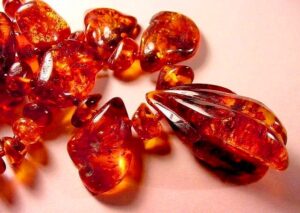
- Organic Gems: Fossilized coral (紅珊瑚), amber (琉泊) – used in Buddhist votive items.
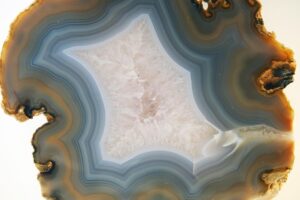
- Siliceous Stones: Agate (瑪瑙), turquoise (綠松石) – popular for zitan furniture inlays.
II. Modern Classification: Bridging East and West
1. The Gemological Trinity
| Category | Chinese Term | Examples | Hardness (Mohs) |
|---|---|---|---|
| Precious Gems | 寶石 | Ruby, diamond | 8–10 |
| True Jade | 玉石 | Jadeite, nephrite | 6–7 |
| Ornamental Stones | 彩石 | Malachite, lapis lazuli | 3–5 |
Controversy: Western science excludes dushan yu (獨山玉, zoisite) from ‘true jade,’ though it was carved since 2000 BCE.
2. Sourcing Challenges
- Depletion: Xinjiang’s Hetian mines now yield 90% less nephrite than a century ago.
- Ethical Concerns: 40% of Myanmar jadeite funds armed conflicts (United Nations report).
III. Material Science Meets Artistry
1. The Carver’s Dilemma
- Nephrite: Tough but brittle – requires diamond-tipped tools for fine detail.
- Jadeite: Harder but more stable – allows translucent ‘watermelon’ carvings.
Microscopic Clues:
- Hetian jade: Felt-like tremolite fibers under SEM.
- Synthetic jadeite: Gas bubbles in polymer-filled cracks.
2. Provenance Tools
- Stable Isotope Analysis: Matches oxygen isotopes to geographic deposits.
- LIBS (Laser Spectroscopy): Detects trace elements like chromium in jadeite.
IV. Collector’s Guide to Ethical Acquisition
1. Red Flags
- ‘Ming Dynasty’ jadeite: Authentic pieces predate Myanmar trade routes (post-1600).
- Too-perfect ‘antique’ patina: Real burial marks show irregular chemical erosion.
2. Responsible Alternatives
- Recycled Materials: Repurposed Qing nephrite from dismantled scholar’s objects.
- Lab-Grown Jadeite: Chemically identical but conflict-free (marketed as eco-jade).
Conclusion: The Stone That Shaped Civilizations
From Hongshan culture shamans to Tiffany’s jadeite cabochons, these minerals carry dual narratives as geological wonders and cultural touchstones. As supplies dwindle, tracing jade material sources becomes critical—for preservation and authenticity.
FAQ
What are the primary jade material sources in Chinese history?
The main sources are Hetian jade from Xinjiang (nephrite), Dushan jade from Henan, Xiuyan jade from Liaoning (serpentine), and Burmese jadeite from Myanmar. Each dominated different eras.
How can I tell if a jade piece is authentic?
Look for microscopic clues: Hetian jade has felt-like fibers under SEM, while synthetic jadeite shows gas bubbles. Also, check the provenance—Ming Dynasty jadeite is impossible as Myanmar trade began after 1600.
What ethical issues surround jade sourcing?
Depletion is a concern—Xinjiang’s mines yield far less nephrite than a century ago. Also, a significant portion of Myanmar jadeite funds armed conflict. Lab-grown jadeite offers a conflict-free alternative.
Continue Your Journey:
Explore more: Defining Jade Artifacts | Jade Crafting Techniques